
Can Dogs Eat Baked Potatoes Safe Tips for Pet Owners
Have you ever looked into those soulful eyes while enjoying a warm dinner and wondered if your furry companion could share a bite? It’s a common dilemma for many pet parents who want to treat their loyal friends to something special. Sharing a meal often feels like a way to bond, but you must prioritize your pet’s health above all else.
You might be asking yourself if can dogs eat baked potatoes safely. The answer depends entirely on how you prepare them. While a plain, fully cooked tuber is generally harmless in small portions, common additions like butter, salt, or chives pose significant risks. Furthermore, raw or green skins contain solanine, which is toxic to your animal.
Always consult your veterinarian before introducing new human foods into your pet’s diet, especially if they have underlying medical conditions. Understanding these nuances ensures that your pup stays happy and healthy during every snack time.
Table of Contents
Can Dogs Eat Baked Potatoes?
Thinking about sharing a snack with your dog? You might wonder: can dogs eat baked potatoes? The answer isn’t a simple yes or no. It depends on how the potato is prepared and your dog’s health needs.
When Plain, Fully Cooked Potato May Be Safe
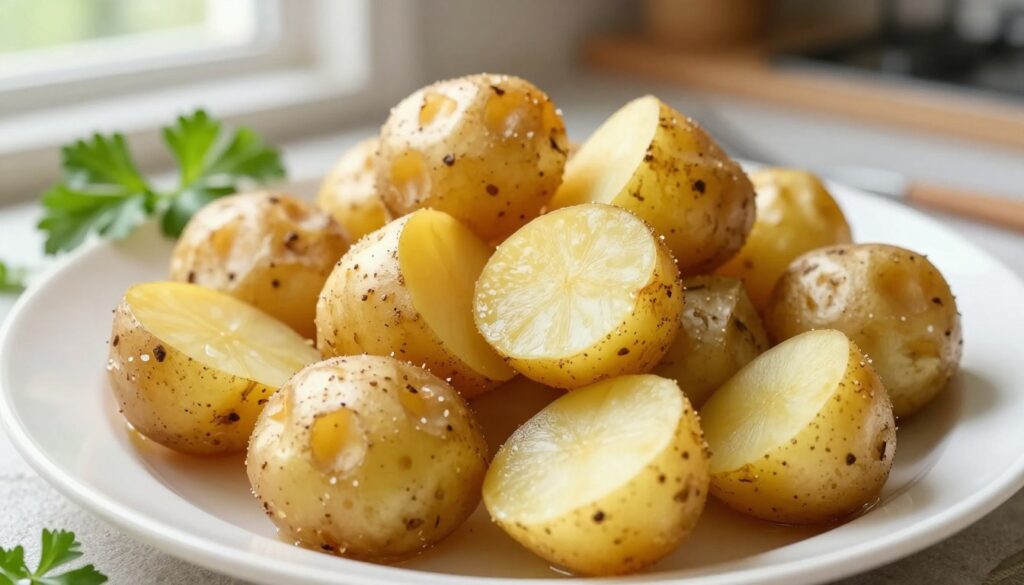
A plain, fully cooked potato can be a safe treat for most healthy dogs in small amounts. Make sure the potato is thoroughly cooked without any added fats, seasonings, or toppings. In this simple form, it can be a tasty energy source for dogs.
Why Preparation and Portion Size Matter
The relationship between dogs and baked potatoes is all about moderation. Never use a potato as a full meal for your dog. Think about these points when deciding to share:
- Portion Control: Only give a small, bite-sized piece to avoid digestive upset.
- Preparation: The potato must be baked or boiled until soft, never raw.
- Additives: Avoid butter, salt, sour cream, or chives, as they can be harmful.
How Your Dog’s Health Changes the Answer
While a healthy dog might handle a small piece of potato well, others face higher risks. Be careful if your dog has health issues. For example, dogs and baked potatoes are not good together if your pet has certain health problems.
Always talk to your vet if your dog has:
- Diabetes or blood sugar regulation issues.
- A history of pancreatitis or sensitive digestion.
- Obesity or weight management concerns.
- A strict, vet-prescribed therapeutic diet.
In these cases, even a small amount of starch can cause problems. Always put your dog’s health first, even if it means not sharing a snack. When unsure, choose treats made just for dogs.
What Makes a Baked Potato Safe or Unsafe for Dogs
When thinking about cooked potatoes for pets, how you prepare them is key. Potatoes can be good for dogs, but you must be careful. You want to make sure the potato is cooked right to avoid health problems.
Choose a Fully Cooked, Plain Potato
Make sure the potatoes are baked or boiled until they’re soft all the way through. Don’t give your dog potatoes with butter, salt, garlic, or onions. These can upset their stomachs. Only plain, unseasoned potatoes are safe for dogs.
Remove Green Areas, Sprouts, and Damaged Sections
Check the potato for any signs of rot before cooking. Cut off any green skin, sprouts, or bruised parts. These parts have more toxins. If a potato looks bad or has dark spots, throw it away to keep your pet safe.
Skip Raw, Undercooked, or Spoiled Potatoes
Raw potatoes are hard for dogs to digest and can make them sick. Raw or bad potatoes might have harmful bacteria or too much solanine. Make sure the potato is soft in the middle before giving it to your dog.
How Solanine Exposure Can Affect Your Dog
Solanine is in the nightshade family, including potatoes. Too much can make dogs vomit, have diarrhea, or feel tired. Avoiding green or sprouted potatoes helps prevent these problems.
Why Potato Skins Require Extra Caution
The potato skin has a lot of solanine, especially if stored wrong. If unsure about the potato, peel it. Peeling the skin makes cooked potatoes for pets safer.
“Proper preparation is the cornerstone of pet nutrition, ensuring that even simple human foods can be enjoyed safely by our canine companions.”
| Potato Condition | Safety Status | Action Required |
|---|---|---|
| Fully cooked, plain | Safe | Serve in moderation |
| Raw or undercooked | Unsafe | Do not serve |
| Green or sprouted | Toxic | Discard immediately |
| Seasoned or buttered | Unsafe | Do not serve |
Health Benefits of Baked Potatoes for Dogs
You might be surprised to learn that baked potatoes can be good for dogs. They should not be a main meal, but knowing their benefits can help. This knowledge helps you choose better treats for your dog.
Carbohydrates That Provide Energy
Potatoes are full of complex carbs. These carbs give energy slowly, which is great for active pets. Adding canine diet and baked potatoes in small amounts gives a quick energy boost. It’s better than processed fillers.
Fiber to Support Normal Digestion
The skin and flesh of a potato have dietary fiber. This fiber is key for regular bowel movements and a healthy gut. Proper fiber intake keeps your dog’s digestive system working well.
Potassium, Vitamin C, and Other Nutrients
Potatoes also have important vitamins and minerals. These include:
- Potassium: Helps muscles and nerves work right.
- Vitamin C: Boosts the immune system.
- Vitamin B6: Helps the brain and hormones.
Why Baked Potatoes Are Not a Complete Canine Diet
A potato is not enough for a balanced meal. True nutritious food for dogs needs proteins, fats, and amino acids. Potatoes don’t have these.
Using potatoes as a main food can cause nutritional problems. Always see them as a small treat, not a main part of your dog’s diet.
Risks of Dogs Eating Baked Potatoes
Potatoes are common in many homes, but it’s important to know the risks of dogs eating baked potatoes. Even simple preparations can lead to health problems if given in the wrong amount or to the wrong dog.
Digestive Upset From Too Much Potato
Feeding your dog too much potato can upset their stomach. Dogs digest food differently than humans. They might struggle with too much starch.
This can cause uncomfortable symptoms like gas, bloating, and loose stools. These problems often start right after they eat.
Weight Gain From Excess Calories and Carbohydrates
Potatoes are full of carbohydrates, giving dogs a quick energy boost. But, if your dog isn’t very active, these extra calories can lead to weight gain.
Regularly eating high-carb treats can make your dog overweight. Keeping your dog at a healthy weight is key for their joints and heart.
Blood Sugar Concerns for Dogs With Diabetes
Potatoes have a high glycemic index, causing blood sugar to rise quickly. This is a big worry for dogs with diabetes, as it can mess with their insulin levels.
Always talk to your vet before adding starchy foods to a diabetic dog’s diet. Even a small amount can cause big changes in their blood sugar.
Potential Problems for Dogs With Pancreatitis or Sensitive Digestion
Dogs with pancreatitis need a special diet, low in fat and certain fibers. While potatoes are low in fat, they can still be hard for sensitive stomachs to digest.
If your dog has digestive issues, even a little potato can cause problems. It’s best to avoid potatoes if your dog has a history of stomach problems.
Signs That Your Dog Is Not Tolerating Potato
Watch your dog closely if you give them a small piece of potato. Look out for these signs that they’re not doing well:
- Persistent vomiting or dry heaving
- Diarrhea or changes in stool consistency
- Visible abdominal discomfort or bloating
- Unusual lethargy or lack of energy
- Excessive gas or signs of nausea
Which Baked Potato Toppings Are Dangerous
A plain potato can be a treat for dogs. But, many common toppings are dangerous. It’s key to know the difference between a simple potato and a loaded one for humans.
Butter, Oils, and Fatty Toppings
Adding butter, margarine, or heavy oils makes a potato very fatty. This can cause pancreatitis in dogs. Pancreatitis is a painful and serious condition.
Even a little bit of these toppings can upset a dog’s stomach.
Salt and High-Sodium Seasonings
Never give dogs potatoes with table salt or garlic salt. Too much salt can cause dehydration and even salt poisoning. Make sure your dog’s food is plain and free of seasonings.
Cheese, Sour Cream, and Other Dairy Products
Dogs often have trouble digesting lactose, found in dairy. This can lead to gas, bloating, and diarrhea. It’s best to avoid dairy for your dog’s comfort.
Garlic, Onion, Chives, and Seasoning Blends
Garlic, onions, and chives are toxic to dogs. They can harm a dog’s red blood cells and cause anemia. Make sure your dog never eats a potato with these ingredients.
Bacon, Gravy, and Processed Meat Toppings
Processed meats like bacon and gravies are bad for dogs. They have too much sodium, preservatives, and unhealthy fats. If your dog eats something bad, call your vet or an animal poison center right away.
How to Prepare Cooked Potatoes for Pets
Adding potatoes to your dog’s diet can be healthy if done right. Follow a few easy steps to make sure your pet gets a safe food for dogs without risks.

Wash and Inspect the Potato Thoroughly
Start by washing the potato under cool water to get rid of dirt. Look for green patches, sprouts, or deep bruises. These are toxic, so cut them off to keep the potato safe for your dog.
Bake the Potato Until the Center Is Soft
Bake the potato until it’s fully cooked. Raw or undercooked potatoes can upset your dog’s stomach. Use a fork to check the center; it should be soft.
Cool It Completely Before Serving
Don’t give your dog a hot potato as it can burn their mouth. Let it cool down to room temperature first. This makes the treat safe and enjoyable for your pet.
Serve It Plain Without Added Ingredients
When making cooked potatoes for pets, keep it simple. Avoid adding butter, salt, sour cream, cheese, garlic, or onion. These can harm your dog and cause health problems.
When Removing the Skin Is the Safer Choice
While a clean potato skin is usually safe, sometimes it’s better to peel it. If the skin is damaged, green, or hard to clean, peel it. This removes the risk of your dog getting pesticides or harmful compounds.
How to Store Leftover Potato Safely
If you have leftover plain potato, store it in an airtight container in the fridge. Use it within two to three days for the best taste and quality. Always check for spoilage before feeding it to your dog, as safe food for dogs must be fresh and mold-free.
How Much Baked Potato Can Your Dog Have?
It’s important to know how much food your pet needs to stay healthy. When it comes to canine diet and baked potatoes, remember to keep it small. Think of it as a little extra, not the main meal.
Use Potato as an Occasional Treat or Meal Addition
Adding an occasional potato treat for dogs can make mealtime more exciting. But, it should never be the only thing they eat. It’s better as a small reward or a topping.
Match the Portion to Your Dog’s Size
The right dog potato portion size depends on your dog’s size and activity level. Since every dog is different, there’s no one-size-fits-all serving. Adjust the amount based on your dog’s breed and how active they are.
Small Dogs and Toy Breeds
Small dogs can get full from just a little bit of potato. A teaspoon of plain, cooked potato is usually enough for them. Start with a tiny piece to make sure they like it.
Medium, Large, and Giant-Breed Dogs
Bigger dogs can have a bit more, but still be careful. A tablespoon or two is usually the max for a large dog as a treat. Too much can upset their stomach or make them gain weight.
Keep Treats Within a Balanced Daily Calorie Allowance
Vets often suggest the “ten percent rule” for treats. This means treats, like potato, shouldn’t be more than ten percent of your dog’s daily calories. Staying within this range helps avoid nutritional problems and keeps your dog at a healthy weight.
Reduce the Portion for Dogs With Weight Concerns
If your dog is overweight or prone to gaining weight, skip the potato. Too many carbs can lead to health issues. Always talk to your vet before adding new foods, especially if your dog has health or weight concerns.
How to Introduce Baked Potato Into Your Dog’s Diet
Expanding your dog’s diet starts with safely introducing new foods. When adding cooked potatoes for pets, do it slowly. This ensures your dog adjusts well.
Start With a Small Plain Portion
Start with a tiny piece of plain, cooked potato. Don’t add butter, salt, or seasonings. This small amount helps you see how your dog reacts without upsetting their stomach.
Monitor Your Dog During the Next Twenty-Four Hours
Watch your pet closely for a full day after they eat the potato. Some dogs digest potatoes fine, but others might have a sensitive stomach. Consistent observation helps catch any issues early.
Watch for Vomiting, Diarrhea, Gas, or Itching
Be on the lookout for signs of potato intolerance in dogs during this time. Look for:
- Vomiting or persistent nausea
- Loose stools or diarrhea
- Excessive gas or bloating
- Itching, skin redness, or hives
- Lethargy or unusual behavior
Stop Serving Potato if Symptoms Develop
If you see any of these symptoms, stop giving potatoes to your dog right away. Don’t give them more, even a little bit, until you talk to a vet. Prioritizing your dog’s comfort is key when trying new foods.
When to Contact Your Veterinarian
Call your vet if your dog has severe vomiting, trouble breathing, or seems very uncomfortable. If symptoms last more than a day, get professional advice to check for health issues.
What Information to Share After Accidental Ingestion
If your dog eats a lot of potato or one with harmful toppings, be ready to tell your vet. Having this info helps them give the best care:
- The amount of potato your dog ate.
- Any added ingredients like garlic, onion, or too much salt.
- When your dog ate the potato.
- Your dog’s weight and any health history.
When Baked Potatoes Should Not Be on the Menu
Certain health conditions make the risks of dogs eating baked potatoes too high to ignore. A plain potato might seem harmless, but it can cause severe reactions in pets with health issues. Always talk to your vet before giving your dog new foods, especially if they have a health history.
Dogs With Diabetes or Blood Sugar Disorders
Managing dogs with diabetes and potatoes is very careful. Potatoes have a lot of starch, which can quickly raise blood sugar levels. This is dangerous for diabetic pets. If your dog has trouble with insulin, it’s best to avoid starchy veggies.
Dogs Following Veterinary Prescription Diets
If your dog is on a strict diet, you must stick to it. These diets are made to manage health issues and often don’t include human foods. Adding extra foods can upset the balance of nutrients and harm the treatment plan.
Dogs With Pancreatitis, Obesity, or Food Allergies
Dogs with pancreatitis need a low-fat diet to avoid pain. Even plain potatoes can be a problem if they add too many calories or strain the digestive system. Also, introducing a new food like potatoes can cause an allergic reaction in dogs with food allergies.
Dogs That Ate Green, Sprouted, or Heavily Seasoned Potato
Be careful about potato toxicity in dogs from solanine. This toxin is in green skins, sprouts, and raw potato eyes. Also, potatoes with garlic, onions, or too much salt are toxic and should not be given to pets.
Emergency Warning Signs Requiring Prompt Veterinary Care
If you think your dog ate too much potato or shows distress, get help fast. Look out for these critical symptoms that mean a medical emergency:
- Severe or persistent vomiting
- Sudden weakness or inability to stand
- Visible tremors or seizures
- Difficulty breathing or rapid panting
- Signs of collapse or loss of consciousness
- Marked abdominal pain or bloating
Conclusion
Deciding if dogs can eat baked potatoes is all about keeping things simple and safe. As your dog’s guardian, your choices affect their health every day.
Baked potatoes can be a treat for dogs, but they shouldn’t replace their regular food. High-quality dog food brands like Purina Pro Plan or Royal Canin are essential for their nutrition.
Stick to plain, cooked foods in your kitchen. Always check potatoes for green spots or sprouts before baking. These steps help keep your dog safe from harmful foods.
Watch your dog closely after they try new foods. If they act strangely or have digestive issues, call your vet right away. Getting expert advice is key to meeting your dog’s dietary needs. This way, your dog stays happy, healthy, and content with their treats.