Are Peanuts Bad for Dogs? Understanding the Potential Dangers
You look into those soulful eyes and only want the best for your furry friend. It’s natural to wonder if sharing a snack from your pantry is safe. Many owners ask, are peanuts bad for dogs, especially when their pet begs for a treat.
Peanuts belong to the legume family and grow above ground. They are not toxic, but they don’t give your pet the nutrients they need. Understanding the potential risks is key before sharing human food. You might still wonder, can dogs eat peanuts without health problems later.
Making informed choices protects your best friend from discomfort. We’ll look at how to make these dietary decisions with confidence and care.
Table of Contents
The Nutritional Profile of Peanuts for Canines
If you’re wondering, “can my dog have peanuts,” it’s key to understand their nutritional profile. These treats are popular among humans but are actually legumes, not tree nuts. This affects how they digest in dogs.
Essential Fats and Proteins
Peanuts are packed with plant-based protein and healthy fats. In the right amounts, they can boost your dog’s energy and coat health.
But, it’s crucial to control how much you give. Peanuts are high in fat, which can cause weight gain or pancreatitis if fed too much. Always consider the risks of overfeeding your pet.
Vitamins and Minerals Found in Peanuts
Peanuts also have vitamins and minerals that are good for dogs. They’re full of Vitamin E, which fights off free radicals, and B vitamins that help with metabolism.
When thinking about “can my dog have peanuts,” remember these nutrients are good but not crucial. Dogs usually get them from a well-balanced commercial diet. Here’s a table showing the main nutrients in raw, unsalted peanuts.
| Nutrient | Benefit for Dogs | Cautionary Note |
|---|---|---|
| Protein | Supports muscle maintenance | High caloric density |
| Healthy Fats | Promotes skin and coat health | Risk of weight gain |
| Vitamin E | Provides antioxidant support | Only needed in small doses |
| Magnesium | Aids in nerve function | Excess can cause digestive upset |
Are Peanuts Bad for Dogs: Assessing the Primary Risks
Many pet owners wonder if peanuts are bad for dogs. The answer is not just about nutrition. Peanuts are not toxic, but certain factors can harm your pet. Knowing these risks helps keep your dog safe.
The Danger of Aflatoxins in Peanuts
Aflatoxins are a big worry with peanuts. These toxins come from fungi that grow in warm, humid places. If your dog eats peanuts with these molds, it can get very sick.
The liver is especially at risk. Eating these toxins can cause liver damage or even organ failure. It’s hard to see or smell these molds. So, many owners don’t know they’re giving peanuts harmful to dogs. Make sure peanuts are fresh and stored in a cool, dry spot to avoid this risk.
Choking Hazards and Digestive Blockages
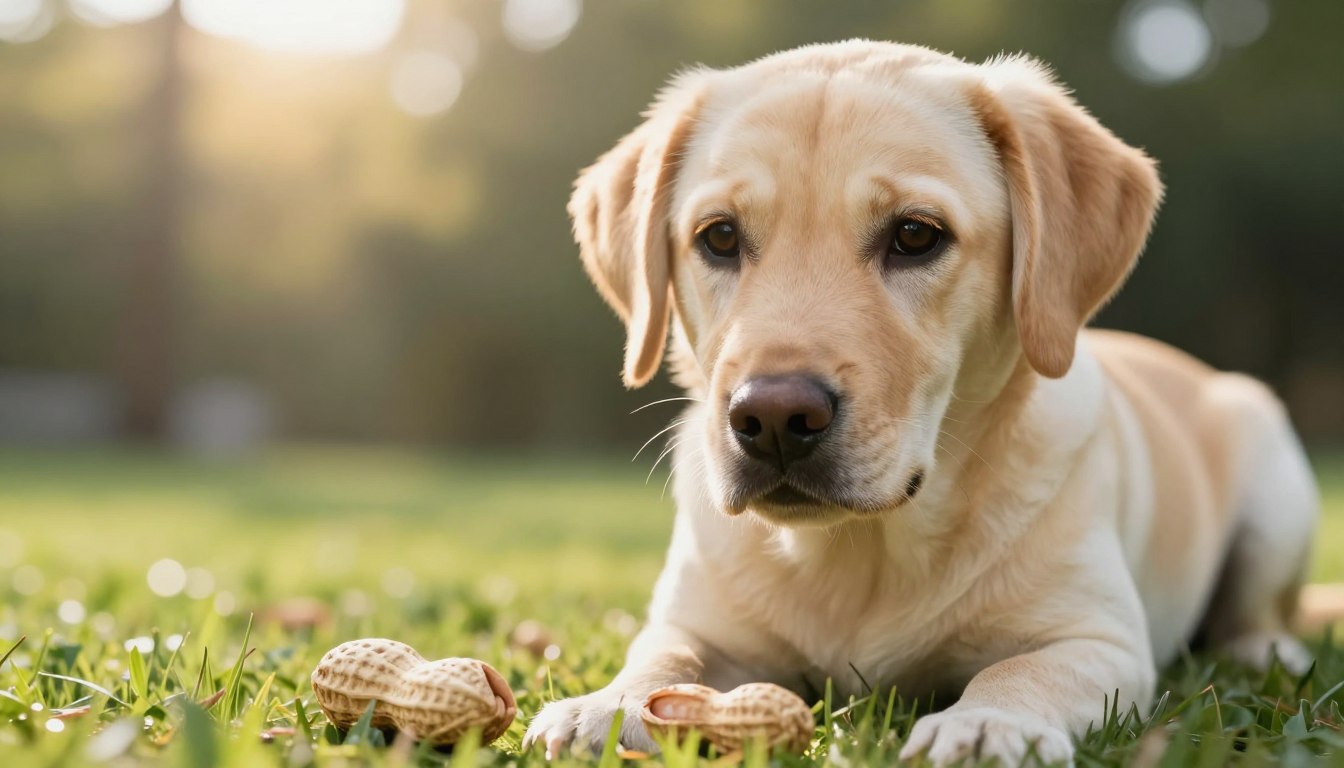
Peanuts can also be a physical danger. Dogs often swallow treats without chewing, which can choke them. This is a big risk for smaller dogs with narrow airways.
If a dog swallows a whole peanut, it can block their intestines. This is a serious problem that might need surgery. To avoid the risks of dogs eating peanuts, follow these tips:
- Always remove the shell, as it is a major choking hazard and can cause internal irritation.
- Offer only small, crushed pieces rather than whole nuts to prevent accidental swallowing.
- Monitor your dog closely the first time they try a new treat to ensure they handle the texture well.
Identifying and Managing Peanut Allergies in Dogs
Spotting a peanut allergy in dogs needs quick action and a sharp eye. Some pets can handle legumes just fine, but others react badly to peanut proteins. Catching these signs early keeps your pet safe and happy.
Common Symptoms of Allergic Reactions
Allergic reactions in dogs show up in different ways. You might see sudden skin irritation like red, itchy patches or hives. Sneezing or swelling around the mouth and muzzle are also signs.
Digestive issues are common too. Vomiting or diarrhea after eating treats could mean trouble. Watch for excessive grooming or paw licking, as these are signs of discomfort.
| Symptom Category | Mild Indicators | Severe Indicators |
|---|---|---|
| Skin | Mild itching | Hives and swelling |
| Respiratory | Occasional sneezing | Difficulty breathing |
| Digestive | Upset stomach | Persistent vomiting |
Steps to Take if Your Dog Has an Allergic Reaction
If your dog shows signs of an allergic reaction, stay calm and act fast. Remove any leftover food to stop more harm. Call your vet right away to get advice.
Don’t try to fix it with human meds without a vet’s say-so. Quick action is key to avoid serious problems. Keep your vet’s emergency number handy for fast help during a peanut allergy in dogs crisis.
The Hidden Dangers of Salt and Additives
While peanuts might seem simple, their processing can hide big dangers of peanuts to dogs. Many products have safe human ingredients but are toxic to pets. Knowing these risks is key for any dog owner.
Why Sodium Toxicity is a Concern
Salted peanuts are common but full of sodium. Too much salt can cause dangerous water retention and upset electrolytes. This is especially risky for dogs with heart issues, as it can be deadly.
If your dog eats a lot of salted nuts, look for signs like too much thirst or urination. In bad cases, it can cause tremors or seizures. Stick to plain, unsalted peanuts to avoid these dangers of peanuts to dogs.
The Lethal Risk of Xylitol in Peanut Products
The biggest warning for pet owners is xylitol, an artificial sweetener. It’s often in sugar-free peanut butter and snacks. Even a very small amount can drop your dog’s blood sugar fast.
This can lead to liver failure, which can happen quickly. Always check labels before giving peanut products to your pet. Being careful about these additives is the best way to protect your dog from serious dangers of peanuts to dogs.
Safe Ways to Incorporate Peanuts into Your Dog’s Diet
When it comes to dogs and peanuts safety, preparation is key. Many owners wonder if can dogs eat peanuts. The answer depends on how you prepare them. Giving the right snack can strengthen your bond with your pet during training.
Selecting the Right Type of Peanuts
Not all peanuts are safe for dogs. Choosing high-quality peanuts is crucial for your dog’s health and happiness.
- Always choose unsalted peanuts to avoid sodium toxicity.
- Opt for dry-roasted or raw varieties without any added oils or flavorings.
- Ensure all shells are completely removed, as they pose a significant choking hazard and can cause intestinal blockages.
“The simplest treats are often the safest. When in doubt, stick to plain, natural ingredients that you have prepared yourself.”
Recommended Serving Sizes for Different Breeds
Portion control is crucial because peanuts are high in fat. Even if you know can dogs eat peanuts, they should only be given as an occasional treat, not as a meal.
Consider your dog’s size and activity level when deciding how much to give. A good rule is to limit treats to no more than 10% of your dog’s daily calories.
| Dog Size | Recommended Limit | Frequency |
|---|---|---|
| Small Breeds | 1-2 peanuts | Occasional |
| Medium Breeds | 3-4 peanuts | Occasional |
| Large Breeds | 5-6 peanuts | Occasional |
Always watch your pet closely after introducing new foods. Keeping strict dogs and peanuts safety rules helps avoid digestive issues. It also keeps your dog excited for their next healthy snack.
Peanut Butter vs. Whole Peanuts: Which is Safer?
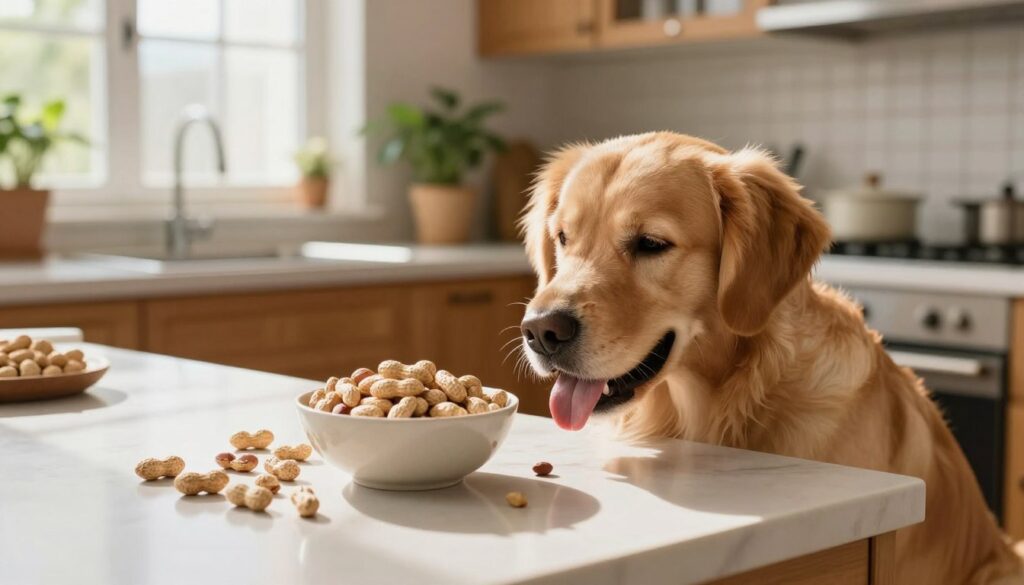
Choosing between whole peanuts and peanut butter is important for your dog’s health. Both come from peanuts, but they affect your dog differently. Knowing the differences helps you pick the safest treat for your dog.
Analyzing Texture and Choking Risks
Whole peanuts are a choking hazard for small dogs or those who eat fast. Their hard texture can also cause blockages in the intestines. Always watch your dog when giving them whole nuts.
Peanut butter is safer but still a calorie-dense food. It can cause pancreatitis if given too much. Its sticky nature means your dog should eat it slowly to avoid stomach problems.
Reading Labels for Dangerous Ingredients
Choosing safe peanut butter starts with reading labels. Many have Xylitol, which is toxic to dogs. Also, watch for too much salt and sugar, which can harm your dog’s health.
Opt for natural, unsalted peanut butter with just peanuts. This reduces the risks of dogs eating peanuts and keeps them safe. Always check the label to ensure your dog’s safety.
| Feature | Whole Peanuts | Peanut Butter |
|---|---|---|
| Choking Risk | High | Low |
| Digestive Blockage | Possible | Unlikely |
| Calorie Density | Moderate | Very High |
| Best Use | Occasional Treat | Enrichment Toys |
Signs of Peanut Toxicity and When to Call Your Vet
Knowing the signs of a bad reaction to peanuts can save your dog’s life. Many owners share snacks, but it’s key to know that peanuts harmful to dogs can show in many ways. Watching for small changes in your pet’s behavior is crucial to stop a small problem from becoming a big health issue.
Recognizing Gastrointestinal Distress
Most signs that your dog is in trouble are related to their stomach. If your pet has nausea, vomiting, or diarrhea after eating, watch them closely. These symptoms often mean dangers of peanuts to dogs, especially if the nuts were salty or processed.
A peanut allergy in dogs can cause more than just stomach upset. You might see your pet act tired, drool a lot, or not want to eat. If these signs last more than a few hours, call your vet right away to avoid dehydration or worse.
Emergency Protocols for Ingestion of Harmful Additives
If your dog eats something with xylitol, you need to act fast. Xylitol is a sweetener that’s very bad for dogs, even a little bit. If you think your dog ate something with xylitol, don’t wait for symptoms to call your local animal hospital.
When you get to the clinic, have the product label or ingredients list ready. This helps the vet team know how risky it is. Knowing about the dangers of peanuts to dogs and their additives helps you give the right info in a stressful situation.
| Symptom | Severity Level | Recommended Action |
|---|---|---|
| Mild Vomiting | Moderate | Monitor and call vet |
| Persistent Diarrhea | High | Seek urgent care |
| Lethargy or Collapse | Critical | Emergency clinic visit |
| Signs of Allergic Reaction | High | Consult vet immediately |
Always have your vet’s number and a pet poison control center’s number saved in your phone. Being ready for a peanut allergy in dogs lets you act fast. Remember, it’s always better to be too careful than to ignore signs that peanuts harmful to dogs can cause problems.
Common Myths About Dogs and Peanuts
Many dog owners are unsure about what their pets can eat. They worry that nuts, like peanuts, are harmful. But, knowing the facts about dogs and peanuts safety helps you make better choices for your dog.
Debunking Misconceptions About Peanut Safety
Some think all nuts are bad for dogs. But, peanuts are usually okay in small amounts. The real danger is in added ingredients like salt, sugar, or artificial sweeteners in processed foods.
Good nutrition is key for your pet’s health. Stick to whole, natural foods to avoid hidden dangers.
Always check for xylitol on labels, as it’s very harmful to dogs. Opt for raw or dry-roasted peanuts without extra stuff to ensure dogs and peanuts safety.
Clarifying the Difference Between Peanuts and Tree Nuts
People often mix up peanuts with tree nuts, but they’re not the same. Peanuts are actually legumes, like beans and lentils. This is important because dogs react differently to legumes than to true tree nuts.
This knowledge helps explain why some nuts are off-limits while peanuts can be a rare treat. The table below shows the main differences to keep your pet safe.
| Category | Botanical Family | Safety for Dogs |
|---|---|---|
| Peanuts | Legumes | Safe in moderation |
| Walnuts | Tree Nuts | Risk of mold/toxins |
| Macadamia | Tree Nuts | Highly toxic |
| Almonds | Tree Nuts | Choking hazard |
Knowing these differences helps manage your dog’s diet better. Always focus on dogs and peanuts safety by keeping your kitchen safe and only giving non-toxic foods.
Alternatives to Peanuts for Dog Treats
If you’re wondering, can my dog have peanuts, it’s safer to look at other healthy snacks. Many owners like to give treats, but it’s wise to pick options that are safe. This keeps your pet healthy and happy.
Adding different snacks to your dog’s diet can keep them interested and well-fed. It’s a great way to ensure they get all the nutrients they need.
Healthy Nut-Free Snack Options
Looking for something without the risks of legumes? There are many nut-free snacks that are tasty and healthy. Almond butter is a good choice because it has less lectins and aflatoxins. Make sure it doesn’t have xylitol, salt, or sugar before giving it to your dog.
Plain, air-popped popcorn is another great option. It’s low in calories and dogs love the crunchy texture. Just give it to them plain, without butter or salt.
Fruits and Vegetables That Provide Similar Benefits
Fresh fruits and veggies are full of good stuff for your dog. Carrots are a fantastic choice because they’re crunchy and clean teeth. They’re also sweet and dogs of all sizes like them.
Blueberries and apple slices are also great. They’re full of antioxidants and fiber, which help with health and digestion. But, don’t give your dog apple seeds or cores because they can be toxic.
Adding these snacks to your dog’s routine is a safe way to reward them. These healthy options give them variety without the risk of bad additives or allergies. Your dog will enjoy the new flavors, and you’ll know they’re eating well.
Conclusion
Feeding your dog is a mix of love and careful watching. While peanuts can be a quick snack, your main goal is your dog’s long-term health and safety.
You are key in keeping your pet safe from dangers like xylitol or too much sodium. Always check labels on brands like Jif or Smucker’s to make sure they don’t have harmful additives. Giving small, plain, and unsalted portions is the safest way to share this treat.
Your vet is your go-to for food questions. If your dog acts strangely or seems sick after trying a new food, call your vet. Taking care of your pet ahead of time keeps them happy and healthy for a long time.
Share your stories with us about the healthy snacks your dog loves. Talking with other pet owners helps build a community that cares about dog health. Keep learning about the right food to give your furry friend the best life.