Best Low Fat Dog Food for Pancreatitis: Diet Tips and Top Options
Seeing your pet sick is very sad. It makes you feel like you can’t do anything to help. When your dog gets pancreatitis, every meal is very important. You want to make them feel better and help their body heal.
Choosing the right food is key to managing pancreatitis. The best low fat dog food helps their organs work less hard. This simple change is a big step towards getting better and avoiding more problems.
Finding the right food can be hard when you’re already worried. Knowing how different foods affect your pet helps you make better choices. We’re here to help you make the right changes to keep your pet healthy for a long time.
Table of Contents
Understanding Pancreatitis in Dogs and the Role of Nutrition
Your dog’s pancreas health is tied to their diet. An inflamed pancreas can cause a lot of pain for your pet. A low fat diet for dogs is key to managing this condition and preventing future problems.
The Biological Impact of Fat on the Pancreas
The pancreas is vital for digestion, secreting enzymes to break down food. Normally, these enzymes stay inactive until they reach the small intestine. But, eating too much fat can make them activate too early in the pancreas.
This early activation makes the pancreas digest itself. It leads to inflammation, swelling, and severe pain. Keeping your dog’s fat intake low is crucial to prevent this damage.
Recognizing Symptoms and Seeking Veterinary Care
Spotting pancreatitis symptoms early is vital for your dog’s recovery. If you see sudden changes in your pet, call your vet right away. Look out for:
- Persistent vomiting or dry heaving
- Extreme lethargy or weakness
- A hunched posture, often indicating abdominal pain
- Decreased appetite or refusal to eat
- Diarrhea or signs of digestive distress
Why a Low Fat Diet is Essential for Recovery
After a diagnosis, your vet will suggest a low fat dog food for pancreatitis. This diet is crucial because it eases the pancreas’s workload. By cutting down on fat, you stop the organ from making too many enzymes that cause inflammation.
A controlled diet is like medicine for your dog. It helps the inflamed tissue heal. Stick to the diet, as high-fat treats can set back recovery. Good nutrition is essential for your dog’s health and happiness.
Criteria for Selecting the Best Low Fat Dog Food for Pancreatitis
Finding the right food for a sensitive stomach starts with reading the guaranteed analysis. When looking for low fat dog food for pancreatitis, the label is key. It tells you if the food is safe for your pet. Look beyond the front of the bag to see what’s really inside.
Analyzing Guaranteed Analysis Labels for Fat Content
The guaranteed analysis on a pet food bag shows nutrient percentages. But these numbers can be tricky. They’re based on food weight, not calories. A product might seem low in fat but could be highly caloric, stressing the pancreas.
To manage a pancreatitis diet for dogs well, check fat content by calories. This keeps the energy from fat low. Always talk to your vet to find the right fat percentage for your dog.
The Importance of Digestibility and Protein Quality
Digestibility is how well your dog absorbs nutrients. With a compromised pancreas, breaking down food is hard. Choose a food with highly digestible proteins to ease your dog’s digestive load.
Quality proteins help keep muscles strong without extra strain. Look for easy-to-digest ingredients like lean poultry or hydrolyzed proteins. These provide essential amino acids gently and efficiently.
Avoiding Common Triggers and Inflammatory Ingredients
Some ingredients can trigger inflammation in sensitive dogs. Be careful to avoid fillers, artificial preservatives, and high saturated fats. These can cause sudden flare-ups.
When picking a low fat dog food for pancreatitis, check the ingredients for hidden fats. Also, avoid treats or additives with high oils. By carefully choosing a pancreatitis diet for dogs, you help your pet heal and thrive.
Top Recommended Low Fat Dry Kibble Options
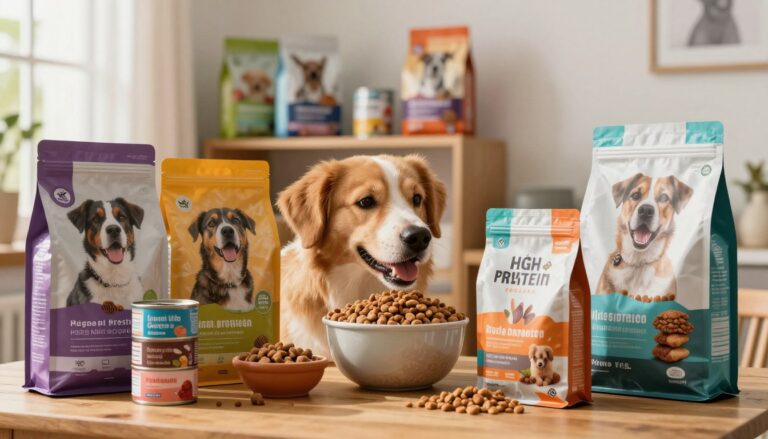
If you’re looking for a recommended low fat dog food, you’ve probably seen two top brands. These special formulas help reduce pancreas work while keeping your pet well-nourished.
Choosing the best low fat dog food means knowing how these diets help with digestion. Both options are vet-approved for dogs recovering from inflammation.
Royal Canin Veterinary Diet Gastrointestinal Low Fat
Overview
This diet is made for dogs needing a low-fat, easy-to-digest food. It aims to ease the pancreas’s work while giving your dog all the nutrients they need.
Pros
- It’s very tasty for dogs who don’t want to eat much.
- It has prebiotics to keep the gut healthy.
- Precise fat levels to stop flare-ups.
Cons
- You need a vet’s prescription to buy it.
- It costs more than regular dog food.
Features
The diet has a mix of fibers and easy-to-digest proteins. It’s specifically formulated for dogs with digestive issues.
Hill’s Prescription Diet i/d Low Fat Digestive Care
Overview
Hill’s i/d Low Fat is a recommended low fat dog food that soothes the digestive system. It has a special mix to improve stool quality and nutrient absorption.
Pros
- It’s proven to reduce digestive problems.
- It has omega-3 fatty acids for inflammation.
- Excellent digestibility for sensitive stomachs.
Cons
- The kibble size might not fit all breeds.
- Some dogs might not like the taste as much.
Features
This food uses ActivBiome+ technology to support gut bacteria. It’s a best low fat dog food because it balances low fat with high-quality protein for muscle health.
Premium Low Fat Wet Dog Food Selections
Adding premium low fat dog food to your pet’s diet is key for hydration and gentle nutrition. Dogs with pancreatic issues often lose their appetite. Wet food is more appealing, helping them eat regularly during recovery.
Purina Pro Plan Veterinary Diets EN Gastroenteric Low Fat
Overview
This formula is made for dogs with digestive problems. It’s designed to be easily digested and low in fat to avoid pancreatitis.
Pros
- Highly palatable for dogs with reduced appetites.
- Contains prebiotic fiber to support gut health.
- Formulated by veterinary nutritionists.
Cons
- Requires a veterinary prescription for purchase.
- Higher cost compared to standard grocery store brands.
Features
This low fat wet dog food has a special mix of high-quality proteins and low-fat ingredients. It’s gentle on the digestive system, ensuring your dog gets the nutrients they need without stressing the pancreas.
Blue Buffalo Natural Veterinary Diet GI Support
Overview
Blue Buffalo’s GI support formula is a natural choice for dogs needing low fat. It focuses on natural ingredients and meets the nutritional needs for managing the pancreas.
Pros
- Uses high-quality, lean protein sources.
- Free from common artificial preservatives.
- Excellent for long-term digestive maintenance.
Cons
- Availability may be limited to veterinary clinics or specialized retailers.
- Some dogs may prefer the texture of other brands.
Features
This diet is a top choice for best low fat dog food. It includes a special fiber blend for healthy stools. It offers balanced nutrition, helping your dog stay energetic while keeping fat intake low.
Choosing between wet food only or a mix depends on your dog’s needs and vet advice. Many owners mix wet food with kibble to boost intake. Always watch your dog closely when trying new foods to ensure they digest well.
Natural Low Fat Dog Food Alternatives and Home-Cooked Options
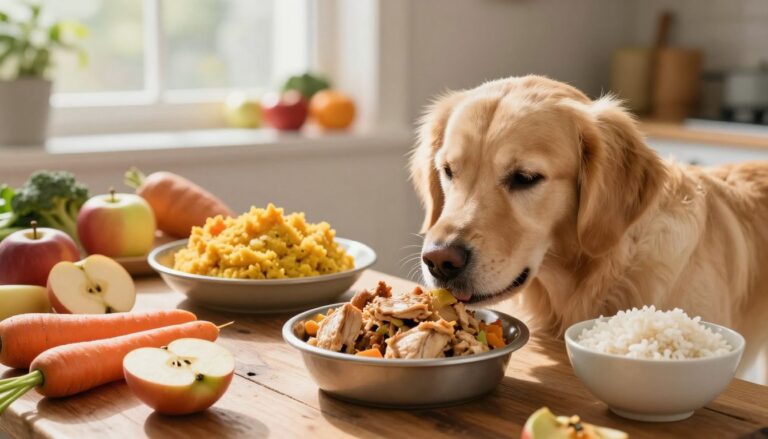
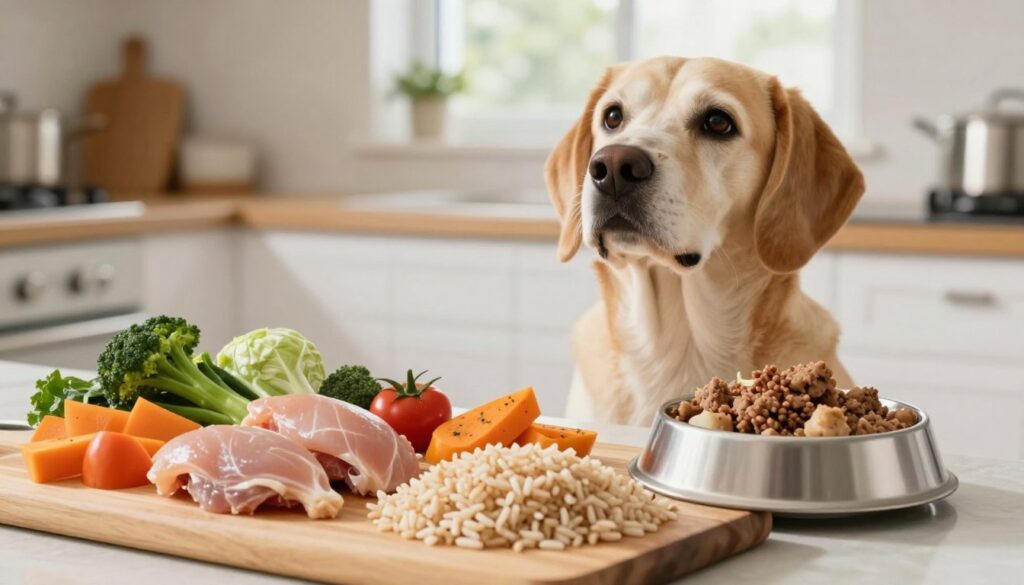
Switching to homemade meals can be very rewarding for dogs with sensitive stomachs. Many owners find it easier to control what their pets eat. Using natural low fat dog food ingredients helps avoid additives found in processed foods.
Benefits of Whole Food Ingredients for Sensitive Stomachs
Whole foods are packed with nutrients that are easy for dogs to digest. They help reduce inflammation. Choosing fresh, unprocessed foods is best for dog food for sensitive stomachs because they don’t have fillers or preservatives.
Whole ingredients let you know exactly what your dog eats. Simplicity is key when a dog’s pancreas is stressed. A simple, whole-food diet can calm the digestive system and improve nutrient absorption.
Safe Lean Proteins for Pancreatitis Management
When cooking, choose very lean proteins. Boiled chicken breast without skin is a safe choice. White fish like cod or pollock is also a good, low-fat option.
Make sure to remove all visible fat before cooking. Steaming or boiling is best because they don’t need extra oils. Stay away from fatty meats to avoid painful flare-ups.
Consulting Your Veterinarian Before Changing Diets
Home-cooking is tempting, but it can be risky if not done right. You might miss out on important nutrients. Always talk to your vet before starting a natural low fat dog food diet.
A vet nutritionist can create a balanced recipe for your dog. They make sure the meal is safe and meets all health needs. Never try to balance a diet on your own without a vet’s help to avoid health problems.
Managing Your Dog’s Diet During a Pancreatitis Flare-Up
Feeding your pet right is as crucial as what you feed them during an acute episode. A pancreatitis diet for dogs is key to healing. But, it needs your careful attention to work well. By following a strict plan, you can ease your dog’s pain and stop it from getting worse.
Transitioning to a New Diet Safely
Don’t change your dog’s food suddenly when your vet says it’s time. A quick switch can upset their stomach and make things worse. Instead, mix the new food with their old food over a few days. This lets their body get used to the new stuff.
- Start by mixing 25% of the new food with 75% of the old food.
- Slowly increase the ratio of the new food over a period of 5 to 7 days.
- Observe your dog closely for any signs of vomiting or increased lethargy during this process.
The Role of Small, Frequent Meals
Big meals can be hard on your dog’s pancreas. It’s better to give them small meals all day. This way, their pancreas doesn’t get overwhelmed by too much food at once.
Try breaking your dog’s daily food into four or five small meals. This is a key part of a low fat diet for dogs. It helps them get the nutrients they need without straining their pancreas.
Monitoring Your Dog’s Response to New Food
Watching your dog closely is very important when they’re recovering. Keep a simple log of their daily habits. This helps you see if the low fat diet for dogs is working right.
- Stool Quality: Look for firm, consistent stools rather than loose or greasy ones.
- Energy Levels: A gradual return to normal playfulness is a positive sign of recovery.
- Appetite: Ensure your dog is eating their meals with interest but without urgency or discomfort.
If your dog’s health starts to go back down, call your vet right away. Changing a pancreatitis diet for dogs needs careful handling. Your vet is the best person to help you keep your dog healthy in the long run.
Common Mistakes to Avoid When Feeding a Dog with Pancreatitis
Keeping your dog’s pancreas safe is more than just picking the right food. You must control everything they eat closely. Even small diet changes can cause severe discomfort and serious health issues. Knowing these common mistakes is the first step to keeping your pet safe and healthy.
The Dangers of Table Scraps and High-Fat Treats
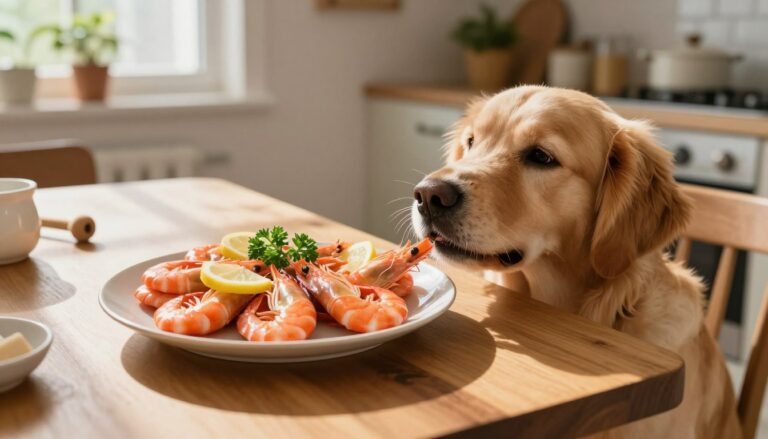
It’s tempting to share your dinner, but table scraps can be harmful. Even a small amount of fatty meat or cheese can cause an immediate inflammatory response in a sensitive pancreas. You must be firm and make sure no one gives your pet unauthorized snacks.
Why Over-the-Counter Foods Often Fail
Many foods on store shelves are not good for dogs with pancreatic issues. They often have hidden fats that are too high for your pet. It’s important to use premium low fat dog food because it’s tested to keep fat levels safe.
Even if kibble looks healthy, its fat content might be too high for a sensitive stomach. Always check the guaranteed analysis on the label, not just the marketing claims. Choosing a dog food for sensitive stomachs ensures your pet gets the right nutrition without risks.
Ignoring Hidden Fats in Supplements and Chews
Many owners forget that treats, dental chews, and supplements can have a lot of fat. Products meant to clean teeth or improve coat health often have animal fats or oils. These can wreak havoc on a recovering pancreas. Always check the ingredient list for hidden fats before giving any chew or supplement.
If you’re unsure about a product, talk to your vet before adding it to your dog’s diet. It’s better to be safe than sorry. Consistency is the key to managing your dog’s health and preventing future problems.
Lifestyle Tips to Support Long-Term Pancreatic Health
Your daily habits are key to your dog’s pancreatic health. Nutrition is the base, but a full approach helps reduce stress and keeps your dog happy. Small changes at home can greatly improve your dog’s life.
Maintaining a Healthy Weight Through Portion Control
Being overweight can lead to pancreatitis. Keeping your dog at a healthy weight is crucial. Work with your vet to find the right calories for your dog’s size and activity level.
Use a kitchen scale for meals to avoid extra calories. Even a little extra food can cause weight gain and pancreatitis risk. Stick to the recommended low fat dog food guidelines from your vet or the packaging.
“An ounce of prevention is worth a pound of cure, especially when it comes to managing chronic digestive conditions in our pets.”
The Importance of Hydration and Digestive Support
Drinking enough water is key for digestion and organ health. Make sure your dog always has fresh, clean water. If they don’t drink enough, try low fat wet dog food to help.
Some dogs need digestive help, like probiotics or enzymes. These can balance gut bacteria and help digest food better. Always check with your vet before adding new supplements to your dog’s diet.
Regular Veterinary Check-ups and Bloodwork
Regular vet visits are crucial for catching problems early. Bloodwork lets your vet check enzyme levels and organ function. These visits help adjust care as your dog ages.
Keep a log of your dog’s energy, appetite, and stool. Share this with your vet to catch small changes early. Regular communication with your vet is key for your dog’s long-term health.
Conclusion
Managing canine pancreatitis needs a lot of effort. You must stick to a diet plan and keep a close eye on your pet’s health. Choosing the right food is key to making your pet more comfortable.
Brands like Royal Canin, Hill’s Prescription Diet, and Purina Pro Plan have special formulas. These are made to ease the stress on your pet’s pancreas. Using these vet-approved foods helps avoid bad fats in regular treats and table scraps.
Working closely with a vet is crucial. Regular blood tests and check-ups help you catch problems early. This way, you can make changes before things get worse. Together, you can keep your dog’s quality of life high, even with pancreatitis.
Being careful and consistent pays off. By following a strict diet and choosing lean proteins, you lower the chance of pancreatitis coming back. Your dedication creates a safe space for your dog to live happily and healthily for many years.