Small Dog Species and the Cutest Dog Breeds Around the World
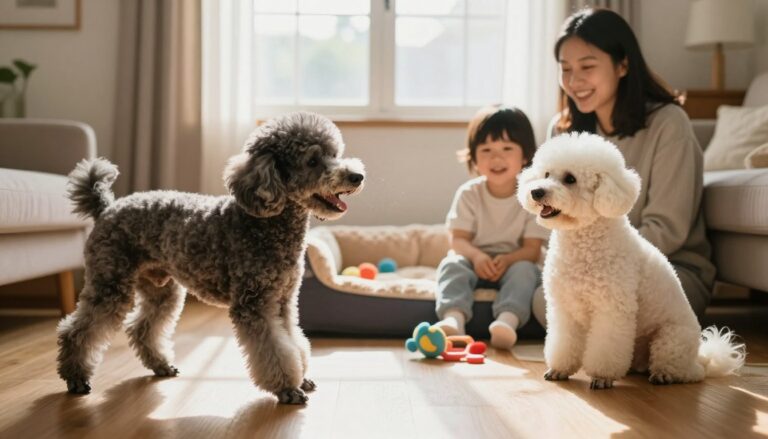
When a furry friend walks into your home, it feels special. You know that every pet brings a unique personality into your life. This creates strong bonds that last for years.
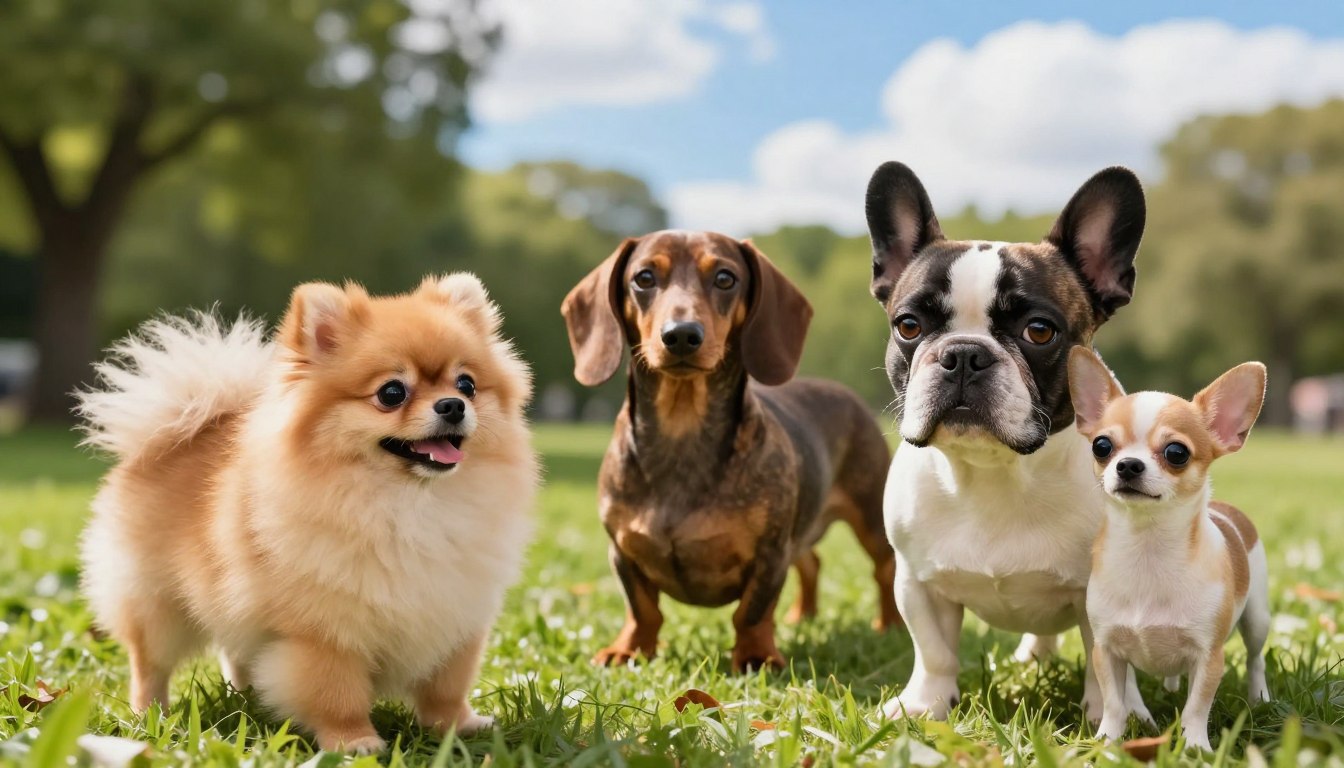
Many people look for a small dog species. But it’s important to remember that these are recognized breeds, not separate groups. Whether you want a playful terrier or a calm companion, knowing their background helps you find the right one.
Looking into the world of tiny dog species shows a wide range of traits. From spaniels to brachycephalic types, our guide helps you choose. We focus on temperament, health needs, and your home environment.
Choosing the right pet is a big decision. It affects your daily life. We’re here to make sure you feel confident and prepared to welcome a new family member.
Table of Contents
What “Small Dog Species” Means in Everyday Dog Terminology
Many people look for a specific small dog species. But, all domestic dogs belong to the same group. They are all classified as Canis lupus familiaris, from Great Danes to Chihuahuas.
Why Most Small Dogs Are Breeds Rather Than Separate Species
Dogs come in different sizes and looks because of selective breeding. Breeders have worked for thousands of years to create the variety we see today. Even though they are all the same species, size differences make breeding them impractical or unsafe.
When you search for a pet, you’re looking at different miniature dog breeds. Each breed has its own history, personality, and needs. Knowing this helps you choose the right dog for your life.
How Toy, Miniature, Teacup, and Small Breed Labels Differ
Size labels help people understand what to expect from dogs. “Toy” breeds are the smallest, often weighing under 10 pounds. “Miniature” refers to a smaller version of a larger breed, like a Miniature Poodle.
These labels guide us, but they’re not scientifically strict. They’re more like descriptive categories. Always check the breed standard to know your pet’s expected size.
Why “Teacup” Is Not an Official Size Classification
Ads for “teacup” dogs are common, but “teacup” is not a real size category. No major kennel club recognizes it. Breeders use it to describe dogs that are smaller than the breed standard.
Unfortunately, these dogs often have serious health issues because of their size. Petite dog varieties should be bred for health and personality, not just size. Always choose the animal’s well-being over a catchy label.
Typical size ranges for petite dog varieties
Most small dogs are suitable for indoor living due to their size. While sizes vary, the table below gives a general idea of what owners and breeders see.
| Category | Typical Weight Range | Common Characteristics |
|---|---|---|
| Toy | Under 10 lbs | Very compact, lap-oriented |
| Miniature | 10–20 lbs | Sturdy, active, portable |
| Small Breed | 20–30 lbs | Energetic, versatile, robust |
Why adult weight and body structure matter more than marketing terms
When picking a dog, focus on adult weight and body structure, not just names. A dog’s health depends on its size and how well its body supports it. Responsible breeders will share info on parents’ size and health.
Looking at a dog’s structure ensures a better life for it. Always choose long-term health over a small size. This makes for a happier life for you and your pet.
How to Choose Small Dog Species for Your Lifestyle
Choosing the right pet means matching your lifestyle with the needs of tiny canines. Many think small dogs need less activity, but this isn’t true. You need to check if your daily life fits your new pet’s needs.
Matching Energy Levels With Your Daily Routine
Some think small breed dogs are lazy. But, many are full of energy and need lots of activity. Think about if you want a dog to join you on hikes or just relax with you.
Choosing a Small Breed for an Apartment or Smaller Home
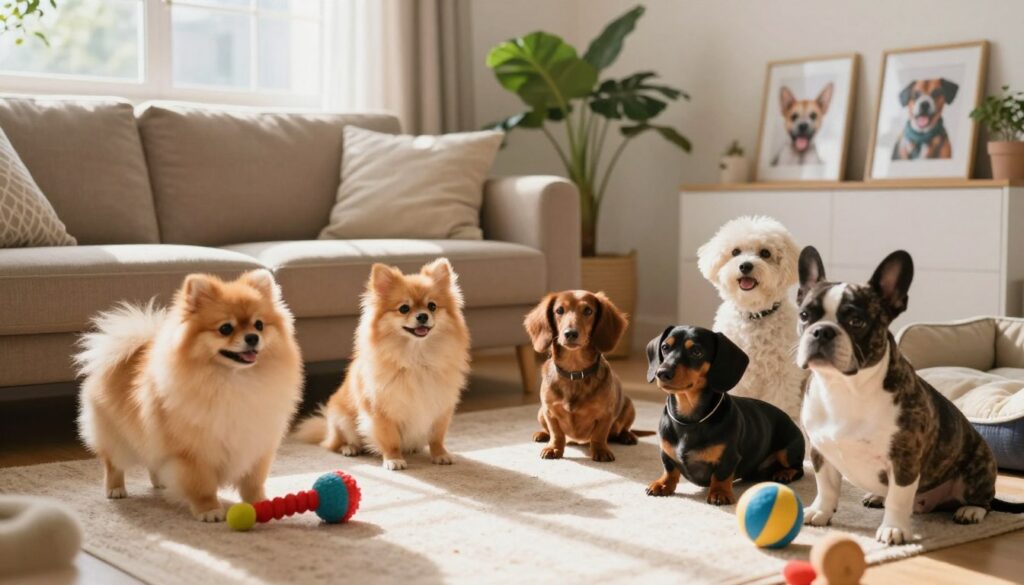
You can still have a dog in a small space if you pick the right one. Look for breeds that are easy-going and quiet. A regular routine will make your pet feel safe, no matter the size of your home.
Finding a Dog That Fits Your Experience and Training Time
How good you are at training dogs is key. Some breeds learn fast, while others need more patience. Choose a breed that matches your training skills.
Companion breeds for quieter households
If you like a peaceful home, pick a calm dog. These dogs are gentle and don’t get upset by noise. They love lots of love and steady interaction.
Tiny canines that need more exercise and mental stimulation
Some tiny canines are very smart and need lots of mental games. Without these, they might get bored and act out. Make sure to spend time with them every day to keep them happy.
Considering Children, Cats, and Other Dogs
Busy homes need dogs that get along with everyone. Some dogs might chase cats or small pets. Choose a dog that’s patient and friendly, especially if you have kids.
| Breed Type | Energy Level | Training Needs | Best Environment |
|---|---|---|---|
| Companion | Low to Moderate | Basic | Quiet Apartments |
| Terrier | High | Advanced | Active Households |
| Toy | Moderate | Moderate | Family Homes |
| Working | Very High | High | Large Spaces |
Adorable Toy Breeds With Big Personalities
Many people love miniature dog breeds for their big hearts in small bodies. These dogs show that size doesn’t matter when it comes to spirit or love. They fit well into any home, whether it’s a city apartment or a house with a yard.
Chihuahua: The World’s Smallest Recognized Dog Breed
Personality, exercise, and training needs
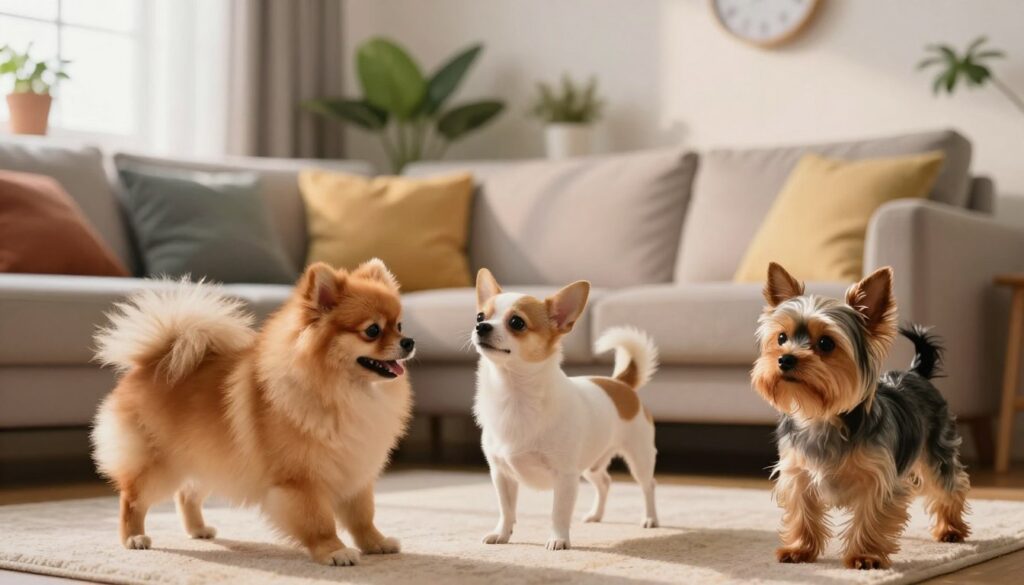
The Chihuahua is the smallest dog breed known worldwide. They are fiercely loyal to their owners. But, they need regular training to avoid being too protective or bossy.
Cold-weather and dental-care considerations
Chihuahuas are very sensitive to cold. They need sweaters or coats in winter. Also, dental care is crucial because their small mouths can get crowded and plaque easily.
Pomeranian: A Fluffy, Alert, and Lively Companion
Coat maintenance and barking tendencies
Pomeranians have thick coats that need daily brushing to prevent matting. They are naturally alert and may bark at strangers or unusual sounds. Early socialization helps manage their barking.
Best home environments for this energetic breed
This breed loves attention and mental stimulation. They are great for active people who enjoy short play sessions. Their lively nature makes them a joy in any home.
Yorkshire Terrier: A Tiny Terrier With a Confident Nature
Grooming demands and trainability
The Yorkshire Terrier is a small dog with a big personality. Their long hair needs daily grooming to stay healthy. They are smart but can be independent, so use positive reinforcement during training.
How to channel its prey drive safely
Yorkshire Terriers have a strong prey drive and may chase small animals. Always keep them on a leash. Puzzle games can satisfy their hunting instinct safely.
Papillon: An Intelligent Dog With Distinctive Ears
Why this breed excels at training and canine sports
The Papillon is known for its butterfly ears and sharp mind. They are among the most trainable little dog breeds. They excel in agility and obedience trials because they love to please.
Social needs and suitable activity levels
These dogs are very social and don’t like being alone. They need daily exercise, making them perfect for outdoor walks. Consistent companionship is key to their happiness.
Charming European Small Breed Dogs
European small breed dogs have lived with humans for centuries. They’ve gone from royal palaces to city apartments. These small breed dogs bring history, personality, and friendship to homes in the United States.
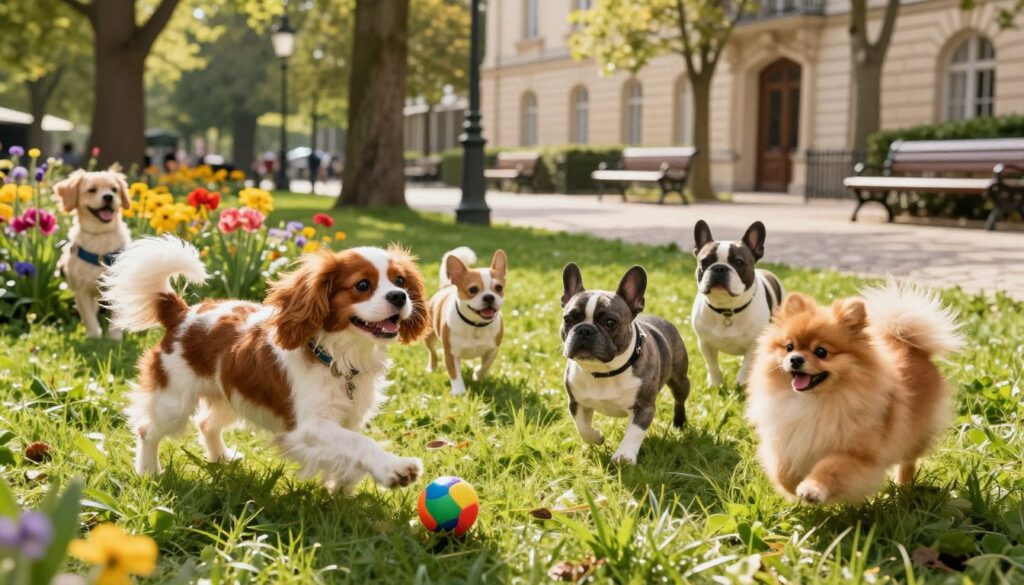
Cavalier King Charles Spaniel: A Gentle Family Companion
Affectionate temperament and exercise requirements
The Cavalier is known for being sweet and gentle. They love being around people and need regular walks or playtime.
Health screening questions to ask breeders
These dogs can have heart and brain problems. Always ask for health checks on the parents.
French Bulldog: A Compact, Social, and Adaptable Breed
Why this breed suits many urban homes
French Bulldogs are perfect for city living. They’re quiet and don’t need much exercise, making them great for small spaces.
Breathing, heat, and exercise safety
They have trouble with heat. Keep them cool in summer and avoid hard exercise when it’s hot.
Dachshund: A Long-Bodied Breed With a Bold Personality
Standard, miniature, and wirehaired varieties
Dachshunds come in many sizes and types. They have a bold spirit, no matter their size or coat.
Back protection, weight management, and stair safety
They can get back problems. Keep them from jumping and use ramps for stairs.
Maltese: A Petite White-Coated Companion
Low-shedding coat care and eye-stain management
Maltese are great for those who don’t like shedding. But, their hair needs daily brushing, and eye cleaning is a must.
Separation concerns and positive training
They bond strongly with owners and can get anxious when alone. Positive training helps them feel secure.
“The smallest of all dogs, the Maltese, is a creature of pure affection that demands nothing more than your presence.”
| Breed | Primary Trait | Best For |
|---|---|---|
| Cavalier | Affectionate | Families |
| Frenchie | Adaptable | Urban Living |
| Dachshund | Bold | Active Singles |
| Maltese | Loyal | Homebodies |
Choosing a petite dog variety needs careful thought. Their size is nice, but they need proper care and vet visits to thrive.
Distinctive Small Dog Breeds From Asia and the Americas
These compact dog species from Asia and the Americas pack a lot of personality. Each breed has its own history, affecting its mood, grooming needs, and how much it needs to move. Knowing these differences helps you care for your dog the best way.
Shih Tzu: A Friendly Companion With Ancient Chinese Roots
Grooming options and indoor exercise needs
The Shih Tzu is a classic lap dog that loves people. Their long coats need daily brushing to avoid mats. Many choose a shorter “puppy cut” for easier grooming and comfort.
Managing heat and maintaining facial hygiene
These dogs don’t like hot weather because of their flat faces. Keep them cool in air-conditioned spaces. Also, clean their eyes and nose to prevent infections.
Japanese Chin: A Quiet and Graceful House Dog
Temperament and sensitivity to training methods
The Japanese Chin is quiet and graceful, like a cat. They do best with positive reinforcement training. They’re very sensitive to your voice, so gentle training works best.
Why moderate activity is usually sufficient
This breed doesn’t need a lot of exercise. A short walk and some indoor play keep them happy. They’re great for those who want a calm pet.
Pekingese: A Dignified Breed With a Strong Independent Streak
Coat care and household compatibility
The Pekingese is regal and needs a lot of coat care. Their thick coat must be brushed regularly. They do well in quiet homes where they can be the center of attention.
Breathing and heat precautions for flat-faced dogs
As a brachycephalic breed, the Pekingese has breathing issues. Avoid hard exercise in the heat to keep them safe.
“A dog is the only thing on earth that loves you more than he loves himself.” — Josh Billings
This quote reminds us to protect their well-being by managing their environment carefully.
Havanese: A Sociable Cuban Breed for Engaged Owners
Trainability, playfulness, and family life
The Havanese is cheerful and smart, loving to learn tricks. They’re playful and bond with the whole family. They’re perfect for active homes.
Coat upkeep and the need for companionship
Their silky coat needs regular grooming to prevent tangles. They don’t like being alone for long. They enjoy being part of your daily life.
Boston Terrier: A Compact American Breed With Comic Charm
Exercise balance and interactive play
The Boston Terrier is lively and loving. They love playing games like fetch or tug-of-war. It’s important to balance their play with rest to keep them healthy.
Potential breathing and eye-care concerns
Like other flat-faced breeds, Boston Terriers need careful exercise monitoring. Their big eyes are prone to injury or irritation. Keep their area clean and avoid dusty places to protect their vision.
Small Dog Breeds for Different Home and Activity Preferences
Choosing the right dog is more than just looking at size. The temperament and energy levels of a dog are key for happiness. Knowing your daily routine helps find the best fit for your home.
Best Small Breed Dogs for Apartment Living
You can still have a dog even if you live in a small space. Many small breed dogs are great for apartments. They don’t need a big backyard to be happy.
Traits that matter more than size alone
For an apartment, choose breeds that are quiet and adaptable. Consistency in training is crucial. Look for dogs that enjoy indoor play and short walks.
Petite Dog Varieties for Active Owners
If you love outdoor activities, you need a dog that can keep up. Many petite dog varieties have lots of energy and love life. They’re perfect for people who are always on the move.
Breeds suited to walks, games, and beginner sports
Some breeds are great at agility or obedience training. These dogs love learning new tricks and playing games. Make sure your chosen breed can handle your favorite activities.
Little Dog Breeds for Families With Children
Finding the right little dog breeds for a family home is important. Look for dogs that are patient, gentle, and social. They should be able to handle the excitement of a household with kids.
Why supervision and respectful handling are essential
Teach children how to safely interact with small pets. Respectful handling prevents injuries and builds trust. Always supervise play to keep it calm and positive.
Small Dogs for Seniors and Less Active Households
For a quieter life, a calm and affectionate dog is best. Many dogs are happy to relax with you rather than running around.
Balancing manageable exercise with companionship needs
Choose breeds that value human connection over intense exercise. A short walk a day is enough for these dogs. Consistent companionship is what they value most.
| Lifestyle Need | Recommended Traits | Activity Level |
|---|---|---|
| Apartment Living | Quiet, Adaptable | Low to Moderate |
| Active Lifestyle | Stamina, Playful | High |
| Family Home | Patient, Sturdy | Moderate |
| Senior Companion | Affectionate, Calm | Low |
Daily Care Needs of Tiny Canines
Looking after tiny canines is more than just walks and meals. They need a special care plan because of their unique body. Keeping a regular routine is key to their health and happiness.
Feeding Small Dogs Without Overlooking Calorie Density
Small dogs burn energy quickly because of their fast metabolism. They need nutrient-dense food made for their size. This helps avoid low blood sugar and keeps them at a healthy weight.
Always talk to your vet about how much food your dog needs. Don’t let them eat all day, as it can cause them to get too fat. This is hard on their small bodies.
Grooming Requirements Across Short, Long, and Double Coats
Grooming is crucial for compact dog species. It’s not just for looks. Short-haired dogs need brushing once a week, while long-haired ones need it every day to avoid mats.
Double-coated dogs need special tools to groom their thick undercoat without hurting their skin. Regular grooming also helps spot skin problems, parasites, or lumps early.
Exercise and Enrichment for Compact Dog Species
Even though they’re small, these dogs need regular exercise and mental stimulation. It’s important to balance their activity with rest to keep them healthy and joyful.
Safe play for delicate bones and small joints
Be careful with the physical limits of tiny canines. Avoid activities that could hurt them, like jumping from high places or running on slippery floors. This can cause breaks or hurt their joints.
“The smallest of hearts often hold the greatest capacity for love, but they require the most careful hands to protect their fragile frames.” — Anonymous
Indoor activities that prevent boredom
When it’s bad outside, indoor games are a must. Scent games, puzzle toys, and hide-and-seek are great for their minds. They keep their brains active and stop them from getting bored and destructive.
Training and Socialization for Confident Behavior
Getting your dog used to new things early on is very important. Introduce them to new sights, sounds, and people slowly. This helps them feel confident and less anxious.
- Keep training sessions short and positive to maintain focus.
- Use high-value treats to reward desired behaviors consistently.
- Enroll in puppy classes to encourage healthy interactions with other dogs.
By spending time on these daily habits, your dog will stay happy and confident. They’ll be a great part of your family for many years.
Health, Safety, and Responsible Ways to Find Your Dog
Keeping your pet safe means knowing the special risks of miniature dog breeds. These small friends are at risk for certain health issues because of their size. It’s up to you to watch out for these problems.
Common Health Concerns in Miniature Dog Breeds
Patellar luxation, dental disease, and low blood sugar
Many tiny dog species face patellar luxation, where the kneecap slips out of place. Their teeth are also at risk for decay due to crowded mouths. Hypoglycemia, or low blood sugar, is another serious issue for small puppies.
Breed-specific concerns in brachycephalic and long-backed dogs
Flat-faced breeds may have trouble breathing. Long-backed small dog species like Dachshunds are at risk for back problems. Always talk to your vet about your dog’s body type and risks.
Preventing Injuries in Very Small Dogs
Managing stairs, furniture, large dogs, and crowded areas
For a pet that’s just a few pounds, the world is full of dangers. Keep them off high furniture to protect their joints. When out, avoid large dogs and crowded places to prevent accidents.
Questions to Ask a Responsible Breeder or Rescue Organization
Health records, temperament history, and adult-size expectations
When looking for a new pet, ask for health records. Find out about the parents’ temperament and expected adult size. A good breeder will share this information and provide genetic testing results.
Warning signs of irresponsible breeding and unsafe “teacup” claims
Be cautious of “teacup” dog sellers, as this term is misleading. Avoid sellers who can’t provide health records or seem only interested in making a sale. If a breeder makes unrealistic promises, find another tiny dog species.
Conclusion
Choosing the right pet means looking beyond how they look. You need to understand their true nature. This includes their energy levels, grooming needs, and how they act.
A good pet relationship starts with getting a pet from a responsible source. It also means taking care of their health. By keeping them safe and training them well, you create a great home for them.
The best small dog for you is one that fits your home perfectly. By meeting their needs, you can have a long and joyful time together.
Share your favorite pet stories in the comments below. Tell us what matters most when you bring a new pet home.