Best Dogs for Seniors: 15 Friendly and Easy-to-Care-For Breeds
Coming home to a loyal friend who wags their tail is a special joy. As you start a new life chapter, finding the right pet can make every day happier. Choosing a pet is a deeply personal decision that should match your lifestyle and living space.
When picking senior-friendly dogs, look beyond popular trends. Think about your mobility, walking paths, and grooming time. Every dog is unique, so it’s more important to check their personality than their breed.
This guide compares 15 breeds that do well in calm homes. They focus on easy care and matching you with the perfect pet. This way, you can find a furry friend that adds warmth and security to your home.
Table of Contents
What Makes the Best Dogs for Seniors a Good Match
Choosing a dog for your golden years needs careful thought. You must consider their temperament and daily care needs. The right dog can make your life better, not worse. Many low maintenance dogs for seniors are perfect because they have easy care needs and loving behavior.
Temperament traits that support companionship
Look for affectionate, patient, and people-oriented behavior
The best dog for an older adult is calm and loves people. Look for breeds with a gentle nature and a desire to be with their owners. These dogs offer emotional support and help fight loneliness.
Look for traits such as:
- High levels of patience during quiet afternoons.
- A strong desire to please and follow your lead.
- A calm demeanor that remains steady even in busy environments.
Care needs that fit your daily routine
Consider exercise, grooming, training, and supervision requirements
Even low maintenance dogs for seniors need daily care. A consistent schedule keeps them healthy and happy. Ignoring these needs can cause problems over time.
Keep these care factors in mind:
- Exercise: Most dogs need at least one or two short walks daily to maintain joint health.
- Grooming: Regular brushing and dental care are vital, regardless of the dog’s coat length.
- Training: Basic obedience training helps ensure your pet is safe and easy to manage in public spaces.
Home and mobility considerations
Match the dog’s size, energy, and strength to your living space
Your home layout is key in choosing the right dog. Consider how your home might affect pet care. For example, a smaller dog might be better if you have stairs or slippery floors.
Think about these physical factors:
- Mobility: Can you comfortably lift the dog if they need help getting into a car or onto furniture?
- Space: Ensure your apartment or house has enough room for the dog to move around without becoming a tripping hazard.
- Strength: A very energetic or large dog might be difficult to handle on a leash if you have limited grip strength.
By carefully evaluating these factors, you can find a companion that fits seamlessly into your lifestyle. Choosing low maintenance dogs for seniors is about creating a harmonious relationship that lasts for years to come.
How to Choose Among the best dogs for seniors
When looking for a pet, think about your daily life. Choosing elderly-friendly dog breeds means finding a dog that fits your lifestyle. It’s not just about looks.
Assess your activity level and walking routine
Consider your typical day, not just your active days. A high-energy dog might not be right if you like slow walks.
Separate daily exercise needs from occasional outdoor activities
Don’t overthink the need for long hikes. Focus on the daily walks you can do. If you enjoy short walks, find a dog that’s okay with that.

Compare puppy, adult, and senior dog options
Puppies are cute, but they need lots of training and watching. Older dogs are often easier to understand and fit better into your home.
Explain why an adult dog may offer a more predictable fit
Adult dogs have set personalities and energy levels. They’re great elderly-friendly dog breeds because you know what to expect from them.
Plan for veterinary care and long-term expenses
Having a dog costs more than just the adoption fee. You need to plan for ongoing expenses to keep your pet healthy and happy.
Account for food, preventive care, grooming, medication, and emergencies
Make a budget for these key areas:
- High-quality nutrition for your dog’s age and size.
- Preventive vet visits, like vaccinations and parasite control.
- Professional grooming for dogs with long hair.
- Emergency funds for sudden illnesses or injuries.
- Monthly meds for chronic conditions or joint support.
Check breed-related health and safety concerns
Your home affects your pet’s safety. Some breeds are better for certain homes than others.
Consider stairs, slippery floors, heat sensitivity, and lifting needs
If your home has stairs or slippery floors, choose a sturdy breed. Also, think about lifting your dog. Picking elderly-friendly dog breeds means finding one that fits safely in your home.
Small Companion Breeds for Comfortable Senior Living
Many seniors find that the best small dogs for older adults offer the perfect balance of affection and manageable care. These breeds are often easier to handle, making them ideal for those who want a loyal friend without the physical demands of a larger animal. Choosing a smaller companion can significantly improve your quality of life by providing constant, loving support.
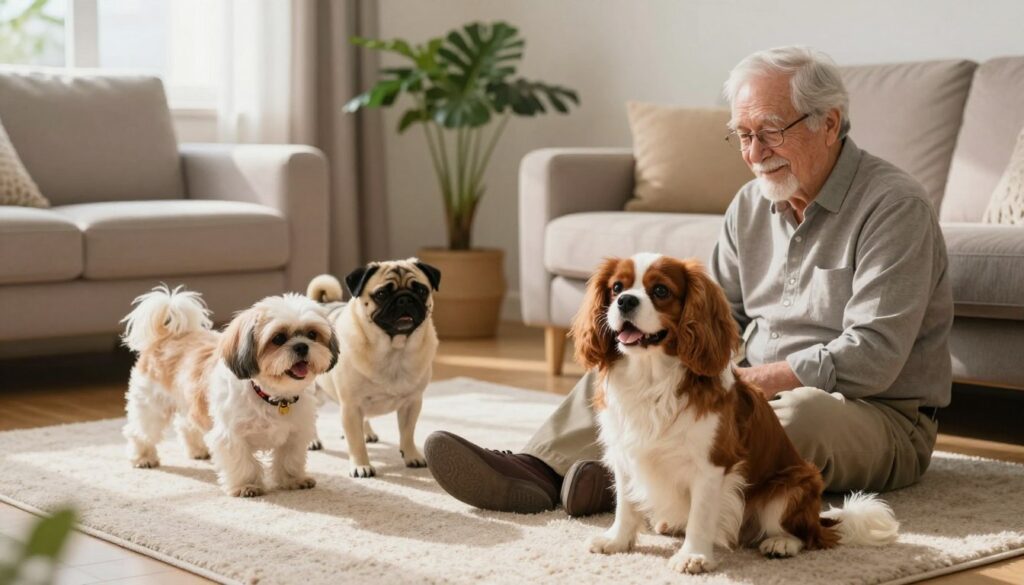
Cavalier King Charles Spaniel
Affectionate companionship with manageable exercise needs
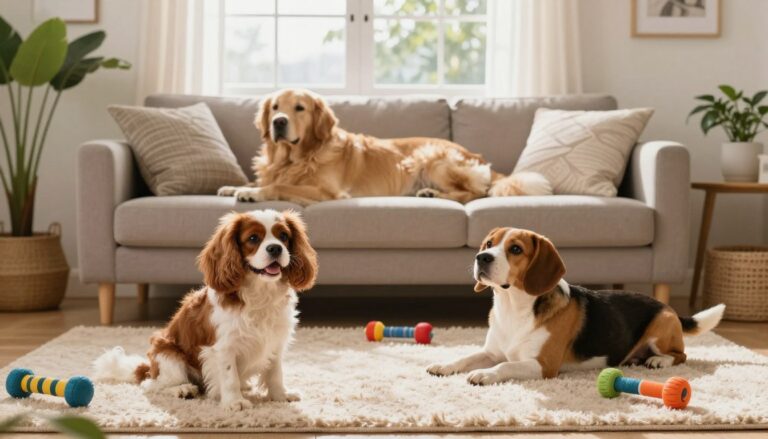
The Cavalier King Charles Spaniel is widely celebrated for its gentle and loving nature. These dogs are naturally inclined to sit by your side, making them perfect for quiet afternoons at home. Because they have moderate energy levels, a short daily walk is usually enough to keep them happy and healthy.
Shih Tzu
A calm lap dog whose coat requires consistent grooming
If you prefer a dog that is content to lounge on the sofa, the Shih Tzu is an excellent choice. They are famously calm and affectionate, often acting as a dedicated lap dog. However, you must be prepared for their grooming needs, as their beautiful coat requires regular brushing to prevent tangles.
Havanese
Social, adaptable behavior for apartments and active households
The Havanese is a highly social breed that thrives on human interaction. They are incredibly adaptable, fitting in well whether you live in a cozy apartment or a larger home. Their cheerful disposition makes them one of the best small dogs for older adults who enjoy having a lively, yet manageable, companion.
Bichon Frise
Cheerful personality, low shedding, and the need for regular coat care
The Bichon Frise is known for its bubbly and playful personality. They are a great option if you are sensitive to allergens, as they are considered a low-shedding breed. Keep in mind that their curly hair demands consistent professional grooming to stay in top condition.
| Breed | Temperament | Exercise Needs | Grooming Level |
|---|---|---|---|
| Cavalier King Charles | Affectionate | Low to Moderate | Moderate |
| Shih Tzu | Calm | Low | High |
| Havanese | Social | Moderate | Moderate |
| Bichon Frise | Cheerful | Moderate | High |
Low-Maintenance Dogs for Seniors Who Prefer Smaller Breeds
If you like smaller dogs, you might be surprised by their care needs. Many look for calm dogs for seniors. But, it’s key to know the difference between a dog needing little exercise and one that’s easy to care for overall.
Toy Poodle
Intelligence and trainability balanced against grooming demands
The Toy Poodle is a smart choice for those who value sharp intelligence and quick learning. They are great companions for many homes. But, their beautiful coats need regular professional grooming to stay healthy and free of mats.
French Bulldog
Low exercise needs with important breathing and heat-safety limitations
French Bulldogs are known for being laid-back and needing little exercise. They’re perfect for indoor living. But, their flat faces mean they have breathing limitations and can’t handle heat well. So, keep them cool in warm weather.
Miniature Schnauzer
Alert companionship, moderate activity, and dependable training potential
If you want a dog that’s always by your side and alert, the Miniature Schnauzer is a great pick. They’re active but not too much, and very loyal. Their dependable training potential makes them a pleasure to have, as long as they get enough mental play.
Beagle
Friendly family behavior with higher exercise and leash-management needs
Beagles are friendly and love people. They’re great with families but need more exercise than some small breeds. Be ready for consistent leash management because they can follow interesting smells during walks.
Calm Medium-Sized Dogs for Seniors
Choosing a medium-sized dog can be very rewarding for older adults. These dogs are often easy to train dogs for older owners. But, they need regular routines and positive training to do well. Daily activities that fit their needs keep them happy and well-adjusted at home.
Whippet
Quiet indoor behavior with opportunities for short bursts of exercise
The Whippet is great for those who like a calm home. They are quiet indoors and love to relax on soft beds. But, they need safe, enclosed spaces for short, fast runs to release energy.
English Cocker Spaniel
Affectionate energy suited to seniors who enjoy daily walks
The English Cocker Spaniel is perfect for active seniors. They are friendly and have the right amount of energy for daily walks. Their intelligence makes them easy to train dogs for older owners who like to play.
“A dog is the only thing on earth that loves you more than he loves himself.”
Clumber Spaniel
Gentle, slower-paced companionship with substantial shedding and grooming
The Clumber Spaniel is ideal for those who prefer a calm pace. They are not very energetic, making them great for short walks. Their luxurious coats need regular brushing because they shed a lot.
| Breed | Energy Level | Grooming Needs | Best For |
|---|---|---|---|
| Whippet | Low (Indoor) | Minimal | Quiet homes |
| English Cocker | Moderate | Moderate | Active walkers |
| Clumber Spaniel | Low | High | Relaxed pace |
Finding the right dog means matching their personality to your lifestyle. With consistent training and the right exercise, these breeds are easy to train dogs for older owners. They bring joy and companionship to your life.
Larger Gentle Breeds for Active Older Adults
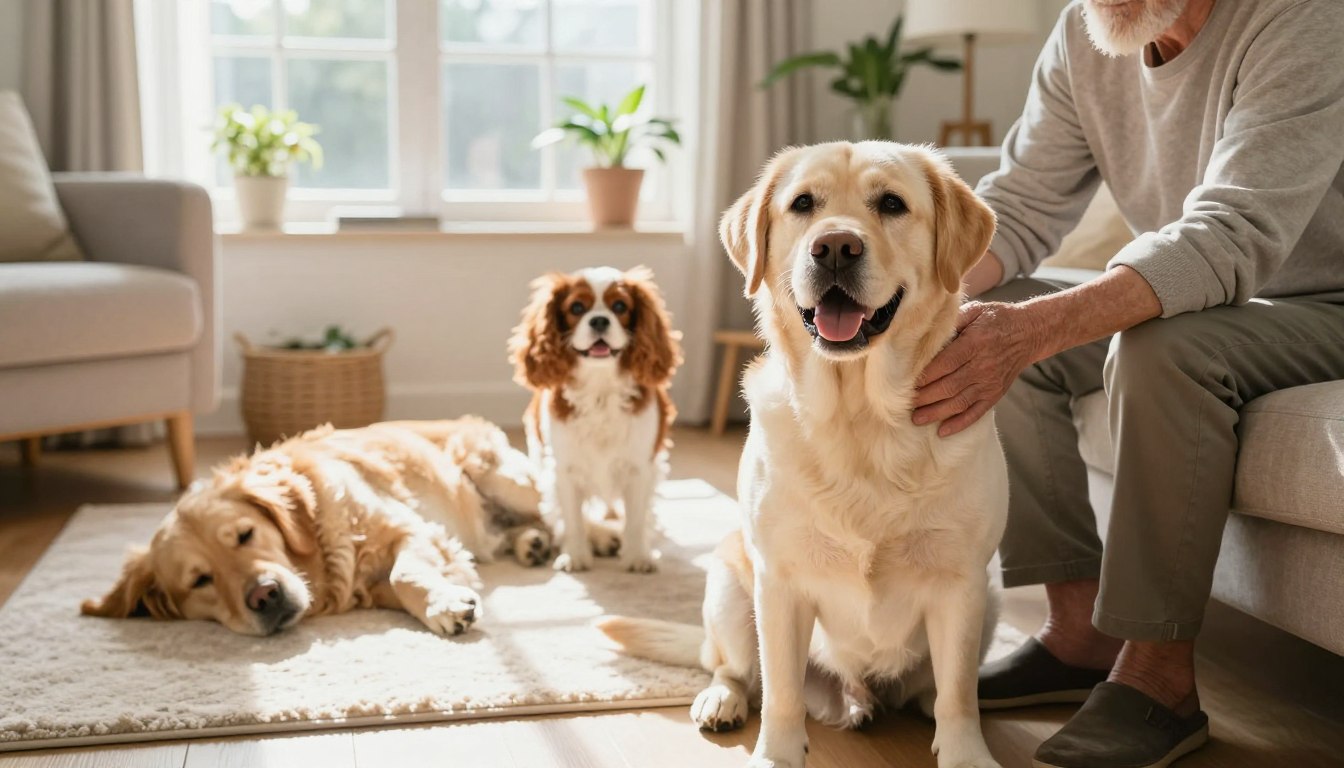
Active older adults often find that larger breeds provide a sense of security and companionship during daily walks. These dogs offer a calm presence for those with enough space and physical strength to manage their needs. You might consider a Golden Retriever or a Labrador Retriever if you enjoy outdoor exercise and have a secure yard.
Keep in mind that larger senior citizen companion dogs require more resources than smaller breeds. You will need to budget for higher food costs and larger equipment like sturdy leashes or crates. Veterinary expenses can increase with the size of the animal, so plan your finances to ensure your pet receives proper care.
Your choice should focus on the individual dog rather than just the breed standard. Evaluate the temperament, mobility requirements, and health history of any animal you consider. A well-matched dog brings joy and purpose to your daily life.
Take time to visit local shelters or reputable breeders to meet potential pets in person. Observe how the dog interacts with you and your environment. Selecting the right senior citizen companion dogs involves patience and careful planning to ensure a lasting bond.