
Can Dogs Have Custard or Flan? Safety, Risks, and Healthier Treat Alternatives
It’s hard to resist sharing a sweet treat with your furry friend. They sit by your side, eyes wide with hope. But is it safe to let them have your favorite dessert?
Many owners wonder if dogs can safely enjoy custard or flan. These treats might look harmless, but they can upset a dog’s stomach. Dairy, sugar, and additives can cause serious health issues.
Knowing the risks is key to being a good pet parent. By understanding how these foods affect your pet, you keep them safe. It’s best to keep these sweets away from their diet for their health.
Table of Contents
Understanding the Ingredients in Custard and Flan
These creamy treats might look safe, but their ingredients can be bad for dogs. You might want to give your dog some dog custard. But, it’s key to check what’s inside.
Common components of traditional custard
Traditional custard is made with milk, cream, eggs, and sugar. These can be hard for dogs to digest, especially in big amounts.
Many custard products also have carrageenan, a thickener from seaweed. It keeps the custard’s shape but doesn’t help your pet and might upset their stomach.
Differences between custard and flan
Flan is different because it has a caramel topping. This topping adds a lot of sugar, making the dessert very calorie-rich.
The mix of eggs and dairy is different in custard and flan. This affects the fat content. When thinking about dog custard or flan, remember their high fat and sugar.
| Ingredient | Custard | Flan |
|---|---|---|
| Primary Base | Milk & Cream | Milk & Cream |
| Thickener | Eggs | Eggs |
| Topping | None | Caramel |
| Additives | Carrageenan | Carrageenan |
Can dogs have custard safely?
Are you wondering if your dog can enjoy a creamy treat? It’s time to look at the facts. While a small lick of a dessert might not cause an immediate medical emergency, you must consider if these items are truly safe for dogs. Most human desserts are made for human tastes and digestive systems, which are different from those of our canine friends.
The reality of canine digestion
Your dog’s digestive tract is not designed to handle the high fat and sugar in traditional custard. When dogs eat these ingredients, their pancreas and liver have a hard time keeping up. This means even small amounts can cause a lot of stress inside their bodies.
Canine bodies are meant to thrive on certain proteins and fats, not the processed additives in human sweets. So, it’s best to avoid sharing these foods to keep your pet healthy and comfortable.
Why moderation is not a substitute for safety
Many owners think giving a tiny amount of a forbidden food is okay if done in moderation. But, this is a risky approach when dealing with ingredients not inherently safe for dogs. Even a small taste can cause problems in sensitive animals, leading to digestive upset or worse.
It’s best to say no to dogs having custard. Choosing treats made for their unique nutritional needs is key to their long-term wellness, not human-centric desserts.
| Ingredient | Human Impact | Canine Impact |
|---|---|---|
| Refined Sugar | Energy spike | Obesity/Diabetes risk |
| High Fat Content | Flavor enhancement | Pancreatitis risk |
| Dairy/Lactose | Nutrient source | Digestive distress |
The Hidden Dangers of Dairy for Canines
Knowing how your dog handles dairy is key to keeping them safe. Many think milk or cream is safe, but it’s not. Custard and dogs don’t go well together. Adult dogs can’t break down lactose, a sugar in dairy, because they lack the right enzymes.
Lactose intolerance in adult dogs
After a puppy stops drinking its mother’s milk, it can’t make as much lactase. This enzyme is needed to digest lactose. So, many adult dogs can’t handle dairy well. This can cause uncomfortable physical reactions when they eat dairy-heavy foods.
“The digestive systems of our canine companions are not designed to process the high levels of lactose found in many human dairy desserts, often leading to significant distress.” — Veterinary Nutritionist
Symptoms of dairy-related gastrointestinal upset
If your pet eats a dairy treat, watch for signs of illness. Custard and dogs don’t mix well, and even a little can cause a big reaction. Look for bloating, gas, diarrhea, or vomiting soon after.
Here’s a table of signs to look for if your dog eats dairy:
| Symptom Type | Common Manifestation | Severity Level |
|---|---|---|
| Gastrointestinal | Excessive gas and bloating | Mild to Moderate |
| Digestive | Loose stools or diarrhea | Moderate |
| Physical | Vomiting or nausea | High |
| Behavioral | Lethargy or abdominal pain | High |
Spotting these signs early is important for pet owners. If your dog acts strange after being near custard and dogs-related snacks, call your vet right away. This ensures your pet’s safety.
Why Sugar and Artificial Sweeteners Are Toxic
Thinking about dogs eating custard means looking at more than just the texture. The ingredients in many desserts are unhealthy and even dangerous for pets.
The impact of refined sugar on canine health
Refined sugar has no nutritional value for dogs. It can cause significant weight gain and metabolic problems. Dogs eating sugary treats often face insulin resistance, which increases the risk of diabetes.
The lethal danger of Xylitol
Artificial sweeteners, like Xylitol, are lethal. Found in many “sugar-free” desserts, Xylitol can cause a dangerous drop in blood sugar. Even a small amount can lead to liver failure in dogs.
“The toxicity of Xylitol in dogs is a medical emergency that requires immediate veterinary intervention to prevent permanent organ damage.”
Identifying hidden names for artificial sweeteners
Always check labels for more than just “sugar.” Manufacturers use different names for harmful additives that can upset your dog’s stomach.
- Poligeenan: A degraded form of carrageenan that is not an approved food additive and is linked to gut tumors.
- Aspartame and Sucralose: While not as immediately toxic as Xylitol, these can still cause severe gastrointestinal distress.
- Hidden Syrups: Ingredients like high-fructose corn syrup contribute to inflammation and obesity.
Always choose your pet’s safety over treats with many chemical additives. If you’re unsure about an ingredient, it’s best to avoid it to keep your dog healthy.
Potential Health Risks of Feeding Flan to Dogs
Sharing desserts with pets might seem like a nice gesture. But, the truth about custard and dogs is more complicated. Many owners don’t know that human treats can harm a dog’s sensitive body.
Pancreatitis and high-fat content
Flan’s high fat can cause pancreatitis. This is a serious inflammation of the pancreas. It can be very painful and even life-threatening for dogs.
When dogs eat too much fat, their pancreas gets overwhelmed. It starts to digest itself, causing severe pain and vomiting.
“The foundation of a healthy life for your pet begins with the bowl, not the table scraps.”
Obesity and long-term metabolic issues
Feeding dogs high-calorie human desserts can lead to obesity. This extra weight puts a lot of strain on their joints and organs. It can also make their life less enjoyable and limit their movement.
Moreover, eating foods high in sugar and fat can cause insulin resistance over time. This is a big problem when we talk about custard and dogs. It shows that keeping your pet safe means sticking to a diet made just for them.
Recognizing Symptoms of Digestive Distress
Knowing the early signs of illness is key for dog owners. If your dog eats custard or other rich desserts, watch for signs of upset. This helps you tell if it’s just a minor issue or a serious problem.

Immediate signs of stomach upset
If your dog eats something sweet or creamy, watch them closely for hours. Common signs of upset stomach show up fast. Look for lethargy or too much drooling.
Vomiting and diarrhea are common when dogs can’t handle heavy foods. These signs mean their body is trying to get rid of the bad stuff. Make sure they drink enough water.
When to seek emergency veterinary care
Some indigestion goes away by itself, but some signs need a vet fast. If your dog has trouble breathing, seizures, or severe belly pain, call an emergency vet. These are serious signs.
Act fast if you think your dog might be poisoned or having a bad reaction. Don’t wait if they seem confused or can’t stand up. The table below helps you figure out how serious it is.
| Symptom Category | Mild Signs | Severe/Emergency Signs |
|---|---|---|
| Behavioral | Mild lethargy | Seizures or collapse |
| Digestive | Occasional vomiting | Bloody stool or constant retching |
| Physical | Excessive drooling | Difficulty breathing |
| Pain Level | Restlessness | Severe abdominal guarding |
What to Do If Your Dog Accidentally Eats Custard
If your dog eats dog custard, stay calm. It’s easy to feel anxious, but think clearly. Quick, smart actions can help a lot.
Assessing the quantity consumed
First, figure out how much they ate and what’s in it. Look for harmful additives like Xylitol. It’s dangerous, even in small amounts. Also, think about how much they ate compared to their size.
Then, call your vet or a pet poison center. Tell them what happened, including what was in the dog custard. They’ll tell you if you need to see a vet right away.
Monitoring your dog for adverse reactions
Watch your dog closely for 24 to 48 hours. Even small amounts of dog custard can cause problems. Look for signs like vomiting, diarrhea, or shaking.
If you see any concerning symptoms, call your vet. Don’t wait. Quick action can prevent bigger health issues.
Nutritional Value vs. Empty Calories
Feeding custard to dogs might seem like a kind gesture. But, it often gives only empty calories. These human desserts are made for our taste, not for our pets’ needs. They focus on sugar and texture, not on what’s good for them.
Why dessert foods offer no canine benefits
Dessert foods are full of refined sugars and fats. These are not what dogs need to stay healthy. Unlike dog food, these treats don’t have the amino acids and minerals dogs need.
Feeding custard to dogs regularly can cause weight gain and stress. Their bodies can’t handle these ingredients well.
These empty calories don’t give dogs energy. Instead, they can make dogs feel tired and upset their stomachs. Dogs need specific nutrients that are missing in these treats.
The importance of a balanced canine diet
A balanced diet for dogs includes high-quality proteins, healthy fats, and special vitamins. Dogs need these nutrients, no matter their age. Giving them human sweets can harm their health.
Choose food that’s good for your dog’s health. This way, your dog stays healthy and happy for a long time.
| Nutrient Category | Balanced Dog Food | Custard/Flan |
|---|---|---|
| Protein Content | High (Essential) | Negligible |
| Refined Sugar | None/Minimal | Very High |
| Vitamins/Minerals | Fortified | None |
| Health Impact | Supports Vitality | Empty Calories |
Healthier Homemade Treat Alternatives
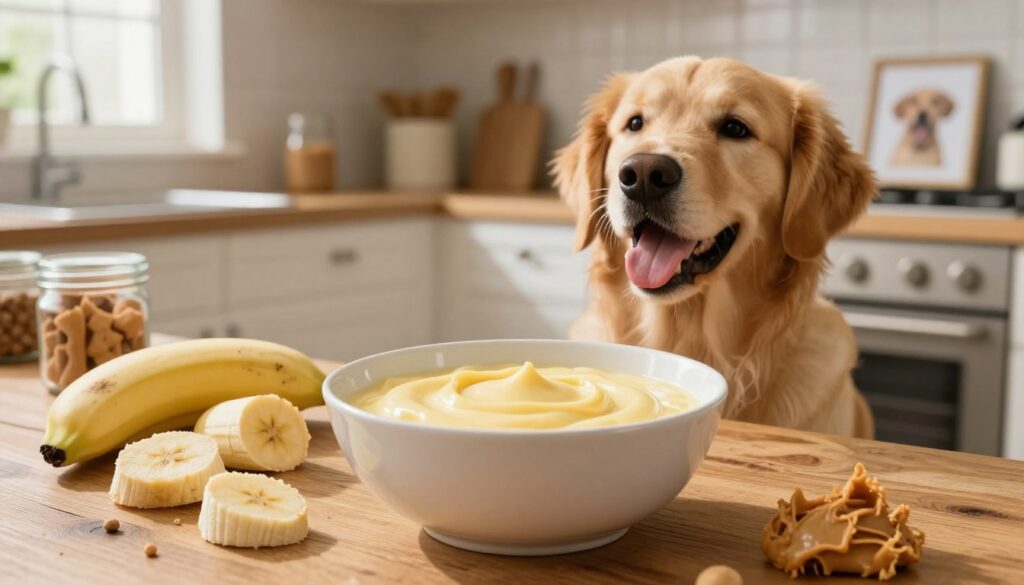
Looking for custard for canine consumption? Start in your kitchen. Many store-bought desserts are bad for pets. But, you can make safe, tasty treats at home. This way, you control what your dog eats.
Using pumpkin and yogurt for safe treats
Plain pumpkin is full of fiber and gentle on dogs’ stomachs. Mix it with unsweetened yogurt for a creamy treat. Make sure the yogurt doesn’t have xylitol, as it’s toxic to dogs.
Frozen fruit snacks for hot days
On hot days, dogs love cool treats. Blueberries and watermelon are great, low-calorie choices. Freeze them in small pieces for a safe, refreshing snack.
Preparation tips for dog-safe desserts
Keep your desserts simple. Don’t use refined sugars, artificial flavors, or preservatives. Stick to whole, natural ingredients that are good for your dog’s health.
| Ingredient | Safety Status | Benefit |
|---|---|---|
| Plain Pumpkin | Safe | High Fiber |
| Plain Yogurt | Safe (in moderation) | Probiotics |
| Blueberries | Safe | Antioxidants |
| Refined Sugar | Unsafe | None |
| Xylitol | Toxic | None |
Store-Bought Dog-Friendly Dessert Options
Finding a safe dessert for your pet in the pet aisle is key. It’s best to pick products made just for pets. These are made to be safe for dogs and don’t have the bad stuff found in human treats.
Reading labels for harmful additives
Always check the ingredients before buying. Look for simple, known ingredients, not a long list of unknowns. Watch out for additives like carrageenan, often in canned pet food and a worry for many.
Stay away from treats with artificial sweeteners, especially Xylitol. It’s very bad for dogs. By being careful, you can pick custard treats for dogs that are safe. Choose natural, whole-food ingredients for your pet’s best nutrition.
Recommended brands for canine-safe treats
Many good companies make dog treats that are safe and tasty. Brands like The Bear & The Rat or Puppy Scoops have frozen yogurt-like snacks for dogs. They’re made for dogs’ digestion and don’t have too much fat or sugar.
Choosing these brands means you don’t have to worry about human food. Make sure the product is labeled as safe for dogs before giving it to your pet. This way, your pet gets a yummy treat, and you can relax knowing they’re safe.
Consulting Your Veterinarian About Dietary Changes
Your vet is the ultimate authority on your dog’s diet. It’s tempting to give them human food, but it’s safer to get advice. Always think about your dog’s long-term health before giving them treats.
When to discuss treats with your vet
It’s best to talk about snacks during your dog’s annual check-up. This is a great time to review their diet and add new foods.
If you’re thinking about feeding custard to dogs, ask your vet about it. They can tell you if it’s good for your dog’s diet. Always check with your vet before trying new foods.
Tailoring snacks to your dog’s specific health needs
Every dog is different and needs different foods. If your dog has weight issues or metabolic problems, your vet can help. They can suggest safer treats.
For dogs with sensitive stomachs, getting vet advice is essential. When looking for custard treats for dogs, your vet can suggest safer options. These options are healthier and vet-approved.
| Decision Factor | Professional Advice | Guesswork |
|---|---|---|
| Safety Assessment | Based on medical history | Based on internet trends |
| Nutritional Impact | Calculated caloric intake | Unknown sugar/fat levels |
| Health Risks | Proactive prevention | Reactive emergency care |
| Long-term Wellness | Tailored dietary plan | Potential metabolic stress |
Conclusion
Choosing the right snacks for your dog is key to their health and happiness. Human desserts might look good, but custard is not good for dogs. It can upset their stomachs.
You can keep your dog safe by picking healthy snacks. Brands like Zuke’s and Blue Buffalo have treats that are safe and fun. These treats avoid the dangers of custard.
Talking to your vet is important to make a diet plan for your dog. This plan makes sure your dog eats well. Keep your kitchen safe with pet-friendly foods to keep your dog healthy for a long time.