

Do Cats and Dogs Get Along? The Friendliest Breeds to Choose
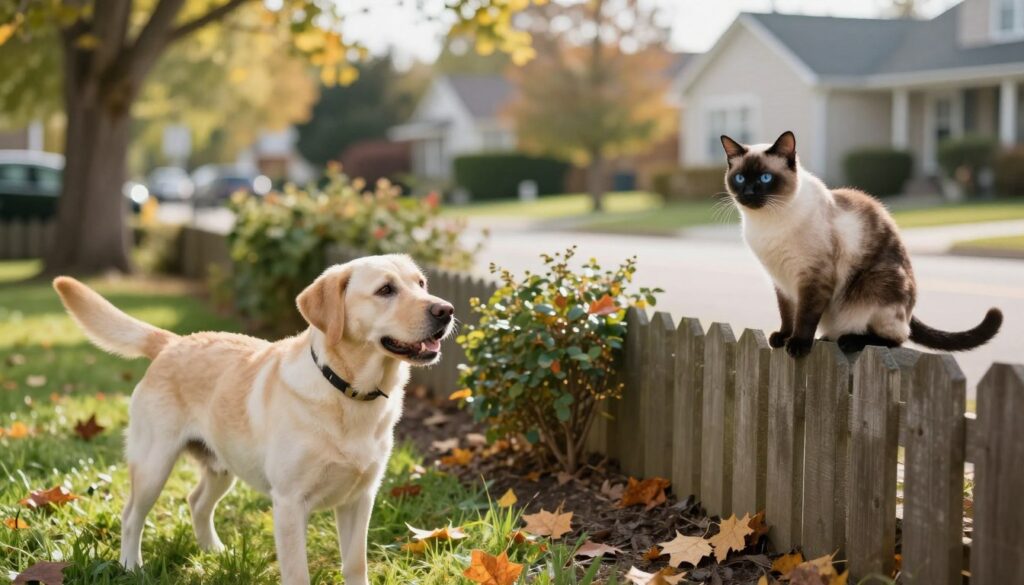
Have you ever dreamed of a home where your furry friends snuggle together by the fireplace? Many worry if do cats and dogs get along in the same house. They fear these two species are always at odds.
The truth is, successful cohabitation is possible with the right steps. While old tales tell of rivalry, today’s pets often become close friends. Your effort to manage their interaction is key to a peaceful home.
By picking pets with similar personalities, you can create a friendly home. This guide will help you introduce new pets to your family with confidence.
Table of Contents
Understanding the Dynamics: Do Cats and Dogs Get Along?
Do you wonder if your pets are friends or just getting along? Many owners worry about do cats and dogs get along when they live together. The truth is, these animals can form strong bonds, despite their differences.
The Evolutionary Perspective on Interspecies Relationships
To understand the cat and dog relationship, we need to look at their history. Dogs evolved to work with humans, while cats are solitary hunters. These different backgrounds can lead to tension at home.
But, domestication has softened their instincts. Today, pets often see each other as friends, not rivals. With the right environment, inter-species relationships can thrive.
Decoding Body Language and Communication Styles
Cats and dogs have different ways of communicating. A wagging tail in dogs usually means they’re happy. But, a flicking tail in cats often means they’re upset. It’s important to understand these signals for pets compatibility.
Watch for signs of calm or stress in your pets. A relaxed cat will blink slowly or show its belly. A calm dog will have a loose body. Knowing these signs helps prevent fights.
| Behavior | Dog Meaning | Cat Meaning |
|---|---|---|
| Tail Wagging | Excitement or happiness | Annoyance or agitation |
| Exposed Belly | Trust and submission | Defensive posture (claws ready) |
| Staring | Focus or curiosity | Threat or challenge |
| Play Bow | Invitation to play | Rarely used; usually misinterpreted |
Factors That Influence Pet Compatibility
Many things affect whether pets will get along. Individual personality matters more than breed. A high-energy dog might overwhelm a shy cat, even if the dog is friendly.
Age is also key in pets compatibility. A playful puppy might be too much for an older cat. By watching and managing these factors, you can create a peaceful home for all.
Preparing Your Home for a Multi-Pet Household
A well-prepared home is key for pets compatibility. Small changes can greatly reduce stress for your pets. This makes your home ready for new pets.
Preparing your home helps keep things orderly. This is crucial when you have cohabitating pets. Early preparation can stop many behavioral problems.
Creating Safe Zones and Vertical Space for Cats
Cats like to watch from high places. Install cat trees, shelves, or clear off high spots for them. This gives them essential vertical escape routes.
These spots let cats escape from dogs without feeling trapped. A “cat-only” room with a baby gate is also a good idea. It gives them a quiet place when needed.
Establishing Neutral Territory for Initial Meetings
Use a neutral area for pet introductions. Avoid places your pet usually goes. A guest room or quiet backyard works well.
Keep these first meetings short and calm. Positive reinforcement helps build trust between your pets.
Managing Resources to Prevent Territorial Aggression
Resource guarding is common in multi-pet homes. Provide separate food and water for each pet. Place them in different spots.
Make sure pets have their own sleeping areas. Place them in quiet spots where they feel safe. This way, you promote pets compatibility and ensure everyone’s well-being.
Top Dog Breeds Known for Their Cat-Friendly Nature
Creating a strong cat dog friendship starts with picking the right breed. Some dogs are naturally more patient and tolerant. This choice can make your home a happier place for all.

Golden Retrievers: The Gentle Giants of Compatibility
Golden Retrievers are known for being very patient. They rarely get angry, making them perfect for homes with cats. Their calm nature lets them live peacefully with cats.
“The greatness of a nation and its moral progress can be judged by the way its animals are treated.”
Labrador Retrievers: Friendly Temperaments for Shared Living
Labrador Retrievers are known for being friendly and social. They easily accept a new cat as family. Their eagerness to please makes them easy to train, keeping peace in the home.
Cavalier King Charles Spaniels: Affectionate Companions for Felines
For a smaller dog, the Cavalier King Charles Spaniel is a great pick. They are gentle and love to cuddle more than chase. Their size and friendly nature make them less scary to cats, helping build a strong cat dog friendship.
Success comes from matching your pets’ energy levels. Choosing these calm breeds sets the stage for a peaceful home with both pets.
Understanding High-Prey Drive Breeds to Avoid
Some dogs have a natural drive that makes living with cats hard. When looking for a new pet, it’s key to know the animal behavior of certain breeds. This knowledge helps avoid conflicts and keeps your cat safe.
Why Certain Terriers May Struggle with Cats
Terriers were bred to hunt small animals. This history leads to a strong chase response when they see a cat. Even if they’re well-socialized, their instincts can make it hard to ignore a moving cat.
The Instinctual Challenges of Sighthounds
Sighthounds, like Greyhounds or Whippets, are built for speed and tracking. Their animal behavior is shaped by their eyesight and speed. When a cat moves quickly, these dogs may chase without thinking.
Assessing Individual Personality Over Breed Generalizations
Breed history is helpful but not always accurate. Always look at the individual dog you’re considering. Some dogs in high-drive breeds may not chase cats, while others will.
Watching how a dog acts around small animals is important. This helps you choose a dog that’s safe for your pets. By focusing on the dog’s animal behavior, you can make a better choice.
The Role of Early Socialization in Pet Success
Starting your household’s future is all about the early socialization window. By focusing on early development, you lay a strong foundation for your pets to live well together. This approach reduces future fights and makes your pets feel safe.

The Importance of the Critical Socialization Window
The critical socialization window is a short, transformative period in a young pet’s life. During these months, pets are very open to new things and social signals. Introducing them to other animals early helps them see others as friends, not foes.
Missing this window can lead to pets fearing others, making it tough to change later. Early introductions to new friends help them learn to live together well. Consistency is key to making these lessons last.
Introducing Puppies to Resident Cats
When you bring a puppy home with a cat, keeping things calm is key. Always keep the puppy on a leash at first to stop chasing or excitement. This lets the cat watch the puppy without feeling scared.
Give your puppy treats and praise for staying calm. If the puppy gets too excited or focused, distract them right away. Patience is essential when teaching a puppy to respect a cat’s space.
Introducing Kittens to Resident Dogs
Bringing a kitten to a dog needs a slow and careful approach for safety. Begin by letting them smell each other through a baby gate or door before meeting face-to-face. This helps them get used to each other’s scent without stress.
When they meet in the same room, keep the dog on a leash and make sure the kitten has a safe place to go. Never push them together if they seem stressed or scared. Short, positive meetings help build a strong bond between your pets.
Professional Training Techniques for Harmonious Living
To have a peaceful home, you need to train your pets well. This training helps them live together peacefully. Professional methods guide you on how to achieve a calm home.
Positive Reinforcement Strategies for Calm Interactions
Positive reinforcement is the best way to teach good behavior. Give treats or praise when your pets stay calm together. This makes them think the other pet is good.
Being consistent is key. Reward calm behavior, not excitement. This builds trust and patience over time.
Teaching Essential Commands Like Leave It and Stay
Learning basic commands helps you manage tense moments. The “leave it” command stops unwanted chasing. Practice it with toys before real-life situations.
The “stay” command is also crucial. It lets you control the distance between pets. This keeps them from feeling overwhelmed.
Desensitization Methods for Reactive Pets
Desensitization helps reactive pets. It involves slowly getting them used to the other pet. Start at a safe distance and gradually get closer.
Patience is essential in these exercises. Never push them if they’re stressed. Short, successful sessions build their confidence.
Common Behavioral Red Flags to Watch For
Understanding animal behavior is key to a peaceful home. Some pets adjust quickly, but others may struggle. Spotting early signs of stress or aggression helps prevent problems.
Identifying Signs of Fear and Anxiety in Cats
Cats show discomfort in subtle ways. If your cat changes its routine, it might be scared of a dog. Look out for these signs of feline distress:
- Excessive Hiding: Cats hiding a lot, like under beds or in high places.
- Vocal Changes: Cats hissing, growling, or yowling when a dog is around.
- Resource Guarding: Cats refusing to leave a room or avoiding the litter box due to fear.
Recognizing Predatory Stalking Behavior in Dogs
Predatory animal behavior in dogs is a serious warning sign. It’s important to tell the difference between playful chasing and stalking. A stalking dog will have a stiff, focused posture, unlike a playful one.
Watch for a fixed stare, lowered head, and silent movement. If your dog ignores you while staring at the cat, separate them right away. Never ignore these instincts, as they can lead to danger.
When to Seek Help from a Professional Animal Behaviorist
If your pets’ tension doesn’t get better, it’s time to get help. If you see constant aggression, fights, or one pet living in fear, seek a professional. A certified animal behavior specialist can create a plan to solve the problem.
Don’t wait for an injury before getting help. Experts can give you insights and help with training. Getting help early shows you care about your pets’ well-being.
Long-Term Strategies for Maintaining Peace
Keeping peace between pets is a long-term effort. The first few weeks are crucial, but the real success comes from daily habits. By being proactive, you create a stable home where pets feel safe and respected.
Consistency in Routine and Exercise
Having a predictable routine is key to a stress-free home. Feeding, walking, and playing at the same times each day lowers anxiety. Consistency helps pets know what to expect, reducing territorial fights.
Regular exercise is also vital for a healthy cat and dog relationship. A tired dog is less likely to bother a cat, and a happy cat is more confident. Make sure to play with them daily in ways that suit each pet.
Monitoring Interactions During the Adjustment Period
Even when pets seem to get along, keep watching. It’s easy to get too comfortable, but ongoing supervision is key to catching stress signs early. Look for stiff postures or avoiding each other.
Watch how they share spaces like hallways or doorways. If one blocks the other, gently redirect them. This care keeps your cat and dog relationship positive and safe.
Celebrating Small Milestones in Pet Bonding
Building a bond takes time, so celebrate small wins. Moments like napping together or calmly passing each other are big steps. Use positive reinforcement, like treats or praise, to reward calm interactions.
| Strategy | Primary Benefit | Frequency |
|---|---|---|
| Routine Feeding | Reduces resource guarding | Daily |
| Active Play | Lowers pent-up energy | Twice Daily |
| Supervised Naps | Builds mutual trust | Weekly |
| Positive Praise | Reinforces good habits | As Needed |
Conclusion
To make a peaceful home for your pets, you need to be dedicated and have a clear plan. You have the power to shape the environment where your pets spend their days together.
Building a strong cat dog friendship takes patience. Focus on each pet’s unique personality instead of rushing things. Your consistent efforts help them feel secure in shared spaces.
Watch how your pets react to each other as they get used to your home. Small signs of progress show your training is working. Celebrate these moments as you build a lasting cat dog friendship.
If you face ongoing challenges, consider reaching out to a local vet or a certified animal behaviorist. They can offer specific advice to keep the peace. Your dedication to their happiness ensures a joyful life for everyone in your home.