Can Dogs Eat Mashed Potatoes, Baked Potatoes, and Other Potato Dishes?
Have you ever seen that heart-melting look your dog gives you when you eat? It’s hard to resist sharing a bite. But, is your favorite food good for your pet?
Many pet owners look for safe human foods for dogs. But, potatoes are a bit tricky. It’s not the potato itself that’s the problem, but how it’s prepared.
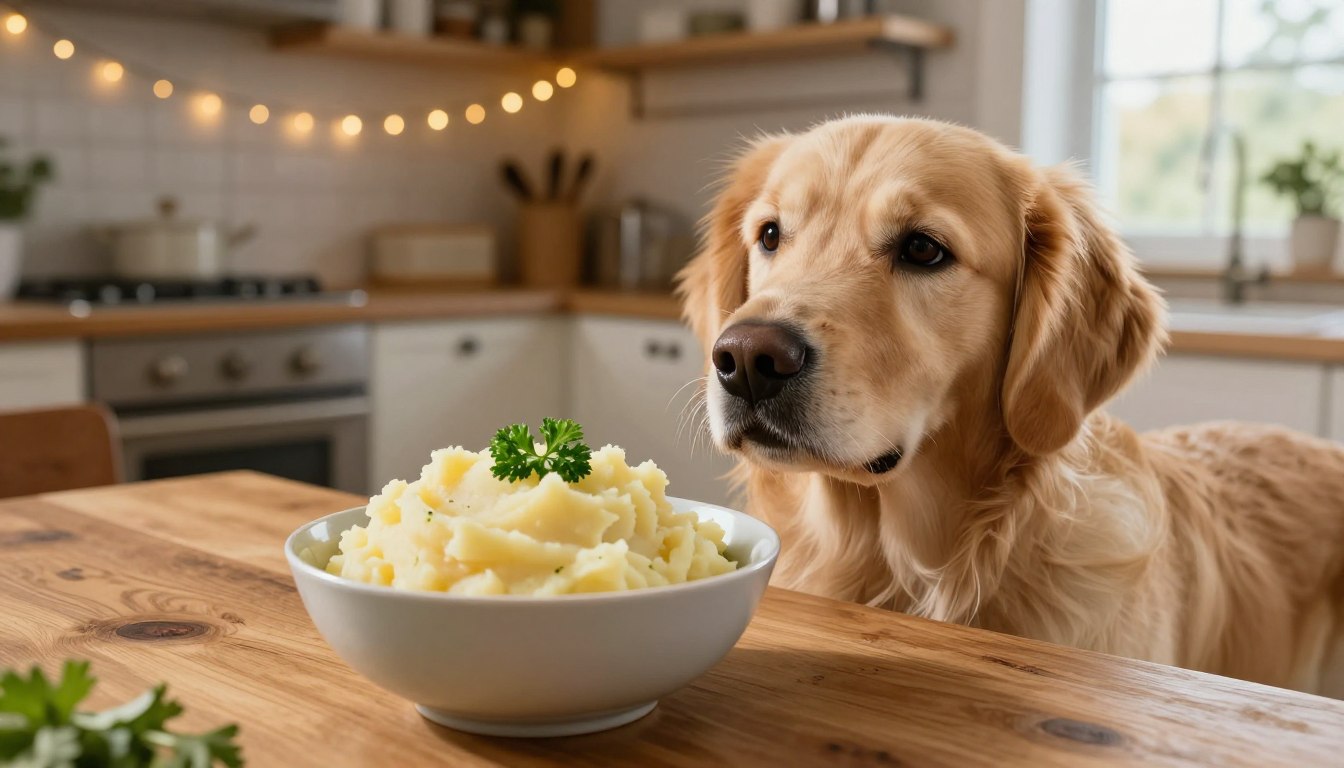
Wondering if can dogs eat mashed potatoes? It really depends on what’s in the dish. Butter, garlic, and onions are common, but they can be harmful. Knowing how to prepare food safely is key to keeping your dog happy and healthy.
Table of Contents
Understanding the Nutritional Profile of Potatoes for Dogs
When you think about feeding dogs potatoes, it’s important to know the science behind it. This is part of a detailed canine nutrition guide. It helps you understand how these veggies work with your pet’s body. They can be a good addition when cooked right.
Essential vitamins and minerals found in potatoes
Potatoes have many nutrients that are good for your dog. They are rich in Vitamin C, which boosts the immune system. They also have a lot of potassium, which is great for muscles and nerves.
“A balanced diet for a dog is not just about protein; it is about the synergy of vitamins and minerals that support long-term vitality.”
Potatoes also have Vitamin B6 and iron, which help with metabolism and blood health. But, these benefits only come if you give them in small amounts and without bad additives.
The role of carbohydrates in a canine diet
Carbs give dogs quick energy. Potatoes add starch, which turns into glucose. It’s important to mix these carbs with protein to keep your dog healthy and at a good weight.
Too many carbs can make your dog gain weight. Watch how much energy your dog has and adjust how much food you give them. Here’s what you find in a cooked potato.
| Nutrient | Benefit for Dogs | Impact Level |
|---|---|---|
| Vitamin C | Immune Support | Moderate |
| Potassium | Muscle Function | High |
| Complex Starch | Energy Source | High |
| Vitamin B6 | Metabolic Health | Low |
Knowing these details helps you add potatoes to your dog’s diet. Always make sure their meals are protein-rich. Moderation is key when adding new veggies to their food.
Can dogs eat mashed potatoes safely?
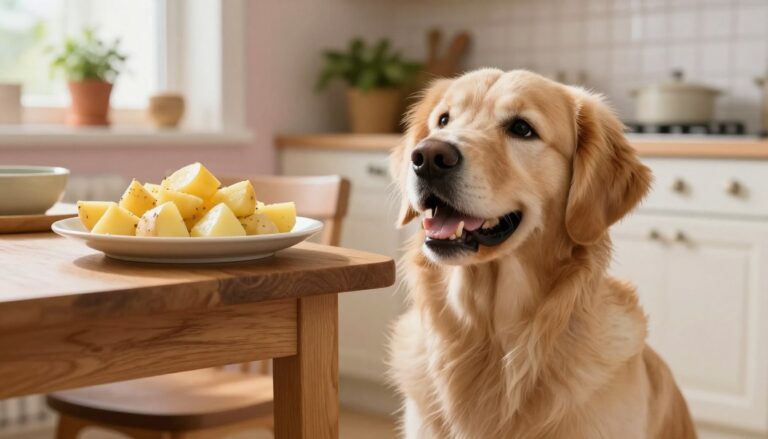
Many pet owners wonder if can dogs eat mashed potatoes safely. While potatoes are not toxic, how you prepare them is key for your pet’s health.
Only serve potatoes that have been boiled in plain water. Additives in human recipes can harm your dog.
The importance of plain preparation
When thinking about dogs and mashed potatoes, avoid adding kitchen ingredients. Human mashed potatoes often have butter, milk, salt, garlic, or onion powder. These are bad for dogs.
“The key to feeding human foods to pets is simplicity; if it contains seasonings or fats, it should stay off your dog’s plate.”
Plain, boiled potatoes are a good energy source. But, they must be unseasoned. Make sure the potato is well-cooked to avoid stomach upset.
Portion control for different dog breeds
Feeding mashed potatoes for pets needs careful portion control. Potatoes are high in carbs. They should be an occasional snack, not a meal.
Your dog’s size and activity level affect how much they can eat. Use the table below for serving sizes:
| Dog Size | Weight Range | Recommended Serving |
|---|---|---|
| Small Breed | Under 20 lbs | 1 teaspoon |
| Medium Breed | 20-50 lbs | 1 tablespoon |
| Large Breed | Over 50 lbs | 2 tablespoons |
Watch your dog after trying new foods. If they seem tired or have stomach problems, stop the treat. Then, talk to your vet.
Risks associated with baked and fried potatoes
Potatoes are a favorite in many homes, but how you cook them matters a lot for your dog’s health. Many cooking methods add things that dogs can’t digest. It’s key to know the difference between plain, boiled potatoes and those with extra ingredients when thinking about pet-friendly thanksgiving foods.
Why butter, salt, and garlic are dangerous
Most potato dishes are seasoned with things that are bad for dogs. Garlic and onions, found in many recipes, are highly toxic to dogs. They can harm their red blood cells. Too much salt can cause dehydration or even poisoning in small dogs.
Butter and other fats are also bad for dogs. They are full of calories and can upset a dog’s stomach. It’s best to keep these dishes away from your dog to avoid harm, especially during dogs and thanksgiving dinner.
“The inclusion of common kitchen seasonings like garlic and onion in pet meals can lead to severe anemia and long-term health complications for dogs.”
The impact of high-fat cooking methods on canine health
High-fat cooking, like deep-frying, can cause pancreatitis. This is a painful condition that needs quick vet care. Even a little bit of greasy potato can be too much for a dog’s stomach.
Here’s a table to help you choose better for your pet:
| Ingredient | Risk Level | Potential Health Impact |
|---|---|---|
| Garlic/Onion | High (Toxic) | Red blood cell damage |
| Excessive Salt | Moderate | Dehydration/Kidney strain |
| Butter/Cream | High | Pancreatitis/Obesity |
| Plain Boiled | Low | Safe in moderation |
Keep high-fat and seasoned dishes away from your pet to keep them safe. Always choose simple, plain preparations if you want to share a small potato with your dog.
The dangers of raw potatoes and solanine
Raw potatoes can be harmful to dogs. Many owners share human food with their pets, but feeding dogs potatoes raw is risky. Potatoes belong to the nightshade family, which has chemicals that can harm pets.
Understanding solanine toxicity in nightshades
Solanine is a key concern with raw potatoes. It’s a natural pesticide for the plant but toxic to dogs. Dogs can get sick if they eat enough of it.
When you give your dog potatoes, be aware of solanine’s high levels in the skin and “eyes.” Even a little raw potato can upset a dog’s stomach, especially small breeds. Cooking potatoes lowers solanine levels, but raw ones are still dangerous.
Symptoms of raw potato ingestion
It’s important to watch for signs of poisoning if your dog eats raw potatoes. Look for sudden changes in behavior or health. If you see any symptoms, get veterinary help right away.
- Excessive drooling or foaming at the mouth
- Vomiting and severe diarrhea
- Lethargy or unusual weakness
- Dilated pupils or confusion
To keep your dog safe, avoid raw potatoes. Make sure any potato treats are cooked well and free from harmful ingredients.
Preparing potato dishes for your dog at home
Creating safe, nutritious potato snacks for your pet is easy. When making mashed potatoes for pets, keep it simple and pure. This way, your dog gets a healthy treat without any risks.
Step-by-step guide to boiling potatoes for pets
Boiling is the safest way to cook potatoes for your dog. It makes the potatoes soft for digestion and keeps their nutrients.
- Start by cutting the cleaned potatoes into small, uniform cubes to ensure even cooking.
- Place the cubes in a pot and cover them completely with fresh, cold water.
- Bring the water to a rolling boil and cook until the pieces are fork-tender.
- Drain the water thoroughly and allow the potatoes to cool completely before serving.
After cooling, mash the potatoes plain for mashed potatoes for pets. These should be treats, not main meals.
Proper peeling and cleaning techniques
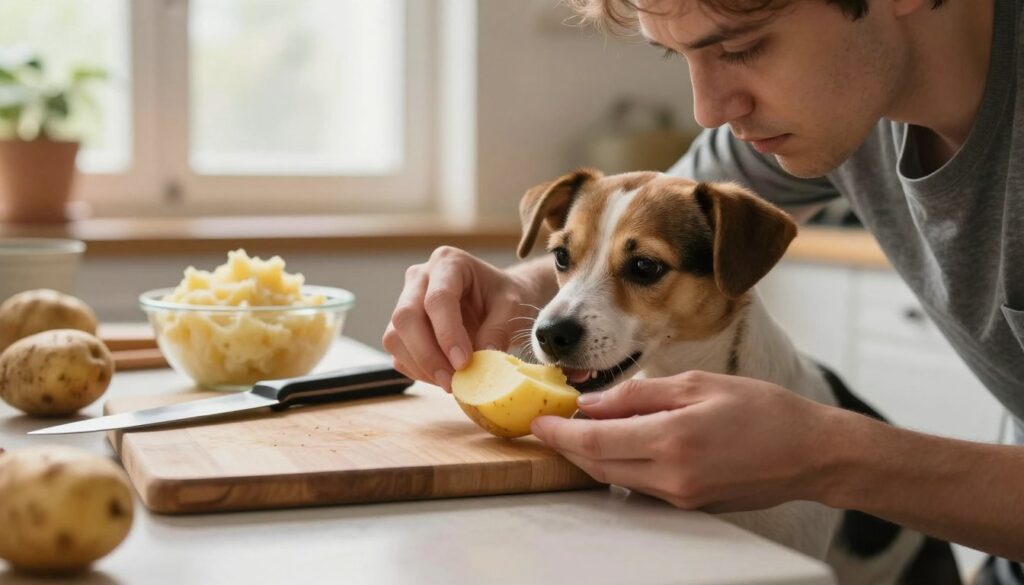
Cleaning is key before cooking. Dirt and debris on the skin can be harmful to your dog.
Use a vegetable brush under running water to scrub the potato. Thoroughly peeling the skin is crucial. The skin often has more solanine, which is toxic to dogs. Removing the peel makes the snack safer for your pet.
Ingredients to avoid when cooking for pets
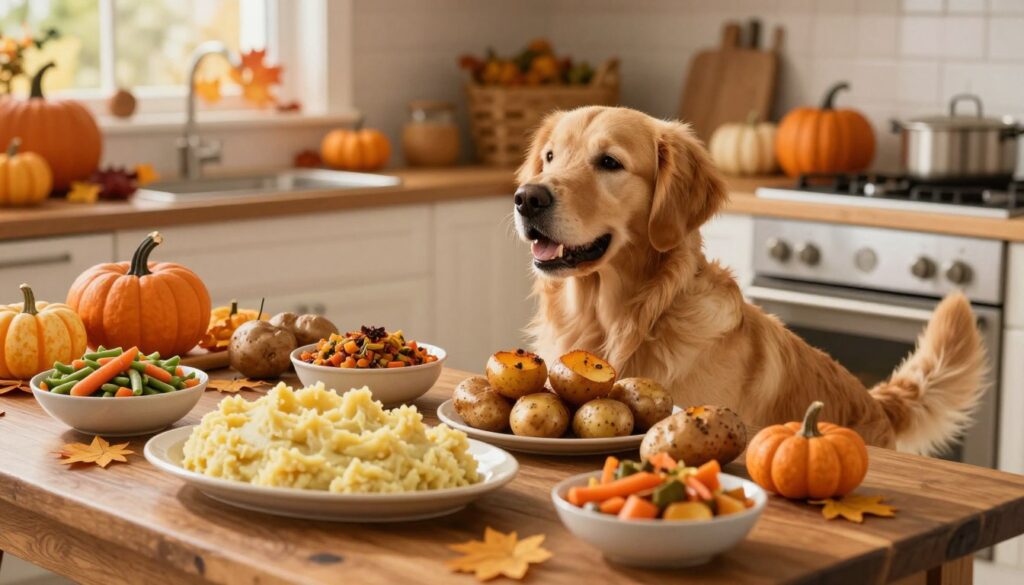
When cooking for your dog, it’s crucial to know which ingredients to skip. Many common foods can be harmful to pets. So, it’s important to choose pet-friendly thanksgiving foods carefully.
The toxicity of onions, chives, and garlic
Be very careful with onions, chives, leeks, and garlic. These belong to the Allium family and are highly toxic to dogs. They can be harmful in any form, whether raw, cooked, or powdered.
Eating these can damage your dog’s red blood cells. This can lead to hemolytic anemia, a dangerous condition. It’s a serious issue that needs quick attention.
“The safety of your pet should always be the primary concern when selecting ingredients for a homemade meal.”
Why dairy and excessive salt should be excluded
Many dogs can’t digest dairy well. This includes milk, cheese, or cream. Giving them these can cause stomach problems like gas, bloating, and diarrhea.
Also, don’t add salt to their food. Too much salt can cause dehydration and even salt poisoning. This is a serious emergency.
Stick to simple, whole foods when cooking for your pet. Avoiding harmful ingredients ensures your pet-friendly thanksgiving foods are safe and healthy for your furry friend.
Recognizing signs of potato toxicity or digestive upset
Knowing the early signs of illness is crucial for pet owners. While many dogs can eat small amounts of plain potato, seasoned dishes can be risky. This is especially true during holidays like dogs and thanksgiving dinner, where harmful ingredients are common.
Common gastrointestinal symptoms to monitor
If your dog eats a potato dish with harmful additives, watch them closely. Gastrointestinal distress is a common reaction. Look out for these symptoms:
- Persistent vomiting or dry heaving.
- Sudden onset of diarrhea or loose stools.
- Noticeable lethargy or a lack of energy.
- Abdominal pain, often shown by a hunched posture.
- Loss of appetite or refusal to drink water.
“The health of your pet is a reflection of the care you provide, especially when it comes to the food they consume.”
When to contact your veterinarian
Act fast if you think your dog has eaten something toxic. Mild stomach upset might go away on its own, but severe symptoms need immediate professional intervention. Don’t wait if your dog shows extreme discomfort or eats a lot during events like dogs and thanksgiving dinner.
Call your local clinic if you see blood in the stool, repeated vomiting, or if your dog seems confused. It’s always better to err on the side of caution with potential toxicity. Your vet can give the best advice based on your dog’s size, breed, and what they ate.
Potatoes in commercial dog food vs. homemade meals
Choosing between store-bought kibble and homemade meals is a big decision for pet owners. You might wonder if commercial food or homemade recipes are better for your dog’s health. This canine nutrition guide explains the differences in how potatoes are used in commercial food versus homemade meals.
How manufacturers process potatoes for safety
Pet food companies follow strict rules to make potatoes safe for dogs. They cook potatoes at high temperatures to make them highly digestible. This process also removes toxins like solanine found in raw potatoes.
These companies use special equipment to ensure every batch is the same quality. They remove skins to avoid bitterness and digestive problems. This method is hard to match at home without the right tools.
Balancing homemade meals with nutritional requirements
Cooking for your pet at home lets you control what they eat. But, it’s hard to make sure they get all the nutrients they need. Using potatoes as a main carb source requires careful planning to avoid nutritional gaps.
Homemade meals often lack the vitamins and minerals found in commercial foods. It’s important to work with a vet to make sure your dog’s diet is complete. Use this canine nutrition guide to weigh the pros and cons of each feeding method.
| Feature | Commercial Food | Homemade Meals |
|---|---|---|
| Processing | Industrial heat-treated | Boiled or baked at home |
| Safety | High (standardized) | Variable (user-dependent) |
| Nutritional Balance | Formulated by experts | Requires careful planning |
| Convenience | High | Low |
Healthy alternatives to potatoes for canine treats
Many owners want to give safe human foods for dogs that are more than just calories. While potatoes are common, other veggies often have better nutrition for your pet. The right snacks can boost your pet’s digestion and energy.
Benefits of sweet potatoes and yams
Sweet potatoes and yams are great, packed with nutrients. They’re full of fiber, which is good for your dog’s stomach. They also have beta-carotene, vitamin C, and potassium.
They have a lower glycemic index than white potatoes, so they don’t raise blood sugar as fast. Always cook them until soft by steaming or baking. Never give them raw, as they’re hard for dogs to chew and digest.
Other vegetable-based snacks for your dog
If you’re looking for healthy treats for dogs that are low in calories, try fresh, crunchy veggies. Carrots are a favorite because they’re cheap and clean teeth. You can give them raw or lightly steamed for better nutrient absorption.
Green beans are another wonderful, low-calorie snack that dogs love. They’re full of fiber and vitamins K and A. Always give them plain, without butter, salt, or seasonings, to keep them safe for dogs.
Conclusion
Feeding your dog well means paying close attention to what you give them. You now know how to pick safe foods and avoid harmful ones. This knowledge helps keep your pet safe and healthy.
Boiled potatoes can be a safe snack for dogs if done right. Make sure to remove the skin and avoid adding garlic or salt. These steps help ensure your dog gets a balanced diet without risks.
Adding healthy treats to your dog’s diet is good for their health. You can try sweet potatoes or fresh veggies for a change. These foods add important vitamins that boost their health and energy.
Always watch your dog when they try new foods. You need to check if they digest it well and if they have enough energy. If you see any odd signs, talk to your vet right away.
Choosing the right food for your dog is crucial for their happiness and health. Look for treats that fit their breed and how active they are. With the right food, your dog will be happy and healthy for a long time.