Dog Eating Cat Food: When to Worry and What to Do Next
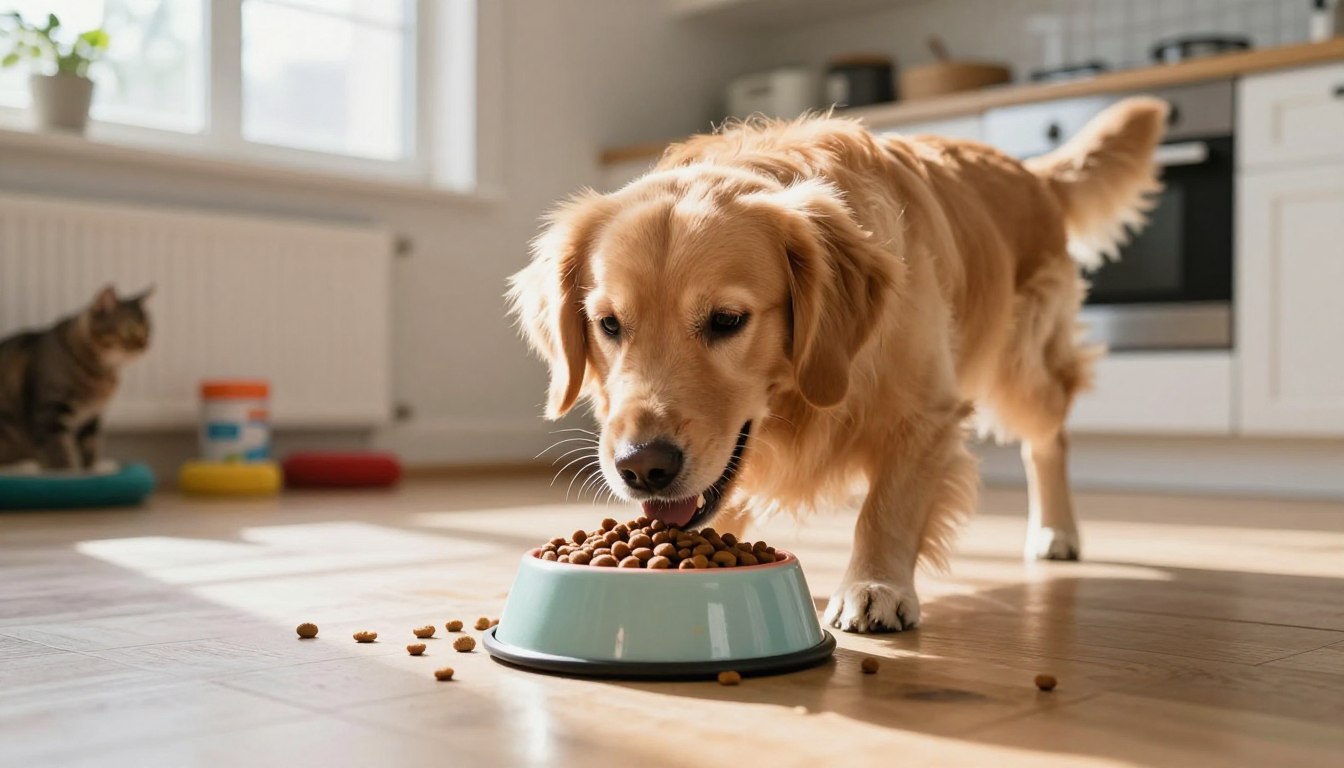
Ever walked into the kitchen to find your pet eating from the wrong bowl? It’s a common sight that makes many owners feel anxious and uncertain about their pet’s health.
While a single bite is usually okay, repeated consumption can cause serious problems. First, figure out how much they ate and check the ingredients for harmful additives. Watch for signs like vomiting, diarrhea, or weakness.
If your pet seems tired or in pain, call your vet right away. Puppies, senior animals, and those with health issues need help quickly.
Table of Contents
Why Dogs Eat Cat Food
Dogs eating cat food is a common issue. It’s not just about being hungry. Understanding dog eating cat food behavior helps manage your home better.
The Strong Smell and High Palatability of Cat Food
Cat food is made to smell and taste great. It has more protein and fat than dog food. This is because cats are meat-eaters.
The smell of cat food is very tempting to dogs. The concentrated flavor and rich texture make it hard for dogs to resist.
Food-Seeking, Boredom, and Opportunistic Behavior
Dogs are natural scavengers. They see any food as a reward. If bored or lacking mental stimulation, they might eat cat food.
“A dog’s nose is their primary tool for exploring the world, and they are hardwired to investigate high-value food sources whenever they are left unattended.”
If a dog gets away with eating cat food once, they’ll do it again. They see the cat’s bowl as a treat.
When Dog Stealing Cat Food Signals Increased Hunger
Dog stealing cat food can mean they’re not getting enough to eat. If your dog starts showing more interest in food, it’s time to check their diet.
Make sure your dog eats a balanced diet. If they’re always hungry, their diet might not be right.
Medical Conditions That Can Change Your Dog’s Appetite
Increased hunger can be a sign of health problems. If your dog is suddenly very hungry, it could be a sign of:
- Diabetes mellitus, which prevents the body from properly processing energy.
- Intestinal parasites that rob the body of essential nutrients.
- Cushing’s disease or other hormonal imbalances.
- Side effects from certain medications, such as steroids.
If your dog’s hunger is new or they’re losing weight, see a vet. A vet can check for serious health issues and keep your dog healthy.
Is Cat Food Toxic to Dogs?
If your dog has raided the cat’s bowl, you likely have questions about toxicity. Cat food is not poisonous to dogs. The smell and high protein in cat food might attract dogs. A single accidental mouthful is rarely a medical emergency for a healthy adult dog.
Why a Small Amount Usually Does Not Cause Poisoning
Most commercial cat foods are made for cats. They are safe for dogs in small amounts. But, it’s not a healthy choice for their regular diet.
How Cat Food Differs From Complete Dog Food
Cat food is more concentrated than dog kibble. Cats need more protein, fat, and specific amino acids like taurine. Regularly eating cat food can lead to nutritional imbalances or weight gain in dogs.
| Nutrient Category | Cat Food Focus | Dog Food Focus |
|---|---|---|
| Protein Content | Very High | Moderate |
| Fat Levels | High | Balanced |
| Essential Additives | Taurine/Arachidonic Acid | Vitamin/Mineral Balance |
Ingredients and Formulas That May Create Additional Risk
While the base ingredients are usually safe, some modern formulas present unique challenges. Understanding the dangers of dogs eating cat food requires looking at what else might be inside the bag. Certain recipes are designed to be extra palatable, which can lead to overindulgence.
Rich Fats, Excess Calories, and Digestive Irritation
Many premium cat foods are extremely high in fat to appeal to picky eaters. For a dog, this sudden influx of rich, fatty material can trigger significant digestive upset. In some cases, this leads to inflammation of the pancreas, which is a serious condition requiring veterinary care.
Onions, Garlic, and Other Unsafe Additives
Some cat food recipes include flavor enhancers like onion or garlic powder. These ingredients are toxic to dogs and can cause damage to their red blood cells if consumed in large enough amounts. Always check the label if you suspect your dog has eaten a significant portion of a new or specialized cat food brand.
Dog Eating Cat Food: When One-Time Access Is Usually Mild
While it’s not ideal, a healthy adult dog eating cat food once is usually not a big worry. Most dogs have strong digestive systems that can handle a little bit of foreign food without problems. If your pet only had a few bites, you can probably relax.
What You May Notice After a Few Bites
You might not see any changes in your dog’s behavior or health. If your dog has a sensitive stomach, you could notice temporary signs like mild gas or softer stools. These issues usually go away in a few hours as the food moves through their system.
How Portion Size, Your Dog’s Weight, and Health Affect Risk
The reaction’s severity depends on how much food they ate compared to their size. A big dog eating a little cat food is less likely to get sick than a small dog. Also, cat food is richer in protein and fat than dog food, which can affect how your dog reacts.
Why Puppies, Senior Dogs, and Dogs With Chronic Conditions Need Extra Caution
Be much more careful if your pet is a puppy, senior dog, or has chronic health issues. Puppies have developing immune systems, and senior dogs may have organ sensitivities. Dogs with conditions like pancreatitis or food allergies can have a serious flare-up from even a small amount of cat food, needing vet care.
When Monitoring at Home May Be Reasonable
If your dog is healthy and only had a tiny bit of cat food, watching them at home is okay. Just check their energy and appetite for the next day. If they’re active and drinking water, they’re probably fine. But if they keep vomiting or seem tired, call your vet right away to keep them safe.
Warning Signs After Your Dog Eats Cat Food
It’s important to know the early signs of illness if your dog eating cat food. Some pets might just feel a bit off, but it’s key to watch for signs of serious health issues.
Digestive Symptoms to Watch For
Vomiting, Diarrhea, Gas, and Abdominal Discomfort
High-fat cat food can upset your dog’s stomach. You might see a lot of gas or loose stools. Persistent vomiting or diarrhea can make them very uncomfortable. Keep an eye on their bathroom habits.
Loss of Appetite, Drooling, or Repeated Lip Licking
If your dog stops eating, it could mean they’re feeling sick. Look for a lot of drooling or repeated lip licking. These signs often mean the cat food is bothering their stomach.
Potential Signs of Pancreatitis
Persistent Vomiting, a Painful Abdomen, and a Prayer Position
One big danger of dogs eating cat food is pancreatitis. If your dog can’t keep water down or is in a “prayer position,” get help fast. This is a clear sign of intense abdominal pain.
Lethargy, Weakness, and Refusal to Eat or Drink
Pancreatitis can make your dog very tired and weak. If they seem very tired, weak, or won’t drink, don’t wait. These signs mean their body is struggling with the cat food.
Symptoms That May Indicate a More Serious Problem
Difficulty Breathing, Collapse, Seizures, or Pale Gums
Some symptoms are a true emergency and need immediate veterinary help. If your dog is having trouble breathing, collapsing, or having seizures, get them to an emergency clinic fast. Pale gums are also a warning sign of shock or serious internal problems.
Blood in Vomit or Stool and Severe Dehydration
Seeing blood in your dog’s vomit or stool is never normal and means serious trouble. Also, signs of severe dehydration, like dry, tacky gums or a loss of skin elasticity, need professional care. Never try to handle these critical symptoms at home without a vet’s advice.
What to Do Immediately After Your Dog Eats Cat Food
Discovering your dog has eaten cat food can be stressful. But, acting quickly can help. When you see your dog eating cat food, stop them right away. This helps prevent more eating and keeps things calm.
Remove Access and Determine How Much Your Dog Ate
First, move your dog away from the food. Make sure they can’t get back to it.
Try to guess how much they ate. Knowing this helps your vet figure out if they’ll be okay.
Check the Cat Food Label and Note Any Unusual Ingredients
Look at the cat food packaging. Check for things that are bad for dogs, like onion powder, garlic, or too much vitamin D.
Some cat foods have a lot of fat or protein. Knowing this is important if you need vet advice later.
Offer Fresh Water Without Forcing Food or Fluids
Make sure your dog has fresh water. This helps their stomach as they digest the food.
Don’t make them drink or eat more. This can make nausea or bloating worse.
What You Should Not Do at Home
It’s tempting to fix things fast, but some actions can be bad. Always get vet advice before acting.
Why You Should Not Induce Vomiting Without Veterinary Direction
Don’t make your dog vomit unless a vet tells you to. It can cause aspiration pneumonia or hurt their esophagus.
Why Human Medications and Home Remedies Can Make Matters Worse
Don’t give your dog human meds or “home remedies” like hydrogen peroxide. They can be very dangerous and cause harm.
Record the Time, Amount, Brand, and Symptoms
Write down what happened. Note the time, brand, and amount of food eaten.
Watch your pet for any changes. Having this info ready can help if you need vet advice.
When to Call Your Veterinarian or an Emergency Clinic
It’s important to know when your pet’s mishap is just a minor upset or a serious health issue. A single bite of cat food might not harm your dog, but knowing the dangers of dogs eating cat food helps you protect your pet’s health.
Contacting Your Regular Veterinarian for Guidance
If you’re unsure about your dog’s reaction, calling your vet is a good idea. They can give advice based on your dog’s health history and current weight. When you call, tell them the food brand, how much your dog ate, and when it happened.
“When in doubt, reach out to your veterinary team. They are trained to assess risk factors that owners might overlook during a stressful moment.”
Situations That Require Same-Day Veterinary Advice
Some situations need more than just watching your pet at home. You should get professional advice the same day if your pet seems distressed or ate a lot of food.
Repeated Vomiting, Ongoing Diarrhea, or Signs of Pain
If your dog keeps vomiting or has diarrhea, it could be a serious digestive issue. Look for signs of belly pain, like a hunched back or restlessness. These signs mean the cat food’s high fat is causing more than just a little upset stomach.
Large Amounts of Cat Food or Repeated Episodes
Eating a lot of cat food can upset a dog’s stomach. Also, if your dog keeps eating cat food, talk to your vet about managing this. Regularly eating cat food can lead to long-term health problems.
Emergency Symptoms That Should Not Wait
Some signs are urgent and need immediate help at an urgent care facility. Don’t wait if you see these serious signs.
Collapse, Severe Weakness, Trouble Breathing, or Seizures
If your dog collapses, is very weak, or has trouble breathing, get help right away. Seizures or sudden weakness are also emergencies. These symptoms are very serious and need quick help from a vet.
Suspected Toxic Ingredients or a Known Medical Condition
If the cat food had toxic ingredients like onions or garlic, call a clinic fast. Also, if your dog has a health condition like pancreatitis or diabetes, even a little cat food can be dangerous.
| Symptom Level | Action Required | Urgency |
|---|---|---|
| Mild Gas/Bloating | Monitor at home | Low |
| Single Vomit | Call for advice | Medium |
| Collapse/Seizure | Emergency Clinic | High |
Possible Consequences of Dogs Eating Cat Food Regularly
It might seem like a small treat, but dogs eating cat food can cause big problems. While a single snack is usually okay, eating cat food all the time can harm your dog’s health.
Weight Gain and Excess Calorie Intake
Cat food has more calories than dog food. It’s made for cats, with more protein and fat. This can make your dog gain weight quickly and possibly become obese.
Digestive Upset and Food Intolerance
Dogs can’t handle the high protein and fat in cat food well. Eating it often can cause vomiting, diarrhea, or gas. This can lead to long-term problems with their digestive system.
Pancreatitis Risk From Rich, High-Fat Meals
The biggest risk is pancreatitis. Cat food is too rich for dogs, which can hurt their pancreas. This is a serious condition that needs quick medical help.
“Feeding a dog a diet designed for a cat is like putting the wrong fuel in a high-performance engine; it may run for a while, but the internal damage is inevitable.”
Nutritional Imbalance When Cat Food Replaces Dog Food
Dogs and cats need different nutrients. Cat food doesn’t have what dogs need for good health. This can harm your dog’s coat, energy, and immune system.
How Frequent Cat Food Consumption Can Complicate Existing Health Problems
If your dog has health issues like diabetes or kidney disease, cat food can make things worse. The high protein and fat can upset blood sugar or strain organs. Keeping to a strict diet is crucial for managing these conditions.
| Feature | Dog Food | Cat Food |
|---|---|---|
| Protein Content | Moderate | Very High |
| Fat Content | Balanced | High |
| Risk Level | Low | High (if frequent) |
How to Stop a Dog From Eating Cat Food
Stopping a dog from eating cat food is easy with a few simple steps. By organizing your home, you can keep your pets healthy and avoid digestive problems.
Separate Feeding Areas for Your Dog and Cat
Designate specific areas for each pet’s meals. This means keeping their bowls in different rooms to avoid temptation.
Make sure your cat has a quiet spot to eat. This keeps them calm and away from your dog’s food.
Use Barriers, Gates, and Height-Safe Feeding Stations
If you can’t separate them completely, use barriers. A baby gate with a small door is a good choice.
For cats, place their food on a high spot like a cat tree. This keeps it out of your dog’s reach.
Schedule Meals Instead of Leaving Food Out All Day
Free-feeding can lead to dog stealing cat food. Scheduled meals help control when food is available.
Remove your cat’s bowl as soon as they finish. This stops your dog from eating leftovers.
Teach “Leave It” and “Drop It” With Positive Reinforcement
Training helps manage your dog’s impulses. Use treats to reward them for ignoring the cat’s bowl.
Be consistent with these commands. Always reward your dog to reinforce good behavior.
Supervise Meals Until the New Routine Is Reliable
Watch both pets closely during meals. This prevents accidents and helps you adjust your setup if needed.
Rewarding Calm Behavior Around the Cat’s Bowl
When your dog is calm near the cat’s bowl, reward them. This teaches them ignoring the food is good.
What to Do When Your Dog Reaches the Food Anyway
If your dog eats cat food, stay calm and use “drop it.” Avoid yelling to prevent anxiety.
Guide your dog away and give them a toy or treat. With patience, your dog will learn to ignore the cat’s food.
Making Your Dog’s Regular Diet More Satisfying
Stopping your dog from eating cat food starts with making their meals satisfying. Look at what’s in their bowl. If they’re hungry or bored, they’ll look for snacks elsewhere.
Confirm That Your Dog Is Eating an Appropriate Complete Diet
Make sure your dog eats a high-quality, complete diet. Many dog foods have all the vitamins and minerals they need. Consulting with your veterinarian helps pick the right food for your dog’s needs.
Review Portion Sizes, Treats, and Feeding Frequency
Maybe your dog isn’t getting enough calories. Keep track of their food and treats to avoid underfeeding. Smaller, more frequent meals can keep their energy steady.
“A satisfied dog is less likely to scavenge for food that isn’t meant for them. Proper nutrition is the foundation of good behavior.”
Use Safe Enrichment to Reduce Food-Seeking Behavior
Enrichment activities keep your dog busy and less likely to look for cat food. When they’re solving a problem, they’re not thinking about the cat’s bowl.
Food Puzzles, Snuffle Mats, and Measured Training Rewards
Use snuffle mats or puzzle feeders to make meals fun. You can also use kibble for training, teaching good habits and keeping them busy.
Exercise and Mental Stimulation for Dogs That Beg or Scavenge
Exercise helps manage energy and reduces the urge to look for snacks. A tired dog is usually well-behaved and less interested in food.
| Strategy | Benefit | Goal |
|---|---|---|
| Puzzle Feeders | Mental Engagement | Slow down eating |
| Snuffle Mats | Natural Foraging | Reduce boredom |
| Training Rewards | Positive Reinforcement | Build focus |
When Increased Hunger Deserves a Veterinary Examination
If your dog suddenly wants to eat all the time, it might be a health issue. Why dogs eat cat food is important, but sudden hunger can mean diabetes or thyroid problems. Always seek professional advice if your dog’s eating habits change a lot.
Protecting Your Cat’s Food and Your Dog’s Health Long Term
Creating a lasting routine is key to keeping your cat’s food safe and your dog healthy. To stop your dog from eating cat food, you need to manage the environment and train consistently. This approach makes your home safer for all pets.
Create a Consistent Feeding Routine for Both Pets
Feeding your pets at the same time every day is very helpful. It stops them from eating when they shouldn’t. Consistency helps your dog know when it’s their turn to eat, not the cat’s.
Store Cat Food, Treats, and Open Containers Securely
Many owners don’t realize how easy it is for a dog to get into the pantry. Always keep cat food in airtight, chew-proof containers out of reach. This simple step keeps your home safe and organized.
“The secret to a harmonious multi-pet household lies in the intentional design of their daily environment.”
Keep a Record of Repeated Food-Stealing Episodes
If your dog keeps sneaking food, start a log. Write down the time, how much they ate, and any symptoms. This information is crucial when talking to your vet about how to stop a dog from eating cat food.
| Prevention Method | Difficulty Level | Effectiveness |
|---|---|---|
| Elevated Feeding | Low | High |
| Baby Gates | Medium | Very High |
| Scheduled Meals | High | Moderate |
Ask Your Veterinarian About Diet Changes for Sensitive Dogs
Some dogs are more food-motivated or have sensitive stomachs. Your vet can recommend specialized diets that meet your dog’s needs without the risks of cat food. Always get professional advice before changing your pet’s diet.
Balance Safety With Both Pets’ Comfort and Normal Eating Habits
Your goal is to keep your cat calm and your dog healthy. Avoid making your cat feel trapped or stressed during meals. By balancing safety with comfort, you ensure both pets enjoy their meals in a safe, relaxed space.
Conclusion
Keeping your pet’s environment safe is key to avoiding risks from eating cat food. A small amount of cat food is usually okay for a healthy dog. But, it’s important to watch each situation closely.
Big amounts or cat food with harmful additives can be dangerous. Look out for signs like vomiting, diarrhea, or feeling tired. If your dog has trouble breathing or collapses, get help right away.
The effects of dog eating cat food depend on the dog’s size, age, and health. If your dog shows symptoms, talk to your vet. They can help keep your dog safe and healthy with the right food.
Share your tips on keeping pets safe from bad food in the comments. Your stories can help others keep their pets safe too.