When to Switch to Adult Dog Food: A Complete Puppy Feeding Guide
Watching your furry friend grow is a truly rewarding journey. You want the best for them, and good nutrition is key. Many owners wonder when to switch to adult dog food, thinking it’s just about their birthday.
But age isn’t everything. Your pet’s needs change based on their breed size, body condition, and health. Small breeds grow faster than big ones, so their food needs change sooner.
Patience is essential during this time. Don’t rush the switch. Watch your pet’s growth and talk to your vet. A slow transition helps keep your pet healthy and full of energy.
Table of Contents
When to Switch to Adult Dog Food
Finding the right switch to adult dog food age needs watching your dog grow. It’s not just a simple switch. Getting it right is key for your pet’s health and energy.
Why the right timing matters for growth and long-term health
Right nutrition at the right time helps your dog grow strong bones and muscles. Keeping them on puppy food too long can lead to too much weight.
Switching too soon might cut off the nutrients they need for growth. A smooth adult dog food transition keeps your puppy’s nutrition right while avoiding the risks of staying on puppy food too long.
How puppy food differs from adult dog food
Puppy food is made for fast growth, while adult food is for keeping them healthy. Knowing these differences shows why when to switch is so important for your dog’s health.
- Calorie Density: Puppy food has more calories to support their growth.
- Protein and Fat: These are adjusted for muscle and brain growth in young dogs.
- Mineral Balance: Puppy diets have the right calcium and phosphorus for bone growth.
Why your dog’s expected adult size affects the switch
Every dog is different, and the when to switch to adult dog food depends on breed size. Smaller dogs grow up faster than bigger ones.
Big dogs need more time for their bones to grow. Always talk to your vet to make a plan that fits your dog’s growth and size.
Understanding the Adult Dog Food Timeline by Breed Size
Your dog’s growth path is unique. Knowing the adult dog food timeline is key for their health. Different breeds mature at different times. So, there’s no one-size-fits-all date for every puppy.
Choosing the right time to switch to adult dog food is crucial. It ensures your pet gets the nutrients they need at each stage of life.
Toy and small-breed puppies
Typical switch age and growth pattern
Small breeds grow fast. They often reach full size early, moving into the adult dog food stages before their first birthday.
- They need nutrient-rich puppy food at first.
- They usually stop growing between 9 and 12 months.
- Look for a weight gain plateau to talk to your vet.
Medium-breed puppies
How to recognize the end of the rapid-growth stage
Medium-sized dogs grow steadily. They slow down as they near their first year.
“The transition to an adult diet should be based on the individual dog’s body condition score rather than just the calendar.”
Large- and giant-breed puppies
Why controlled growth may require puppy food for longer
Large and giant breeds grow slowly. Their bones and joints need careful, controlled growth to avoid problems. So, they often stay on puppy food longer.
| Breed Size | Growth Speed | Typical Maturity |
|---|---|---|
| Toy/Small | Rapid | 9-12 Months |
| Medium | Moderate | 12-14 Months |
| Large/Giant | Slow/Extended | 18-24 Months |
Mixed-breed puppies with uncertain adult size
How your veterinarian can estimate an appropriate feeding timeline
Predicting the size of a mixed-breed puppy is hard. Your vet is the best guide for the right adult dog food stages.
They’ll look at your puppy’s growth and size to suggest the best time to switch. Professional advice helps avoid feeding too early or too late.
Signs Your Growing Dog Is Ready for an Adult Diet
Knowing when your dog is ready for adult food is key. Age is not the only clue; watching your dog grow is more important. This way, you can give them the right food as they get older.
Growth has slowed or reached a stable stage
Puppies grow fast in their first year. When this growth stops, they don’t need puppy food anymore. You’ll see their size stay the same for weeks.
Your puppy is approaching expected adult height and weight
Dogs usually stop growing by one year old. But big dogs might take longer. If your vet says your dog is the right size, it’s time for adult food.
Body condition remains healthy with appropriate portions
A healthy dog has a clear waistline and you can feel their ribs. If they stay in shape on regular food, they’re ready for adult food. This shows their metabolism is stable.
Energy needs are becoming more consistent
Puppies have lots of energy that changes a lot. As they grow up, their energy stays the same all day. This means they don’t need as much food for growth anymore.
How to distinguish readiness from a temporary appetite change
It’s easy to think a dog is ready for adult food if they skip a meal. But, sometimes they just don’t want to eat for a day. True readiness for adult food is a slow change, not a quick decision.
Signs that require veterinary guidance instead of a food change
If your dog keeps showing signs that don’t go away, don’t change their food yet. Talk to your vet if you see:
- Chronic vomiting or persistent diarrhea.
- Unexplained weight loss or lethargy.
- A complete refusal to eat for more than 24 hours.
- Visible signs of pain or discomfort after meals.
| Indicator | Puppy Stage | Adult Readiness |
|---|---|---|
| Growth Rate | Rapid and visible | Stable and plateaued |
| Energy Levels | Erratic bursts | Consistent and steady |
| Body Shape | Changing proportions | Defined waist and structure |
| Appetite | High caloric demand | Maintenance requirements |
Choosing the Right Adult Dog Food for Your Dog
Looking for the right dog food can be tough. It’s easy to get caught up in marketing. But, it’s key to look beyond the packaging for your dog’s health.
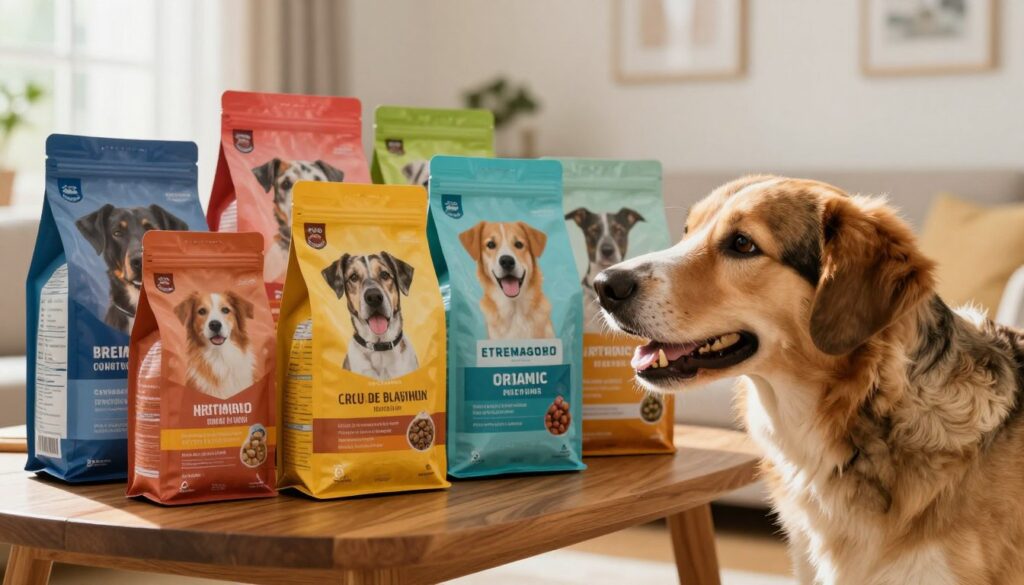
Match the formula to life stage and adult size
Dogs grow at different rates. So, picking the right food for their life stage is crucial. Choose a formula that fits your dog’s expected adult size, whether small or large.
Look for a complete and balanced nutritional statement
Check the back of the bag for a complete and balanced nutritional statement. This label shows the food meets AAFCO standards. It means your dog gets all the vitamins and minerals they need without extra supplements.
Consider activity level, body condition, and sterilization status
Your dog’s energy needs are important when choosing food. Spayed or neutered dogs may need less food to avoid weight gain. Keep an eye on their body condition to ensure they stay healthy.
Account for allergies, sensitivities, and existing health conditions
Some dogs have food sensitivities that need special diets. If your dog has chronic itching or digestive issues, find the cause. Watch how they react to new foods to manage these problems.
When a prescription diet may be more appropriate
Standard dog foods might not be enough for some dogs. If your vet says your dog needs a prescription diet, listen. These diets are made for specific health needs, so talk to your vet before switching.
How Much to Feed During the Adult Dog Food Switch
Finding the right amount to feed is key during the adult dog food transition. Labels on food packages give a starting point, but they’re not set in stone for every dog.
Use feeding guidelines as a starting point, not a fixed rule
Every dog is different, and their metabolism can vary a lot. The amounts on the bag might be off for your dog. Start with these numbers, but be ready to tweak them as needed.
Calculate portions from calories and your dog’s target weight
Look at the food’s calorie density, not just the scoop size. If your dog is at a good weight, pick a food that matches their energy needs. If you’re unsure about calories, ask your vet for help.
Adjust meals for activity, treats, and body condition
Treats and snacks add up in calories. If your dog is less active, you might need to cut down their main meals. Consistency is key in balancing these calories with their main diet.
How to assess your dog’s ribs, waist, and abdominal tuck
Checking your dog’s body is the best way to see if they’re healthy. You should be able to feel their ribs without a lot of fat. Look for a clear waistline and an abdominal tuck when viewing from the side.
Feeding is not just about filling a bowl; it is about providing the precise fuel your dog needs to thrive at every stage of life.
Set a consistent meal schedule
Having a regular meal time helps your dog’s digestion and hunger. Eating at the same times each day makes it easier to track their food intake and notice any changes.
When two daily meals work better than free-choice feeding
Most adult dogs do better with two meals a day than having food out all the time. This helps prevent overeating and lets you keep track of their adult dog food transition intake.
| Factor | Impact on Portion | Action Required |
|---|---|---|
| High Activity | Increases energy burn | Increase portion slightly |
| Treat Intake | Adds hidden calories | Reduce meal size accordingly |
| Body Condition | Indicates weight status | Adjust based on rib feel |
Account for water intake and changes in stool volume
Watch your dog’s water and stool during the adult dog food transition. Changes in food can affect their stool. Always make sure they have fresh water to help with digestion and nutrient absorption.
How to Transition to Adult Dog Food Safely
Transitioning to adult dog food is all about small steps. This helps your pet adjust smoothly. It keeps their appetite healthy while their body gets used to new food.
Prepare before you begin the adult dog food transition
Choose a suitable formula and measure both foods accurately
First, pick a high-quality adult food that fits your dog’s size and activity. Consistency is key. Use a measuring cup or digital scale to get the right amount of food.
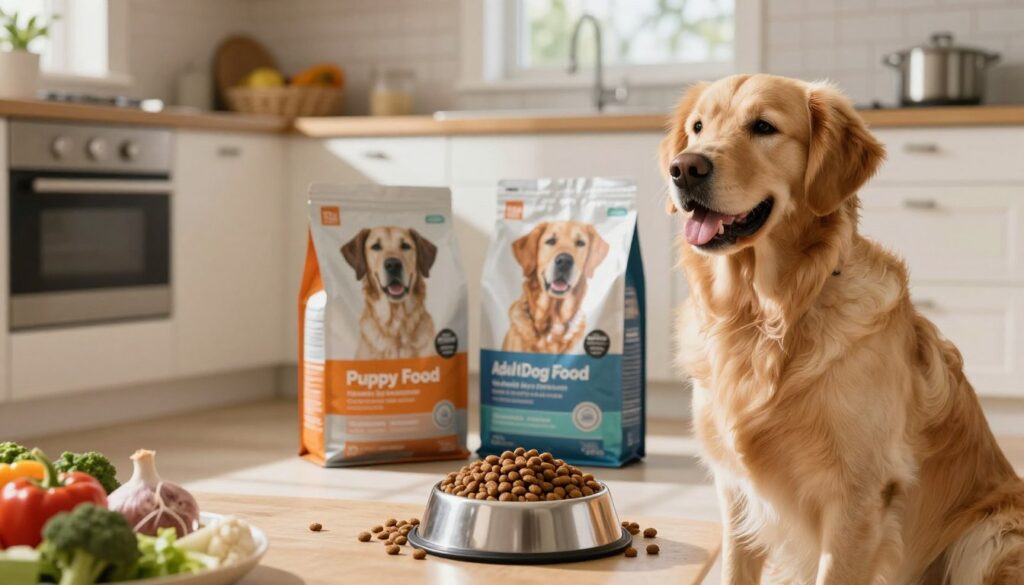
Start with a small amount of adult food
Days one and two: mostly puppy food with a small adult-food portion
Start by mixing a small amount of adult food into your dog’s puppy kibble. Aim for 25% adult food and 75% puppy food. This small change helps your dog get used to the new taste without upsetting their stomach.
Increase the adult-food ratio gradually
Days three through five: balance acceptance with digestive tolerance
If your dog seems fine, you can try a 50/50 mix. Watch their stool and energy closely during these days. This is key for a smooth transition.
Complete the transition at your dog’s pace
Days six through ten: move to a full adult-food serving when appropriate
By day six, you can try 75% adult food and 25% puppy food. If all looks good, you can switch to 100% adult food by day ten. But remember, every dog is different, and some might need more time.
Slow down or pause if digestive problems appear
If your dog has loose stools, vomits, or loses appetite, slow down. Go back to the previous mix for a few days. If problems don’t go away, talk to your vet to make sure the new food is right for your dog.
Common Problems During the Adult Dog Food Introduction
Introducing adult dog food needs patience and watching your pet closely. Even with a slow transition, your dog might react to new ingredients or how much they eat.
Loose stools, gas, or vomiting
What mild digestive upset may mean
It’s normal for dogs to have minor gas or softer stools when they start a new diet. This means their gut is adjusting to the new food. If your dog is still playful and hungry, these signs usually go away in a week.
When vomiting or diarrhea requires prompt veterinary care
If your dog’s symptoms get worse or don’t go away, call your vet. Look out for bloody stool, repeated vomiting, or extreme lethargy. These are not normal and might mean your dog has an intolerance or a serious health problem.
“The secret of getting ahead is getting started, but the secret of success is staying consistent and observant during the process.”
Your dog refuses the new food
Safe ways to improve acceptance without creating picky habits
If your dog doesn’t want to eat the new food, don’t add human food or too much topping. Try warming the food a bit or adding a little warm water to make it smell better. Consistency is key; keep offering the food at the same times to help them get used to it without being too picky.
Your dog seems hungry after the switch
How to check calories, portions, and meal frequency
It’s possible your dog seems hungry because the new food has different calories. Check the feeding instructions to make sure you’re giving the right amount for their size. If they’re still hungry, try giving them more frequent, smaller meals to keep them full.
Your dog gains or loses weight unexpectedly
How to make measured adjustments and track progress
Weight changes are common when starting a new diet. Use a body condition score chart to check your dog’s shape, not just their weight. If they’re gaining or losing weight, change their daily food by 5% to 10% and watch for two weeks before making more changes.
Special Situations That Can Change the Adult Food Switch Age
While there are general guidelines, your dog’s unique biology might need a different approach. Factors like genetics, health history, and lifestyle can affect when a puppy is ready for adult food.
Early or late-maturing dogs
Some breeds grow faster, while others grow slower. If your dog grows quickly, they might need to switch to adult food sooner to avoid gaining too much weight. On the other hand, slow-growing dogs need puppy food for longer to support their bones.
Large-breed puppies with orthopedic risk
Large and giant breeds can face joint problems if they grow too fast. It’s important to manage their food intake to prevent bone stress. Your vet might suggest a specific switch to adult dog food age to keep your dog lean during their growth.
Dogs that have been spayed or neutered
Spaying or neutering can make a dog gain weight if their diet doesn’t change. You might need to adjust the food switch time to prevent obesity. It’s more important to watch your dog’s body condition than the calendar date.
Underweight, overweight, or highly active young dogs
Dogs with different activity levels need different amounts of food. A very active dog might need puppy food for longer. An overweight puppy might need to switch to adult food earlier to manage their weight.
Dogs with food allergies or chronic digestive conditions
Some dogs may react to certain ingredients in puppy food. Your vet might suggest switching to adult food sooner if your dog has sensitivities. Prioritizing digestive health is key for dogs with sensitive stomachs.
“Every dog is an individual, and nutritional needs should be tailored to the specific health status and growth rate of the animal rather than just their age.”
Why your veterinarian may recommend a customized adult dog food timeline
Your vet knows best because they can look at your dog’s growth, body condition, and health history. They can help you consider:
- Identifying signs of joint discomfort or developmental issues.
- Calculating precise caloric needs based on current weight and activity.
- Selecting formulas that address specific food sensitivities.
- Adjusting the transition speed to prevent gastrointestinal distress.
How to Monitor Your Dog After the Food Change
Switching to adult dog food is just the start. It’s crucial to keep watching how your dog reacts to the new food. This ensures it meets their specific needs.
Track body condition rather than relying only on the scale
Weight is important, but body condition tells more about health. You should be able to feel your dog’s ribs without seeing them. They should also have a clear waistline when viewed from above.
Focus on muscle tone and fat distribution, not just the scale. If your dog seems too thin or too heavy, adjust their food intake.
Watch stool quality, appetite, energy, and coat condition
The adult dog food introduction should lead to firm, consistent stools. Persistent diarrhea or gas might mean the new food doesn’t agree with them.
Also, observe their energy levels and coat shine. A healthy dog stays active and has a soft, shiny coat during the transition.
Reassess portions during seasonal or lifestyle changes
Your dog’s calorie needs change over time. Weather, exercise, or household activity can affect their food needs.
Spayed or neutered dogs might need less food due to slower metabolism. Be prepared to adjust their portion sizes to prevent weight gain.
When to weigh your dog and record changes
Keep a log to track your dog’s progress. Weighing them every two weeks helps spot trends.
- Record the date and current weight.
- Note any changes in daily portion sizes.
- Document observations regarding stool quality or energy.
Schedule a veterinary check when progress is unclear
If you’re unsure about your dog’s progress after the adult dog food introduction, contact your vet. Professional advice is crucial when you’re not sure about the diet.
A vet visit can check for underlying health issues that might be hidden by dietary changes. It’s better to be proactive than to wait for problems to get worse.
Questions to ask about nutrition, calories, and adult growth
Prepare specific questions for your vet visit. Ask about your dog’s body condition score, calorie needs, and feeding frequency based on their growth stage.
- Is my dog’s current body condition score within the ideal range?
- Are the calorie counts in this adult dog food switch appropriate for my dog’s activity level?
- Should I adjust the feeding frequency based on my dog’s current growth stage?
Conclusion
Figuring out when to switch to adult dog food is all about your pet. Look at their breed size, growth rates, and body condition. Every puppy is different, so there’s no one-size-fits-all age for switching.
Choose a complete and balanced food that meets your dog’s health needs. A slow transition helps avoid upset stomachs. Keep an eye on your dog’s weight and energy to make sure they’re getting enough food.
Watch for changes in your dog’s growth to know when to switch to adult food. Pay attention to their stool quality and coat health. These signs show how well they’re adapting to the new food.
If you’re unsure about when to switch, talk to your vet. They can offer advice tailored to your dog’s health and growth. This way, you can help your dog grow into a healthy, happy adult.