Best Dog for Older Women: Small, Calm, and Loving Breeds
Finding a loyal companion is a beautiful journey. You deserve a pet that matches your pace of life. They should offer unconditional affection without overwhelming you.
The best dog for older women fits well into your home. They respect your mobility and schedule. Whether you want a lap warmer or a walking partner, the right breed is key to your happiness.
This guide helps you choose a pet for your golden years. We’ll talk about temperament, grooming, and training. You’ll learn about health, safety, and costs. This will help you decide between a puppy or a senior pet.
Table of Contents
What Makes a Dog Senior-Friendly for Your Lifestyle
Choosing a dog that fits your lifestyle is key to happiness. When looking at senior-friendly dog breeds, think about their needs and your daily life. A good match can bring joy and improve your well-being.
Size, strength, and safe handling around the home
Size matters when picking a pet. Smaller dogs are easier to handle, especially for walks. Safe handling is crucial to avoid accidents at home.
Energy level, exercise needs, and daily routine
Dogs need activity, but the type varies. Look for breeds that enjoy walks, not intense runs. A regular daily routine makes both you and your dog feel secure.
- Assess your ability to walk the dog daily.
- Consider if you prefer indoor play or outdoor exploration.
- Match the dog’s stamina to your own energy levels.
Temperament traits that support companionship and emotional comfort
The best senior-friendly dog breeds are calm and loving. You want a pet that offers emotional support without being too much. A gentle nature makes training easier and keeps your home peaceful.
Grooming, shedding, barking, and other maintenance considerations
Maintenance tasks can be a hassle if they’re too much. Think about grooming time and if a breed barks a lot. Excessive barking can disrupt your peace or disturb neighbors.
How your housing, mobility, and support system affect your choice
Your living situation affects the dog you can have. Apartment dwellers need pets that fit small spaces. Consider your mobility and support system for vet visits and grooming.
Best Dog for Older Women: Small, Calm, and Loving Breeds
Finding a devoted companion starts with knowing which small breeds love a relaxed setting. Choosing the right pet is a big decision that affects your daily happiness. These companion dogs for older females are chosen for their gentle nature and small size.
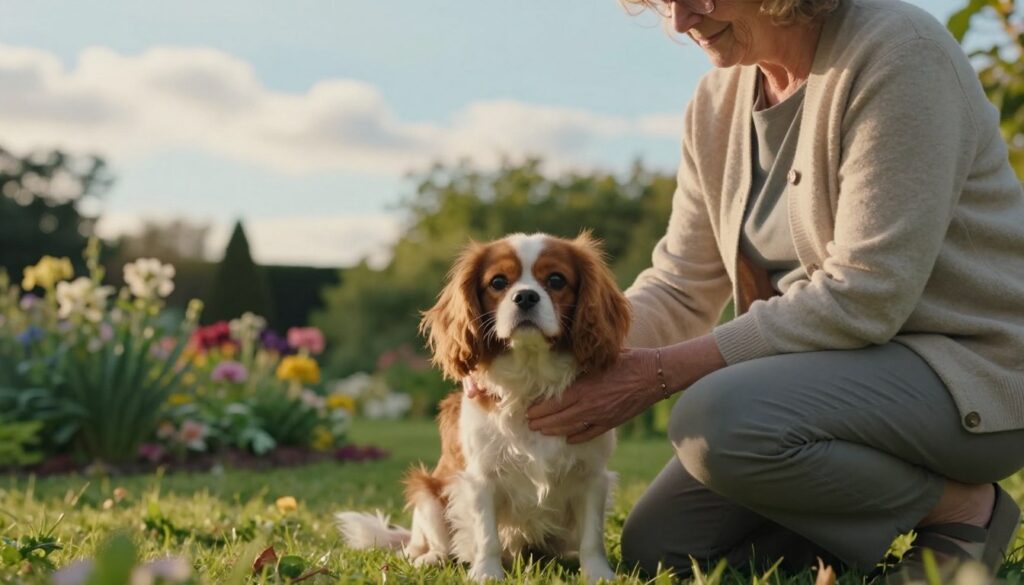
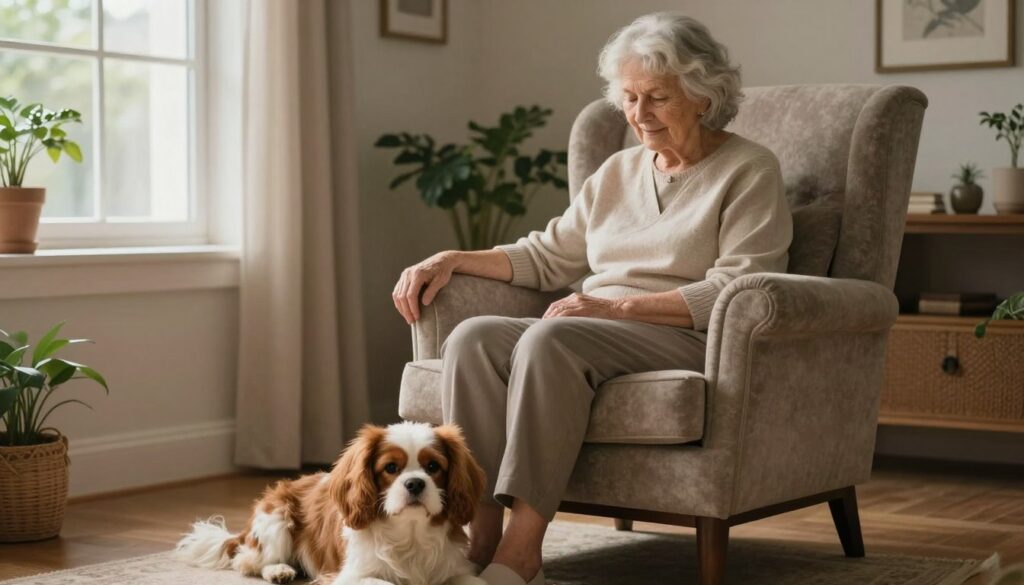
Cavalier King Charles Spaniel for affectionate companionship
The Cavalier is known for its sweet and gentle personality. They are very devoted and love to be by your side.
Shih Tzu for relaxed indoor living
If you like a dog that loves to lounge, the Shih Tzu is perfect. They are sturdy yet small, making them great for indoor life.
Havanese for a cheerful, people-focused personality
Havanese dogs are known for their bouncy and happy nature. They are very social and love being the center of attention.
Bichon Frise for a sociable and low-shedding companion
The Bichon Frise is a great choice for a cheerful friend with a hypoallergenic coat. They are playful but don’t need a lot of exercise.
Maltese for a tiny, loyal lap dog
Maltese dogs are the ultimate lap dogs. Their small size makes them easy to handle, and they are very loyal.
Miniature Poodle for intelligence and easy training
If you want a smart dog, the Miniature Poodle is a great choice. They are highly trainable and adapt well to your home.
Toy Poodle for a highly trainable small companion
The Toy Poodle is intelligent like its larger cousins but in a tiny package. They are excellent for those who want a responsive and attentive pet.
Japanese Chin for a quiet and independent temperament
The Japanese Chin is a refined breed that is often described as cat-like. They are quiet, calm, and perfect for a peaceful home.
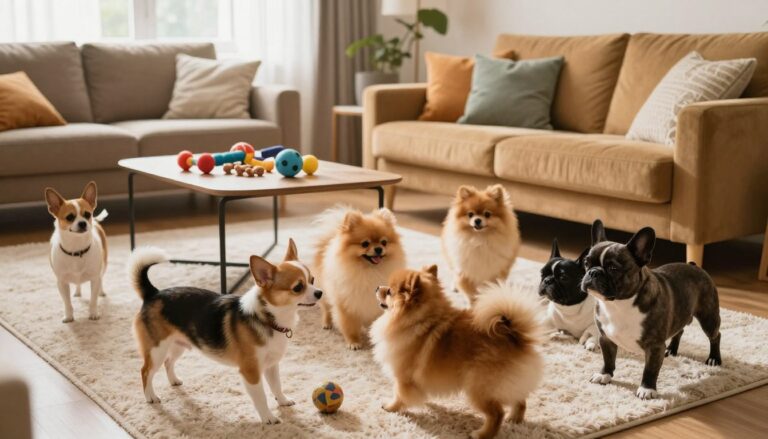
Pomeranian for an alert and devoted companion with manageable size
Pomeranians are small, alert, and full of personality. They make excellent watchdogs while being deeply affectionate towards their owners.
French Bulldog for a calm, affectionate home companion
French Bulldogs are known for their easygoing nature and low exercise needs. They are sturdy, quiet, and love to relax on the sofa with you.
| Breed | Size | Energy Level | Grooming Needs |
|---|---|---|---|
| Cavalier King Charles | Small | Low-Moderate | Moderate |
| Shih Tzu | Small | Low | High |
| Bichon Frise | Small | Moderate | High |
| French Bulldog | Small/Medium | Low | Low |
| Toy Poodle | Tiny | Moderate | High |
When choosing companion dogs for older females, think about your schedule and home space. Each breed has unique benefits. Find the one that fits your lifestyle best. A well-matched dog will bring joy and comfort to your home for years.
Best Small Dogs for Apartments, Condos, and Smaller Homes
Many small dogs for older women do well in small spaces, like city apartments or cozy condos. Even though they are small, they need careful planning to feel safe and happy. Choosing the right breed can make a small space feel warm and welcoming for you and your pet.
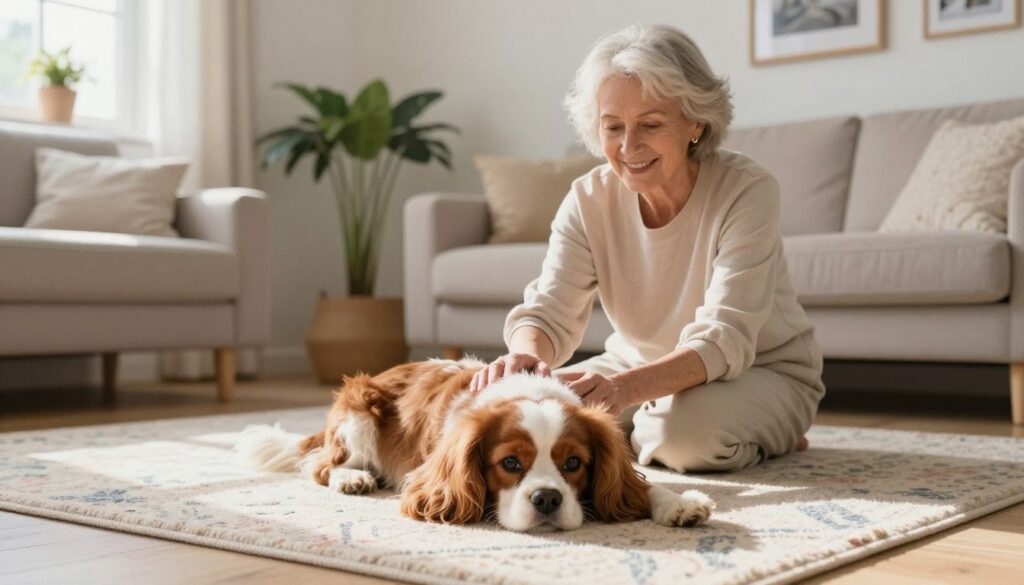
Breeds that adapt well to limited indoor space
Not all dogs need a big backyard to be happy. Breeds like the Havanese or the Cavalier King Charles Spaniel are great for small rooms. These small dogs for older women love being close to their owners, not running in big fields.
How barking, stairs, elevators, and neighbors influence your decision
When you live in a shared building, think about your neighbors when picking a pet. Some dogs bark a lot, which can be a problem in apartments. Look for quiet, calm dogs to avoid noise issues in elevators and hallways.
Creating a comfortable daily routine without a large yard
You don’t need a big lawn for your dog to get exercise. Short walks around your neighborhood or a local park are enough. Enrichment activities, like puzzle toys or indoor games, can keep them busy on rainy days.
Apartment safety considerations for small and senior dogs
Safety is key in apartments or homes with stairs. Make sure your dog is okay with being carried or walking on a leash. A cozy spot away from busy areas will keep your pet safe and secure.
| Breed Trait | Apartment Suitability | Noise Level |
|---|---|---|
| Cavalier King Charles | Excellent | Low |
| French Bulldog | Excellent | Very Low |
| Bichon Frise | Good | Moderate |
| Pomeranian | Moderate | High |
By considering these factors, you can find small dogs for older women that fit your lifestyle. A bit of planning ensures your apartment stays peaceful for you and your pet.
Low-Maintenance Dogs for Elderly Women
Finding the right pet means balancing love with daily chores. When looking for low maintenance dogs for elderly women, you want a pet that improves your life. You aim for a balance between emotional support and the effort to keep your home and pet clean.
Comparing coat care, shedding, bathing, and professional grooming
Dogs need grooming, but the amount varies by breed. Dogs with long hair need daily brushing to avoid mats. Short-coated dogs shed more, leaving hair on furniture.
Think about whether you prefer a dog groomed by professionals or one you can brush at home. Consistency is key to keeping your pet and home clean, no matter the coat type.
Breeds with manageable exercise and training requirements
Exercise is important for health but should be fun for you and your dog. Many small breeds are happy with short walks and indoor play, fitting a relaxed lifestyle.
Training needs also affect a dog’s work level. Choosing a breed that’s eager to please saves time and helps establish a peaceful routine.
Why an adult dog may require less work than a puppy
Adult dogs are often the best choice for a calm companion. Puppies need constant supervision, frequent house-training, and intense socialization, which can be tiring.
An adult dog usually has a set personality and energy level. This means you know what you’re getting, helping you keep a low maintenance home from the start.
Balancing low maintenance with companionship and health needs
While you want a low-maintenance dog, don’t sacrifice the bond you share. Health needs, like vet visits and dental care, are crucial for your dog’s well-being and your friendship.
| Feature | Low-Shedding Breed | Short-Coated Breed |
|---|---|---|
| Grooming Needs | High (Professional) | Low (Occasional) |
| Shedding Level | Minimal | Moderate to High |
| Exercise Needs | Low to Moderate | Moderate |
| Training Effort | Easy to Moderate | Moderate |
The best low maintenance dogs for elderly women match your lifestyle and energy. By focusing on health and temperament, your new friend will bring joy, not stress.
Easy-to-Train Dogs for Elderly Women
Finding the right dog means looking for breeds that are easy to train. These dogs make learning a fun bonding experience. Consistency and patience are key, no matter the breed.
Breeds that respond well to positive reinforcement
Positive reinforcement is the best way to teach your dog. It uses treats, praise, or petting for good behavior. Dogs that thrive on this approach learn quickly that good behavior is rewarded.
“The secret to training is not force, but the clear communication of expectations through kindness and rewards.”
House-training, leash skills, and reliable recall
House-training needs a routine. Taking your dog out at the same times helps them learn. Leash skills improve with predictable walks, making your dog feel secure by your side.
- Consistent schedules reduce accidents inside the home.
- Short, frequent walks help build leash manners.
- Using a specific command for recall ensures your dog returns to you safely.
Using short training sessions that fit your energy level
You don’t need to train for hours to see results. Short, five-minute sessions are more effective. These sessions keep your dog engaged without draining your energy.
Focus on one command per session to avoid confusion. Keeping training light and fun keeps your dog excited to learn every day.
Managing stubbornness, separation anxiety, and excessive barking
Even smart dogs can show stubbornness or anxiety. Excessive barking might be due to boredom or a need for mental stimulation. Puzzle toys or games can help a dog left alone.
For separation anxiety, start with short absences and gradually increase time. Patience is your greatest tool for these challenges. A calm approach helps create a peaceful home for both you and your dog.
Hypoallergenic Dogs for Older Women With Allergies
If you’re looking for a pet but have allergies, it’s important to know your options. Many people look for hypoallergenic dogs for older women to avoid sneezing and itchy eyes. But remember, no dog is completely free from allergens.
What hypoallergenic really means for you and your home
“Hypoallergenic” means a breed is less likely to cause allergies. But allergens are in a dog’s saliva, urine, and dander, not just fur. Even low-shedding dogs can still spread these tiny particles around your home.
Choosing breeds that shed less is a good idea for your health. But, always be ready for how your body might react to a new pet. Keeping your home clean regularly is more important than the breed you pick.
Small breeds with lower-shedding coats
Small breeds with hair instead of fur are popular for their low shedding. They’re often suggested as hypoallergenic dogs for older women who want less cleaning. The Bichon Frise, Miniature Poodle, and Maltese are good choices.
- Bichon Frise: Known for a cheerful personality and a coat that traps dander.
- Miniature Poodle: Highly intelligent and produces very little dander.
- Maltese: A tiny, elegant companion with a silky coat that sheds minimally.
Testing your allergy response before adoption or purchase
Before getting a dog, spend time with it if you can. Visit a breeder or foster home to see how you react after thirty minutes. This is more reliable than just looking at breed labels.
If adopting from a shelter, try fostering the dog first. This lets you see how you react in your home. Doing this can save you from having to give a pet back later.
Reducing dander through cleaning, grooming, and home routines
Lowering allergens in your home is easy with a few habits. Regular grooming removes loose hair and dander. Make a schedule for bathing your dog with a mild shampoo.
Keep your bedroom pet-free for a safe sleep space. A good air purifier can also help catch allergens. The table below shows how different tasks can keep your home clean.
| Maintenance Task | Frequency | Benefit for Allergies |
|---|---|---|
| Professional Grooming | Every 4-6 weeks | Reduces loose hair and dander |
| Vacuuming Floors | 2-3 times weekly | Removes trapped allergens |
| Washing Bedding | Weekly | Prevents dander accumulation |
| Brushing Coat | Daily | Controls shedding at the source |
Choosing Between a Puppy, Adult Dog, and Senior Dog
Starting your search for a loyal dog breeds for seniors means picking the right age for your pet. Each age has its own joys and needs that affect your daily life. Knowing these differences helps you find a pet that fits your lifestyle perfectly.
Why an adult dog may be the most practical companion
Adult dogs offer a predictable experience for owners. By adulthood, their size, personality, and energy levels are set. You won’t have to worry about their growth or sudden changes in personality.
Many adult dogs are already house-trained and know basic commands. This significant advantage means you can skip the early training phases. Choosing an adult dog is a great way to find a loyal companion for seniors that’s ready to settle in right away.
When a puppy’s training and exercise demands may be too high
Puppies are adorable, but they need a lot of constant supervision. They require frequent potty breaks, consistent training, and lots of exercise. For many, the effort to keep up with a puppy can be too much.
A young dog may also be prone to chewing, jumping, and tripping hazards. If you prefer a quiet home, a puppy’s high energy might disrupt your peace. It’s crucial to consider your energy levels before getting a young dog.
Benefits and considerations of adopting a senior dog
Senior dogs are often the unsung heroes of shelters. They are calm, gentle, and love to relax by your side. Adopting an older pet is rewarding, giving a loving home to a dog in their golden years.
While they offer great companionship, consider their health needs. Older dogs may need more vet visits or specific medications. However, the bond with a senior dog is incredibly deep and appreciative.
Questions to ask shelters, rescues, breeders, and foster families
Before making a decision, ask lots of questions. Inquire about the dog’s history, health, and behavior around others. If you’re interested in specific breeds, ask about their traits.
- Has the dog been evaluated for temperament?
- Are there any known health conditions or dietary requirements?
- How does the dog react to being left alone for short periods?
- What is the dog’s current daily exercise routine?
Getting clear answers helps you make a well-informed choice. Whether you choose a playful adult or a serene senior, the right preparation leads to a lasting and happy friendship.
Health, Safety, and Cost Factors Before Bringing Home a Dog
Getting a dog is a rewarding experience that needs careful planning. You must think about health, safety, and budget before deciding. Taking these steps early helps you and your dog have a happy life together.
Common health concerns in popular small dog breeds
Many small breeds face specific health issues. Dental disease is common due to crowded teeth. Also, joint problems like luxating patellas can affect their mobility as they age.
Heart conditions, such as mitral valve disease, are common in toy breeds. Knowing about these small dog health costs helps you prepare for tests and treatments. Regular vet visits are key to catching these issues early.
Veterinary care, medications, grooming, food, and emergency expenses
Managing dog ownership expenses means understanding both regular and unexpected costs. You’ll need to budget for food, vaccinations, heartworm prevention, and flea control. Professional grooming is also a recurring expense for breeds with long or curly coats.
It’s crucial to have an emergency fund. Sudden illnesses or accidents can lead to high vet bills. Saving money or getting pet insurance can help when unexpected dog ownership expenses arise.
Preventing falls, leash injuries, choking hazards, and escapes
Keeping your home safe is key for senior dog safety. Small dogs can easily get hurt by jumping off furniture or slipping on floors. Use pet stairs or rugs to prevent falls.
Leash safety is also important. Always use a harness instead of a collar to avoid neck injuries. Check your home for small objects that could be choking hazards and ensure your fence or gate is secure to prevent escapes.
Planning backup care for travel, illness, or hospitalization
Life can be unpredictable, so having a care plan for your dog is essential. Find a trusted friend, family member, or professional pet sitter for when you’re away. A pre-arranged plan ensures your dog stays safe and comfortable.
Keep a folder with your dog’s medical records, vaccination history, and emergency contact information. This preparation is crucial for senior dog safety and ensures anyone caring for your pet has the necessary information. Being proactive today reduces stress for both you and your dog in the future.
| Expense Category | Estimated Annual Cost | Frequency |
|---|---|---|
| Routine Veterinary Care | $200 – $400 | Annually |
| High-Quality Food | $300 – $600 | Monthly |
| Professional Grooming | $400 – $800 | Every 6-8 Weeks |
| Emergency Fund/Insurance | $300 – $500 | Annually |
Conclusion
Getting a new pet is a big change that needs careful thought. When choosing a dog for older women, think about your energy and the breed’s needs. Make sure your home and mobility fit the dog’s lifestyle.
Many calm dog breeds love you deeply without needing lots of exercise. They add emotional support to your quiet days. Adult or senior dogs might be easier to handle than puppies.
Look for a dog that’s good for older people, considering health, grooming, and cost. Think about your daily care abilities and support system. A good choice can make your life happier for many years.
Visit shelters or breeders to meet dogs in person. Watch how they act calmly with you. Listen to your gut to find a loyal friend who fits your life.