What Human Food Can Dogs Eat Safely and Deliciously
Looking into your dog’s eyes at dinner time can melt your heart. You might wonder if it’s okay to share a bite. Sharing a snack creates a special bond between you and your furry friend.
Many foods from your home are safe for pets in small amounts. You can give them plain, cooked proteins, certain veggies, or grains as treats. Choosing safe options keeps your pet happy and healthy during these moments.
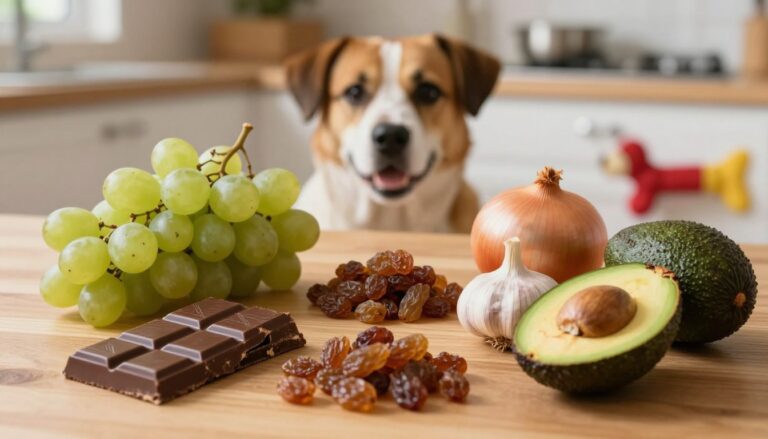
But, be careful of foods that are bad for dogs. Things like chocolate, grapes, onions, and xylitol can be very harmful. Always talk to your vet if you’re unsure about what to feed your pet.
Table of Contents
What Human Food Can Dogs Eat Safely?
Sharing a bite of your meal with your furry friend can be a bonding experience if you know what is safe. Many items in your kitchen are nutritious. But, remember that safe human food for dogs should only complement their primary diet. Your dog needs a complete, balanced meal to meet their daily nutritional needs.
How Safe Human Food Fits Into a Balanced Dog Diet
Treats and snacks should never make up more than 10% of your dog’s total daily caloric intake. This ensures they get the essential vitamins and minerals from their regular food. Moderation is the key to maintaining a healthy weight and preventing nutritional imbalances.
- Use small, bite-sized pieces for training rewards.
- Incorporate fresh produce as a crunchy, low-calorie snack.
- Always prioritize their primary, balanced meal over supplemental treats.
Why Portion Size and Preparation Matter
When selecting human foods that are safe for dogs, preparation is key. Serve these items plain, without added salt, butter, oils, or sauces. Ingredients like garlic, onions, and various spices can be toxic or cause severe digestive distress for your pet.
Always remove skins, pits, or seeds before offering any fruit or vegetable. Cooking methods like steaming or boiling are preferred over frying. High-fat ingredients can lead to serious health complications like pancreatitis. Simple preparation ensures your dog enjoys the benefits without the hidden risks of additives.
When to Ask Your Veterinarian Before Sharing Food
Every dog has unique health needs that may influence what they can safely consume. If your pet is a puppy, a senior, or currently managing a health condition, consult your veterinarian before introducing new items. This is especially critical for dogs with specific medical histories.
You should seek professional advice if your dog has:
- Diabetes or kidney disease
- A history of pancreatitis
- Known food allergies or sensitivities
- Weight management goals
Your veterinarian can provide personalized guidance on which human foods that are safe for dogs will best support your pet’s specific wellness plan. When in doubt, it is always better to ask for expert input to keep your companion happy and healthy.
How to Introduce Human Food Into Your Dog’s Diet
Many pet owners wonder if dogs can eat human food. The answer is yes, but you must do it carefully. Introducing new foods should be slow and steady. This way, you avoid upsetting your dog and find out what they like.
Start With One New Food at a Time
When adding new foods, start with just one. This way, you can tell if your dog reacts to it. Wait 24 to 48 hours before trying another food to make sure your dog is okay.
Use Small Portions to Watch for Reactions
Begin with a tiny amount of food. Even safe foods can upset a dog’s stomach. Watch your dog closely after they eat to catch any problems early.
Recognize Signs of Food Intolerance or Allergy
It’s important to know when your dog has a bad reaction. Some issues might not be serious, but others need vet care right away. Use the table below to know when to worry.
| Symptom Category | Mild Signs | Severe Signs | Action Required |
|---|---|---|---|
| Digestive | Soft stool or gas | Repeated vomiting | Consult your vet |
| Skin | Mild scratching | Facial swelling | Emergency care |
| Respiratory | Sneezing | Breathing difficulty | Emergency care |
Digestive symptoms to monitor
Watch for signs like gas, bloating, or loose stools. A single episode of mild diarrhea is okay. But if your dog has repeated vomiting or diarrhea, stop the food and call your vet.
Skin and respiratory symptoms that need attention
Allergic reactions can be serious. Look out for hives, facial swelling, or trouble breathing. If your dog collapses or seems very tired after eating, get help fast.
Nutritious Fruits Dogs Can Eat
Looking for a special treat for your pet? Nature has many safe options. These snacks add vitamins and water, but they shouldn’t replace a balanced diet. Choosing safe human food for dogs is simple with these natural choices.
Apples Without Seeds or Core
Apples are full of fiber and vitamins A and C. Make sure to remove the core and seeds first. These can be a choking hazard and contain cyanide. Cut the apple into thin pieces for a safe snack.
Bananas as an Occasional Sweet Treat
Bananas are rich in potassium and vitamins. They’re a favorite among dog owners. But, because they’re sweet, give them in small amounts. Too much sugar can cause weight gain or upset stomach.
Blueberries, Strawberries, and Raspberries
Berries are full of antioxidants and are a healthy snack. You can give them fresh or frozen. Always wash them well to remove dirt or pesticides before giving them to your dog.
Watermelon Without Seeds or Rind
Watermelon is great for hot days. Make sure to remove the rind and black seeds. These can cause blockages. Give your dog small, cubed portions of the red flesh.
Pears, Mangoes, and Pineapple in Moderation
These fruits are tasty but have more sugar. Peel mangoes and remove the pit. Pineapple should be given in small, fresh chunks, avoiding the tough skin.
Safe serving sizes for fruit
Knowing the right list of human foods dogs can eat is key to keeping your pet healthy. Follow these guidelines to avoid overfeeding.
| Fruit Type | Preparation Requirement | Recommended Frequency |
|---|---|---|
| Apples | Remove seeds and core | 1-2 slices |
| Berries | Wash thoroughly | 3-5 berries |
| Watermelon | Remove rind and seeds | 1-2 small cubes |
| Bananas | Peel completely | 1-2 small slices |
Vegetables That Make Healthy Human Food for Dogs
If you’re looking for healthy human food for dogs, check your vegetable crisper. Many common garden vegetables are full of nutrients. They offer a low-calorie way to reward your pet without extra fat.
Carrots for Crunch and Low-Calorie Enrichment
Carrots are a great, crunchy snack that dogs love. They’re full of beta-carotene and fiber. This makes them perfect for dental health and keeping your dog’s weight in check.
Green Beans for Fiber and Fullness
Green beans are a top pick for human foods dogs can eat. They’re filling but low in calories. Serve them fresh, steamed, or canned, but make sure there’s no added salt or seasonings.
Sweet Potatoes Served Plain and Cooked
Sweet potatoes are a great source of vitamins and minerals for dogs. Make sure they’re cooked well and served plain. Raw potatoes can be hard for dogs to digest.
Pumpkin for Digestive Support
Plain, canned pumpkin is good for dogs’ digestive issues. It adds fiber to help with bowel movements. But, avoid pumpkin pie filling because it has harmful sugars and spices.
Vegetables give dogs essential nutrients that boost their immune system and overall health. They’re great when added to a balanced diet.
Broccoli, Cauliflower, and Brussels Sprouts in Small Amounts
These veggies are packed with nutrients but should be given in small amounts. Too much can cause gas or upset stomach. So, keep the portions small.
Cucumbers, Celery, and Zucchini for Hydration
These veggies are full of water, perfect for keeping dogs hydrated in summer. They’re low in calories, making them great for dogs watching their weight.
How to steam, bake, or chop vegetables safely
It’s important to prepare veggies safely for your dog. Always wash them well to remove pesticides. Cut them into small pieces to avoid choking.
Steaming or baking makes tough veggies easier to chew and digest. Don’t use oils, butter, or salt when cooking. These can be harmful to your pet.
| Vegetable | Primary Benefit | Serving Tip |
|---|---|---|
| Carrots | Dental Health | Serve raw or steamed |
| Green Beans | Weight Control | Plain, no salt added |
| Pumpkin | Digestive Health | Pureed, plain only |
| Cucumber | Hydration | Sliced into rounds |
Protein-Rich Human Foods Dogs Can Have
Wondering what protein-rich foods are safe for your dog? Adding healthy human food for dogs to their diet can give them essential amino acids. These help keep their muscles strong and boost their energy.
Plain Cooked Chicken and Turkey
Poultry is a key part of many dogs’ diets because it’s easy to digest and low in fat. Make sure to give your dog plain chicken or turkey. It should be cooked well without any oils, butter, or spices.
Lean Beef and Pork Without Seasonings
Lean beef and pork are good choices for dogs. They should be boiled or baked to avoid extra calories from frying.
Fully Cooked Eggs
Eggs are a complete protein that can be a great treat for your pet. They must be fully cooked to avoid salmonella, which can harm you and your dog.
Salmon, Sardines, and Other Dog-Safe Fish
Fish is good for your dog’s skin and coat because of its omega-3 fatty acids. Salmon and sardines are good choices. Make sure they are cooked and deboned to avoid choking hazards.
Plain Tofu and Other Occasional Protein Options
Looking for plant-based options? Plain tofu is a safe human food dogs can have in small amounts. It’s a soft, easy-to-chew protein for dogs with meat sensitivities.
Remove bones, skin, fat, and dangerous seasonings
When sharing your meals, safety is key. Before giving any protein, follow these important steps:
- Remove all bones: Cooked bones can splinter and cause severe internal damage.
- Trim the fat: Too much fat can upset your dog’s stomach or even cause pancreatitis.
- Discard the skin: Poultry skin is too fatty and may have hidden seasonings.
- Avoid seasonings: Never use onions, garlic, salt, or pepper, as they are toxic or harmful to dogs.
Grains, Dairy, and Other Human Foods Safe for Dogs
Many common grains and dairy items are safe human food for dogs when prepared correctly. They can add extra energy and nutrients. Just make sure to serve them in moderation and without harmful additives.
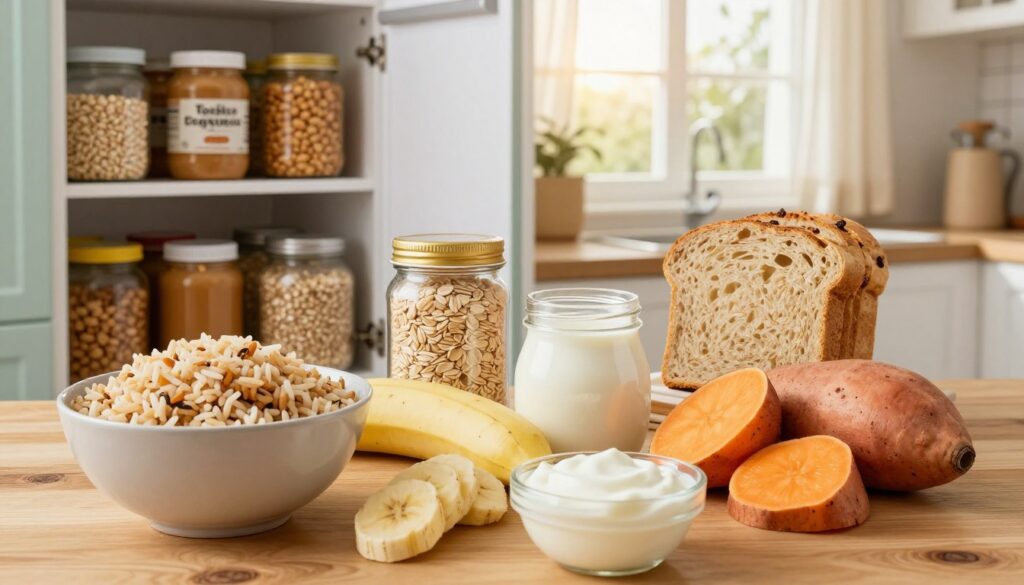
Plain Rice, Oatmeal, and Quinoa
Grains are a gentle base for a dog’s meal. Always cook them in water without salt, butter, or onions.
- White rice is excellent for dogs with upset stomachs.
- Oatmeal provides a healthy dose of fiber.
- Quinoa serves as a gluten-free alternative packed with protein.
Plain Pasta and Whole-Grain Bread in Small Portions
Small amounts of plain, cooked pasta or a bite of whole-grain bread are safe for dogs. Make sure the pasta isn’t tossed in garlic or onion-based sauces. These are toxic to pets. Treat these as rare treats, not meal replacements.
Plain Yogurt With No Xylitol or Added Sweeteners
Plain, unsweetened yogurt can be a probiotic-rich snack for your pup. Always check the label to ensure it has no artificial sweeteners, especially xylitol. Xylitol is extremely dangerous for dogs.
Low-Fat Cottage Cheese as an Occasional Topping
Low-fat cottage cheese is a mild, protein-packed option that many dogs enjoy. Use it sparingly as a topper for their regular kibble to add variety.
Peanut Butter Without Xylitol
Peanut butter is a favorite for many dogs, but be vigilant. Always check the ingredient list for xylitol. Xylitol, found in some reduced-sugar or “natural” brands, can be fatal to dogs.
How lactose sensitivity affects dairy choices
While some dogs tolerate dairy well, others may struggle. Lactose sensitivity can cause gas, bloating, or diarrhea in many pets.
| Food Item | Preparation Tip | Serving Frequency |
|---|---|---|
| Plain Rice | Boiled in water | Occasional |
| Plain Yogurt | No sweeteners | Small spoonful |
| Peanut Butter | Xylitol-free only | Very small amount |
If your dog experiences abdominal discomfort after eating dairy, remove these items from their diet. Always prioritize safe human food for dogs by monitoring your pet’s reaction to every new snack.
Healthy Ways to Serve Human Food to Your Dog
It’s fun to find new ways to give your dog healthy human food. You can mix these foods into their diet to keep things interesting. Make sure every ingredient is safe for dogs by avoiding things like xylitol and too much salt.
Use Human Food as a Training Treat
Training is a great time to use small, tasty rewards. Try using tiny pieces of cooked chicken or a small blueberry. These human foods safe for dogs are more exciting than regular treats.
Add Small Toppers to Regular Dog Food
Want to spice up your dog’s kibble? A spoonful of plain, cooked veggies or lean protein can do the trick. This turns a regular meal into a delicious treat. It’s a great way to add variety while keeping their diet balanced.
Freeze Fruit and Vegetable Bites for Enrichment
Freezing small pieces of fruit and veggies makes a fun snack for your dog. Try freezing cucumber or watermelon in a mold. It’s a refreshing snack that’s perfect for hot days.
Prepare Simple Homemade Treat Combinations
Making your own dog treats is rewarding. Use simple, whole ingredients for a safe and tasty snack. Just remember to give these treats in small amounts to keep your dog at a healthy weight.
Dog-safe combinations with chicken, rice, and vegetables
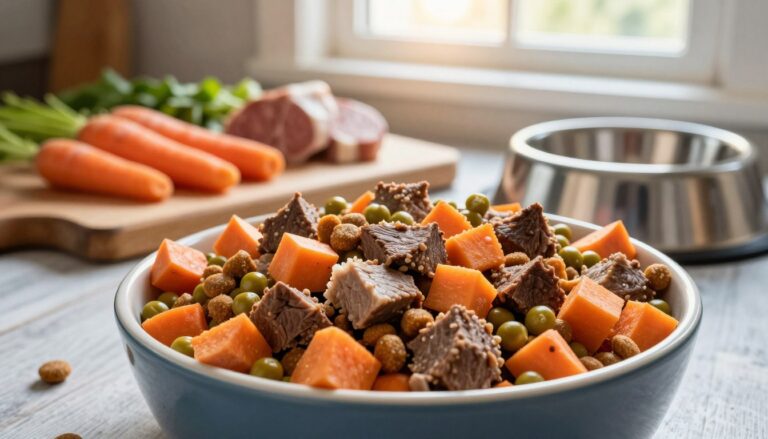
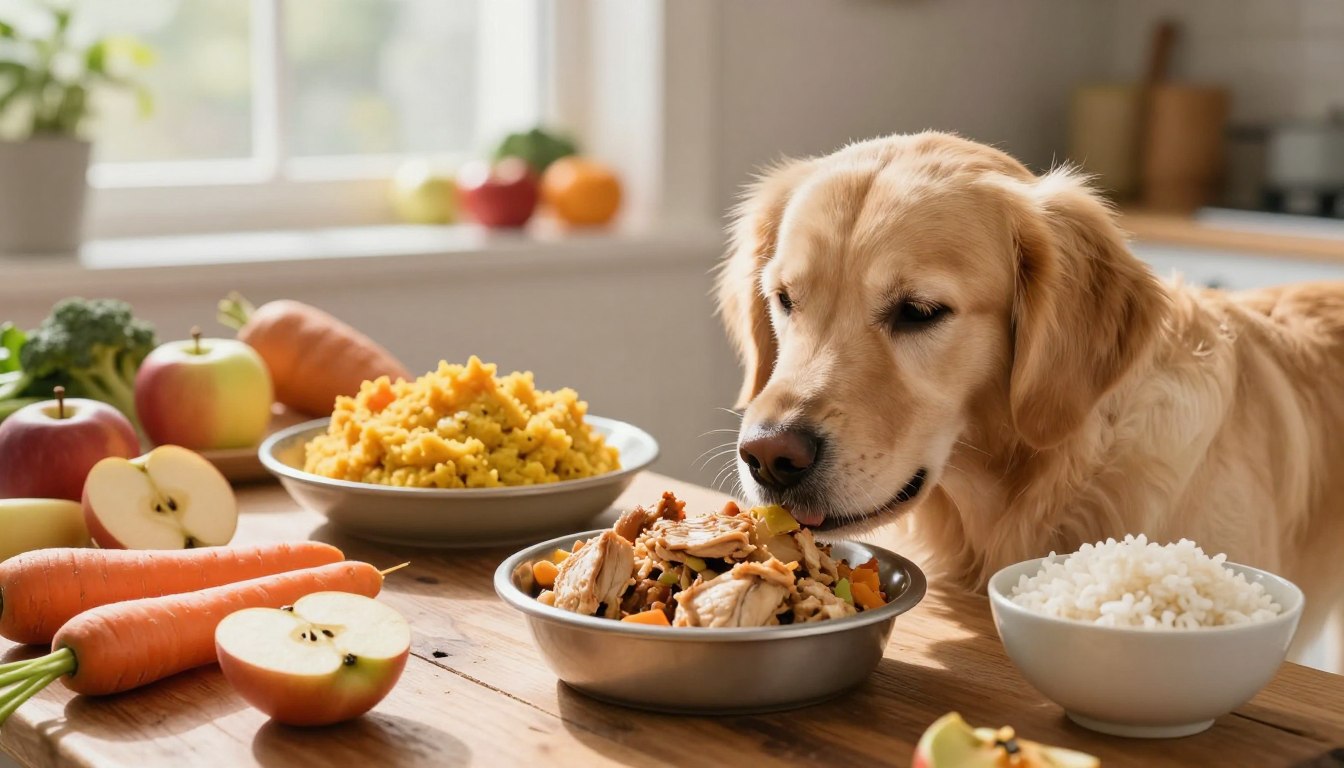
A mix of boiled chicken, steamed rice, and chopped carrots is great for dogs. It’s easy on their stomach and adds protein and fiber. Make sure the chicken is cooked well and without bones or skin.
Dog-safe combinations with fruit and plain yogurt
For a sweet treat, mix blueberries or strawberries with plain yogurt. This adds probiotics and natural flavor. Just check that the yogurt doesn’t have artificial sweeteners, which are bad for dogs.
Foods Dogs Should Never Eat
Knowing what foods are bad for dogs is as important as knowing what’s safe. Some snacks can be very harmful to your pet. It’s best to keep them away from these foods.
Chocolate, Coffee, and Other Caffeine Sources
Chocolate has theobromine and caffeine, which are highly toxic to dogs. Dark chocolate and baking cocoa are especially dangerous because they have a lot of these stimulants.
Caffeine in coffee, tea, and energy drinks can make a dog’s heart race and cause tremors. Even a little bit can cause serious problems in small dogs.
Grapes, Raisins, and Foods Containing Them
Grapes and raisins can cause sudden kidney failure in dogs. Just a small amount can be toxic to some animals.
Always check the ingredients in baked goods like cookies or muffins. If they have raisins, keep them away from your pet.
Onions, Garlic, Chives, and Leeks
Onions and garlic can harm a dog’s red blood cells. This can lead to anemia, which is hard to spot until it’s serious.
These ingredients are often in soups, sauces, and baby foods. Never give your dog leftovers with these vegetables.
Xylitol and Other Dangerous Sugar Substitutes
Xylitol is a sweetener in sugar-free gum, peanut butter, and some baked goods. While many foods are safe, products with xylitol are extremely lethal.
It can cause a quick drop in blood sugar and liver failure. Always check the labels to make sure your peanut butter doesn’t have xylitol.
Alcohol, Raw Yeast Dough, and Excessive Salt
Alcohol is toxic to dogs, even in small amounts. It can cause vomiting, diarrhea, and affect the nervous system. Raw yeast dough is also dangerous because it expands in the stomach and makes ethanol.
Too much salt can poison a dog with sodium ions. This can cause extreme thirst, urination, and even seizures.
Macadamia Nuts and Toxic Nuts
Macadamia nuts can make dogs weak, tremble, and have high body temperature. Other nuts, like walnuts or pecans, can cause digestive problems or have harmful molds.
What to do after suspected poisoning
If you think your dog ate something toxic, don’t wait for symptoms. Call your vet or an animal poison control center right away for help.
| Toxic Food | Primary Risk | Severity |
|---|---|---|
| Chocolate | Heart/Neurological | High |
| Grapes/Raisins | Kidney Failure | Critical |
| Xylitol | Hypoglycemia/Liver | Critical |
| Onions/Garlic | Anemia | Moderate |
Human Foods That Require Extra Caution
When thinking about what human food to feed dogs, some items are not safe. Even if a food isn’t toxic, it might still cause harm. Knowing these dangers helps keep your pet safe and healthy.
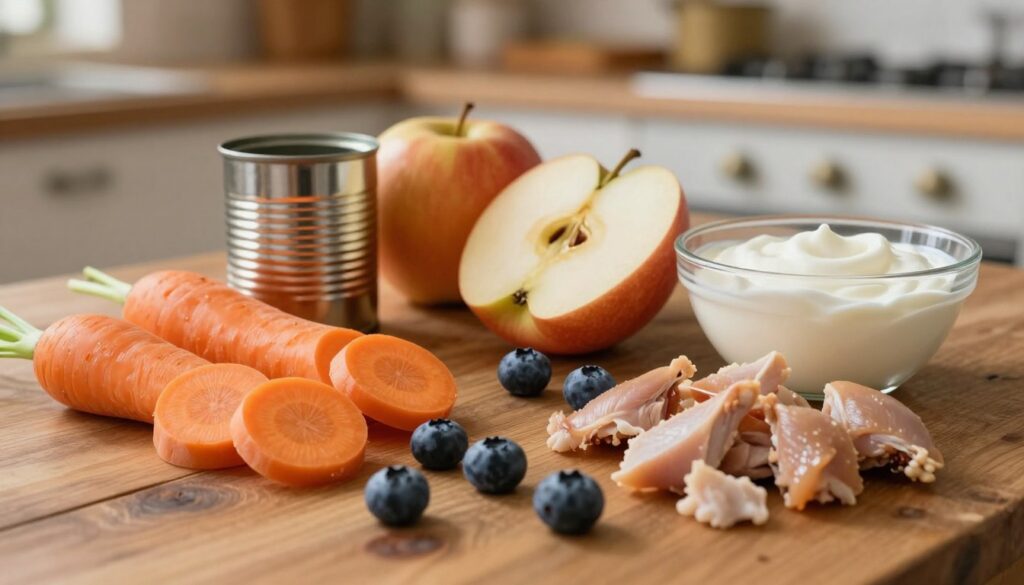
Cooked Bones and Raw Bones
Never give your dog cooked bones because they can easily splinter. These sharp pieces can hurt your dog’s insides. Raw bones also have risks, like broken teeth and germs.
High-Fat Meats, Bacon, and Fried Foods
Foods like bacon and fried foods are hard for dogs to digest. They can cause pancreatitis, a serious condition. Dogs with sensitive stomachs should avoid these foods.
Avocado, Corn Cobs, and Large Fruit Pits
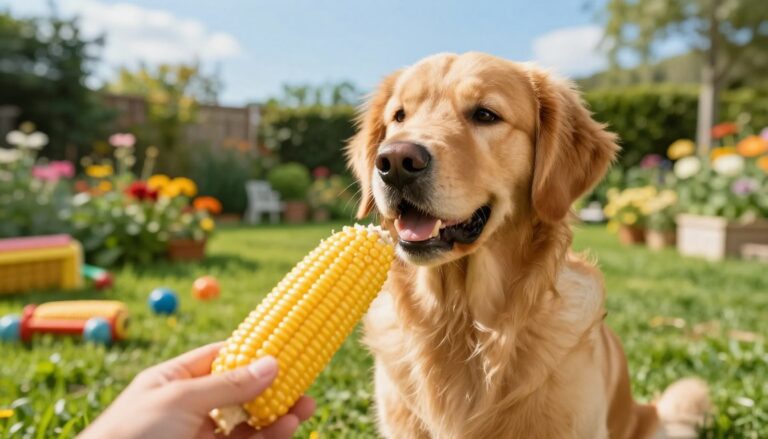
The pit and skin of avocados are dangerous. Corn cobs and large fruit pits can also cause gastrointestinal obstruction. These items can get stuck in your dog’s intestines, needing surgery.
Raw Meat, Raw Eggs, and Unpasteurized Foods
Raw animal products can have harmful bacteria like Salmonella or E. coli. These can harm your dog and your family. Always cook any meat you give your dog.
Spicy, Seasoned, and Processed Human Foods
Many processed foods have salt, onion powder, or garlic, which are bad for pets. Spicy foods can upset your dog’s stomach. Stick to plain, unseasoned foods for your dog.
Choking, obstruction, and pancreatitis risks
It’s crucial to know the dangers of certain foods. Remember these risks when choosing snacks:
- Choking hazards: Small or hard items that can get stuck in the throat.
- Obstruction: Objects that cannot pass through the digestive system.
- Pancreatitis: Inflammation caused by excessive fat intake.
By avoiding these foods, you can make sure human food is safe for your dog. Always think about your dog’s safety when considering human food.
How Much Human Food Can Your Dog Eat?
Many owners wonder how much human food their dogs can safely eat. It’s tempting to share snacks, but moderation is key for your pet’s health. Knowing which human foods safe for dogs is just the start. Understanding the right amount is also crucial.
Keep Treats Within the Daily Calorie Budget
Treats should not exceed 10% of your dog’s daily calories. When giving extra snacks, cut down their main meal to avoid weight gain. Always prioritize a balanced diet over quick rewards.
Adjust Portions for Your Dog’s Size and Activity
Your dog’s calorie needs change with their activity and metabolism. Active dogs burn calories faster than sedentary ones. Adjust the human food dogs can have based on their exercise.
Account for Weight, Age, and Health Conditions
Age and health affect how your dog handles extra calories. Puppies and seniors have different needs than healthy adults. If your dog has diabetes or pancreatitis, talk to your vet before new foods.
Prevent Overfeeding With Measured Servings
Guessing treats can lead to overfeeding. Use a measuring cup or scale to keep portions right. Consistency is vital for your dog’s health.
Small-dog portions versus large-dog portions
The effect of treats varies by dog size. A small piece of cheese is big for small breeds but small for large ones.
| Dog Size | Typical Treat Limit | Serving Strategy |
|---|---|---|
| Small (Under 20 lbs) | Very limited | Tiny, bite-sized pieces |
| Medium (20-50 lbs) | Moderate | Small, measured cubes |
| Large (Over 50 lbs) | Higher allowance | Controlled, portioned snacks |
- Always remove seeds, pits, and rinds before serving.
- Avoid adding salt, sugar, or butter to any human food.
- Monitor your dog for any signs of digestive upset after trying a new treat.
Choosing Safe Human Food for Dogs With Special Needs
When your dog has special health needs, picking the right human foods that are safe for dogs is key. Each dog is different, and their health issues guide what snacks are best for them. Always talk to your vet before giving your dog new foods, especially if they have a health condition.
Lower-Calorie Options for Dogs That Need to Lose Weight
For dogs trying to lose weight, high-calorie treats can set them back. Choose low-calorie, fiber-rich veggies instead. Crunchy snacks like green beans or carrot sticks are great because they’re low in calories but high in fiber.
Food Choices for Dogs With Sensitive Stomachs
Dogs with sensitive stomachs need foods that are easy to digest. Plain, boiled chicken or white rice are usually okay. But, avoid adding oils, fats, or seasonings as they can upset their stomachs even more.
Managing Diabetes, Kidney Disease, and Pancreatitis
Dogs with diabetes or pancreatitis need to watch their sugar and fat intake closely. Dogs with pancreatitis should avoid high-fat foods to prevent flare-ups. Kidney disease often means a low-phosphorus diet, making many snacks off-limits.
Protecting Dogs With Known Food Allergies
If your dog has a food allergy, even a small amount of the allergen can cause problems. Always read labels and avoid foods that have caused reactions before. Stick to single-ingredient treats to avoid accidental exposure.
Why prescription diets should not be changed casually
Prescription diets are made by vet nutritionists to meet specific health needs. They have the right balance of nutrients for your dog’s health. Changing these diets with human food to feed dogs can harm your pet’s health and worsen their condition.
| Condition | Recommended Approach | Foods to Avoid |
|---|---|---|
| Weight Management | Low-calorie vegetables | Cheese, fatty meats |
| Sensitive Stomach | Plain, boiled proteins | Spicy or oily foods |
| Pancreatitis | Very low-fat options | Bacon, butter, fatty scraps |
| Diabetes | Complex fiber sources | Sugary fruits, refined carbs |
Conclusion
Sharing meals with your dog strengthens your bond. Knowing what human food is safe for dogs lets you offer variety. This keeps your pet healthy and happy.
You can give plain fruits, veggies, lean proteins, and some grains in small amounts. Make sure these snacks are simple to prepare. This keeps them nutritious and part of a balanced diet.
But, some foods are very bad for dogs. Things like chocolate, grapes, raisins, onions, garlic, and xylitol can be deadly. Always keep these away from your pet to avoid emergencies.
When choosing human food for your dog, start with one item at a time. Watch for any signs of upset stomach or allergies. This helps you know if your dog can handle it.
Always measure the food carefully to keep your dog at a healthy weight. If you have questions, talk to your vet. They can give advice based on your dog’s health and lifestyle.
Being careful about what you give your dog makes every treat safe and fun. Enjoy finding new, healthy snacks that your dog will love.