Dog Ice Cream: Easy Peanut Butter Banana Recipe for Dogs
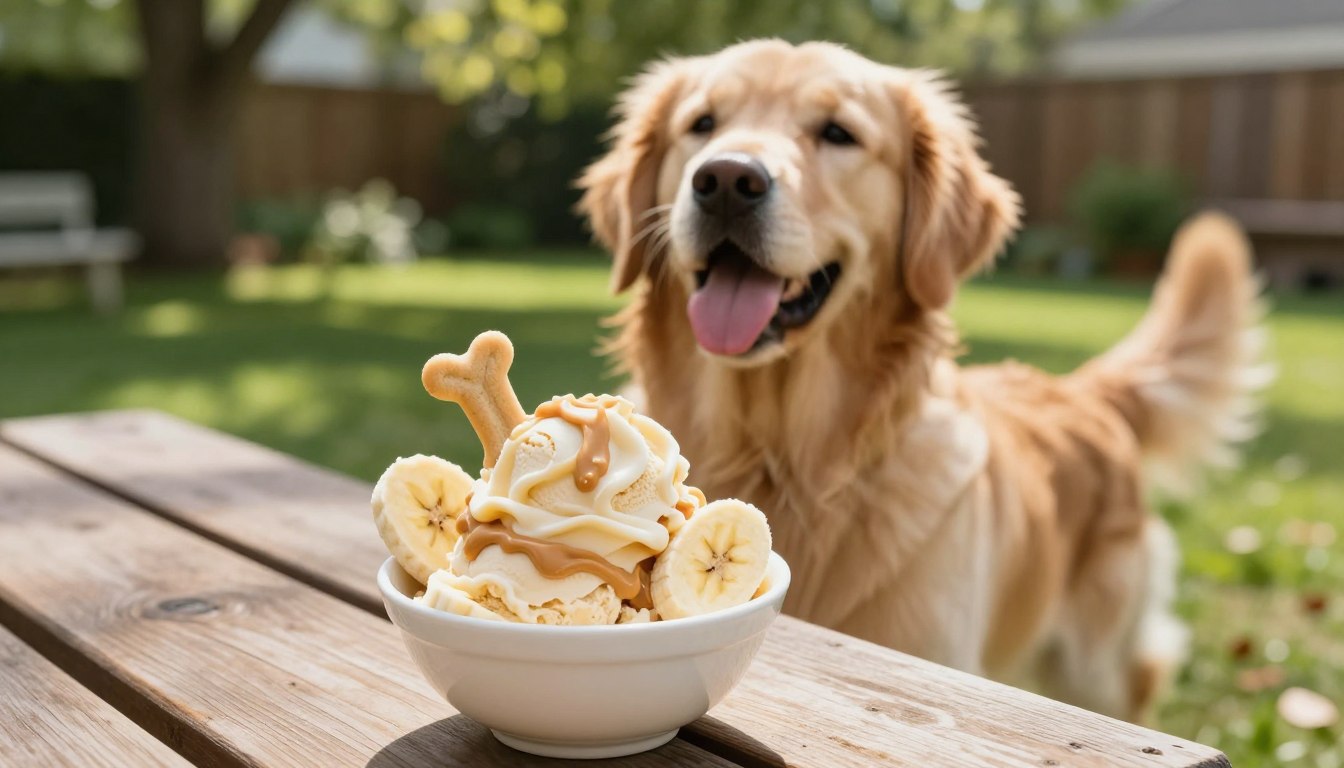
Have you ever seen your dog look at you when you have a cold snack? It’s hard to ignore their wish to share. But, human treats often have things that are bad for pets. Making a homemade dog ice cream is a great way to connect with your pet.
This easy mix of peanut butter and banana is a cool, healthy treat. You’ll learn how to make, freeze, and serve it safely. Remember, this recipe is for a special treat, not a daily food.
Making the best dog ice cream at home means you pick every ingredient. Seeing your pet enjoy a cool, tasty snack is incredibly happy-making. By using natural ingredients, you give them a better choice than store-bought treats. Let’s start making these yummy frozen treats.
Table of Contents
Why Make Homemade Dog Ice Cream?
Making treats at home lets you control what your dog eats. By making homemade dog ice cream yourself, you know it’s safe and healthy. This way, you avoid the unknown ingredients in store-bought snacks.
How a Frozen Treat Fits Into Your Dog’s Routine
Adding frozen treats for dogs to your daily routine is great. They’re perfect rewards during training or on hot days. These snacks enrich your dog’s life without upsetting their diet.
- Use small portions as a high-value reward for good behavior.
- Provide a lickable treat to keep your dog occupied during quiet time.
- Offer a refreshing snack to help your pet stay comfortable when temperatures rise.
Benefits of Peanut Butter and Banana in Moderation
Peanut butter and banana are a favorite for many pets. They’re good for your dog when given in small amounts. Bananas give potassium and fiber for digestion. Peanut butter is full of protein and healthy fats, making it tasty for dogs.
How Homemade Dog Ice Cream Differs From Human Ice Cream
Dog ice cream is different from human ice cream. Human ice cream has too much sugar, artificial flavors, and dairy. These can upset a dog’s stomach.
Homemade dog ice cream is simple and safe. It avoids harmful ingredients. This way, your dog gets a yummy treat without health risks.
Is Dog Ice Cream Safe for Your Dog?
Keeping your pet healthy means knowing what’s safe. You can’t just give them human treats. Making dog safe ice cream means picking safe ingredients carefully.
Human Ice Cream Ingredients You Should Avoid
Many human treats are bad for dogs. When making dog-friendly ice cream, avoid these ingredients.
Chocolate, Coffee, and Macadamia Nuts
Chocolate is toxic to dogs because of theobromine. Caffeine in coffee can make their heart race too fast. Macadamia nuts can cause weakness and shaking.
Xylitol and Other Dangerous Sweeteners
Xylitol is very dangerous for dogs. It can cause their blood sugar to drop too low or harm their liver. Always check labels for xylitol, especially in “sugar-free” products.
Excess Sugar, Salt, and Fat
Human treats often have too much sugar, salt, and fat. These can lead to obesity or pancreatitis. Your dog ice cream should use natural flavors instead.
Checking Peanut Butter for Dog-Safe Ingredients
Peanut butter is popular, but not all is safe. Make sure it doesn’t have xylitol or too much salt. Choose a natural, unsweetened peanut butter for a healthy treat.
When Dairy-Free Ingredients Are the Better Choice
Many dogs can’t digest lactose in dairy. If your dog has a sensitive stomach, use dairy-free options like coconut milk or plain, unsweetened yogurt. This keeps your dog-friendly ice cream easy on their stomach.
When to Ask Your Veterinarian Before Serving Frozen Treats
If your dog has allergies, diabetes, or digestive issues, talk to your vet first. They can help choose safe ingredients for your dog. Getting your vet’s approval means you can enjoy making a tasty dog ice cream snack.
Ingredients for Peanut Butter Banana Dog Ice Cream
Creating the best frozen treats for your dog starts with the right ingredients. Choose high-quality items to make sure your dog ice cream is tasty and healthy for your pet.
Ripe Banana for Natural Sweetness
Bananas are great because they’re creamy and sweet. Pick fully ripe bananas for the best taste and texture in your homemade treats.
Unsweetened Peanut Butter Without Xylitol
When picking peanut butter, always check for xylitol. This sweetener is harmful to dogs. Use only 100% natural, unsweetened peanut butter. For organic dog ice cream, choose certified organic peanut butter with just peanuts and maybe a bit of sea salt.
Plain Yogurt or a Dairy-Free Alternative
Plain, unsweetened yogurt is the creamy base for many recipes. Make sure it has no added sugars or artificial flavors. For dogs with sensitive stomachs, try unsweetened coconut milk or almond milk instead for a natural dog ice cream.
Optional Dog-Friendly Add-Ins
Adding healthy extras can make your treats even better. These additions let you try different flavors and textures while keeping them safe for your dog.
Water for a Simple Dairy-Free Recipe
For a light, popsicle-like treat, use plain water instead of yogurt. This makes a cool, low-calorie snack perfect for summer.
Small Amounts of Pumpkin or Blueberries
Pureed pumpkin can help with digestion, while blueberries add antioxidants. These are great for making your organic dog ice cream even healthier.
Ingredient Substitutions for Allergies and Dietary Needs
If your dog has allergies, you can change the recipe to fit their needs. Here are some swaps to keep your natural dog ice cream safe for all dogs:
- Almond Butter: This is good for dogs with peanut allergies, as long as it’s xylitol-free.
- Applesauce: Use unsweetened applesauce as a banana substitute for a different fruit base.
- Coconut Oil: A little coconut oil can help the texture of dairy-free versions.
Tools and Preparation Before You Blend
Making the perfect frozen snack for your pet needs some planning and the right tools. Having everything ready makes your diy dog ice cream project easy and fun.
Choosing a Blender or Food Processor
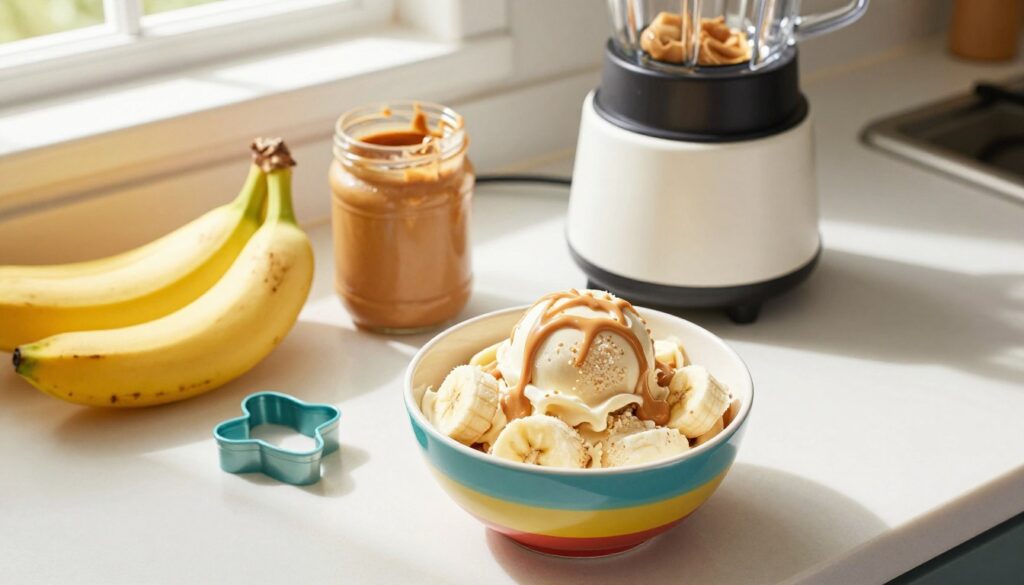
You’ll need a good blender or food processor for a smooth mix. A high-speed blender is best for fruits, while a food processor works for thicker mixes. Choosing the right tool speeds up the blending.
Selecting Silicone Molds, Ice Cube Trays, or a Freezer Container
The treat’s shape depends on the container. Silicone molds are great because they make it easy to remove each dog safe ice cream portion. If you don’t have molds, ice cube trays or a freezer-safe container will do.
Preparing the Banana and Measuring Each Ingredient
Begin by peeling and slicing bananas into small pieces. This helps them mix well with other ingredients. Accurate measurement ensures the perfect texture every time.
Cleaning Equipment to Keep Homemade Dog Treats Safe
Make sure your blender, spatulas, and molds are clean before use. Sanitizing your equipment keeps your pet’s food safe. Clean tools are key to safe diy dog ice cream.
By following these steps, you ensure your dog safe ice cream is made in a clean, efficient way. Proper preparation leads to consistent results your pet will enjoy.
How to Make Dog Ice Cream With Peanut Butter and Banana
Making dog-friendly ice cream is easy and healthy for your pet. Use simple, good ingredients for a refreshing snack in warm weather.
Blend the Banana, Peanut Butter, and Yogurt
Start by mixing a ripe banana, unsweetened peanut butter, and plain yogurt in a blender. Pulse until smooth. Consistency is key for your dog’s enjoyment.
How to Create a Smooth, Scoopable Mixture
Blend for sixty seconds to get a smooth texture. This ensures no banana chunks and an easy-to-serve dog ice cream.
How to Adjust the Texture Without Adding Unsafe Ingredients
If it’s too thick, add a bit of water or more yogurt. Avoid honey, maple syrup, or artificial sweeteners. Keeping it natural is best for your dog’s health.
Taste-Test the Mixture for Texture, Not Extra Sweetness
Check the texture before freezing. It should be like thick pancake batter or soft-serve yogurt. The banana’s natural sugars are enough sweetness.
Fill Your Chosen Freezer Molds
Pour the mixture into molds or ice cube trays. Leave a bit of space at the top. Using a funnel or piping bag makes it cleaner.
Freeze the Dog-Friendly Ice Cream Until Firm
Freeze the filled molds on a flat surface. Wait four to six hours for them to freeze solid. This ensures they hold their shape.
Check the Finished Treat Before Serving It
After freezing, check a treat for sharp edges or uneven spots. It should be firm but not hard. Always inspect each portion for safety.
How to Freeze, Portion, and Serve the Treat
Freezing and serving your homemade dog ice cream safely is important. It keeps the treat fresh and tasty for your pet.
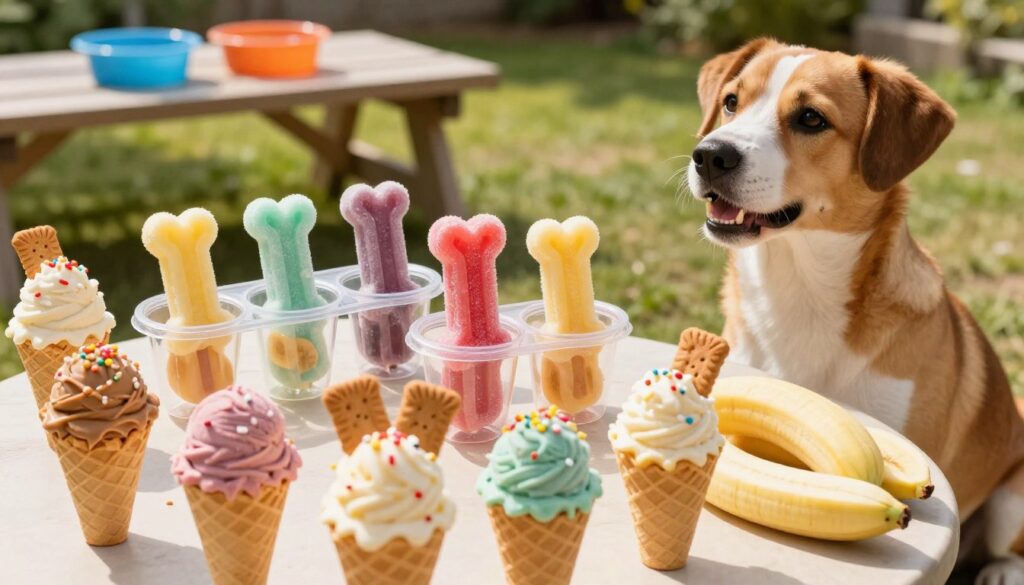
Recommended Freezing Times for Molds and Containers
The freezing time varies based on the container size and material. Small silicone molds freeze in 2 to 4 hours. Larger containers might take 6 to 8 hours or even overnight.
| Container Type | Estimated Time | Best Use Case |
|---|---|---|
| Silicone Molds | 2-4 Hours | Quick, bite-sized rewards |
| Ice Cube Trays | 3-5 Hours | Standard portion control |
| Large Containers | 6-8+ Hours | Bulk storage for later |
Making Small Portions for Easier Serving
It’s best to make small portions for your dog. This makes serving easier and helps prevent waste. Small frozen treats for dogs are also great for training or rewards.
Letting the Treat Soften Slightly Before Your Dog Eats It
Freezer treats can be hard for dogs to chew. Letting them sit at room temperature for 5 to 10 minutes helps. This makes the treat softer and safer for your dog.
“The joy of a homemade treat is in the quality of the ingredients and the care taken during preparation.”
Supervising Your Dog With Frozen Treats
Always watch your dog when they have frozen treats. Some dogs might swallow big pieces, which can be dangerous. If your dog has trouble chewing, take the treat away and cut it into smaller pieces.
Using Dog Ice Cream as an Occasional Reward
These treats are yummy, but they shouldn’t replace meals. Giving them out occasionally keeps your dog’s diet balanced. Moderation is key to keeping your dog healthy and happy.
How Much Dog Ice Cream Can Your Dog Have?
Even the best dog ice cream should be given with care. It’s a treat, not a meal. Make sure it fits into your dog’s daily calorie needs.
Adjusting Portions for Small, Medium, and Large Dogs
Portion sizes depend on your dog’s size and energy. A small Chihuahua needs less than a big Labrador. This keeps them at a healthy weight.
Start with a small amount to see how your pet reacts. Adjust the treat size based on your vet’s advice for your dog’s weight.
Accounting for Calories From Peanut Butter and Banana
Peanut butter and banana are high in calories. When making frozen treats for dogs, remember these calories count towards their daily total.
Peanut butter has healthy fats, but they add up fast. Always measure your ingredients to avoid overfeeding your pet.
Introducing the Treat Slowly the First Time
Start with a small amount of new snacks. This lets you watch for any bad reactions to the ingredients.
If your dog does well with the first small portion, you can give it again. Being patient helps prevent discomfort for your pet.
Signs Your Dog May Not Tolerate an Ingredient
Every dog’s body reacts differently to new foods. Always watch your pet after they eat dog ice cream.
Digestive Upset After Eating the Treat
Look for signs of an upset stomach like vomiting or diarrhea. If your dog shows these symptoms, stop the treat and talk to your vet.
Possible Food Allergy Symptoms
Allergic reactions can show as itchy skin, hives, or too much paw licking. If you see these signs, your dog might be sensitive to something in the treat.
Keeping Treats Within the Ten-Percent Calorie Guideline
Vets say treats should be no more than ten percent of your dog’s daily calories. This keeps best dog ice cream a healthy part of their diet.
Treats should never replace regular meals. Keeping frozen treats for dogs within this limit keeps them happy, active, and healthy.
Dog Ice Cream Variations for Different Preferences
Once you learn the basic recipe, you can try many flavors for your dog. You can make treats that fit your dog’s health needs or just keep them excited. You can find dog-friendly ice cream without dairy or full of nutrients.
Dairy-Free Dog Ice Cream With Banana and Peanut Butter
If your dog can’t handle dairy, use dairy-free bases. Unsweetened coconut milk or water works well. This way, your dog gets a creamy treat without stomach problems.
Pumpkin Peanut Butter Frozen Treats
Pumpkin is great for natural dog ice cream because it’s full of fiber and gentle. Mix plain pumpkin with peanut butter for a tasty, gut-friendly treat.
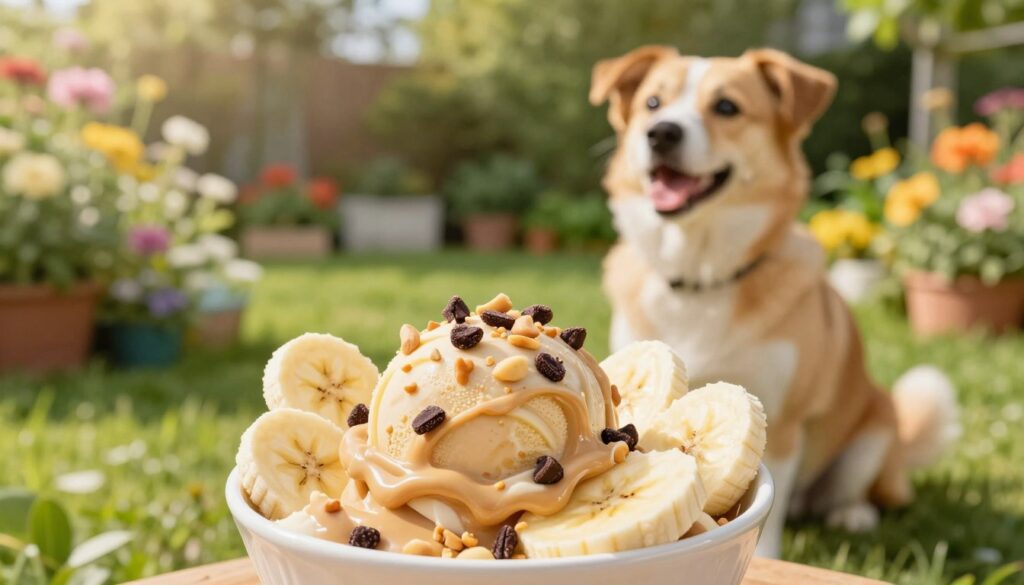
Blueberry Banana Frozen Treats
Blueberries are full of antioxidants and add color to your treats. Blend them with bananas for a sweet, vitamin-rich snack.
Apple-Free Alternatives for Dogs Sensitive to Certain Fruits
Some dogs react to certain fruits. Use sweet potato or cooked carrots instead of apples. These are safe and nutritious.
How to Make an Organic Dog Ice Cream Version
Making organic dog ice cream means avoiding harmful additives. Use organic peanut butter, bananas, and yogurt. This ensures a clean, healthy snack for your dog.
Always check organic labels to avoid hidden sweeteners or preservatives that can harm dogs.
Which Add-Ins to Leave Out of Natural Dog Ice Cream
Be careful with ingredients that are bad for dogs. Some things are toxic, even if they taste good to us.
- Chocolate or Cocoa: These contain theobromine, which is highly toxic to dogs.
- Xylitol: This artificial sweetener is extremely dangerous and can cause life-threatening drops in blood sugar.
- Macadamia Nuts: These can cause weakness, tremors, and vomiting in pets.
- Grapes or Raisins: These are known to cause kidney failure in dogs.
- Heavily Processed Toppings: Avoid sprinkles, syrups, or artificial flavorings that offer no nutritional value.
Storage, Troubleshooting, and Safe Handling
Proper handling and storage of dog ice cream ensures your pet enjoys it safely. Use the right containers and techniques to keep your frozen treats fresh for weeks.
How Long Homemade Dog Ice Cream Keeps in the Freezer
Most homemade dog ice cream recipes stay fresh for up to two months in the freezer. Use airtight, freezer-safe containers or silicone molds covered with plastic wrap. Labeling containers with the date helps track freshness.
Preventing Freezer Burn and Unwanted Odors
Freezer burn happens when air reaches the surface, causing ice crystals. Press parchment paper against the surface before sealing. Also, keep your dog safe ice cream away from strong-smelling foods like onions or fish.
“Proper storage is the cornerstone of pet food safety, ensuring that every treat remains as nutritious and delicious as the day it was made.”
Fixing a Mixture That Freezes Too Hard
If your treats freeze too hard, take them out of the freezer for five to ten minutes before serving. This brief time lets them soften to a palatable consistency. Never add sugar or alcohol, as they are unsafe for dogs.
Fixing a Treat That Is Too Runny or Difficult to Mold
A runny mixture often lacks thickener. Whisk in a small amount of plain Greek yogurt or mashed banana to adjust the texture. Make sure it’s thick like a smoothie before pouring into molds.
When to Discard Leftover Frozen Treats
Know when to discard old treats for your pet’s health. Discard if there’s a strange odor, visible ice crystals, or freezer burn. Always check your dog safe ice cream for contamination or if it’s been out too long.
| Storage Method | Estimated Shelf Life | Best Practice |
|---|---|---|
| Silicone Molds | 2-4 Weeks | Transfer to a sealed bag after freezing |
| Airtight Container | 1-2 Months | Use parchment paper to cover surface |
| Ice Cube Trays | 2-3 Weeks | Remove cubes once frozen and store in a bag |
Conclusion
Making dog ice cream at home lets you pick every ingredient. Mix ripe bananas with peanut butter and yogurt to make a healthy treat. This way, you avoid the bad stuff in store-bought ice cream.
You can use coconut or almond yogurt instead of dairy for your dog’s health. Make sure the peanut butter you choose doesn’t have harmful sweeteners.
Give your dog small amounts to keep them healthy and within calorie limits. Start with a little to see how they like it. Always watch them to avoid choking or upset stomach.
If your dog has health issues or special diet needs, talk to your vet first. Treats like this should be rare to keep them special and safe. It’s fun to make these treats for your furry friend.