Best High Fiber Dog Foods: Top Picks for Better Digestive Health
Watching your dog struggle with tummy troubles is heartbreaking. You want them to be happy, energetic, and comfortable. Sometimes, their digestive system needs extra help.
Nutrition is the cornerstone of vitality. The right ingredients can change your pet’s life. Understanding dog high fiber foods is key.
We’ve looked at the best high fiber dog foods to help you. Whether you need a specific high fiber dog food or just want to know about fiber foods for dogs, our guide makes it easy.
Knowing about high fiber foods for dogs lets you make better choices. Your dog deserves a life without digestive stress. It starts with what they eat.
Table of Contents
Understanding the Role of Fiber in Canine Nutrition
Fiber is key in your dog’s diet, even if it’s not as well-known as protein. It’s a type of non-digestible carbohydrate found in plants. Your dog can’t use it for energy like fats or proteins. But, it’s crucial for a healthy gut.
Fiber comes in two types: soluble and insoluble. Soluble fiber turns into a gel when it absorbs water. This helps slow down digestion and keeps blood sugar stable. Insoluble fiber, on the other hand, makes stool bulkier. It helps move waste through the intestines more smoothly.
Knowing how these fibers work together is important. They help your dog’s digestive system run smoothly. A mix of both ensures your dog stays comfortable and healthy. Here’s a table showing the main differences and benefits of each type.
| Fiber Type | Primary Function | Key Benefit |
|---|---|---|
| Soluble Fiber | Absorbs water and slows digestion | Regulates blood sugar and stool consistency |
| Insoluble Fiber | Adds bulk to digestive waste | Promotes regular bowel movements |
| Combined Effect | Balances gut transit time | Supports overall colon health |
Adding the right mix of fibers is essential for your dog’s health. The right amount helps keep the gut healthy and prevents digestive issues. This is the first step in choosing the best food for your dog.
Signs Your Dog Needs More Roughage in Their Diet
Watching your dog’s bathroom habits closely can show if they need more roughage for dogs. If they have irregular bowel movements or poor-quality stool, it’s a sign. Consistency is key for your pet’s health and comfort.
Your dog might have trouble digesting food, which means they need more fibre for dogs. Fiber helps keep the digestive system working right. But remember, every dog is different and needs the right amount of nutrients.
It’s important to watch your dog because too much fiber can cause problems. Too much fiber can lead to gas, diarrhea, or constipation. A sudden drop in appetite can also mean the diet isn’t right.
Before adding more roughage for dogs, talk to your vet. They can figure out if your dog needs more nutrients or if there’s a health issue. Changing their diet without advice can make them uncomfortable.
Finding the right amount of fibre for dogs takes time and watching them closely. With your vet’s help, you can make sure your dog stays healthy and active. Your proactive approach will greatly improve their digestive health in the long run.
Top Rated High Fiber Dog Foods for Sensitive Stomachs
When your pet has digestive problems, picking the right food is crucial. Many owners choose dog high fiber foods to help with bowel movements and gut health. These diets are often suggested by vets to manage chronic issues well.
The following high fiber dog food brands are top choices in clinical nutrition. They help support a healthy gut and ease digestive issues in dogs.
Royal Canin Veterinary Diet Gastrointestinal Fiber Response
Overview
This formula is made to help healthy digestion. It’s often given to dogs needing more fiber for regular stools.
Pros
- Highly palatable for picky eaters.
- Contains E. faecium probiotics for gut health.
- Proven to improve stool consistency.
Cons
- Needs a vet’s prescription.
- More expensive than regular kibble.
Features
This diet has a mix of soluble and insoluble fibers. It helps manage digestion and ensures balanced nutrition for your dog.
Hill’s Prescription Diet Gastrointestinal Biome
Overview
This high fiber dog food uses ActivBiome+ technology. It quickly nourishes the gut and promotes healthy stools.
Pros
- Fast-acting for digestive relief.
- Rich in antioxidants for immune health.
- Supports long-term digestive balance.
Cons
- Only available through vets.
- May not appeal to every dog’s taste.
Features
It includes advanced fibers to stop digestive upset. It’s seen as one of the best high fiber dog foods for recurring issues.
Purina Pro Plan Veterinary Diets EN Gastroenteric Fiber Balance
Overview
This diet offers balanced fiber for gut health. It’s gentle on the stomach while managing digestive issues.
Pros
- Great for sensitive pets.
- Helps with healthy stool.
- Trusted by vets.
Cons
- Hard to find in stores.
- Needs a transition period.
Features
The formula has high-quality protein and a special fiber mix. High fiber dog food reviews often praise its digestive benefits.
| Brand | Primary Benefit | Key Ingredient |
|---|---|---|
| Royal Canin | Stool Consistency | E. faecium Probiotics |
| Hill’s | Microbiome Support | ActivBiome+ Blend |
| Purina | Digestive Balance | Prebiotic Fiber |
Natural High Fiber Dog Food Options for Daily Wellness
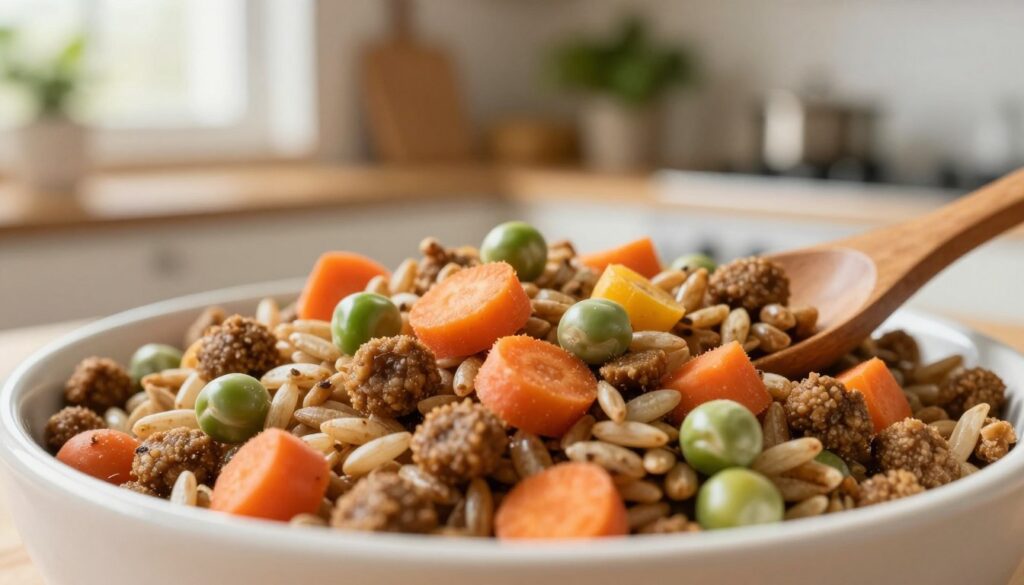
Finding the right natural high fiber dog food can change your pet’s daily life. Many owners like a natural approach to feeding, using whole foods that help the gut without artificial stuff. Choosing the right high fiber dog food brands means your dog gets ongoing digestive help for better health.
Wellness CORE Digestive Health Grain-Free
Overview
This food is for dogs with sensitive stomachs who need more fiber. It has high-quality proteins and superfoods for better health.
Pros
- Includes prebiotic chicory root for a healthy gut.
- Grain-free, good for dogs with certain allergies.
- Full of antioxidants for a strong immune system.
Cons
- It costs more than regular dog food.
- Not for dogs that need grains in their diet.
Features
Chicory root in this high fiber dog food feeds good bacteria in your dog’s gut. It’s easy to digest, making it a top choice for daily use.
Blue Buffalo Natural Veterinary Diet GI Support
Overview
Blue Buffalo’s GI Support diet helps with stomach health using natural ingredients. Vets often suggest it for dogs starting to eat more fiber.
Pros
- Made with natural, high-quality ingredients.
- Helps keep stool quality steady.
- Doesn’t have artificial flavors or preservatives.
Cons
- Needs vet advice for long-term use.
- Hard to find in some stores.
Features
This diet has a mix of fibers to help with bowel movements. Many high fiber dog food reviews say it’s a good choice for natural high fiber dog food that tastes good.
| Brand | Primary Fiber Source | Best For | Key Benefit |
|---|---|---|---|
| Wellness CORE | Chicory Root | Daily Digestive Support | Prebiotic Gut Health |
| Blue Buffalo | Specialized Fiber Blend | GI Sensitivity | Stool Consistency |
| Generic Brands | Beet Pulp | Budget Needs | Basic Roughage |
Evaluating Dog High Fiber Foods for Weight Management
Keeping your dog at a healthy weight is simpler with the right diet. Many vets suggest dog high fiber foods for safe weight loss. These diets make your pet feel full without too many calories.
High-fiber foods take up more space in the stomach. This means your dog eats less but feels full. It stops them from always wanting more food or treats.
Dog high fiber foods do more than just control calories. They’re great for dogs with diabetes too. Fiber helps keep blood sugar levels stable, which is key for managing diabetes.
Changing your dog’s diet is a big step. Always talk to your vet before making changes. They can tell if dog high fiber foods are right for your dog. Watch your dog closely as they adjust to the new diet.
How to Transition Your Dog to a High Fiber Diet Safely
Transitioning your dog to a high fiber diet for dogs is easy with a gradual plan. Sudden changes can upset their stomach, causing loose stools or gas. Taking it slow lets their body adjust comfortably.
Start by introducing the new diet over 7 to 10 days. Gradually mix in the new, fiber-rich food. This approach reduces stress on their stomach and lets you watch for any issues.
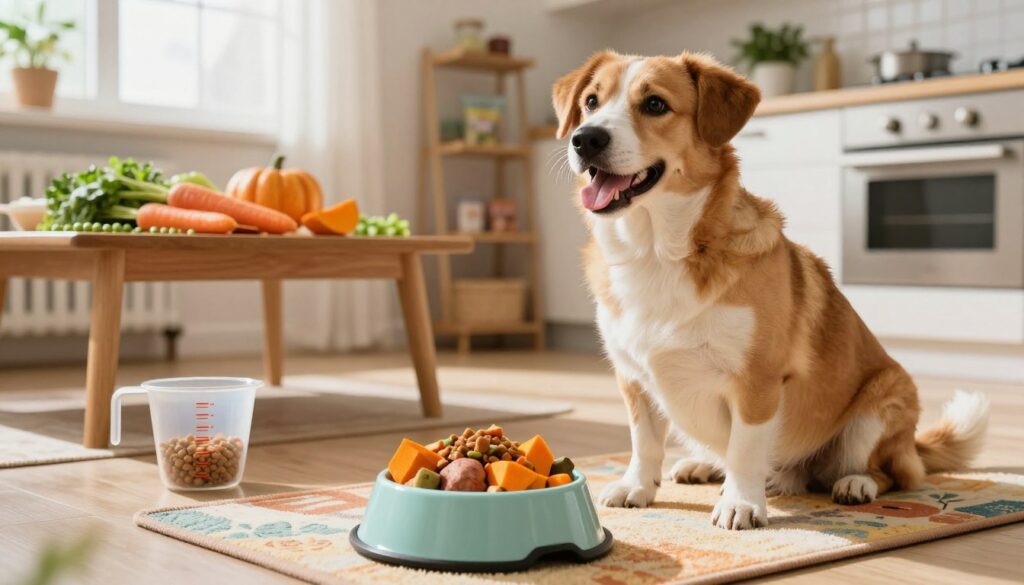
Keep a close eye on your dog for any signs of discomfort or intolerance. If they show sudden changes in appetite or energy, see your vet right away. Being patient is crucial for a smooth transition.
“The secret to a healthy transition is consistency and observation; never rush the process when your pet’s digestive wellness is on the line.”
Here’s a schedule to help you transition to a high fiber diet for dogs smoothly. This table shows the daily mix of old and new food for a smooth change.
| Days | Old Food Ratio | New Food Ratio |
|---|---|---|
| 1-3 | 75% | 25% |
| 4-6 | 50% | 50% |
| 7-9 | 25% | 75% |
| 10+ | 0% | 100% |
By the end, your dog should be fully adapted to the new diet. Make sure they always have fresh water. This helps fiber move through their system well. Following these steps ensures your pet enjoys the benefits of their high fiber diet for dogs without problems.
Common Fiber Sources Found in Premium Dog Foods
When you look at a bag of kibble, you might wonder what makes it good for your dog’s fiber. Many premium brands add special plant-based ingredients. These high fiber foods for dogs help keep their gut healthy and their bowel movements regular.
Ingredients like beet pulp, psyllium husk, oats, and barley are common. Each fiber food for dogs has its own role in digestion. Some feed good bacteria, while others make stool bulkier.
Knowing these ingredients helps you understand pet food labels better. By recognizing these names, you can choose better for your pet’s nutrition. Beet pulp is a favorite because it’s good for the colon.
Here’s a table showing how these ingredients help in a balanced diet. These high fiber foods for dogs are key in many vet-recommended foods.
| Fiber Source | Primary Benefit | Digestive Impact |
|---|---|---|
| Beet Pulp | Moderate Fermentation | Supports colon health |
| Psyllium Husk | Soluble Fiber | Regulates stool consistency |
| Oats | Beta-glucan content | Promotes steady digestion |
| Barley | Slow-release energy | Maintains gut regularity |
Knowing about these fiber foods for dogs lets you choose better for your pet’s health. Always look for these ingredients in new foods. Choosing a diet with good fiber is a simple yet effective way to help your dog’s digestion.
The Benefits of High Fiber Dog Food for Anal Gland Health
Fiber does more than just help with digestion. It’s key for your dog’s anal glands to work right. When your dog poops, the pressure from a firm stool helps empty the anal sacs. This keeps the fluid inside from building up and causing pain.

One big benefit of high fiber dog food is it makes stool just right for this process. If the stool is too soft or runny, it doesn’t press hard enough. This can cause the glands to get blocked, needing a vet to fix it.
“Proper nutrition is the foundation of canine wellness, and fiber is an essential component for maintaining internal balance and preventing common physical ailments.”
Choosing a diet full of good fiber helps your dog’s digestion stay regular. This simple change is a big benefit of high fiber dog food for your dog’s comfort. It cuts down on “scooting” and vet visits.
The table below shows how different fibers help with stool and gland health:
| Fiber Source | Stool Consistency | Gland Expression Support |
|---|---|---|
| Beet Pulp | Firm and Formed | High |
| Psyllium Husk | Bulky and Soft | Moderate |
| Cellulose | Very Firm | High |
| Pumpkin | Balanced | Moderate |
Adding these ingredients to your pet’s diet is a smart move for their health. Knowing the benefits of high fiber dog food helps you take care of your dog’s health from the inside. Regular fiber keeps your dog happy and free from pain.
Addressing Potential Side Effects of Increased Fiber Intake
Adding more roughage for dogs can sometimes cause digestive problems if done too fast. Fiber is good for the gut, but dogs need time to adjust. Quick changes can upset their stomachs, making them uncomfortable.
Too much fibre for dogs can lead to gas, loose stools, or constipation if they don’t drink enough water. These signs mean your dog’s diet might need tweaking.
If your dog shows these signs, slow down the fiber increase. Lower the fiber content a bit and then add it back gradually. Make sure your dog always has fresh water to help fiber move through their system.
Keep an eye on your dog’s behavior and stool during this time. If they have diarrhea or seem tired for more than a day, see your vet right away. A vet can help find the right amount of roughage for dogs for their health.
| Symptom | Potential Cause | Recommended Action |
|---|---|---|
| Excessive Gas | Rapid fiber increase | Slow down transition |
| Loose Stools | Fiber overload | Reduce daily portion |
| Constipation | Dehydration | Increase water intake |
| Persistent Vomiting | Dietary intolerance | Contact your vet |
Managing fibre for dogs needs patience and watching closely. Small, gradual changes can help your dog enjoy a high-fiber diet without digestive stress.
Reading Labels to Identify Quality Fiber Ingredients
You can take control of your pet’s wellness by learning how to identify quality fiber sources on packaging. While marketing claims often highlight flashy ingredients, the guaranteed analysis and ingredient list tell the real story of what your dog is consuming. Identifying the best high fiber foods for dogs requires you to look past the front of the bag and focus on the fine print.
When scanning the ingredient list, look for specific, recognizable sources of fiber such as beet pulp, pumpkin, or flaxseed. These ingredients provide consistent digestive support rather than just filler. Avoid products that use vague terms like “vegetable derivatives” or “grain products,” as these lack the nutritional transparency you need for your pet.
Understanding the difference between soluble and insoluble fiber is also helpful when comparing various fiber foods for dogs. Soluble fiber helps regulate blood sugar and stool consistency, while insoluble fiber adds bulk to the digestive tract. Consulting with your veterinarian is essential because they can interpret these labels based on your dog’s specific health history and current needs.
Do not hesitate to ask your vet for guidance when evaluating different high fiber dog food recipes. They can help you determine if a specific fiber content is appropriate for your dog’s age, weight, and activity level. Professional advice acts as a safety net, ensuring that the food you choose truly supports your dog’s long-term digestive health.
Ultimately, your goal is to find a balance that promotes regularity without causing discomfort. By prioritizing high-quality ingredients over clever branding, you ensure that every meal contributes positively to your dog’s well-being. Stay diligent, read every label carefully, and always keep your veterinarian involved in your decision-making process.
Expert Tips for Managing Chronic Digestive Issues
When your dog has ongoing stomach troubles, a plan is key for their comfort. Minor upsets are common, but chronic issues need a proactive approach. Always seek professional advice for long-term health issues.
Signs like persistent diarrhea, frequent vomiting, unexplained weight loss, or blood in the stool are serious. If you see these, or if your dog seems in pain, immediate veterinary care is crucial. Never try to handle severe symptoms at home without a vet’s advice.
After a vet confirms a diagnosis, they might recommend a high fiber diet. This can help soothe the digestive tract and improve stool quality. Always follow your vet’s advice on portion sizes and feeding times to avoid irritation.
If your vet says it’s okay, you can try high fiber dog food recipes. It’s important to make sure these meals are balanced and meet your dog’s health needs. Never add homemade ingredients without a vet’s okay, as they can cause nutrient imbalances.
Managing chronic conditions takes time and effort. Keeping a log of your dog’s symptoms and diet helps your vet make better decisions. Using a high fiber diet for dogs requires consistency and patience from you.
| Symptom Category | Action Required | Management Strategy |
|---|---|---|
| Severe Symptoms | Immediate Vet Visit | Professional Diagnosis |
| Mild Irregularity | Monitor Closely | Adjust Fiber Intake |
| Chronic Issues | Regular Check-ups | Vet-Approved Recipes |
When making high fiber dog food, use quality, easy-to-digest fiber sources like pumpkin or psyllium husk. Introduce new ingredients slowly to avoid upsetting your dog’s system. With the right care, your dog can live a better life.
Conclusion
Choosing the right food is key to keeping your pet healthy for a long time. You can make your dog more comfortable by picking foods with good ingredients. These help keep their body balanced.
High fiber dog food does more than just help with digestion. It also helps keep your dog at a healthy weight. It also supports their anal glands. This means your dog can stay active and healthy.
Talking to your vet is important when picking food for your dog. They can help make sure the food is right for your dog’s health. You can see how your dog does with the new food to make sure it’s working well.
A healthy gut is the base for a happy life for your dog. By focusing on their nutrition, you strengthen your bond with them. Start making these changes today to see big improvements in your dog’s health.