
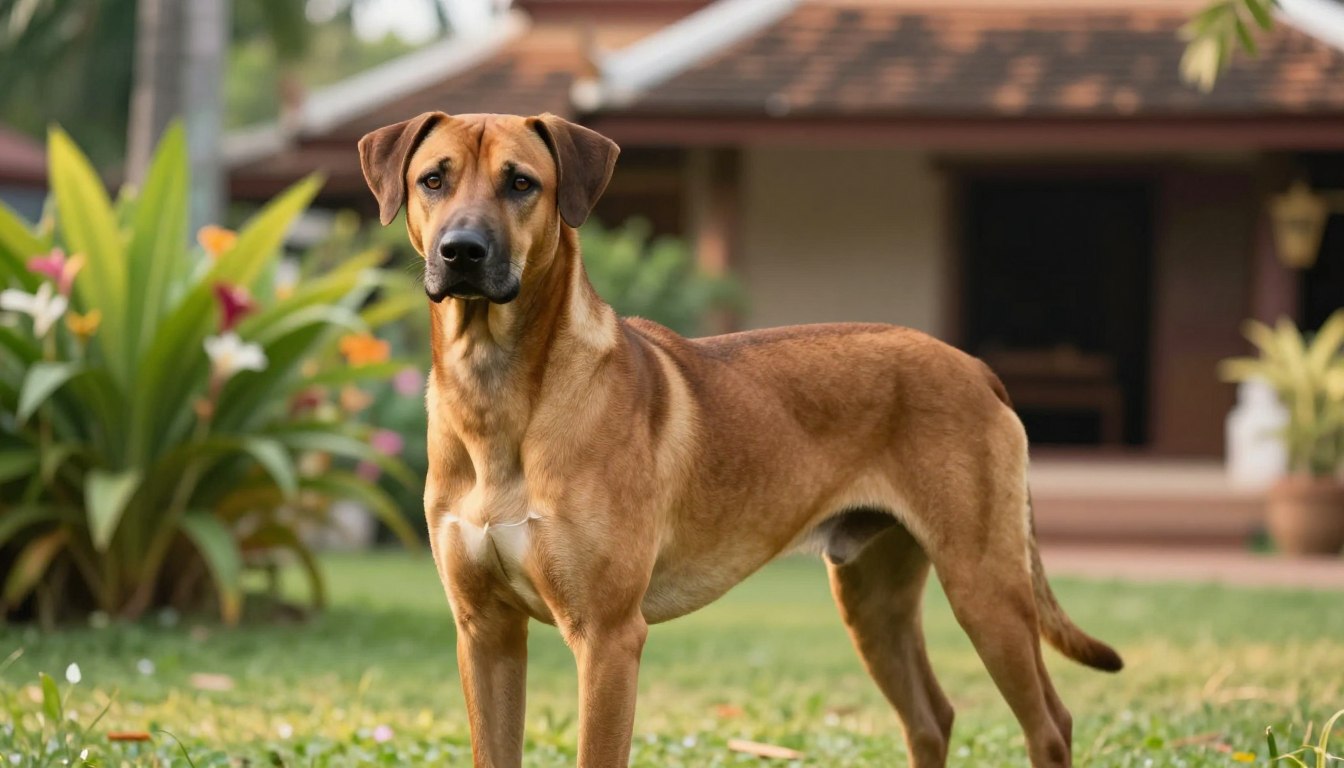
Thai Ridgeback Dog: Breed Guide, Lifespan & Care Tips
Ever dreamed of a pet that stands out? You’re looking for a loyal friend who loves to stay active. You want a dog that offers more than friendship; a special bond.
The thai ridgeback is perfect for those who love independence and smarts. As a rare dog breed, it brings history and a unique look to your home. But, you must think about your daily life and where you live.
This guide will help you see if this breed is right for you. We’ll cover health, grooming, training, and long-term care. By the end, you’ll know if this amazing animal is ready to join your family.
Table of Contents
What Is a Thai Ridgeback?
Exploring the Thai Ridgeback reveals a rare dog breed unchanged for centuries. It comes from eastern Thailand and was used for hunting and guarding. Today, it stands as a symbol of resilience and sharp intelligence.
Defining Traits of This Rare Dog Breed
The Thai Ridgeback is an ancient breed known for its self-sufficiency. It’s very athletic, with a lean, muscular body. Its short, smooth coat is easy to care for, hiding a powerful and agile body.
“The Thai Ridgeback is not merely a pet; it is a loyal partner that demands respect and provides unwavering protection to those it considers family.”
The Distinctive Ridge of Hair on the Back
The Thai Ridgeback’s most striking feature is the ridge of hair along its spine. This unique trait sets them apart from almost all other dogs. It makes their silhouette stand out, showing their natural athleticism and regal posture.
Why the Thai Ridgeback Appeals to Experienced Owners
This ancient breed is perfect for owners who know canine psychology. They are independent thinkers and need a firm, consistent hand during training. They’re not lap dogs and do best with a clear purpose or job.
Natural Independence and Strong Protective Instincts
These dogs are naturally cautious of strangers, making them great watchdogs. Their protective nature comes from loyalty, not aggression. They watch their surroundings closely, keeping their territory safe.
Adaptability to Active U.S. Households
Despite their independence, they adapt well to active U.S. lifestyles. They love long hikes, running, or outdoor adventures. Here’s why they’re a unique choice for dedicated owners:
| Trait | Level | Owner Requirement |
|---|---|---|
| Independence | High | Consistent Training |
| Protective Instinct | High | Socialization |
| Activity Needs | Very High | Active Lifestyle |
| Grooming Needs | Low | Minimal Effort |
Thai Ridgeback History, Appearance, and Breed Standards
The thai ridgeback is a fascinating example of an ancient breed. It has kept its structure for centuries. It comes from Thailand’s eastern regions, used for hunting and guarding homes.
Its development in isolation helped keep its natural traits and instincts.
Ancient Origins in Thailand
For generations, these dogs were loyal to Thai families. They were used for protection and hunting. Only the smartest and strongest survived to breed.
This selection made the thai ridgeback the alert and capable dog we know today.

Size, Build, and Expected Weight
This breed is medium-sized and athletic. Males are 22 to 24 inches tall, females a bit smaller. Healthy adults weigh 35 to 55 pounds, based on their build and activity.
Accepted Coat Colors and Markings
The ancient breed‘s coat is short, smooth, and dense. It needs little grooming. The breed is known for its ridge of hair along the spine.
The coat colors are also distinct. Breeders and kennel clubs recognize four main colors.
Blue, Black, Red, and Fawn Coat Differences
Each color has its own beauty, yet the breed standard is consistent. Here are the key traits of these recognized colors:
| Color | Description | Commonality |
|---|---|---|
| Black | Solid, deep black with dark skin pigmentation. | Very Common |
| Red | Vibrant, ranging from light ginger to deep mahogany. | Common |
| Blue | A dilute gray-blue shade with a metallic sheen. | Rare |
| Fawn | Light tan or beige, often with a black mask. | Moderate |
Pricked Ears, Wedge-Shaped Head, and Muscular Body
The thai ridgeback‘s head is wedge-shaped, with a flat skull and strong muzzle. Their ears are triangular and pricked, showing alertness. Their body is muscular, built for endurance.
This allows them to move smoothly and effortlessly.
Signs of a Healthy, Well-Structured Dog
Look for a balanced frame in a dog. The body should be slightly longer than the height at the withers. The skin should be tight, and the coat shiny and healthy.
A well-structured thai ridgeback will show confidence and move with purpose. This reflects its status as a capable ancient breed.
Thai Ridgeback Temperament and Household Compatibility
Looking for a dog that’s both devoted and smart? The Thai Ridgeback might be your ideal choice. They’re known for their intelligence and independent nature, needing a confident owner. Getting to know their unique personality is key to a strong bond.

Loyalty Toward You and Your Family
The Thai Ridgeback is a loyal companion that forms strong bonds with its family. They may seem reserved with strangers but are loving and playful with those they trust. They love to join in on family activities.
Stranger Awareness and Protective Behavior
These dogs have a natural stranger awareness from their guarding past. They’re not aggressive unless necessary but stay alert and watchful. This makes them great watchdogs, alerting you to any unusual activity.
Prey Drive as a Versatile Hunter
As a versatile hunter from Thailand’s rural areas, they have a strong prey drive. This means they might chase small, fast-moving objects. Be careful when walking them off-leash near wildlife.
Compatibility With Children and Other Pets
Thai Ridgebacks can be great family dogs but need careful management. Their high energy and independent nature require a structured home environment.
Managing Interactions With Young Children
They usually get along with children, especially if raised together. Still, always watch their interactions to keep play respectful.
- Teach children to respect the dog’s space and resting areas.
- Ensure the dog has a quiet place to retreat if they feel overwhelmed.
- Always monitor physical play to prevent accidental roughhousing.
Introducing Cats and Smaller Animals Safely
Introducing a Thai Ridgeback to cats or small pets needs patience. Early socialization is key to managing these relationships.
- Use controlled, leashed introductions in a neutral environment.
- Provide the dog with consistent training to reinforce calm behavior.
- Never leave the dog unsupervised with smaller animals until you are certain of their compatibility.
Whether This Breed Fits Your Lifestyle
This breed is a loyal companion for those who love outdoor activities and training. If you’re not active or new to dog ownership, they might be too intense. But for the right person, they offer a rewarding and deep connection.
Thai Ridgeback Lifespan and Common Health Concerns
Keeping your loyal companion healthy means being proactive about their health needs. Knowing the thai ridgeback‘s genetic health issues helps you give the right care. This way, your pet can live a long and happy life.
Typical Thai Ridgeback Lifespan
With the right food, exercise, and vet care, these dogs are usually strong. A healthy thai ridgeback can live 12 to 15 years. A stable home and early medical care help them live longer.

Dermoid Sinus and Ridge-Related Health Risks
The breed’s unique ridge needs careful watch. Some puppies might get a dermoid sinus, a skin issue that can cause infections if not treated.
Good breeders check for this early. Always look at your puppy’s spine for any signs of a sinus tract.
Hip Dysplasia, Eye Problems, and Other Conditions
The thai ridgeback might get hip dysplasia, affecting their movement as they age. This is common in active breeds.
Eye issues like entropion can also happen. Regular vet visits can catch these problems early, helping manage or fix them.
How to Choose a Health-Tested Puppy
Finding a healthy puppy starts with a trustworthy breeder. Don’t just take their word for it; ask for health test results for the parents.
Questions to Ask the Breeder About Health Records
- Have both parents been screened for hip and elbow dysplasia by a recognized organization?
- Can you provide documentation showing the puppy has been cleared of dermoid sinus?
- Are there any known hereditary eye conditions in the lineage of this loyal companion?
Recommended Veterinary Screening and Preventive Care
After bringing your dog home, find a vet who knows the breed. Regular check-ups and blood tests are key to catching problems early.
Keeping your dog at a healthy weight helps their joints. Preventive care, like shots and parasite control, is crucial for a long, healthy life.
Warning Signs That Require Veterinary Attention
Know your dog well and watch for sudden changes. Signs like limping, trouble getting up, or eye rubbing need vet visits.
Any new lumps, bumps, or discharge on the ridge should be checked quickly. Quick action shows you care deeply for your loyal companion.
Thai Ridgeback Exercise, Nutrition, and Daily Care
Keeping this ancient breed healthy means regular exercise and the right food. These dogs are full of energy and need a routine to stay fit and smart.
Daily Exercise Requirements for an Athletic Dog
Your dog has lots of stamina and needs lots of activity to stay happy. Try to give them at least 60 minutes of exercise every day.
Walks, Secure Play, and Mental Enrichment
Walking your dog is key, but they also love off-leash play in safe places. As a versatile hunter, they enjoy solving problems, like scent games or agility training.
Feeding Your Thai Ridgeback for Healthy Growth
Good food is crucial for a long, healthy life. You need to adjust how much food they get based on how active they are and their age.
Puppy Feeding and Body-Condition Monitoring
Puppies need special food to grow fast. Check their body condition by feeling their ribs. They should be easy to feel without too much fat.
Adult Portions, Treats, and Weight Management
Adult dogs do well with two meals a day. Use this table to manage their food:
| Life Stage | Activity Level | Feeding Frequency | Weight Goal |
|---|---|---|---|
| Puppy | High | 3-4 times daily | Steady growth |
| Adult | Moderate | 2 times daily | Maintain lean muscle |
| Senior | Low | 1-2 times daily | Prevent obesity |
Heat, Cold, and Home-Safety Considerations
This ancient breed loves warm weather but needs care in the U.S. You must watch out for changes in their environment to keep them safe.
Protecting a Short Coat in Cold U.S. Weather
These dogs have a short coat and get cold easily. Get them a good dog sweater or coat for winter walks to avoid getting too cold.
Using Fences, Leashes, and Identification
As a versatile hunter, your dog might chase small animals if they smell them. Always use a strong leash outside and make sure your yard is fenced well. Also, keep your dog microchipped and wear a collar with tags at all times.
Thai Ridgeback Grooming and Hygiene Routine
Keeping your loyal companion clean and healthy is key. A simple grooming routine is essential. This breed is naturally clean, but your help keeps them comfortable and healthy.
Managing the Short, Low-Maintenance Coat
The coat of this breed is short and smooth. It’s easy to manage and doesn’t hold onto dirt or odors. This makes your home cleaner.
Brushing, Bathing, and Seasonal Shedding
Even with a short coat, regular brushing is good. It removes loose hair and spreads natural oils. A soft-bristle brush or rubber mitt is best for your Thai Ridgeback.
- Brush your dog at least once a week to minimize shedding.
- Bathe only when necessary, typically every few months, to avoid drying out the skin.
- Increase brushing frequency during seasonal shedding periods to keep your furniture hair-free.
Nail Trimming, Ear Cleaning, and Dental Care
Hygiene is more than just coat care. Set up a schedule for these tasks to avoid discomfort and health problems.
- Nail Trimming: Keep nails short to prevent painful splitting or walking difficulties.
- Ear Cleaning: Gently wipe the outer ear with a damp cloth to prevent wax buildup.
- Dental Care: Brush your dog’s teeth several times a week to maintain oral health and fresh breath.
Checking the Ridge and Skin for Irritation
The signature ridge along the back needs special care. The hair grows in the opposite direction, trapping debris or causing irritation.
Check the ridge regularly for bumps, redness, or dry patches. Catching these issues early helps prevent bigger problems for your loyal companion.
Building a Cooperative Grooming Routine
Training your dog to accept handling is crucial. Start by touching their paws, ears, and back while offering treats.
Make grooming a positive experience. This keeps your Thai Ridgeback calm and cooperative. It also strengthens your bond with your pet.
Training and Socializing Your Thai Ridgeback
Training a rare dog breed like the Thai Ridgeback needs patience and a clear plan. They are smart and do best with methods that respect their freedom while showing leadership. Aim for a partnership based on trust, not just dominance.
Using Consistent, Reward-Based Training
Positive reinforcement works best for your dog. Use treats, praise, and play to reward good behavior right away. Consistency is key for success, as they need to know what you expect.
Teaching Recall, Leash Manners, and Basic Cues
Train in a quiet place to keep your dog focused. A reliable recall is crucial, as their hunting instincts can distract them. Practice leash manners daily to keep walks enjoyable for both of you.
Socializing Puppies During Their Early Development
Early socialization is vital for a well-adjusted dog. Introduce your puppy to various places and people to build confidence and adaptability.
Safe Exposure to People, Dogs, Places, and Sounds
Introduce your dog to different surfaces, loud noises, and people in a controlled way. This helps them stay calm in new situations. Positive experiences in these early months prevent anxiety or fear later on.
Preventing Fear, Reactivity, and Resource Guarding
Teach your dog that you’re a source of good things, not a threat. Never punish them for growling, as it’s their way of saying they’re uncomfortable. Find the trigger and use desensitization to change their emotional response.
Handling Independence and Selective Obedience
As a versatile hunter, your dog may be independent. They might ignore you if they find something more interesting. Keep training fun and varied to keep them engaged and prevent boredom.
When to Work With a Professional Trainer
Seek expert help if your dog shows extreme fear, aggression, or dangerous behavior. A professional trainer can create a safe plan to address these issues.
| Training Focus | Primary Goal | Recommended Method |
|---|---|---|
| Recall | Safety and Control | Long-line practice |
| Leash Manners | Comfortable Walks | Positive reinforcement |
| Socialization | Confidence Building | Controlled exposure |
| Resource Guarding | Trust Development | Desensitization |
Choosing and Budgeting for a Thai Ridgeback
Finding a healthy puppy of this rare dog breed means looking into breeder ethics and your lifestyle. It’s important to focus on transparency and health tests. This ensures your new pet will do well in your home.
Finding a Responsible Breeder or Ethical Rescue
Start by finding breeders who care more about their dogs’ health and behavior than making money. A good breeder will answer your questions and show proof of health tests for common issues.
If adoption is your choice, look for rescue groups that know about this versatile hunter. These groups check the dog’s behavior to see if it fits your home.
How to Evaluate a Puppy’s Health and Temperament
Meeting the Dam, Sire, and Available Puppies
Always ask to meet the mother and father of the puppies. Seeing the parents helps guess your puppy’s traits and behavior.
Watch how the puppies act with each other and people. A healthy puppy is curious, alert, and likes being around people.
Reviewing Contracts, Vaccinations, and Microchip Records
A trustworthy breeder will give you a detailed contract and health guarantees. Make sure you get a full medical file, including vaccination and microchip records.
Check if the breeder has done health tests for hip and eye problems. Having this info protects you from future health issues.
Typical Costs Before and After Bringing Your Dog Home
Purchase, Adoption, and Initial Supply Expenses
Buying a rare dog breed can cost a lot, showing the value of ethical breeding. You’ll also need to buy things like crates, bedding, leashes, and toys.
Food, Veterinary Care, Training, Insurance, and Emergency Funds
Costs keep coming with food, vet visits, and training. This versatile hunter needs a lot of activity, so save for emergencies too.
| Expense Category | Estimated Frequency | Importance |
|---|---|---|
| Veterinary Care | Annual | High |
| Premium Nutrition | Monthly | High |
| Training/Socialization | First Year | Medium |
Questions to Answer Before You Commit
Time, Space, Experience, and Exercise Capacity
Think if you have enough time for daily training and mental games. This breed needs space and owners who are ready for its energy and smarts.
Plans for Travel, Boarding, and Long Workdays
Consider how your dog will fit into your life, including travel and work. If you work long hours, plan for dog walking or daycare to keep your pet happy.
Conclusion
Bringing a Thai Ridgeback into your home is a big step. You need to understand this ancient breed well. They value independence, love to move, and need mental challenges.
Success with this dog depends on your ability to provide consistent training and secure environments. You should evaluate your current lifestyle against the high energy levels and protective instincts inherent in this unique animal. Proper veterinary care and a budget for long-term health maintenance remain vital parts of your responsibility.
This dog offers a rare bond for owners who respect its history and temperament. If you seek a loyal companion that challenges you to be a better handler, this breed might be your perfect match. Take time to reflect on your capacity for patience and active engagement before you make your final decision.
Review your daily schedule and living space to ensure they align with the requirements of such a distinct pet. Your dedication will determine the quality of life for your future dog. Choose wisely to ensure a rewarding partnership for years to come.