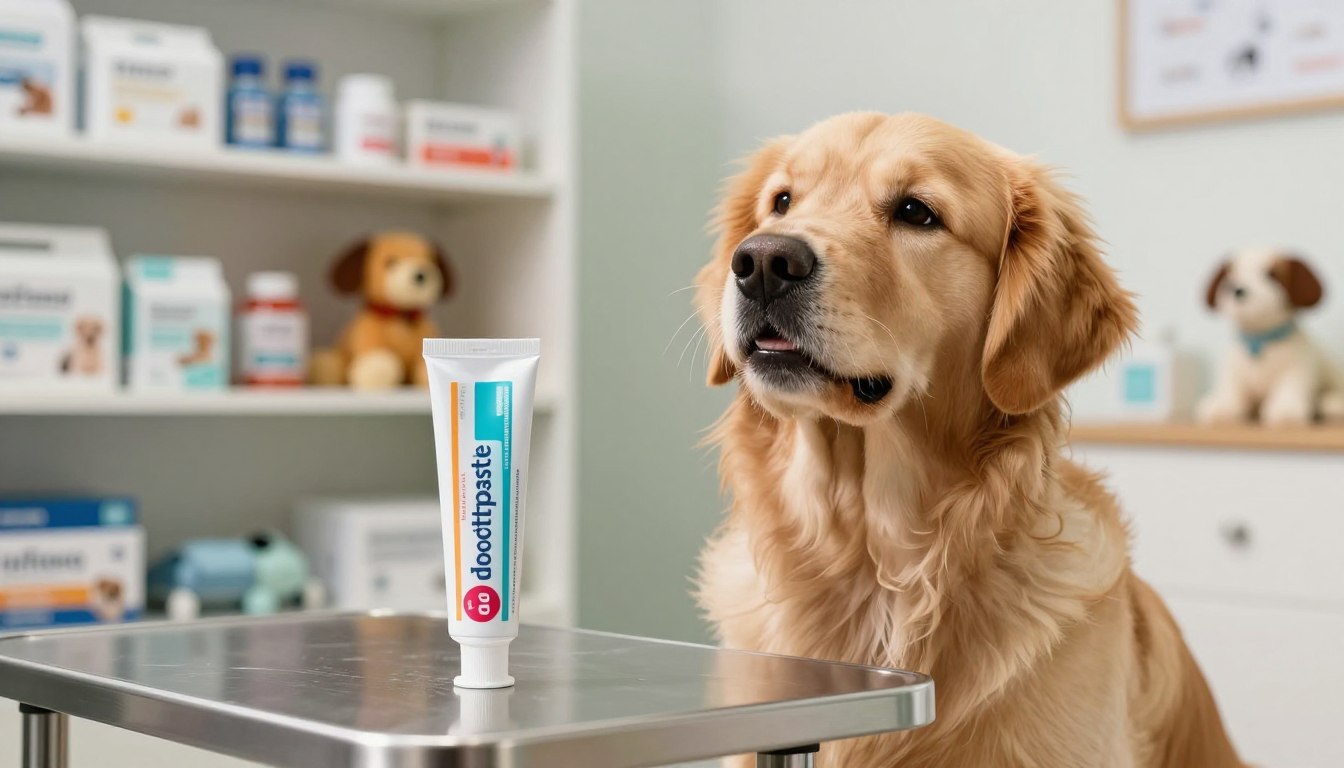
Can Dogs Have Toothpaste? Safe Alternatives and What to Avoid
You love those morning greetings and the excited tail wags when you come home. Your furry friend is more than a pet; they are a beloved member of your family.
Keeping them healthy is very important. But many owners forget about oral hygiene. You might ask, can dogs have toothpaste made for humans? The answer is no, because ingredients like xylitol are toxic to pets.
Using the wrong dental products can cause serious health problems. Specialized care is key to avoid painful infections. It ensures your pet lives a long, happy life. Choosing the right tools protects their smile and future.
Table of Contents
The Truth About Human Toothpaste and Why It Is Dangerous
Sharing your toothpaste with your dog might seem like a good idea. But, it can be very harmful. Human toothpaste has chemicals that are safe for us but not for dogs.
When you read the label of your toothpaste, you’ll see some toothpaste ingredients to avoid for dogs. These are made for people who can spit out the toothpaste. Dogs can’t do this, and swallowing these chemicals can harm them a lot.
The Toxicity of Xylitol in Canine Health
Xylitol is a sweetener in many sugar-free products. Even a little bit can be deadly for dogs. It makes their blood sugar drop very fast, which is dangerous.
“The ingestion of xylitol by dogs can result in life-threatening liver failure and severe neurological symptoms within minutes.”
If your dog eats something with xylitol, get them to the vet right away. Quick action is key when dealing with this toxin.
Why Fluoride Causes Gastrointestinal Distress
Fluoride is good for human teeth but not for dogs. Dogs swallow toothpaste, which can upset their stomach. This can cause vomiting, diarrhea, and stomach pain.
Long-term, fluoride can cause bigger problems. It’s safer to use toothpaste made just for pets.
The Problem with Foaming Agents and Detergents
Human toothpastes often have foaming agents like sodium lauryl sulfate. This makes your mouth feel clean but hurts a dog’s stomach. Dogs swallow the foam, which can make them sick.
To keep your pet safe, always check the toothpaste label for these bad ingredients:
- Sodium Lauryl Sulfate (SLS)
- Artificial dyes and fragrances
- Propylene glycol
Choosing toothpaste made for dogs is the best way to keep them healthy. This way, brushing their teeth is a safe and good thing to do.
Can Dogs Have Toothpaste Designed for Humans?
Many pet owners wonder if they can use human toothpaste on their dogs. The answer is no. Human dental products are not safe for dogs because of their different body chemistry.
Understanding the Differences in Formulation
Human toothpaste is made for people who can spit out the foam. Dog toothpaste, on the other hand, is safe if swallowed. It doesn’t have harsh ingredients that can upset a dog’s stomach.
Human toothpaste often has fluoride or sodium lauryl sulfate. These can harm a dog’s stomach. Dogs process these chemicals differently than humans.
Risks of Swallowing Human-Grade Dental Products
Dogs can’t spit out toothpaste like humans do. They swallow it all, which can be dangerous. This means they get a big dose of possibly harmful ingredients every day.
“The most critical rule in pet dental care is to avoid human products at all costs. Your dog’s health depends on using items specifically tested for their unique biological needs.”
Using human toothpaste can make dogs sick. They might vomit, have diarrhea, or face more serious problems. Pet-specific products are safer and prevent poisoning.
Why Veterinary-Approved Products Are Necessary
Veterinary-approved toothpaste tastes good to dogs, with flavors like chicken or beef. This makes brushing their teeth easier and more enjoyable. The right products help keep your dog healthy and happy.
| Feature | Human Toothpaste | Dog Toothpaste |
|---|---|---|
| Swallowing | Must be expectorated | Safe to ingest |
| Fluoride | Commonly included | Always excluded |
| Flavoring | Mint/Menthol | Meat/Poultry |
| Foaming Agents | High levels | None/Minimal |
When wondering if dogs can use human toothpaste, choose products with the VOHC seal. This ensures your dog’s health and keeps their teeth clean and shiny.
Essential Ingredients to Avoid in Dental Products
Many owners miss the important details on labels. But, it’s crucial to spot harmful additives for dog toothpaste safety. When picking dog dental care products, aim to avoid toxins that harm your pet’s health. Just a quick look at the back of the tube can save you a vet visit.
Artificial Sweeteners and Their Immediate Effects
Manufacturers add sweeteners to make products taste better. But, some are bad for pets. Xylitol, for example, can cause a quick drop in blood sugar and liver failure in dogs. Even a little can cause immediate gastrointestinal distress or worse.
Common Preservatives That Irritate Sensitive Gums
Preservatives keep products fresh longer, but some are too harsh for dogs. Parabens or formaldehyde-releasing agents can cause long-term inflammation and redness. If your dog is pawing at their mouth after brushing, these toothpaste ingredients to avoid for dogs might be the problem.
Flavorings That May Trigger Allergic Reactions
Flavors like “beef” or “chicken” might sound good, but many are artificial. These can cause itching, hives, or upset stomachs in sensitive breeds. Look for natural, high-quality options that focus on your pet’s health.
Keep this list of ingredients to avoid handy when shopping:
- Xylitol: Highly toxic and life-threatening.
- Parabens: Known to cause gum irritation and hormonal disruption.
- Propylene Glycol: A common additive that can be toxic in high concentrations.
- Artificial Dyes: Often linked to allergic reactions and skin sensitivities.
By being careful, you can make sure your pet’s dental care is safe and positive. Choosing clean dog dental care products helps keep their mouth healthy without risks.
How to Choose the Best Toothpaste for Dogs
Finding the right dog dental care products is easier when you know what to look for. Your pet should have a dental routine that works well and is fun. Look for quality markers to find the best toothpaste for dogs that meets your needs.
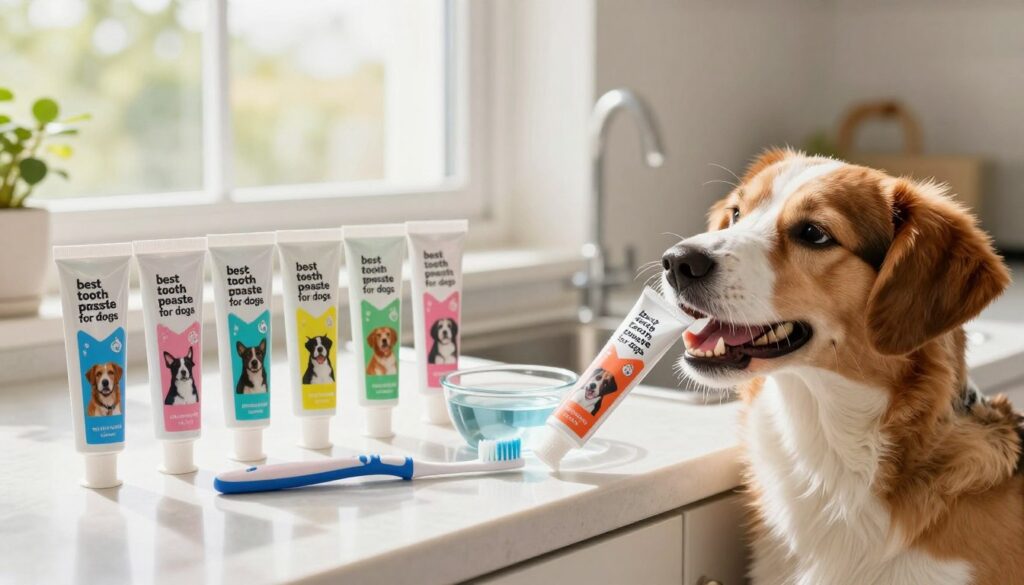
Evaluating Enzymatic Formulas for Plaque Control
Enzymatic formulas are a big help for dog dental care. They have enzymes that keep breaking down bacteria after brushing. This proactive approach stops tartar from turning into plaque.
Selecting Palatable Flavors Your Dog Will Accept
For a successful dental routine, consistency is key. If your dog doesn’t like the toothpaste, they won’t want to brush. Choose flavors like poultry, beef, or peanut butter to make brushing a rewarding treat.
Checking for VOHC Seal of Acceptance
The Veterinary Oral Health Council (VOHC) sets a high standard for safety and effectiveness. Seeing this seal on dog dental care products means they’ve been tested well. Always choose these verified options for the best toothpaste for dogs.
| Feature | Enzymatic Paste | Standard Paste | Water Additive |
|---|---|---|---|
| Plaque Control | High | Low | Moderate |
| Ease of Use | Moderate | Easy | Very Easy |
| VOHC Certified | Often | Rarely | Sometimes |
Natural Alternatives for Maintaining Canine Oral Hygiene
There are many natural ways to keep your dog’s breath fresh and teeth clean. While brushing every day is best, these methods offer extra help. They can prevent plaque from building up.
Using Coconut Oil as a Gentle Cleanser
Coconut oil is a favorite among pet owners because of its natural antimicrobial properties. It has lauric acid, which fights bad breath and gum problems. You can put a little on your dog’s teeth and gums with a soft cloth or finger brush.
It’s tasty and safe for dogs to eat, making it easy for them. It’s a great toothpaste alternative for dogs who like simple, chemical-free care. Make sure to use organic, cold-pressed coconut oil for the best results.
The Role of Raw Bones in Mechanical Cleaning
Chewing is natural and cleans your dog’s teeth well. Raw, meaty bones help scrape away plaque and tartar before it hardens. This acts like a natural toothbrush, reaching places brushing can miss.
- Always supervise your dog while they chew to prevent choking.
- Choose appropriately sized bones to avoid tooth fractures.
- Avoid cooked bones, as they can splinter and cause internal damage.
Water Additives and Their Efficacy
If your dog doesn’t like brushing, water additives are a good option. These are added to your dog’s water bowl. They neutralize bacteria in the mouth all day, helping prevent plaque.
They don’t replace brushing, but they’re a useful addition. Many are flavorless, so your dog won’t notice a difference. Using these with other natural toothpaste for dogs options helps keep your dog’s teeth clean.
How to Brush a Dog’s Teeth
Learning how to brush a dog’s teeth is key to a long, healthy life for your pet. It might seem hard at first, but most pets get used to it quickly. Just be calm and patient.
Preparing Your Dog for the Brushing Experience
First, make a safe and calm space for your dog. Building trust is crucial. Start by touching their muzzle and lifting their lips without a brush. Give them praise or treats to make it a positive experience.
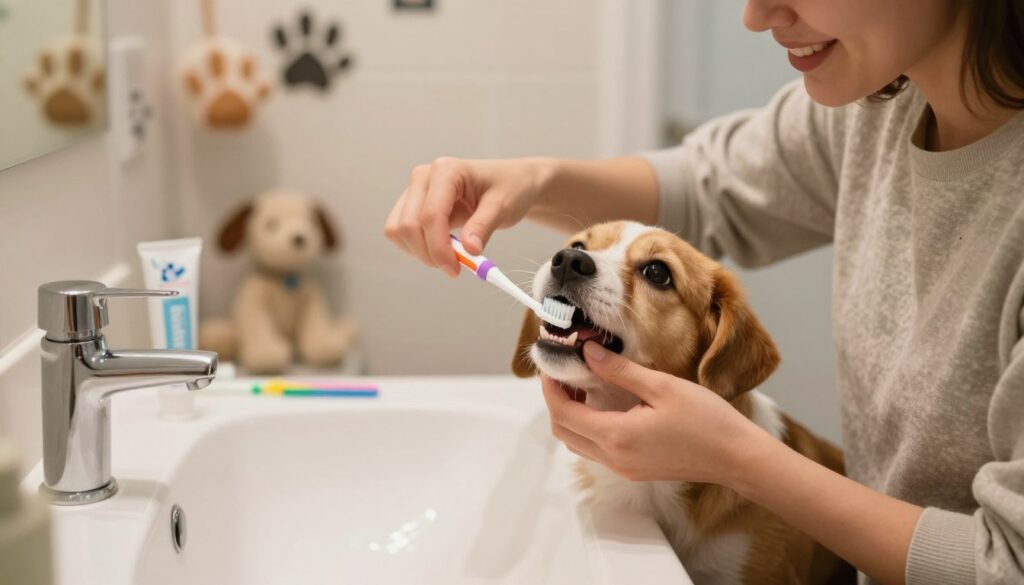
Selecting the Right Tools for Your Breed Size
Choosing the right tools is important. Small breeds need a soft-bristled finger brush. Larger dogs might do better with a long-handled toothbrush. Make sure the bristles are soft to avoid hurting their gums.
| Tool Type | Best For | Key Benefit |
|---|---|---|
| Finger Brush | Small/Toy Breeds | High control and precision |
| Dual-Head Brush | Medium/Large Breeds | Reaches multiple surfaces |
| Soft Bristle Brush | Sensitive Gums | Gentle cleaning action |
Establishing a Consistent Brushing Routine
Being consistent is the key to success. Brush at the same time every day, like after a walk. Keep sessions short, under two minutes, to avoid making your pet anxious.
Introducing the Toothbrush Gradually
Let your dog sniff and lick the toothpaste before touching their teeth. Once they like the taste, gently brush their teeth for a few seconds. Slowly increase the time as they get more comfortable.
Techniques for Effective Plaque Removal
Focus on the outer teeth surfaces where plaque builds up fast. Use a gentle circular motion to clean the back molars. Consistency in your brushing will keep your dog’s teeth and breath healthy.
Recognizing Signs of Dental Disease in Your Pet
Your dog can’t tell you when they’re in pain. So, it’s your job to watch their mouth health closely. Periodontal disease is common in adult dogs and can be silent until it hurts a lot. Regular checks can help catch problems before they get worse.
Identifying Persistent Bad Breath
Dogs’ breath is not always fresh. But, if it suddenly gets really bad, it’s a warning sign. Bad breath means bacteria and food are stuck between teeth. If the smell is strong, it means an infection is likely.
Observing Changes in Eating Habits
Watch how your dog eats. If they drop food or chew on one side, they might be in pain. This could mean their gums or teeth are too sore for normal chewing.
Checking for Swollen or Bleeding Gums
A healthy mouth has firm, pink gums that don’t bleed. If you see redness or swelling, your dog has gingivitis. Check under their lips often to catch it early. This is the best way to stop it from getting worse.
Professional Dental Care vs. At-Home Maintenance
Keeping your dog’s mouth healthy needs a mix of daily care and vet visits. Brushing at home is important, but vet cleanings are key for long-term health. Together, they help your dog have a healthy mouth all their life.
When to Schedule a Veterinary Cleaning
Vets say dogs should get a dental check-up every year. If your dog gets a lot of tartar or has gum problems, they might need more visits. These visits help catch problems that you can’t see.
- Annual check-ups to monitor gum health.
- Professional scaling to remove hardened plaque.
- Dental X-rays to detect hidden root infections.
The Limitations of At-Home Brushing
Even with the best toothpaste for dogs, brushing can’t reach all parts of the mouth. Plaque hides in deep pockets and under the gums, where bristles can’t go. Relying only on brushing might let silent infections grow.
Vet cleanings are needed to get to these hidden spots. Vets use special tools to remove what brushing misses. This deep cleaning is crucial to protect your dog’s jaw and teeth.
Integrating Professional Exams with Daily Care
Think of brushing as a way to help your vet do their job better. Using the best toothpaste for dogs regularly slows down plaque buildup. This makes vet visits easier and less scary for your pet.
“Daily oral hygiene is the foundation of health, but professional intervention is the safety net that catches what we cannot see.”
Make a plan that matches brushing with vet visits. This combo is the best way to fight dental disease. Your hard work will greatly improve your dog’s life and comfort.
Conclusion
Your dedication to your dog’s oral health is key to a long, happy life. Choosing the right products keeps your dog safe from harmful chemicals found in human hygiene supplies.
Regular care stops plaque and tartar buildup, which can cause painful infections. You have the power to prevent dental disease before it becomes expensive to treat at the clinic.
Brands like Virbac and PetSmile offer special formulas that make brushing teeth easy and fun for your pet. Using these tools regularly can strengthen your bond with your dog.
Start taking care of your dog’s health today by choosing high-quality, vet-approved supplies. A clean mouth is essential for overall health and will keep your dog happy for many years.