
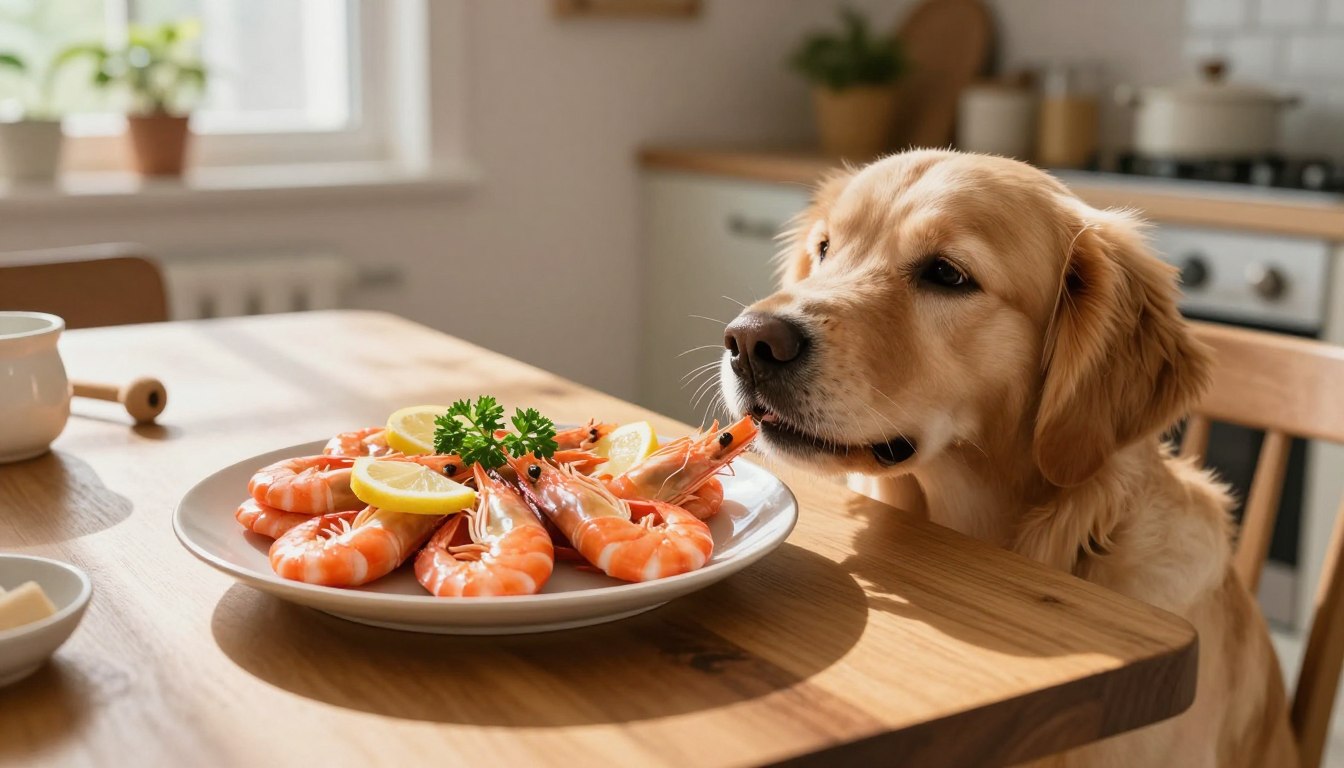
Can Dogs Have Shrimp? Benefits, Risks, and Safe Serving Tips
As you prepare dinner, you wonder if your dog should get a taste. It’s natural to want to share moments with your pet. But, their health must come first. Understanding the nutritional impact of human food is key for pet owners.
Many owners wonder if can dogs have shrimp as a treat. Shrimp is packed with vitamins, but it needs careful preparation. Make sure it’s fully cooked and clean before giving it to your dog.
By following safety tips, you can make a snack a healthy reward. Let’s look at how to keep your pet happy and healthy.
Table of Contents
Understanding the Nutritional Profile of Shrimp for Dogs
Shrimp is a healthy snack for dogs. It’s full of nutrients that help keep them well. Knowing what’s in shrimp helps you see if it’s right for your pet.
Essential Vitamins and Minerals Found in Shrimp
Shrimp has important nutrients for your dog’s health. It’s rich in phosphorus for strong bones and energy. It also has niacin and vitamin B12 for a healthy nervous system and skin.
These nutrients keep your pet active and full of life. Choosing the right shrimp ensures a safe and balanced diet for your dog. Here’s what you find in cooked shrimp.
| Nutrient | Benefit for Dogs | Importance |
|---|---|---|
| Protein | Muscle Repair | High |
| Phosphorus | Bone Strength | High |
| Vitamin B12 | Nervous System | Moderate |
| Niacin | Energy Metabolism | Moderate |
The Role of Protein in Your Dog’s Diet
Protein is key for your dog’s muscles, skin, and coat. Shrimp is a lean protein source. It’s great for active dogs that need muscle repair.
Shrimp is easy for dogs to digest. Adding it to their diet helps keep muscles lean. Make sure the shrimp is fully cooked for the best nutrition.
Low-Calorie Benefits for Weight Management
Keeping your dog’s weight in check is important. Shrimp is low in calories, making it a great low-fat treat. It’s perfect for dogs that gain weight easily.
It’s better than many high-calorie treats. Just watch the portion sizes to help with weight management. Treats should be a small part of their diet.
Can Dogs Have Shrimp Safely?
Adding new proteins to your dog’s diet must be done safely. Many wonder if can dogs have shrimp. The answer depends on how it’s prepared. The right food, prepared correctly, keeps your pet healthy and happy.
Distinguishing Between Raw and Cooked Shrimp
Never give raw shrimp to your dog. Raw seafood can have harmful bacteria like Salmonella or Vibrio. These can cause serious stomach problems. So, the answer to “can my dog eat shrimp that is uncooked?” is no.
Cooking shrimp well is the only safe way. High heat kills harmful germs. Make sure the shrimp is white and firm before giving it to your dog.
Why Proper Sourcing Matters for Canine Health
The source of seafood is also crucial for seafood safety for dogs. Shrimp from polluted waters can have harmful chemicals. Always choose high-quality, safe shrimp for your dog.
Buy shrimp from trusted suppliers who focus on clean harvesting. Stay away from farm-raised shrimp from places with poor safety rules. These steps help keep your dog’s diet safe and nutritious.
| Preparation Method | Safety Level | Risk Factor |
|---|---|---|
| Raw Shrimp | Dangerous | High (Bacteria/Parasites) |
| Boiled/Steamed | Safe | Low (If cleaned properly) |
| Fried/Seasoned | Unsafe | High (Fats/Spices) |
Potential Health Risks and Dangers of Feeding Shrimp
Feeding shrimp to dogs needs care because some parts can harm them. Seafood is seen as healthy, but risks of feeding dogs shrimp come from bad preparation or harmful additives. Knowing these dangers helps keep your pet safe.
The Hazards of Feeding Shrimp Tails and Shells
Can dogs eat shrimp tails? No, they are extremely difficult to digest. Shells are hard and can hurt their mouth, throat, or intestines.
These hard parts can also get stuck in their digestive tract. This can cause pain or even a blockage that needs vet help. Always take off the shell and tail before giving shrimp to your dog.
Dangers of Seasonings, Spices, and Added Fats
Many shrimp dishes for humans have toxic ingredients for dogs. Garlic, onions, and chives can harm their red blood cells. Even a little can cause anemia or stomach problems.
Shrimp cooked in butter, oil, or sauces can also cause pancreatitis. Dogs can’t handle high-fat foods well. Stick to plain, steamed, or boiled shrimp to avoid these dangers.
Choking Hazards and Digestive Obstructions
The size of shrimp can also be a problem. If your dog swallows a whole shrimp, it can choke. Cut the meat into small pieces to avoid this.
If a piece of shell or meat gets stuck, your dog might drool a lot, retch, or seem tired. If you think your dog has swallowed something sharp or is having trouble breathing, call your vet right away.
| Hazard Type | Potential Consequence | Prevention Strategy |
|---|---|---|
| Shells and Tails | Internal lacerations | Remove all hard parts |
| Garlic and Onions | Red blood cell damage | Use only plain shrimp |
| Added Fats/Butter | Pancreatitis | Avoid oils and sauces |
| Large Pieces | Choking or blockage | Cut into small bites |
Identifying Shrimp Allergies in Dogs
Adding new foods to your pet’s diet is exciting but needs careful watching. Many dogs like seafood, but knowing the risks of feeding dogs shrimp is key. Being alert helps spot problems early.

Common Symptoms of Seafood Sensitivity
Adverse reactions show up quickly after eating. Look for sudden skin irritation like redness, hives, or scratching. These signs mean your pet might be reacting to something.
Stomach problems are another common sign of shrimp allergies in dogs. Watch for vomiting, diarrhea, or feeling very tired after eating. If your dog shows these signs, stop the new food right away.
How to Conduct a Controlled Food Trial
A controlled food trial is the safest way to check if your dog can handle a new treat. Start with a tiny, plain piece of cooked shrimp. Keep their diet the same to pinpoint any issues.
Keep a log of your dog’s behavior and health for 24 to 48 hours. If no problems show up, you can add this protein to their diet sometimes. Consistency is key in watching how your pet reacts to new foods.
When to Consult Your Veterinarian
Severe reactions need quick vet care. Look out for facial swelling, trouble breathing, or constant vomiting. These could mean a serious allergy that needs immediate help.
Your vet can do allergy tests or suggest safe foods if your dog reacts badly. Always talk about big diet changes with a vet. They can give advice based on your dog’s health and needs.
Safe Preparation Methods for Your Dog
Feeding shrimp to dogs is safe if you prepare it right. Use simple, clean cooking methods to give a nutritious snack. Always choose quality and fresh ingredients for the best health benefits.
Boiling and Steaming Techniques
Cooking shrimp for your pet is best done by boiling or steaming. These methods cook the meat well without extra oils or fats. Make sure the shrimp is opaque and firm to avoid harmful bacteria.
Don’t fry or bread the shrimp. These methods add too many calories and can be toxic. Let the shrimp cool down before giving it to your dog. This prevents burns and makes it easier to eat.
Removing the Digestive Tract and Shells
Many wonder if dogs can eat shrimp tails. It’s best to remove the shells and tails before serving. These parts are hard to digest and can cause choking or blockages.
Also, devein the shrimp by removing the dark tract along the back. This makes the treat safer and improves its texture. It ensures your dog gets only the clean, high-quality protein.
Avoiding Harmful Ingredients Like Garlic and Onions
When cooking seafood, avoid adding common seasonings. Garlic, onions, chives, and leeks are toxic to dogs and can cause anemia. Even a little can be dangerous, so keep it simple.
Use only plain water for cooking and avoid salt or spicy rubs. Dogs don’t need extra flavor to enjoy fresh shrimp. A simple recipe is the best way to keep your pet safe.
| Preparation Method | Safety Level | Nutritional Impact |
|---|---|---|
| Steaming | High | Preserves vitamins |
| Boiling | High | Low fat content |
| Frying | Low | High unhealthy fats |
| Raw | Very Low | Risk of parasites |
Addressing Common Questions About Shellfish and Seafood
When you think about seafood safety for dogs, it’s key to know about shellfish. Many owners wonder if pets can eat shrimp and other sea creatures. Knowing what’s safe helps give your pet a balanced diet.
Can Dogs Eat Clams and Other Mollusks?
Do you wonder if dogs can eat clams or mussels? These can be okay if they’re cooked well and without butter, garlic, or spices.
Make sure to remove all shells before giving them to your dog. Raw mollusks are risky because of bacteria, so never give them to your dog raw.
Understanding the Risks of Raw Seafood Consumption
Eating raw seafood is risky and can make pets very sick. Raw fish and shellfish have parasites or bacteria that can harm pets.
“The health of your pet is a reflection of the quality and safety of the food you choose to provide every single day.”
Also, stay away from processed seafood like imitation crab. It has too much salt and artificial stuff that’s bad for dogs.
Can a Dog Eat Seafood Safely in Moderation?
Yes, can a dog eat seafood safely if done right. Seafood should be a rare treat, not a main meal.
Small portions are best to let your dog enjoy seafood’s benefits without too much. Watch your pet closely after trying new seafood to see how they react.
Comparing Shrimp to Other Seafood Options
Adding seafood to your dog’s diet is a big decision. It’s important to look at all the options. Knowing if can a dog eat seafood safely means understanding each type’s profile.
Nutritional Differences Between Shrimp and White Fish
Shrimp is a low-calorie, high-protein snack that’s easy to digest. White fish, like cod or tilapia, offers a different mix of amino acids and minerals. Shrimp is rich in astaxanthin, while white fish is leaner and tastes milder.
Both are good for muscle health but fit different roles in a diet. Use shrimp for quick, low-fat treats. White fish is better as a main protein source in meals. Make sure the fish is deboned and cooked well to avoid health problems.
Evaluating Dog-Friendly Seafood Alternatives
There are many safe seafood for dogs beyond shrimp and white fish. Salmon is great for skin and coat health because of its omega-3 fatty acids. But, it must be cooked to remove parasites.
Tuna is also an option, but only in small amounts because of mercury. Choose a variety of dog-friendly seafood to ensure your pet gets all the nutrients. Opt for wild-caught options to avoid additives and contaminants.
Safety Profiles of Various Marine Proteins
The safety of seafood depends on its source and preparation. Some fish are very nutritious, but others may have risks like high sodium or heavy metals. Avoid canned seafood in oil or seasoned with garlic and onions, as they are toxic to dogs.
| Seafood Type | Primary Benefit | Safety Level |
|---|---|---|
| Shrimp | Low-calorie protein | High (if cooked/deveined) |
| Salmon | Omega-3 fatty acids | High (if fully cooked) |
| White Fish | Lean muscle support | High (if deboned) |
| Tuna | High protein | Moderate (limit intake) |
By comparing these options, you can make better choices for your dog’s diet. Introduce new proteins slowly to watch for any digestive issues or allergies. Your goal is to give your dog a diverse and healthy diet for their well-being.
Guidelines for Serving Sizes and Frequency
Sharing snacks with your pet means keeping it small. Yes, dogs can eat shellfish, but only in tiny amounts. Treats should not be more than 10% of their daily calories for a balanced diet.
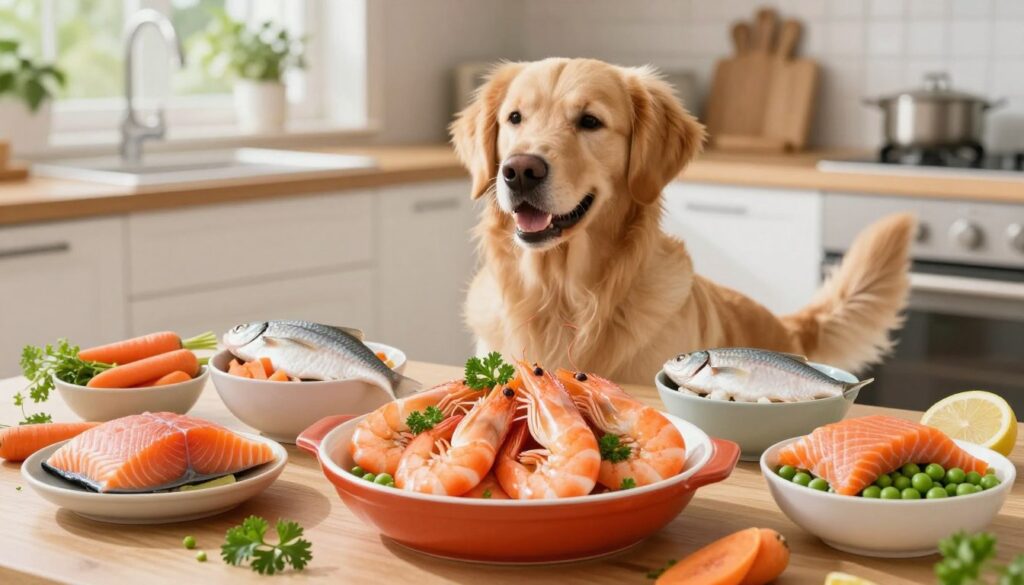
Determining the Right Portion Based on Dog Size
The right shrimp amount depends on your dog’s size and activity. Small dogs get a tiny piece, like half a shrimp, as a rare treat. Larger dogs can have one or two medium shrimp, but never more than that.
Remember, too much can upset their stomach or cause weight gain. Start with a small amount to see how they react. It’s safer to be cautious with new foods.
Integrating Shrimp as an Occasional Treat
Shrimp should not replace your dog’s regular meals. They are a special reward, not a main food. Giving shrimp once or twice a week is usually enough for most dogs.
Keeping these snacks rare helps your dog enjoy their regular food. A consistent diet is key for their health. If your dog starts gaining weight, cut back on these treats.
Monitoring Your Dog After Introducing New Foods
Watch your dog closely after trying shrimp for the first time. Look for signs of stomach upset like vomiting, diarrhea, or gas. These are signs the food might not be good for them.
Finding safe seafood for dogs takes trial and observation. If your dog has an allergic reaction, like itching or swelling, call your vet. Always put your dog’s comfort and safety first when trying new foods.
Conclusion
Sharing snacks with your dog strengthens your bond. It shows that high-quality seafood can be a healthy treat. But, it must be given with care.
Choosing fresh, plain foods is key to your pet’s health. Make sure to remove shells and tails to avoid risks. This way, meals stay safe and fun for your dog.
Before introducing new foods, talk to your vet. They can help ensure that dogs and shrimp are a good match for your pet. This care supports a happy, long life for your dog.
Keep your home filled with healthy, dog-safe foods. Watch how your dog reacts to new snacks. This helps you pick the best treats for your family.