
Can Dogs Eat Cinnamon? Benefits, Risks, and Safety Tips
You look into those soulful eyes while enjoying a warm, spiced treat. You naturally wonder if your furry best friend wants a bite. Sharing moments with your pet is one of the greatest joys of companionship. Yet, it often leaves you questioning which human foods are truly safe. Many owners ask if can dogs eat cinnamon without facing health issues.
While this common spice is a staple in your kitchen, it is not always harmless for your pet. Understanding the difference between a tiny, safe sprinkle and a dangerous amount is vital for your peace of mind. By learning the facts, you ensure that your pup stays happy and healthy for years to come.
Table of Contents
Understanding the Basics: Can Dogs Eat Cinnamon?
Knowing if common spices are safe for pets is key for pet owners. Many ask, is cinnamon toxic to dogs? The answer is no, the cinnamon in your pantry is usually safe in small amounts.
But, don’t think of cinnamon as a healthy snack for your dog. While it might seem okay, it’s best not to make it a regular treat. Too much can irritate your dog’s mouth, throat, and stomach, making them uncomfortable.
It’s important to know the difference between ground cinnamon and essential oils. The powder is mostly safe, but cinnamon essential oil is very strong and can harm your pet. Keep these oils away from your dog to avoid accidents.
Watch your dog closely when introducing new foods. If they show signs of distress like drooling, coughing, or vomiting, call your vet right away. This keeps your dog safe and healthy.
| Cinnamon Form | Safety Level | Risk Factor |
|---|---|---|
| Ground Spice | Generally Safe | Low (if used sparingly) |
| Cinnamon Sticks | Choking Hazard | Moderate |
| Essential Oil | Highly Toxic | High (avoid contact) |
| Cinnamon-Flavored Foods | Variable | High (due to additives) |
The Difference Between Ceylon and Cassia Cinnamon
When you walk down the spice aisle, you might be surprised to learn that there are two distinct types of cinnamon. They look similar in your pantry but have different chemical profiles. This can affect your pet’s health. Knowing which one you use is a crucial step in responsible pet ownership.
Why Cassia Cinnamon Poses Higher Risks
Most cinnamon in grocery stores is Cassia cinnamon. It’s cheap and has a strong flavor. But, it has high levels of a compound called coumarin.
In humans, coumarin is safe in small amounts. But, it’s harsh on a dog’s liver. If your pet eats a lot of it, they could face significant health complications. Many vets advise against using common store-bought cinnamon for pets.
Identifying Ceylon Cinnamon for Pet Safety
To safely include cinnamon in your dog’s diet, choose Ceylon cinnamon. It’s also called “true” cinnamon and is lighter in color. It has trace amounts of coumarin, making it safer for your dog.
Ceylon cinnamon has a delicate, sweet aroma and a brittle, layered look. It might be pricier or harder to find than Cassia. But, the peace of mind it offers is worth it. Always check the label to make sure you’re buying the safer variety for your pet.
Potential Health Benefits of Cinnamon for Canines
Many pet owners look into natural ways to help their dogs stay healthy. Cinnamon, a common spice, might offer some benefits for dogs in small amounts. Always remember that these benefits should not replace vet advice or medicine.
Anti-Inflammatory Properties
Cinnamon has polyphenols, which are antioxidants. These fight free radicals in the body, helping to reduce stress. This might boost a dog’s immune system and improve their skin.
Inflammation is linked to many chronic diseases. The antioxidants in cinnamon could help fight this. But, be careful. What’s safe for humans might not be for dogs.
Blood Sugar Regulation and Metabolic Health
Some studies say cinnamon can help control blood sugar. This is why some owners think it’s good for their pets. Keeping blood sugar steady is key for older dogs.
But, there’s not much science on cinnamon’s effects on dogs. Always be skeptical. Talk to your vet before adding cinnamon to your dog’s food to make sure it’s safe.
| Potential Benefit | Mechanism | Veterinary Status |
|---|---|---|
| Antioxidant Support | Neutralizes free radicals | Holistic interest only |
| Inflammation Reduction | Targets oxidative stress | Requires more research |
| Metabolic Balance | Supports glucose regulation | Consult vet before use |
Recognizing the Signs of Cinnamon Toxicity in Dogs
If you’ve wondered, “is cinnamon toxic to dogs,” you’re on the right path. While a small amount is usually okay, too much can cause health issues. It’s crucial to watch how your dog reacts to new foods.
Common Symptoms of Overconsumption
Too much cinnamon can upset a dog’s stomach. You might see sudden gastrointestinal distress like vomiting or diarrhea. They could also feel tired or weak due to low blood sugar.
Other signs include changes in heart rate or breathing problems if they inhale it. In rare cases, the liver might get stressed. Always watch your dog closely after they eat human food.
When to Contact Your Veterinarian Immediately
If you think your dog ate a lot of cinnamon, act fast. Contact your veterinarian right away for advice. Quick action helps keep your dog comfortable and healthy.
Be ready to tell your vet how much cinnamon was eaten and when. Your calm, prompt response can greatly help. If unsure, always get expert advice to avoid risks.
Why You Should Avoid Cinnamon Rolls and Baked Goods
Many pet owners wonder if can dogs eat cinnamon rolls when they enjoy a sweet breakfast. Sharing a small piece might seem harmless. But, these treats are not good for dogs. They are made for humans and can be highly toxic to dogs.
The Dangers of Xylitol and Added Sugars
Store-bought baked goods often have artificial sweeteners. Xylitol is a common one. Even a small amount can cause a quick drop in your dog’s blood sugar.
Xylitol can also lead to severe liver failure in pets. This is why you should keep these products away from your dog. So, the answer to if can dogs eat cinnamon rolls is no, due to these dangers.
Hidden Ingredients in Human Treats
Human treats have too much sugar and unhealthy fats. These can cause obesity, pancreatitis, and other health problems in dogs. They also have too much sodium and spices that can upset your dog’s stomach.
It’s better to give your pet treats made just for them. This way, you avoid the dangers of human treats. Here’s why you should not share your breakfast pastries with your pet.
| Feature | Homemade Dog Treat | Human Cinnamon Roll |
|---|---|---|
| Sugar Content | Low or None | Very High |
| Xylitol Risk | None | High (in sugar-free versions) |
| Fat Content | Controlled | Excessive |
| Safety Level | Safe | Dangerous |
Can Dogs Have Applesauce with Cinnamon?
Many pet owners like to make homemade treats for their dogs. They use simple ingredients like applesauce and cinnamon. They wonder if can dogs have applesauce with cinnamon as a safe treat.

Checking Labels for Artificial Sweeteners
Before mixing these ingredients, check the applesauce label. Some brands have artificial sweeteners like xylitol. These are very bad for dogs and can cause serious health problems.
Look for unsweetened applesauce with just apples and water. Stay away from “sugar-free” or “low-calorie” options. These might have harmful chemicals. Always read the ingredients to keep your pet safe.
Safe Serving Sizes for Homemade Treats
Apples and cinnamon are tasty, but use them in moderation. Wondering if can dogs have applesauce with cinnamon in big amounts? No, it’s not good. Too much cinnamon can upset a dog’s stomach.
When baking, use just a tiny bit of cinnamon for a whole batch. Give your dog only one or two small treats a day, based on their size. This way, treats stay healthy and fun for your dog.
Safe Herbs and Spices for Your Dog’s Diet
Adding flavor to your dog’s meals needs careful thought. Not all seasonings are safe for dogs. They have a more sensitive system than humans.
Using dog-friendly spices can make their meals more interesting. But, you must avoid common spices that can harm them.
Alternatives to Cinnamon for Flavoring
Improving your dog’s food taste is important. But, avoid dangerous additives. Nutmeg, often used with cinnamon, is highly toxic to dogs.
Nutmeg contains myristicin, which can cause hallucinations, a fast heart rate, and seizures. Instead, choose dog-friendly seasonings for a gentle flavor boost.
Always start with small amounts of new ingredients. This helps avoid digestive upset or allergic reactions. If unsure, always check with your vet before adding new spices.
“The best approach to canine nutrition is to keep things simple and prioritize ingredients that offer genuine health benefits rather than just masking the taste of food.”
Herbs That Support Canine Wellness
Many safe herbs for pets can boost their health. Adding these natural elements can make meals more interesting. Make sure the herbs are fresh or dried without added salts or preservatives.
| Ingredient | Safety Status | Potential Benefit |
|---|---|---|
| Parsley | Safe (Curly variety) | Freshens breath |
| Ginger | Safe (Small amounts) | Aids digestion |
| Nutmeg | Toxic | Causes seizures |
| Basil | Safe | Antioxidant support |
When picking safe herbs for pets, make sure of the plant type. Curly parsley is safe, but other types can be harmful. Choosing the right dog-friendly spices and herbs makes meals tasty and healthy for your dog.
How to Safely Incorporate Cinnamon into Your Dog’s Meals
If you want to add new flavors to your pet’s diet, knowing how to use dogs cinnamon is key. Humans love it in coffee or oatmeal, but dogs need a careful approach. Moderation is the absolute key to keeping your pet healthy and happy.
Recommended Dosages Based on Weight
When adding cinnamon to your pet’s diet, control the amount carefully. For most dogs, a tiny amount—less than one teaspoon—is enough for a single serving.
Adjust the dosage based on your dog’s size and weight. Smaller breeds might need just a tiny pinch. Consult your veterinarian to find the right amount for your dog.
“The dose makes the poison, and this is especially true when introducing new human foods to our canine friends.”
Preparation Methods to Minimize Risk
How you prepare the spice is as important as the amount. Use only high-quality, ground powder. Never offer cinnamon sticks to your pet, as they can cause choking and internal damage.
A light sprinkle on their regular food is enough to add flavor without irritation. This way, you can safely add dogs cinnamon to their diet. Always watch your pet after introducing new ingredients to make sure they’re okay.
Common Dietary Considerations for Dogs with Sensitivities
Every dog’s body reacts differently to new foods. When you’re looking at canine diet restrictions, remember that what works for one dog might not work for another. Watching your dog closely after introducing new foods is key to their health and happiness.

Identifying Allergic Reactions
Allergic reactions to new foods can show up in many ways. You might see skin irritation like redness or hives. This can lead to your dog scratching or biting at their paws a lot.
But it’s not just about the skin. Watch for signs like vomiting, diarrhea, or a sudden drop in appetite. If your dog shows these symptoms after trying something new, stop it right away. Keeping a food diary can help you figure out what’s causing the problem.
Consulting Your Vet Before Adding Supplements
Always talk to your vet before adding anything new to your dog’s diet. They know your pet’s health history best. They can tell you if something new might mess with their meds or make health problems worse.
Your vet can create a diet plan that fits your dog’s age, weight, and breed. Getting expert advice helps avoid giving your dog something bad. Getting professional advice is the best way to keep your dog healthy.
| Symptom Type | Common Signs | Action Required |
|---|---|---|
| Dermatological | Itching, Rashes, Hives | Discontinue and Monitor |
| Gastrointestinal | Vomiting, Diarrhea | Consult Veterinarian |
| Behavioral | Lethargy, Restlessness | Seek Immediate Care |
Natural Supplements and Canine Nutrition Trends
Today, many pet owners look into natural supplements for canines for their pets’ health. It’s key to know that not every trend fits every dog. Always check your dog’s canine diet restrictions before adding new foods.
The Role of Spices in Holistic Pet Care
More pet owners are using holistic methods to keep their dogs healthy. Spices like cinnamon might help a bit, like supporting metabolism. But, they should not be the main food source.
Remember, every dog’s body is different. What’s good for one might not be right for another. Always talk to your vet before adding new spices or supplements.
Balancing Flavor with Nutritional Integrity
Spices can make food taste better, but they shouldn’t replace a complete and balanced diet. Your dog needs fresh, high-quality food for their health. Spices should just add a bit, not be the main thing.
Choosing nutritional integrity means your pet gets all the vitamins and minerals they need. Here’s a table to see how natural additives fit into a dog’s diet.
| Additive | Primary Use | Safety Level |
|---|---|---|
| Ceylon Cinnamon | Metabolic Support | Moderate (Small amounts) |
| Ginger | Digestive Aid | High (When fresh) |
| Turmeric | Anti-inflammatory | High (With fat source) |
| Cassia Cinnamon | Flavoring | Low (High coumarin risk) |
Your goal is to give your pet a safe, healthy place to live. By sticking to proven benefits and vet advice, you can meet your pet’s dietary needs well.
Harmful Foods to Keep Away from Your Pet
Your kitchen is the heart of your home, but it can also be dangerous for your dog. It’s important to know which foods are off-limits. Keeping your home organized helps protect your pet from poisoning.
Spices That Are Strictly Toxic to Dogs
Not all seasonings are safe for dogs. Some herbs are good, but others can be very harmful. Nutmeg, for example, can cause hallucinations, a fast heart rate, and seizures in pets.
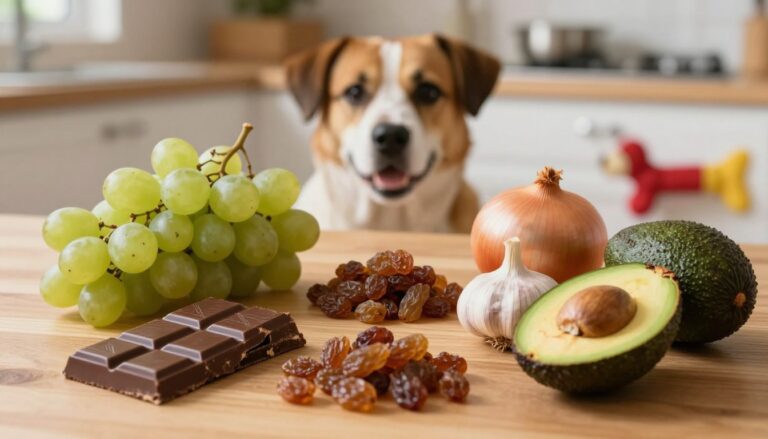
Onion and garlic powders are also very dangerous. They can damage a dog’s red blood cells, leading to anemia. Even a little bit of these powders is very harmful, making them a big concern.
Creating a Safe Kitchen Environment
Keeping your kitchen safe is crucial to stop your pet from getting into harmful foods for dogs. Foods like raisins and grapes are very toxic and can cause sudden kidney failure. Store these items in high cabinets or in sealed, chew-proof containers.
Consistency is key in keeping your kitchen safe. Make sure everyone knows to keep human snacks and spices away from your dog. This way, your dog can stay safe and healthy without the risk of getting sick.
| Item | Risk Level | Potential Effect |
|---|---|---|
| Nutmeg | High | Seizures and tremors |
| Onion Powder | High | Anemia and lethargy |
| Raisins | Critical | Kidney failure |
| Garlic Powder | High | Red blood cell damage |
Conclusion
Cinnamon is not needed in a dog’s diet. Even small amounts can be risky. Always be careful when giving human spices to pets.
Your main goal should be to feed your dog well. A good diet gives them all the nutrients they need. This way, they can stay healthy without the dangers of new foods.
Always talk to your vet before adding new foods to your dog’s diet. They can help make sure what you choose is right for your pet. This keeps them healthy and happy.
Keeping your kitchen safe is key. Store harmful foods where your dog can’t get to them. This stops them from eating things they shouldn’t.
Feeding your dog regularly is important. It helps them live a long, happy life. By focusing on their health and nutrition, you keep them safe from harm. Your careful choices greatly improve their life every day.