Can Dogs Have Pineapple? What Pet Owners Should Know
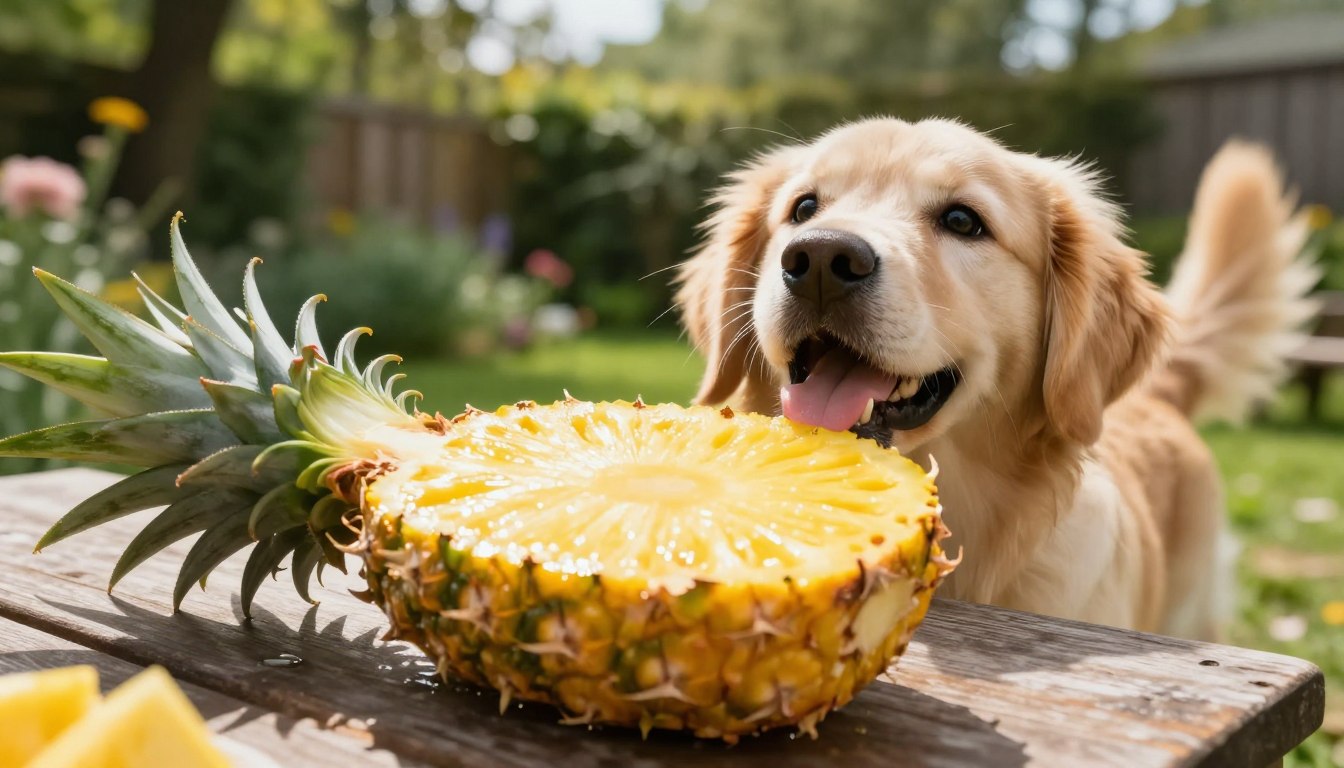
Sharing moments with your furry friend is special. Whether you’re chilling on the porch or cooking in the kitchen, they watch you closely. You might think about giving them a piece of pineapple.
Many pet owners ask, can dogs have pineapple as a treat? Pineapple is full of vitamins, but it’s key to know how it affects your pet. Your pup’s health is always the top priority when trying new foods.
This guide will look into pineapple’s safety and benefits for your pet. We’ll show you how to give them a tasty treat without worries. By following these tips, you’ll keep your pet happy and healthy.
Table of Contents
Understanding the Nutritional Profile of Pineapple
Adding new snacks to your dog’s diet? Knowing the nutritional value is key. Pineapple is a fruit full of health-supporting compounds. Many pet owners wonder if pineapple for dogs is healthy. The answer is yes, thanks to its vitamins and minerals.
Essential Vitamins and Minerals Found in Pineapple
This tropical fruit is full of important nutrients for your pet’s health. It has lots of Vitamin C to boost the immune system. It also has B vitamins like thiamin and riboflavin for energy.
Pineapple also has minerals like manganese and copper. These are good for your dog’s health. So, are pineapples good for dogs? Yes, they can be a healthy treat sometimes.
| Nutrient | Primary Benefit | Role in Canine Health |
|---|---|---|
| Vitamin C | Immune Support | Antioxidant protection |
| Manganese | Bone Health | Enzyme activation |
| Potassium | Muscle Function | Electrolyte balance |
| Vitamin B6 | Metabolism | Brain function support |
The Role of Bromelain in Canine Digestion
The fruit’s unique enzyme is bromelain. It breaks down proteins into amino acids. This helps your dog digest food better and absorb nutrients.
“Enzymes like bromelain serve as natural catalysts that can ease the digestive burden on a dog’s system when provided in appropriate, small quantities.”
Bromelain also has anti-inflammatory properties. It can help dogs with minor joint pain. But, always give it in small amounts to avoid digestive issues.
Can Dogs Have Pineapple Safely?
Many pet owners wonder, “Can dogs have pineapple?” Yes, they can, but how you prepare it is key. Fresh pineapple is full of good stuff, but how you serve it matters a lot. It can be a great snack or a risk for your dog.
Distinguishing Between Fresh and Canned Pineapple
When it comes to pineapple safety for dogs, choose fresh, raw fruit. Fresh pineapple is free from bad stuff found in canned versions. It’s a cool, hydrating snack for dogs in the summer.
Canned pineapple, on the other hand, is not good for dogs. It’s processed in ways that remove its natural benefits. Always check the label before giving your dog any fruit from the store.
Why You Should Avoid Pineapple Syrup and Preservatives
So, is canned pineapple safe for dogs? The main problem is the syrup it’s packed in. This syrup is full of sugar, which is bad for dogs.
Eating too much sugar can harm your dog in many ways. It can lead to:
- Weight gain and obesity from too many calories.
- High blood sugar, which is risky for diabetic dogs.
- Stomach problems like diarrhea or vomiting.
- Dental issues from sticky, sugary foods.
Also, some canned products have bad stuff like xylitol, which is very toxic to dogs. To keep your dog safe, give them fresh, plain pineapple chunks. This way, they get the fruit’s natural benefits without the bad stuff.
Potential Health Benefits of Pineapple for Dogs
Many pet owners are finding out the health perks of giving dogs pineapple. This tropical fruit is a nutrient-rich snack that boosts your pet’s energy. Knowing the benefits of feeding dogs pineapple helps you choose better for your furry friend’s diet.
Boosting the Immune System with Vitamin C
Pineapple is full of Vitamin C, a key antioxidant for dogs. It fights off free radicals, reducing stress in your dog’s body. This strengthens their immune system, helping them fight off common sicknesses.
Supporting Digestive Health and Nutrient Absorption
The unique aspect of pineapple for dogs is bromelain. This enzyme breaks down proteins into amino acids. This makes it easier for your dog to get nutrients from their food, improving digestion.
Anti-Inflammatory Properties for Active Dogs
If your dog is always on the go, they might get sore muscles or stiff joints. Bromelain has natural anti-inflammatory properties that can help. A small slice of pineapple can be a great way to help your dog recover.
| Nutrient | Primary Function | Benefit for Dogs |
|---|---|---|
| Vitamin C | Immune Support | Boosts natural defenses |
| Bromelain | Protein Digestion | Aids nutrient absorption |
| Water Content | Hydration | Supports metabolic health |
| Manganese | Bone Health | Promotes joint strength |
Risks and Side Effects of Feeding Pineapple to Dogs
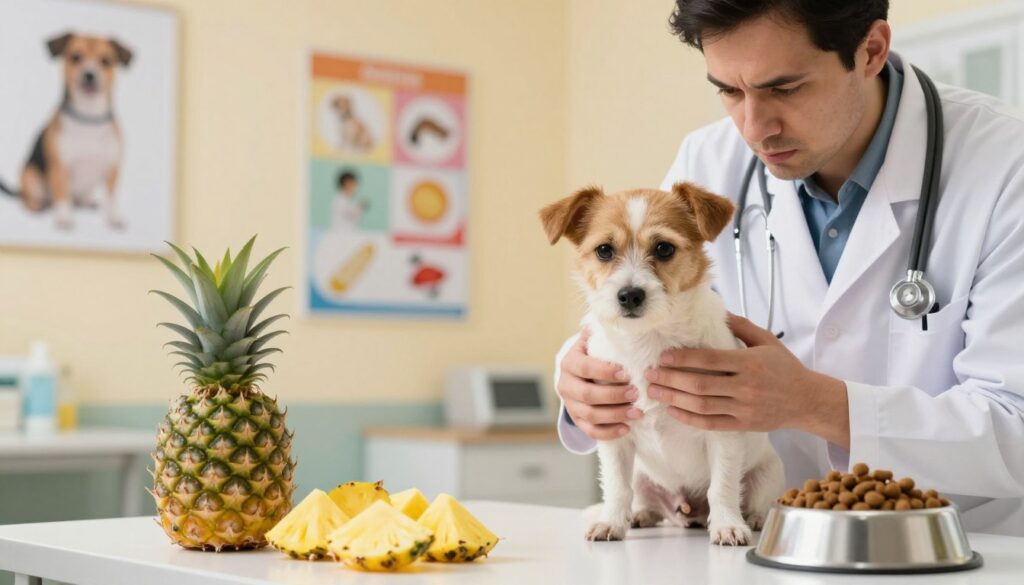
Pineapple is good for dogs, but it’s not without risks. It’s full of vitamins, but you should only give it in small amounts. Too much can cause health problems.
The Dangers of High Sugar Content
Pineapple has a lot of natural sugar. This sugar gives dogs a quick energy boost. But, eating too much can lead to weight gain and health issues like diabetes.
Watch how much sugar your dog eats. If they’re already overweight, avoid sugary fruits. Always talk to your vet about what’s best for your dog.
Fiber Overload and Gastrointestinal Upset
Pineapple also has a lot of fiber. While fiber is good, too much can upset your dog’s stomach. They might get diarrhea, gas, or vomit.
Dogs can’t always handle a lot of fiber at once. If your dog seems tired or has a stomachache after eating pineapple, cut back or stop giving it to them.
Choking Hazards Associated with Pineapple Cores
The pineapple core is a big danger. It’s hard for dogs to chew and can cause choking or blockages. The tough skin is also a risk, as it can hurt your dog’s stomach.
Make sure to remove the core and tough skin before giving pineapple to your dog. This will help prevent choking and other dangers.
| Risk Factor | Potential Symptom | Severity Level |
|---|---|---|
| High Sugar | Weight gain, lethargy | Moderate |
| Excessive Fiber | Diarrhea, vomiting | Mild to Moderate |
| Pineapple Core | Choking, obstruction | High |
How to Properly Prepare Pineapple for Your Dog
Learning how to feed pineapple to dogs starts with proper kitchen preparation. Cleaning and processing the fruit correctly is key. This ensures your pet avoids choking hazards or digestive discomfort. By following a few simple steps, you can make this tropical treat safe and healthy for your dog.
Removing the Spiky Skin and Tough Core
The exterior of a pineapple is extremely tough and covered in sharp, spiky leaves. These can damage your dog’s mouth or throat. You must peel the fruit completely, ensuring no remnants of the prickly skin remain. The central core is also far too fibrous for a dog to digest properly.
Always discard the core entirely to prevent intestinal blockages. Even if your dog seems interested in the texture, it is not worth the risk to let them chew on these hard parts.
Cutting Pineapple into Bite-Sized Pieces
Once you have removed the skin and core, slice the remaining yellow flesh into small, manageable chunks. The size of these pieces should be appropriate for your dog’s breed and mouth size. Smaller dogs require much smaller cubes to prevent accidental choking during consumption.
If you are wondering how to feed pineapple to dogs effectively, consider using a knife to create uniform, bite-sized squares. This makes it easier to monitor exactly how much fruit your pet is consuming during their snack time.
Freezing Pineapple as a Refreshing Summer Treat
During hot weather, you can elevate the snacking experience by freezing your prepared pineapple chunks. A frozen piece of fruit provides a cooling sensation that many dogs find delightful on a warm afternoon. Simply place the prepared cubes on a tray and freeze them until they are solid.
This method also serves as a great form of mental enrichment. Your dog will enjoy the unique texture and the slow-melting nature of the frozen treat.
| Preparation Step | Safety Action | Why It Matters |
|---|---|---|
| Peeling | Remove all spiky skin | Prevents mouth irritation |
| Coring | Discard the center | Avoids intestinal blockage |
| Slicing | Create small cubes | Reduces choking risk |
| Freezing | Use a flat tray | Creates a cooling treat |
Introducing Pineapple to Dogs: A Step-by-Step Approach
When you decide to introduce pineapple to dogs, patience is key. Many pets love the sweet taste of pineapple. But, their stomachs might not like sudden changes. A slow introduction helps spot any issues early.
Starting with Small Portions
Start with a tiny piece of fresh pineapple. A single, small cube is perfect for the first try. This lets you see how your dog reacts to pineapple’s sugars and fiber.
If your dog seems fine after a day, you can try a bit more next time. Consistency is key when trying new foods. Don’t mix pineapple with other new foods to avoid confusion if your pet gets sick.
“The golden rule of canine nutrition is to introduce any new food item in moderation, allowing the digestive tract time to adapt to the change in fiber and sugar content.”
Monitoring for Allergic Reactions
After introducing pineapple to dogs, watch your pet closely for a few hours. Some dogs might have allergic reactions or stomach issues. Look out for signs like itching, hives, or feeling very tired.
Also, keep an eye on their stomach. If they vomit, have diarrhea, or seem gassy, stop the pineapple right away. Here’s a simple guide to follow.
| Observation Phase | Action Required | Potential Concern |
|---|---|---|
| First 2 Hours | Monitor for immediate reactions | Allergic response |
| First 24 Hours | Check stool consistency | Digestive sensitivity |
| Ongoing | Limit to occasional treats | High sugar intake |
By following these steps, you keep your dog safe and happy. Always put your pet’s comfort first. If you’re unsure about your dog’s diet, talk to your vet before making changes.
Pineapple and Dogs Diet: Moderation is Key
When thinking about the pineapple and dogs diet, remember moderation is key. Fruit can be tasty, but it shouldn’t replace your dog’s main meals. Consistency helps keep your pet healthy and avoids stomach problems.
Calculating Appropriate Serving Sizes Based on Weight
Use the 10% rule for treats, including pineapple. This means treats should not be more than 10% of your dog’s daily calories. This helps avoid too much sugar or extra calories.
To figure out the right amount, first know your dog’s daily calorie needs. For small dogs, a small piece is enough. Bigger dogs might have a bit more, but start small to watch how they react.
| Dog Size | Weight Range | Recommended Pineapple Serving |
|---|---|---|
| Small | 10–20 lbs | 1 small cube (1/2 inch) |
| Medium | 21–50 lbs | 2 small cubes (1/2 inch) |
| Large | 51+ lbs | 3 small cubes (1/2 inch) |
Balancing Fruit Treats with a Balanced Canine Diet
Adding pineapple to your dog’s diet needs careful planning for nutritional balance. Fruit has natural sugars, so it’s best as an occasional treat. Always prioritize good dog food or vet-approved meals as their main diet.
When giving pineapple, swap it with other treats to keep calorie counts even. Watch your dog’s weight to see if treats are right for them. This balance lets you share snacks safely without harming their health.
Addressing the Myth: Does Pineapple Stop Dogs from Eating Poop?
If your dog eats poop, you might have tried the pineapple trick. Many wonder, does pineapple stop dogs from eating poop. They hope it’s a simple fix from their kitchen.
The Theory Behind Pineapple and Coprophagia
Some think pineapple changes the taste of a dog’s stool. They believe the fruit’s enzymes make it taste bad to dogs.
This idea is that the taste change will stop the dog from eating poop. It’s a common tip shared among pet owners.

Scientific Reality Versus Anecdotal Evidence
But, there’s no scientific proof that pineapple stops dogs from eating poop. Vets say it’s usually a behavior or psychological issue, not a diet problem.
Some owners say it works, but it’s likely just a coincidence. It ignores the real reasons, like anxiety or boredom.
Alternative Methods to Curb Coprophagia in Dogs
Since pineapple isn’t proven, look for better ways. Fixing the root cause is key to stopping this habit.
Here’s a table to clear up myths and real solutions for your pet.
| Method | Effectiveness | Recommended By Vets |
|---|---|---|
| Feeding Pineapple | Low/Anecdotal | No |
| Increased Exercise | High | Yes |
| Behavioral Training | High | Yes |
| Stool Deterrent Chews | Moderate | Yes |
Always talk to your vet before trying new foods or supplements. They can check for health issues like parasites.
Signs of Pineapple Toxicity or Digestive Distress
Knowing the signs of an upset stomach is key to keeping your pet happy and healthy. Many owners worry about pineapple safety for dogs. But remember, every dog’s body is different. Even a small amount of pineapple can upset some dogs.
Recognizing Symptoms of an Upset Stomach
If your dog reacts badly to pineapple, symptoms usually show up a few hours later. Watch your pet closely after they try pineapple for the first time.
Look out for these signs of digestive trouble:
- Vomiting or frequent regurgitation.
- Loose stools or sudden bouts of diarrhea.
- General lethargy or a lack of interest in play.
- Visible signs of abdominal discomfort or bloating.
When to Contact Your Veterinarian
Mild stomach upset usually goes away in a day or two. But if your dog shows severe distress, get vet advice fast. True pineapple toxicity in dogs is rare, but health issues can make fruit problems worse.
Call your vet right away if you see these serious signs:
- Persistent vomiting that prevents the dog from keeping water down.
- Blood in the stool or vomit.
- Extreme weakness or inability to stand.
- Signs of severe dehydration, such as dry gums or sunken eyes.
Managing Mild Digestive Sensitivity
For mild symptoms, you can care for your dog at home. Make sure they always have fresh, clean water. A bland diet, like boiled chicken and white rice, can also help.
Keep a close eye on your dog for a day to see if they get better. If symptoms don’t improve or get worse, call your vet. Keeping a food diary can help your vet help your dog.
Pineapple Alternatives for Canine Treats
Not every dog likes pineapple’s tangy taste. But, there are many other healthy snacks to try. If your pet has a sensitive stomach or prefers different tastes, you have many healthy options to keep them happy.
Changing up your dog’s snacks is a great idea. It keeps them excited about eating healthy. By trying different snacks, your dog gets a variety of vitamins and minerals.
Safe Fruits for Dogs to Enjoy
Many fruits are safe and tasty for dogs. Strawberries are full of fiber and vitamin C. They help keep your dog’s immune system strong.
Watermelon is also a great choice. It’s very hydrating, perfect for hot days. Just make sure to remove seeds and rind first.
Vegetables That Provide Similar Nutritional Value
Vegetables are also good, especially low-calorie ones. Carrots are a favorite because they’re crunchy. They help clean teeth and are low in calories.
Green beans are another great option. They’re full of fiber and vitamins. You can serve them raw, steamed, or even frozen for a cool treat.
Comparing Pineapple to Other Low-Calorie Snacks
Choosing the right treat for your dog is important. Look at the nutritional value of different snacks. The table below compares common snacks to help you decide.
| Snack Option | Primary Benefit | Calorie Density | Best Served |
|---|---|---|---|
| Pineapple | Digestive Enzymes | Moderate | Fresh/Frozen |
| Strawberries | Antioxidants | Low | Fresh/Sliced |
| Watermelon | Hydration | Very Low | Seedless/Chilled |
| Carrots | Dental Health | Low | Raw/Crunchy |
| Green Beans | Fiber Content | Very Low | Steamed/Raw |
Conclusion
Choosing the right snacks for your dog is key. Fresh pineapple can be a tasty treat if you’re careful. Make sure to keep portions small and safe.
Choosing whole foods over processed ones is important for your dog’s health. Always check the fruit for freshness. Remove any tough parts before giving it to your dog. This helps avoid any digestive problems.
Talking to your vet is the best way to make sure these treats are right for your dog. Every dog is different, so watch for any signs of not feeling well after trying new foods. This way, your dog stays healthy and happy for a long time.
Sharing your knowledge with other pet owners is great. Your tips on healthy snacks can really help other dogs. It’s a way to make a positive impact on the lives of dogs everywhere.