Types of German Shepherd Coats: Colors, Patterns & Coat Lengths
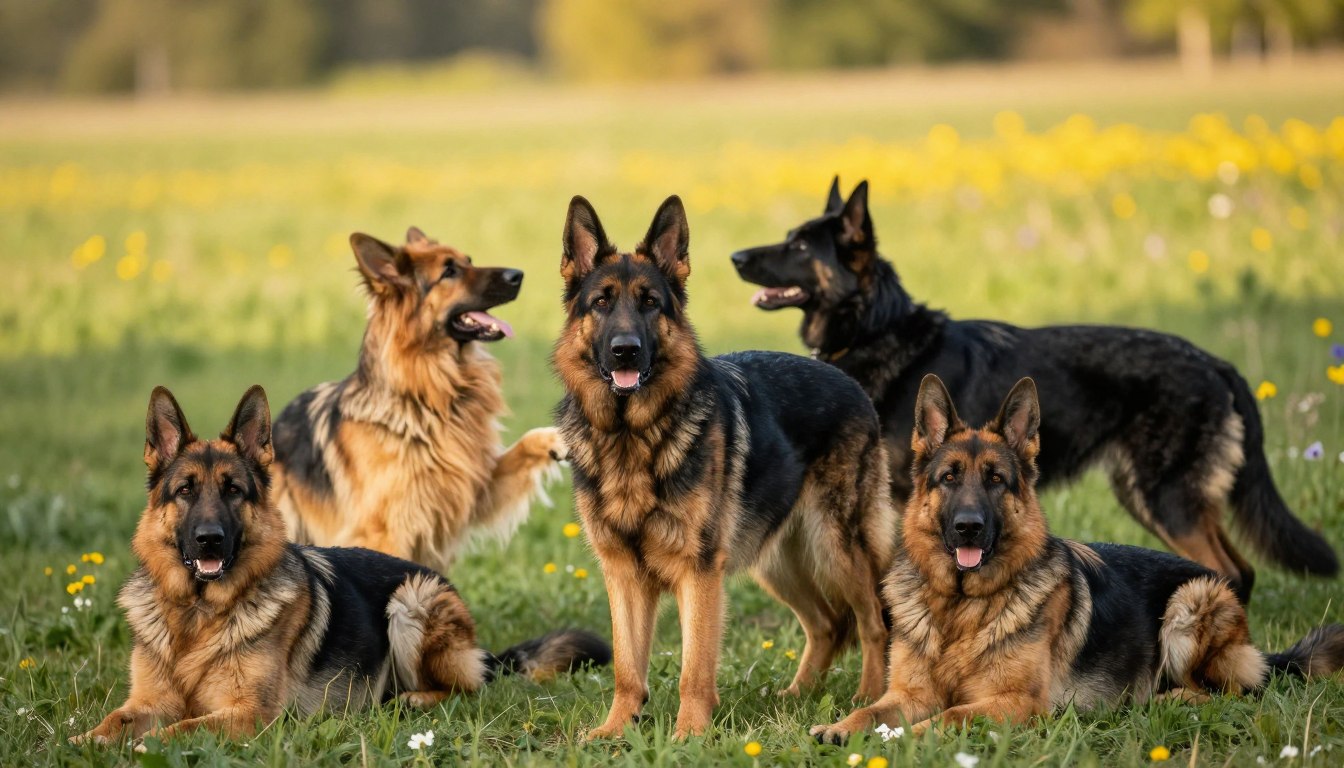
When you look into your loyal companion’s eyes, you see more than a pet; you see family. Your dog’s classic black and tan pattern or solid black coat adds to its unique charm. Learning about the types of german shepherd coats helps you feel closer to your furry friend.
Recognizing specific german shepherd coat colors and textures shows more than beauty. These traits offer clues about grooming, shedding, and how your dog handles different weather. Knowing your pup’s german shepherd fur types helps you plan care that keeps them comfortable and healthy.
These physical traits do not define your dog’s personality or intelligence. A long-haired dog is just as capable of being a brilliant protector as a short-haired dog. Your dog’s coat reflects its heritage and individual style.
Table of Contents
What Defines the Types of German Shepherd Coats
Your dog’s fur shows why this breed adapts so well. The types of german shepherd coats are more than looks; they form an evolved survival system. Knowing these layers helps you care for your companion in every season.
How the German Shepherd Double Coat Is Structured
The dense undercoat and protective outer coat
The breed’s defining feature is the german shepherd double coat. This system has a soft, woolly undercoat close to the skin, providing needed warmth. Straight, coarse guard hairs cover it and shield the dog from the elements.
How coat texture supports insulation and weather protection
These guard hairs resist water, helping your dog stay dry during light rain or snow. The dense undercoat traps air, keeping the dog warm in winter and cool in summer. This two-layer design helps the breed live in many climates across the United States.
Why Coat Appearance Varies Within the Breed
The role of genetics, age, season, and sunlight
Many factors shape your dog’s fur at any given time. German shepherd coat genetics mainly determine its base color and pattern. Seasonal shedding and long sunlight exposure can also fade the coat or change its density.
Why puppies may change color as they mature
Puppies often look very different as they grow into adults. Puppy fuzz gives way to mature guard hairs, revealing the coat’s true color and texture. Your dog may become darker or develop clearer markings as it matures.
| Factor | Impact on Coat | Result |
|---|---|---|
| Genetics | Determines base color | Permanent traits |
| Season | Triggers shedding | Density changes |
| Sunlight | Bleaches pigments | Color fading |
| Age | Replaces puppy fur | Texture maturation |
Watching these changes helps you understand your dog’s fur health and condition. Regular grooming and a balanced diet help preserve the natural shine of its double coat throughout life.
German Shepherd Coat Colors You May See
German Shepherds come in many colors, not just the familiar dark-backed look. The range of german shepherd coat colors is wide. Complex german shepherd coat genetics controls how pigment spreads across the body.
Black and Tan German Shepherd Coats
Common saddle, blanket, and bicolor distributions
Black and tan is the breed’s most iconic look. A black saddle or blanket covers the back, while the legs and underbelly stay lighter tan. Bicolor dogs look darker, with black covering most of the body and small tan marks on their feet or faces.
Black and Red German Shepherd Coats
How richer red markings differ from traditional tan
Many enthusiasts prefer the striking contrast of a black and red coat. Unlike muted tan, these dogs show deep, rich mahogany or red markings. This vibrant color is sought after in show lines and creates a visually stunning appearance.
Sable German Shepherd Coats
How banded hairs create a shaded or wolf-like appearance
Sable is a pattern in which each hair has bands of different colors. Each strand has a light base and dark tip, giving the dog a shaded, wolf-like aesthetic. This is one of the most natural german shepherd coat patterns, often linked to the breed’s working heritage.
Solid Black German Shepherd Coats
Why the black color is accepted in some breed standards
Solid black dogs are dark from head to tail. Some older standards called this a fault, but most modern kennel clubs accept it. These dogs have a striking, uniform look that many owners find incredibly elegant.
Less Common or Nonstandard Colors
Blue, liver, white, and dilute-colored coats
You may encounter nonstandard colors like blue, liver, or white. Recessive genes cause these shades by diluting the primary pigment. These dogs are healthy, wonderful companions, but formal conformation shows often disqualify them.
How color recognition differs among kennel clubs and breeders
Kennel clubs and breeders around the world recognize these rare colors differently. Some organizations strictly follow traditional german shepherd coat patterns, while others allow more variety. Color does not determine a dog’s temperament or intelligence, regardless of what german shepherd coat genetics might suggest.
German Shepherd Coat Patterns and Markings
Pigment placement gives the German Shepherd its signature look. These german shepherd coat patterns reflect complex genes that place dark and light hairs across the body. These markings show the breed’s wide range of looks.
Saddleback and Blanket Patterns
How dark pigment covers the back, neck, and sides
Saddleback and blanket patterns rank among the best-known types of german shepherd coats. A dark “saddle” or “blanket” covers the back, neck, and sides. The legs and underbelly stay lighter.
Why the pattern can become less pronounced with age
As your dog matures, dark pigment may spread or fade. The puppy coat changes into a thicker adult coat, which can blur the saddle into tan fur.
Bicolor German Shepherd Markings
How extensive black pigment affects the dog’s overall appearance
Bicolor dogs have much more black pigment than standard saddleback dogs. Black dominates the body, with small tan or cream patches on the feet, hocks, and muzzle.
Sable Pattern Variations
Examples of clear, shaded, and dark sable coats
Sable coats have individual hairs banded with different colors. Clear sable looks lighter, while dark sable has heavy black tipping and a wolf-like appearance.
How individual hair banding creates pattern variation
Unlike solid colors, the sable pattern depends on the agouti gene. Each hair shaft has alternating light and dark bands, creating color depth that changes in different light.
“The beauty of the sable German Shepherd lies in the intricate banding of the fur, which provides a natural camouflage and a rugged, wild aesthetic.”
Masking, Leg Markings, and Chest Color
Common facial masks and ear pigmentation
Most German Shepherds have a dark mask from the muzzle to the eyes and ears. This breed hallmark highlights the dog’s alert, intelligent expression.
Tan, red, cream, or silver markings on the legs and chest
The lower body often has lighter tones against the darker back. These markings range from deep red to pale cream or silver, adding variety to german shepherd coat colors.
| Pattern Type | Primary Feature | Visual Impact |
|---|---|---|
| Saddleback | Dark back patch | Classic, defined look |
| Bicolor | Dominant black | Dark, intense appearance |
| Sable | Banded hairs | Textured, wolf-like |
| Blanket | Extended dark area | Covers neck to tail |
Patterns That May Signal Mixed or Nonstandard Breeding
Panda markings and why they are unusual
Some dogs have white spotting or “panda” markings outside traditional breed standards. These rare patterns may show nonstandard genetic traits or mixed ancestry.
How to assess coat traits without judging a dog’s health by appearance alone
An unusual coat pattern does not determine a dog’s personality or physical health. Judge each dog by its temperament and overall well-being, not its markings alone.
German Shepherd Coat Lengths and Fur Types
Your German Shepherd’s coat affects grooming and daily care. Learning about the various german shepherd fur types helps you understand shedding and coat health.
Short-Haired German Shepherd Coats
The standard or stock coat’s moderate length and close-fitting texture
The traditional short-haired german shepherd coat is often called the stock coat. It has a moderately long, dense outer layer that lies flat against the body.
How short-haired coats affect brushing and maintenance
Because this coat is short, it is generally easier to manage than longer varieties. These dogs still shed significantly, but their fur resists tangles and mats, making brushing quick and efficient.
Long-Haired German Shepherd Coats
Long feathering on the ears, legs, tail, and body
A long-haired german shepherd coat has noticeably longer fur and a soft, flowing look. You will typically see feathering on the ears, legs, tail, and underbelly.
How long hair changes the dog’s visual outline
The extra length changes the dog’s outline, giving it a softer, fuller look. This added volume can make the dog appear larger and more imposing.
Plush or Medium-Length Coats
How a fuller outer coat differs from a true long coat
Plush coats fall between stock coats and long coats. They look noticeably fuller and thicker than standard coats, but lack extreme length and heavy feathering.
Coat Texture Differences Within the Same Length
Straight, wavy, dense, and coarse outer-coat textures
Fur texture strongly affects your dog’s appearance. Some coats are straight and sleek, while others feel coarse or slightly wavy.
Why texture can affect matting, dirt retention, and drying time
Texture directly affects your grooming routine. Coarse or wavy fur can trap dirt and debris, causing mats without regular brushing. Dense coats also take longer to dry after bathing, so check the skin carefully.
German Shepherd Double Coat Versus Single Coat
The German Shepherd is known for its iconic german shepherd double coat, but coat differences can confuse owners. Understanding these german shepherd fur types helps you provide proper care.
How to Recognize a Healthy Double Coat
Signs of a visible undercoat and weather-resistant guard hairs
A healthy coat has two distinct layers. A soft, dense undercoat provides insulation, while straight, coarse guard hairs repel water and dirt.
When you part the fur, the undercoat should feel thick and woolly. The outer guard hairs form a shield that keeps skin dry during heavy rain.
Differences between the puppy coat and adult coat
Puppies often look softer and fluffier because their coats lack adult density. As your dog matures, the adult german shepherd double coat replaces this first fuzz and protects an active life.
What People Mean by a Single Coat German Shepherd
Why the term is often used inaccurately
You may hear the term single coat german shepherd used for dogs with less fur volume. In reality, this is rarely a true genetic single coat because the breed standard requires a double layer.
How reduced density may result from genetics, grooming, or health issues
What appears to be a single coat german shepherd is often a dog with reduced density. Several causes can create this appearance:
- Genetics: Some lines naturally produce thinner fur.
- Grooming: Excessive raking or improper brushing can remove too much undercoat.
- Health: Nutritional deficiencies or skin conditions can lead to a sparse appearance.
Why the Double Coat Matters
Temperature regulation in hot and cold weather
The double coat is a natural climate-control system. It traps cool air in summer and holds body heat in winter, keeping the dog comfortable.
Why shaving can interfere with natural protection
Many owners mistakenly think shaving a single coat german shepherd or double-coated dog keeps it cool. Removing these layers destroys natural insulation and leaves skin vulnerable to sunburn and insect bites.
Always remember that your dog’s fur is a natural barrier. Protecting these german shepherd fur types helps keep your pet healthy and comfortable in every season.
German Shepherd Coat Genetics and Color Inheritance
Studying german shepherd coat genetics shows how traits pass through generations. Your dog’s appearance comes from a complex biological blueprint inherited from both parents.
How Genes Influence Color and Pattern
Base color, pigment distribution, and pattern-modifying genes
These dogs have two primary pigments: eumelanin (black) and phaeomelanin (red/tan). Modifying genes control pigment placement and create the distinct types of german shepherd coats you recognize.
Why two similar-looking parents can produce different coat appearances
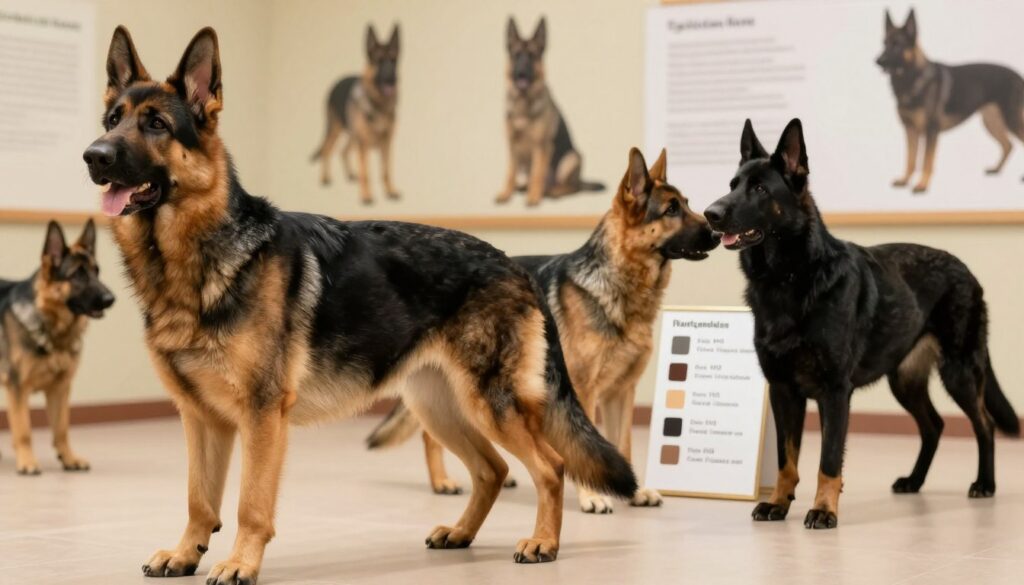
Two standard-colored parents can sometimes produce a puppy with a unique appearance. Each parent may carry hidden recessive genes that their own phenotype does not show. If both pass these markers on, the puppy may display a trait neither parent shows.
How Recessive Traits Appear in Puppies
Inherited black, long-haired, dilute, and liver-color traits
The long-hair gene and liver-color mutation are recessive traits. A puppy must inherit each gene from both the sire and dam to show these traits. Understanding these inheritance patterns helps explain the breed’s diversity.
Why a puppy’s color does not reveal every genetic trait it carries
A puppy’s coat color offers only a partial view of its genetic makeup. A dog may carry genes for another color or hair length without showing them. Visual appearance can never replace a complete genetic profile.
What Responsible Breeders Test and Document
Pedigree records, health testing, and coat-trait transparency
Reputable breeders keep detailed pedigree records to track their dogs’ lineage. They use modern health testing to check that breeding pairs lack hereditary issues. Clear records help future owners understand traits their puppy might carry.
Why coat color should not take priority over temperament and health
The variety of types of german shepherd coats is fascinating, but it should not overshadow a dog’s well-being. Prioritizing temperament and physical health defines responsible breeding. A healthy, well-adjusted dog matters more than one chosen only for color or pattern.
How German Shepherd Coats Change From Puppyhood to Adulthood
The journey from a fluffy puppy to a mature dog brings major changes to your German Shepherd’s coat. As your companion grows, you may notice changes in texture, thickness, and color intensity. These changes are natural and influenced by german shepherd coat genetics.
The Transition From Puppy Fur to an Adult Coat
When the adult guard hairs and undercoat become more visible
Most puppies start with a soft, fuzzy coat that lacks the durability of adult fur. Around four to six months of age, coarser, longer guard hairs push through the puppy fluff. The dense, insulating undercoat also starts developing, protecting the breed from weather.
Why coat length and density may change during the first year
During the first year, the coat may look uneven or patchy as adult fur replaces puppy fur. It may become thicker and more weather-resistant as the dog reaches physical maturity. Consistency is key during this phase, because regular grooming removes loose puppy fur and supports healthy growth.
Seasonal Coat Changes
Spring and fall shedding cycles
Understanding german shepherd coat shedding is essential for any owner. These dogs typically have two major shedding cycles each year, often called “blowing their coat.” In spring, they shed their thick winter undercoat for warmer weather; in autumn, they grow a denser layer for cold.
How indoor heating and climate can influence shedding patterns
Living in a climate-controlled home can sometimes disrupt a dog’s natural shedding cycle. Winter heating may cause year-round shedding instead of two distinct bursts. Frequent brushing and a balanced diet can help manage this constant shedding.
“A dog’s coat is a mirror of their internal health, reflecting their nutritional status and overall well-being throughout their life stages.”
Age-Related Changes in Color and Texture
Gray hairs, faded pigment, and changes in coat shine
As your German Shepherd enters senior years, subtle appearance changes may appear. It is common for german shepherd coat colors to fade slightly, while gray hairs appear around the muzzle and face. Natural oils that create a healthy shine may decrease, making the coat duller than during its prime.
When sudden coat changes may justify a veterinary examination
While gradual changes are normal, sudden changes in coat quality can cause concern. If you notice bald patches, excessive itching, or a rapid change in texture, it is wise to consult your veterinarian. These symptoms could signal health issues that require professional attention.
| Life Stage | Coat Texture | Shedding Level |
|---|---|---|
| Puppy | Soft and fluffy | Minimal |
| Young Adult | Coarse and dense | High (Seasonal) |
| Senior | Thinner and drier | Moderate |
German Shepherd Coat Shedding and Grooming Needs
You need a steady grooming routine to manage your German Shepherd’s coat. This breed has thick fur, so learn how its hair sheds.
What You Can Expect From German Shepherd Coat Shedding
Routine shedding versus seasonal “blowing” of the undercoat
german shepherd coat shedding happens year-round because dogs naturally lose old hair. Expect the coat to “blow” twice yearly, in spring and autumn.
During these seasonal changes, the dense undercoat falls out in large clumps. This helps the dog adjust to changing temperatures but leaves loose fur around your home.
How long-haired and short-haired coats differ in visible hair around the home
Both german shepherd fur types shed heavily, but their hair looks different. A long-haired german shepherd coat forms “tumbleweeds” that stand out on floors and furniture.
In contrast, a short-haired german shepherd coat produces smaller, finer hairs that weave into fabrics and carpets. Follow a regular cleaning schedule to manage hair buildup.
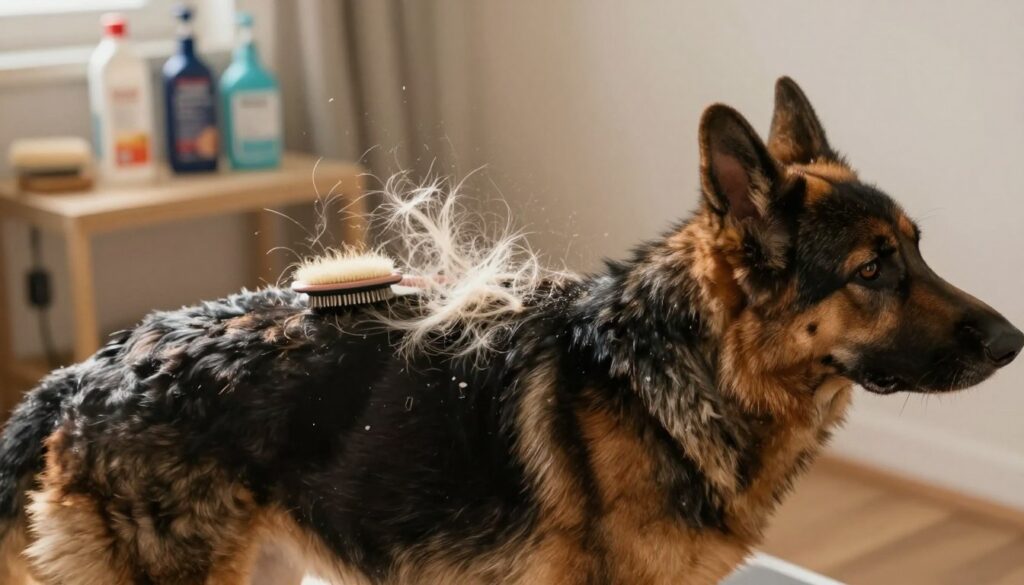
Brushing Tools for Different Coat Types
Undercoat rakes, slicker brushes, and grooming combs
To care for a healthy german shepherd double coat, use the right tools. Several tools help you reach the dense underlayer without causing discomfort.
- Undercoat rakes: Ideal for removing loose fur from the thick underlayer.
- Slicker brushes: Perfect for smoothing the topcoat and removing tangles.
- Grooming combs: Useful for checking for mats behind the ears and on the legs.
How to choose tools without damaging the skin or guard hairs
Choose tools with rounded tips to protect your dog’s sensitive skin. Use Gentle pressure, because hard brushing can damage guard hairs and irritate skin.
Bathing, Drying, and Coat Care
Why thorough drying matters for a dense double coat
After bathing your dog, dry the coat completely down to the skin. A damp undercoat can cause “hot spots” or fungal growth, which can hurt your pet.
How diet, parasites, allergies, and skin health affect coat quality
Your dog’s coat reflects their internal health. A balanced diet rich in omega fatty acids supports a shiny, resilient coat, while parasites or allergies can cause dull, brittle fur.
Grooming Practices to Avoid
Why shaving is usually unnecessary
Avoid shaving your dog because the double coat insulates against heat and cold. Shaving can disrupt natural growth and leave the skin open to sunburn.
Risks of aggressive de-shedding and excessive bathing
Excessive bathing removes essential skin oils, causing dryness and itching. Overusing de-shedding blades can cut the coat instead of removing loose hair, permanently harming its texture.
How to Identify Your German Shepherd’s Coat Type
Identify your dog’s coat by checking several physical traits. These traits help you understand the types of German Shepherd coats and choose proper care.
Examining Coat Length and Texture
Checking the ears, tail, legs, neck, and flank for feathering
To tell a long-haired German Shepherd coat from a short-haired German Shepherd coat, inspect several areas. Look at the ears, tail, legs, neck, and flank for long, flowing hair called feathering. If these areas are much longer than the body, your dog likely carries the long-hair gene.
Separating undercoat density from outer-coat length
Separate a thick undercoat from the length of the outer guard hairs. A dog without a dense undercoat may look like a single coat German Shepherd, but this is rare. Feel the hair to learn whether it is coarse and straight or soft and wavy.
Recording Color and Pattern Features
Documenting the base color, saddle, mask, and leg markings
Record your dog’s German Shepherd coat colors and German Shepherd coat patterns in detail. Note the fur’s base color, dark saddle, facial mask, and distinct leg markings. These details help you track changes in your dog’s appearance.
Comparing appearance with breed-standard terminology
Use official breed terms to describe your dog’s appearance. Terms such as “blanket back,” “bicolor,” or “sable” help you communicate clearly with other enthusiasts. Comparing your dog with these standards can reveal traits that shape its unique look.
When Professional Input Is Useful
Using a veterinarian to investigate unusual coat or skin changes
See your veterinarian if you notice sudden texture changes or hair loss. A professional can rule out health problems that affect the coat. Your veterinarian can help keep your dog’s skin healthy and vibrant.
Using a qualified breeder or breed expert for lineage questions
For heritage questions, contact a qualified breeder. Breeders know much about German Shepherd coat genetics and can explain your dog’s lineage. Their expertise can clarify why your dog shows certain traits.
Why visual identification cannot replace genetic testing
Visual inspection helps, but it cannot replace scientific data. Genetic testing gives definite answers about the recessive genes your dog may carry. DNA results give the most accurate information about recessive genes and your dog’s chance of passing on coat traits.
Conclusion
This breed’s beauty comes from the wide range of types of german shepherd coats. Color, pattern, length, and texture vary because of different genetic backgrounds. These traits shape your companion’s appearance and provide insulation and weather protection.
Managing german shepherd coat shedding takes a steady grooming routine. Watch for changes in fur quality or skin health as your dog grows from puppyhood into adulthood. Sudden changes in texture or density may require a visit to your veterinarian.
Focus on your dog’s overall well-being. Appreciate their appearance while providing good nutrition, temperament training, and daily care. Responsible ownership looks beyond appearance and helps your pet live a healthy, active life.
Share your dog’s unique coat type with the community. Talking with other owners can teach you about the diverse traits within this loyal breed. Your care for grooming and health helps keep your dog happy and part of your family for years.