

Dutch Shepherd Breeders: How to Find a Reputable Breeder
Bringing a new dog home is a life-changing decision that fills you with hope. You may dream of a loyal, healthy, stable companion for your daily adventures. Yet finding the right puppy begins long before the puppy arrives.
Choosing the right source for your future pet is essential for long-term happiness. Many families feel overwhelmed by flashy ads and social media promises from dutch shepherd breeders. Look past appearances and seek proof of sound breeding practices.
This guide helps you assess breeders through health testing, puppy socialization, and clear contracts. By identifying reputable dutch shepherd breeders, you can avoid common scams and give your new friend a strong start.
Table of Contents
What Responsible Dutch Shepherd Breeders Should Provide
A reputable breeder does more than produce puppies; they guard the breed’s future. When choosing a companion, finding the right dutch shepherd breeders matters. You deserve reputable dutch shepherd breeders who put each dog’s long-term well-being first.
Experience With the Dutch Shepherd Breed
True expertise means more than owning a few dogs. It includes knowing the breed’s history, physical traits, and challenges as a high-energy working dog. Reputable Dutch Shepherd Breeders spend years studying pedigrees and improving the breed with each generation.
“The goal of a breeder should be to produce a dog that is not only healthy but also capable of fulfilling its purpose as a loyal and capable companion.”
Commitment to Temperament, Health, and Working Ability
A balanced Dutch Shepherd needs both drive and stability. Responsible breeders assess temperament for family life while protecting the breed’s working ability. They look beyond appearance and prioritize functional health and stable nerves.
Ask how the breeder tests for common health issues. They often provide hip and elbow clearance records, giving your puppy a strong start. This health focus marks high-quality dutch shepherd breeders.
Transparency About Dogs, Litters, and Placement Policies
Open communication builds a healthy breeder relationship. A professional explains litter plans, puppy availability, and the parents’ traits. They also explain placement policies, matching each puppy with a home that suits its energy and needs.
- Clear Contracts: They provide written agreements that outline health guarantees and return policies.
- Honest Feedback: They will tell you if a specific puppy might not be the right fit for your lifestyle.
- Ongoing Support: They remain available to answer your questions long after you bring your puppy home.
How to Evaluate Dutch Shepherd Breeders
Finding the best Dutch Shepherd breeders requires careful checking of their claims. A professional website or polished social media feed cannot prove a quality breeding program. Look for proof of good health, socialization, and ethical placement, not attractive marketing alone.
Review the Breeder’s Website and Public Information
Begin with the breeder’s official website. A transparent breeder explains their goals, dogs’ history, and breeding philosophy. Be wary of sites focused only on sales or immediate puppy purchases without screening.
Review the breeder’s social media pages to see how they engage with the community. Look for steady updates about their dogs’ achievements in sports, work, or family life. This public record can show their true commitment to the breed.
Verify Memberships, Registrations, and Breeding Standards
Legitimate breeders often join breed organizations or kennel clubs. Use a trusted dutch shepherd breeders directory to compare names found online. These groups often require strict ethics for health testing and animal welfare.
Confirm that the breeder follows recognized breed standards. They should provide health-clearance documents and registration papers for their breeding dogs. If they cannot explain their standards, treat it as a serious warning sign.
“A responsible breeder is a steward of the breed, prioritizing the long-term health and temperament of every puppy over profit or convenience.”
Look for Long-Term Support After You Take Your Puppy Home
The relationship with reputable dutch shepherd breeders continues after you pay for your puppy. A dedicated breeder remains a resource throughout the dog’s life. They should guide you on nutrition, training, and behavior as your puppy grows.
Questions to Ask About Training, Socialization, and Returns
When speaking with a breeder, ask clear questions about their involvement. Ask how they prepare puppies for life in a new home. Use the table below to assess their answers during your first conversations.
| Evaluation Category | Positive Indicator | Warning Sign |
|---|---|---|
| Socialization | Exposure to varied sounds and surfaces | Puppies kept in isolation |
| Training | Basic foundation work started | No mention of early development |
| Return Policy | Contract requires return to breeder | No policy or “final sale” only |
| Support | Lifetime advice and guidance | Communication stops after payment |
Ask what happens if you can no longer keep the dog. A responsible breeder includes a contract clause requiring the dog’s return. This ensures their puppies do not end up in shelters or rescue situations.
Health Testing to Expect Before Choosing a Breeder
A healthy puppy starts with the right medical screenings for this breed. When researching dutch shepherd breeders, choose those focused on their dogs’ long-term health. Good breeding requires more than love; it also depends on science and data.
Hip and Elbow Evaluations
Orthopedic health matters for active working breeds. Expect records showing that both parents were screened for hip and elbow dysplasia.
These tests often come from groups like the Orthopedic Foundation for Animals (OFA) or PennHIP. Always ask to see the official certificates instead of trusting verbal claims about the dogs’ health.
Eye Examinations and Relevant Genetic Testing
You should choose reputable dutch shepherd breeders who prioritize vision health. They should provide proof of annual eye exams by a board-certified veterinary ophthalmologist.
Genetic testing can identify possible inherited conditions. Modern DNA panels screen for many markers and show whether parents carry harmful recessive traits.
Vaccinations, Parasite Prevention, and Veterinary Records
A responsible breeder keeps careful medical files for every dog. You should see records of age-appropriate vaccines and regular parasite prevention.
These records show that the breeder works to prevent illness. Consistent veterinary oversight marks a high-quality breeding program.
How to Confirm Health Results Through Reliable Records
Do not rely on handwritten notes or unclear summaries. Request official laboratory reports and registry numbers that you can verify yourself.
“The foundation of a healthy future for your puppy is built upon the transparency and medical diligence of the breeder you choose.”
Check that each health certificate names the parents of the litter. If a breeder refuses these documents, consider it a serious warning sign.
Why Health Guarantees Should Not Replace Independent Testing
Many people think a written health guarantee offers enough protection. However, its value depends on the breeder’s willingness to honor it.
Independent testing gives objective health proof before you commit to a puppy. Reputable Dutch Shepherd breeders know documentation builds trust and supports the breed’s long-term health.
How Breeders Raise and Socialize Dutch Shepherd Puppies
When you search for dutch shepherd puppies for sale, their early environment matters as much as their pedigree. The first eight weeks are a critical time for brain development. Reputable dutch shepherd breeders use this time to build confidence for the move into your home.
Clean, Safe, and Enriching Living Conditions
Quality breeding programs keep nursery areas clean, safe, and engaging. Puppies need clean bedding and enough room to explore safely. Different textures and safe toys stimulate their growing senses and curiosity.
Early Handling and Exposure to Household Experiences
Regular, gentle human contact helps puppies build trust. Breeders should expose them to household sounds, including vacuums, televisions, and kitchen noises. This early practice can help prevent fear-based behavior later.
“The quality of early socialization determines the resilience of the adult dog in the face of new challenges.” — Anonymous Expert
Appropriate Exercise and Mental Stimulation for Growing Puppies
Growing puppies need a balance of active play and plenty of rest. Breeders should offer age-appropriate challenges that build problem-solving skills without straining puppy joints. Structured play builds coordination and focus.
Recognizing Confident, Curious, and Recoverable Puppy Behavior
You can assess a puppy’s temperament by watching its response to new objects and sounds. A confident puppy investigates new items instead of retreating in fear. A resilient puppy should recover quickly after a startling event and soon show interest again.
How the Dam’s Care and the Sire’s Temperament Affect Puppies
The mother’s health and behavior strongly influence her litter’s early development. A calm, attentive dam gives puppies security as they explore with confidence. The sire’s temperament also shapes the litter’s genetic foundation.
When evaluating dutch shepherd breeders, ask about the parents’ temperaments. A balanced, stable lineage best predicts a puppy that will thrive in your family. These standards help you choose a companion raised with the highest level of care.
Questions to Ask Before Reserving Dutch Shepherd Puppies for Sale
When searching for dutch shepherd puppies for sale, your main goal should be gathering as much information as possible from the breeder. A simple inquiry can reveal much about a kennel’s standards and ethics. Thoughtful questions protect your investment and help you find a healthy, well-adjusted companion.
Questions About the Parents and the Planned Litter
Always ask to see the health clearances and pedigrees of both the sire and dam. This lineage can help predict the puppies’ possible size, coat type, and overall health. Consider asking the following:
- What are the specific strengths and weaknesses of the parents?
- How many litters has the dam produced, and how much time is given between them?
- Can I see the registration papers and titles earned by the parents?
Questions About Health, Feeding, and Veterinary Care
Responsible dutch shepherd breeders prioritize their dogs’ long-term wellness. You need to know how the puppies are raised and what medical care they received before coming home. Ask about vaccination schedules, deworming protocols, and the diet recommended for optimal growth.
It is also vital to ask whether the breeder provides a written health guarantee. A reputable breeder will gladly share veterinary records and explain their approach to early medical intervention.
Questions About Temperament, Drive, and Daily Activity Needs
Dutch Shepherds are high-energy working dogs that need strong mental and physical stimulation. You must decide whether the puppy’s natural drive matches your lifestyle and experience. Ask the breeder how they assess each puppy’s temperament in the litter.
Questions That Reveal Whether a Breeder Screens Buyers Responsibly
A high-quality breeder will not sell a puppy to the first person offering money. They will ask questions to ensure the puppy fits your home. Expect questions about:
- Your previous experience with high-drive working breeds.
- Your plans for training, socialization, and daily exercise.
- The type of environment where the dog will live, including yard space and household activity levels.
Why a Responsible Breeder May Interview You, Too
When a breeder asks detailed questions, they act in the puppy’s best interest. They want to ensure their dutch shepherd puppies for sale go to homes that understand the breed’s unique needs. By evaluating your lifestyle, they can match you with a puppy whose temperament suits your situation.
Transparency is a two-way street. A breeder who ignores your background or plans may not prioritize animal welfare. A dedicated breeder views placement as a partnership lasting the dog’s lifetime.
Visiting a Breeder and Meeting the Dogs
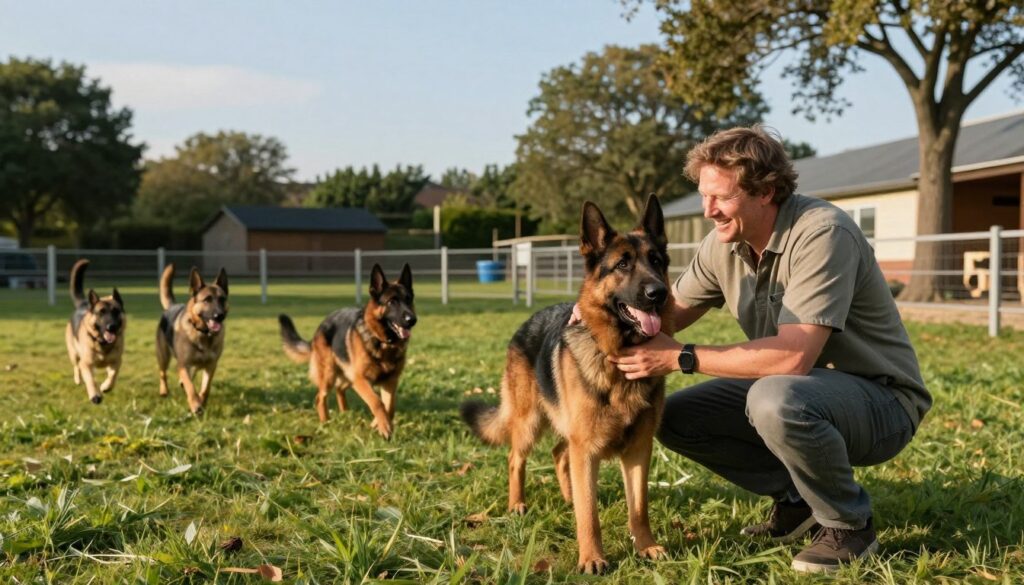
An in-person kennel visit helps you check the quality of reputable Dutch Shepherd breeders. It can help you identify reputable dutch shepherd breeders and see where your puppy is raised. Look for a clean, organized, and stimulating setting that supports animal welfare.
What to Observe During an In-Person Visit
When you arrive, check the facility’s overall hygiene. A professional breeder provides clean quarters, fresh water, and enough space for dogs. Observe how the breeder interacts with the animals; a positive bond shows genuine care.
Also review the breeder’s records and daily routines. Ask about socialization methods and the breed’s specific needs. A transparent breeder will explain their knowledge and breeding philosophy.
How the Adult Dogs Behave Around the Breeder and Visitors
Adult dog temperament reveals much about a breeding program. Well-bred Dutch Shepherds should seem confident, alert, and stable. They may be wary of strangers, but should not show extreme fear or unprovoked aggression.
Watch how the dogs respond to the breeder’s commands and presence. A healthy relationship depends on respect, not fear. Nervous or avoidant dogs may suggest poor socialization or harsh training.
What You Should See When Meeting the Mother
Meeting the dam matters because she influences the puppies during their early weeks. Check her health, coat, and overall behavior. A calm, friendly mother may pass on a balanced temperament.
Seeing the mother also helps you judge her living conditions. Refusing access to her is a serious warning sign. Make sure she is healthy and well cared for.
When a Video Call or Remote Visit May Be Acceptable
Distance can make an in-person visit difficult or impossible. A live video call can help verify the breeder’s claims. Ask to see the puppies, mother, and living area in real time.
If you cannot visit, request documents that confirm the breeder’s legitimacy. These may include references from past buyers or a veterinarian’s contact information. Never depend only on photos or videos, which can be altered or copied.
Warning Signs That a Breeder Is Avoiding Transparency
Be careful if a breeder rushes the transaction or avoids direct questions. Reputable Dutch Shepherd breeders will not pressure you to buy or request payment before credential checks. Conflicting claims about the dogs’ health or history are serious red flags.
| Observation Category | Positive Indicator | Warning Sign |
|---|---|---|
| Facility Hygiene | Clean, odor-free, and spacious | Dirty, cramped, or strong odors |
| Breeder Interaction | Open, informative, and patient | Rushed, secretive, or defensive |
| Dog Temperament | Confident and well-adjusted | Fearful, aggressive, or neglected |
| Access to Mother | Readily available for viewing | Excuses for why she is hidden |
If you see these warning signs, walk away immediately. Protect yourself from scams and unethical breeding practices when choosing a healthy companion. Trust your instincts and put the dogs’ well-being first.
Contracts, Pricing, and Puppy Pickup Requirements
A professional agreement builds a strong relationship between you and the breeder. When researching dutch shepherd breeders, expect a formal document explaining both parties’ responsibilities. This paperwork protects your interests and supports the animal’s welfare throughout its life.
Details a Dutch Shepherd Purchase Contract Should Include
Your contract must identify the puppy by registration number, birth date, and parentage. It should state the breeder’s health commitments, including genetic guarantees or congenital defect coverage. Also check registration terms, breeding rights, and expectations for the dog’s future home.
Understanding Deposits, Total Prices, and Payment Policies
Clear financial information shows professional practice. Ask for the total price, including any non-refundable deposit needed to reserve your place. Confirm accepted payment methods, and get a written receipt for each transaction.
Registration, Microchipping, Vaccination, and Take-Home Records
At pickup, the breeder must provide a complete folder of records. It should contain registration papers, vaccination records, and proof of microchipping. Complete veterinary records help your vet continue care without gaps in the puppy’s medical history.
Return-to-Breeder Clauses and Lifetime Rehoming Support
A responsible breeder includes a return-to-breeder clause in the contract. If your circumstances change, the breeder will take back a dog you cannot keep. This lifetime rehoming support provides a vital safety net and helps prevent dogs from ending up in shelters.
Why Extremely Low Prices Can Indicate Serious Risk
Everyone wants a fair deal, but beware of dutch shepherd puppies for sale priced far below the market average. Very low prices may mean the breeder cuts costs on health testing, socialization, or veterinary care. Price alone cannot prove quality, but it should lead you to perform extra verification of the breeder’s practices and ethics.
Finding Dutch Shepherd Breeders in the United States
Finding a healthy, well-bred puppy takes more than a quick internet search. Use patience and diligence to connect with ethical professionals who put their dogs’ welfare first.

Using Breed Clubs and Reputable Dutch Shepherd Breeders Directories
Start with official breed clubs. These groups often keep a dutch shepherd breeders directory listing of members who follow strict codes of ethics. These resources connect you with breeders accountable to peers and the wider canine community.
Searching for Dutch Shepherd Breeders Near Me Without Relying on Ads Alone
When you type “find dutch shepherd breeders near me” into a search engine, you may see many paid ads. Do not mistake a high ranking for quality or ethical breeding. Use search results only as a starting point for independent research.
Checking Regional Recommendations Across the United States
Regional dog sport clubs and local veterinarians can provide valuable leads. Veterinary professionals often know which reputable dutch shepherd breeders in your area maintain high health and socialization standards. Experienced owners’ referrals are often more reliable than anonymous online reviews.
How to Verify a Listing Before Sending Money
Before any payment, complete a careful background check. Verify the breeder’s identity, physical address, and business registration status. Request health documents and references from past puppy buyers to confirm consistent practices.
“The hallmark of a responsible breeder is their willingness to answer every question with transparency and provide proof of health testing for both parents.”
Use the following table to help organize your verification process when evaluating potential candidates:
| Verification Step | Action Required | Goal |
|---|---|---|
| Health Records | Request OFA or PennHIP results | Confirm genetic health |
| Facility Visit | Schedule an in-person tour | Observe living conditions |
| References | Contact past puppy owners | Verify breeder reputation |
| Contract Review | Read the full agreement | Understand legal protections |
Comparing Top Dutch Shepherd Breeders Without Treating Rankings as Proof
Many websites claim to list top dutch shepherd breeders, but rankings often reflect marketing rather than merit. Real quality comes from health testing, good temperament, and lifelong puppy support. Do not replace your own rigorous vetting with a website’s “best of” list when seeking dutch shepherd breeders usa.
Red Flags, Scams, and Poor Breeding Practices to Avoid
Protecting yourself from fraud is a key step when searching for a new companion. Many dutch shepherd breeders protect breed health and longevity, but others put profit before animal welfare. Spotting warning signs early can prevent serious emotional and financial stress.
Online Listings That Promise Dutch Shepherd Puppies for Sale Immediately
Be wary of websites or social posts claiming to have dutch shepherd puppies for sale ready for immediate pickup. Reputable breeders often have waiting lists lasting months or even years. A seller offering a puppy now without screening may run a high-volume operation or scam.
Requests for Untraceable Payments or Deposits Before Verification
Scammers often demand payment through methods that cannot be reversed, including wire transfers, cryptocurrency, or gift cards. Never send money to a breeder you have not checked carefully or met in person. A legitimate professional offers secure, traceable payment options and never pressures you before signing a contract.
Breeders Who Sell Every Puppy to Anyone Who Can Pay
Responsible breeders care deeply about where their puppies go. They ask detailed questions about your lifestyle, experience, and home to find a good match. A seller who accepts anyone with cash may ignore the temperament matching this high-drive breed needs.
Fake Health Certificates, Stolen Photos, and Misleading Registration Claims
Some dishonest sellers use stolen photos from other websites to make a kennel seem legitimate. Run a reverse image search to learn whether the photos appear elsewhere online. Also, question health certificates that look changed or lack contact information for the issuing veterinarian.
When to Walk Away From a Breeder
Be ready to walk away immediately if a breeder will not show the litter’s mother or dogs’ living conditions. Other red flags include changing terms, avoiding live video calls, or failing to provide clear health documents. Trust your instincts; if something feels wrong, wait for a transparent, ethical source.
Conclusion
Finding the right partner for your home takes patience and careful attention to detail. When comparing Dutch shepherd breeders, prioritize health documentation, open communication, and ethical living conditions.
Do not let flashy advertisements or low prices guide your choice. Check every claim yourself, keeping the animals’ welfare first. Reputable Dutch shepherd breeders welcome questions and show clear proof of their breed commitment.
Finding a healthy puppy in the United States requires comparing practices, not trusting rankings alone. Seek long-term support and a strong contract that protects you and your new dog. Move forward only when the professional provides evidence that makes you confident.
These steps help you bring home a well-adjusted companion. Trust your instincts, and choose quality over convenience throughout your journey.