
Best Family Dogs: 15 Friendly Breeds Every Household Will Love
Bringing a new dog home is a life-changing decision. It fills your space with joy and love. You might dream of quiet nights or fun days playing outside with your new friend.
Choosing the ultimate family pet dogs needs careful thought. Your choice should match your lifestyle, space, and household energy.
This guide looks at 15 friendly breeds for different homes. Whether you want a big, gentle dog or a small, playful one, we help find the best family dogs for you.
Table of Contents
What Makes the Best Family Dogs a Good Fit
Choosing the best family dogs means looking at certain traits. These traits help ensure everyone gets along. It’s not just about looks; it’s about how well a dog fits into your life.
It’s not just about looks. It’s about emotional intelligence, being adaptable, and wanting to be close to family.
Friendly Temperament and Emotional Stability
A calm temperament is key for a great pet. The top family-friendly dogs stay calm and show love consistently.
These dogs don’t get scared easily. They make your home a safe and welcoming place.
Trainability for Children and Adults
A dog that listens makes life easier. A dog that wants to please learns fast. This makes them easier to manage.
They learn to follow rules from everyone. This cooperative nature helps avoid problems and strengthens family bonds.
Energy Levels That Match Your Household
It’s important to match a dog’s energy to your lifestyle. Some dogs love to run, while others prefer to relax.
If you love outdoor activities, a high-energy dog is great. But if you’re home more, a lower-energy dog is better.
Size, Strength, and Safe Interaction
Think about your home and children’s ages when choosing a dog. A big dog might accidentally hurt a small child. A small dog could get hurt easily.
Always watch dogs and children together. Teach kids how to gently interact with dogs. This is more important than the dog’s size.
How to Choose a Family-Friendly Dog for Your Lifestyle
Adding a dog to your family is a big choice. It should match your family’s lifestyle. Look beyond looks and think about how a dog fits into your daily life. This ensures a smooth transition for everyone.
https://www.youtube.com/watch?v=tf1rq6kofdk:8<b>Top</b> 5 <b>Family Friendly Dog</b> Breeds – YouTubeB�
Matching Exercise Needs to Your Daily Routine
Every dog needs different amounts of exercise. If you love to jog or hike, choose a high-energy breed. Consistency is key to keep your dog happy and healthy.
If you’re not very active, pick a breed that’s okay with short walks and indoor play. This prevents boredom or too much energy. Finding the right match is crucial for a happy family.
Considering Your Children’s Ages and Experience
Your children’s ages affect which dog is safest. Young kids need dogs that are sturdy and patient. Older kids can help with training, strengthening their bond with the dog.
Think about your family’s experience with pets before choosing. If you’re new to pets, pick a breed known for being gentle. These ideal family companions bring joy and security to children.
Planning for Grooming, Shedding, and Allergies
Grooming is often overlooked when adopting a dog. Some breeds need daily brushing, while others shed a lot. Be honest about how much grooming time you can commit.
If allergies are a concern, research breeds that produce less dander. While no dog is completely hypoallergenic, some are better for sensitive homes. Planning for these needs ensures a clean home for your ideal family companions.
Accounting for Space, Noise, and Time Alone
Your living situation affects the type of dog that fits best. Larger breeds need more space, while smaller dogs might do well in apartments. Think about how much time your dog will spend alone, as some breeds get anxious.
Consider noise levels, especially if you live close to neighbors. Some dogs bark more and need training. By carefully considering these factors, you can find a ultimate family pet dog that fits your home and lifestyle.
Best Family Dogs by Household Needs
Finding the perfect pet is easier when you match breeds to your home life. The right dog depends on your daily routine. By considering your environment, you can find the best family dogs for your family.
“The bond between a family and their dog is built on mutual understanding and the right match of energy levels.”
Best Choices for Active Families
If you love outdoor activities, you need a dog with lots of energy. These energetic breeds need lots of time outside to be happy. They are perfect for families who love to stay active.
Best Choices for Families With Young Children
When you have small kids, safety and patience are key. Look for family-friendly dog breeds that are gentle and patient. These dogs are great playmates for kids and keep everyone safe.
Best Choices for Apartments and Smaller Homes
You can still have a dog even if you live in a small space. Many breeds are happy indoors and don’t need long walks. Choose dogs that are adaptable and quiet to keep your neighbors happy.
Best Choices for First-Time Dog Owners
If you’re new to dogs, look for breeds that are easy to train. These dogs are forgiving and quick to learn. A trainable breed makes starting your pet journey easier.
Best Choices for Families Seeking Lower Shedding
Some breeds shed less, making them perfect for families who don’t want pet hair everywhere. These top family-friendly dogs are great for keeping your home clean and pet hair-free.
Household Need Key Trait Best For Active High Stamina Outdoor Enthusiasts Young Children Patience Growing Families Apartment Adaptability Urban Dwellers First-Time Trainability New Owners
15 Friendly Breeds That Make Ideal Family Companions
Exploring family-friendly dog breeds reveals a wide range of personalities and sizes. While breed traits are helpful, remember that each dog is unique. Your choice should be based on the dog’s health, socialization, and temperament.
Labrador Retriever: A Playful and Adaptable Household Favorite
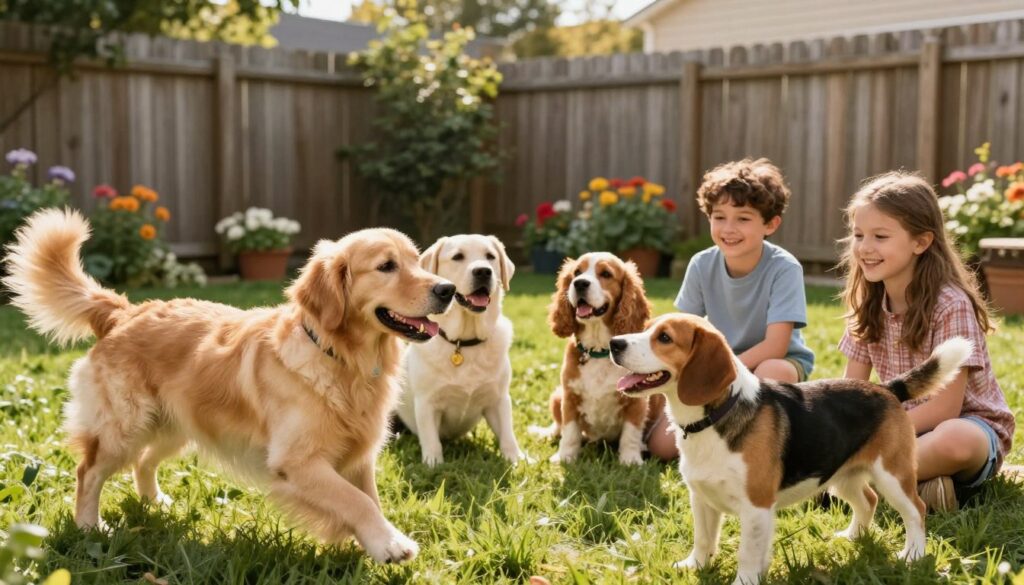
The Labrador is known for its friendly nature and high energy. They are easy to train and love to join in on family activities. This makes them one of the best family dogs out there.
Golden Retriever: A Patient, Sociable Companion
Golden Retrievers are famous for their gentle patience and smarts. They love being around people and fit well into busy homes.
Cavalier King Charles Spaniel: A Gentle Small-Breed Choice
For those who prefer a smaller pet, the Cavalier is a great pick. They are very loving and enjoy snuggling up on the couch.
Beagle: An Affectionate Dog for Active Families
Beagles are curious, happy, and social. They love being part of a group and are perfect for families who enjoy outdoor activities.
Poodle: A Smart and Versatile Family Pet
Poodles come in different sizes and are known for their intelligence. They are also low shedders, making them a good choice for families who don’t want to deal with a lot of dog hair.
Bernese Mountain Dog: A Calm, Devoted Large Breed
This breed is a gentle giant that stays calm. They are very devoted to their families and add warmth and security to any home.
Newfoundland: A Patient Giant With a Caring Nature
Newfoundlands are famous for their sweet temperament and protective nature. They are patient, especially with kids, and make great calm companions.
Collie: An Attentive and Trainable Family Dog
Collies are very smart and eager to please. Their natural instinct to watch over their family makes them attentive and easy to train.
Irish Setter: An Energetic Playmate for Outdoorsy Homes
If your family loves the outdoors, the Irish Setter is a great choice. They are full of energy, playful, and have a joyful personality that’s infectious.
Vizsla: A Loyal Companion for Active Owners
Vizslas are known as “velcro dogs” because they love to stick close to their owners. They are athletic, loyal, and need lots of exercise and mental stimulation.
French Bulldog: A Charming Option for Smaller Spaces
French Bulldogs are perfect for apartment living because they don’t need a lot of space. They are charming, quiet, and don’t require much grooming, making them ideal family companions.
Havanese: A Cheerful Companion for Many Home Types
The Havanese is a sturdy, cheerful dog that fits well in many homes. They are very social and love being the center of attention in a loving home.
American Cocker Spaniel: An Affectionate and Adaptable Breed
These dogs are known for their sweet, gentle faces and loving nature. They are adaptable and enjoy being part of daily family routines.
Boxer: A Protective, Playful Dog for Engaged Families
Boxers are high-energy dogs that love to play and protect their loved ones. They are especially good with children and add fun to an active household.
Bichon Frise: A Sociable Small Dog With a Friendly Personality
The Bichon Frise is a cheerful, resilient, and affectionate breed. They are perfect for families looking for a small, family-friendly dog breed that’s always up for an adventure or a cuddle.
Best Family Dogs for Homes With Young Children
Finding a dog that’s both energetic and calm is key when you have young kids. The best family dogs can handle a busy home while being gentle. This ensures your home stays safe and happy for everyone.
Why Patience and Predictability Matter Around Children
Children can be loud and move fast, startling animals. You need a dog that can handle this. A predictable dog won’t get upset by sudden movements or touch.
Stability is crucial for ideal family companions. A calm dog during play makes kids feel secure. This builds a strong bond between your pet and kids.
Breeds That Enjoy Gentle Play and Family Activity
Many breeds love to play with the family without being too rough. These dogs have a playful spirit that matches kids’ energy but are gentle. They’re great at games like fetch or tug-of-war.
Look for breeds known for being affectionate. These dogs love being around people and enjoy family activities. They thrive on being part of your daily life.
Teaching Children to Respect Canine Boundaries
Even the most patient dog needs a break when feeling overwhelmed. Teach your kids to respect a dog’s bed or crate as a private sanctuary. Never let kids disturb a dog while it’s eating or sleeping.
Involve your kids in simple tasks like feeding or grooming. This teaches them to handle pets with care. Always show them how to pet gently and speak calmly.
Why Adult Supervision Is Always Necessary
Even the most friendly dog needs active adult supervision. Small kids may not understand a dog’s limits, and accidents can happen fast. You must watch interactions and step in if play gets too rough.
By staying involved, you keep your kids and pet safe. This proactive approach helps build trust. Remember, being a ideal family companion is a partnership that needs your constant support.
Best Family Dogs for Active Households
Choosing the top family-friendly dogs for an active family is more than just picking a breed that likes to run. You need to think about how a dog’s energy matches your outdoor activities. This could be weekend hikes or daily jogs.

Daily Exercise Requirements to Expect
High-energy dogs need more than a quick walk to stay healthy and happy. Most active breeds need sixty to ninety minutes of exercise every day. This helps them burn off extra energy.
Without enough exercise, even the most well-behaved pets might get destructive. It’s crucial to see exercise as a daily must, not just a weekend thing.
Breeds Suited to Hiking, Running, and Outdoor Games
Certain family-friendly dog breeds are built for endurance and love to have a “job.” For example, the Vizsla and Irish Setter are great for long trails and fetch games.
These dogs are not just energetic; they’re loyal companions for all family adventures. Picking a breed with a working background ensures they have the stamina for your lifestyle.
| Breed | Primary Activity | Stamina Level |
|---|---|---|
| Vizsla | Running/Hiking | Very High |
| Labrador Retriever | Swimming/Fetch | High |
| Boxer | Agility/Play | High |
| Collie | Hiking/Herding | Moderate-High |
Using Training and Enrichment to Prevent Boredom
Physical activity is just half of what a dog needs. You should also provide mental stimulation like scent work, puzzle toys, or advanced training.
Training sessions help bond and tire out a dog’s brain. When a dog’s brain is tired, they’re more likely to relax quietly at home after a day of play.
Recognizing When Exercise Needs Exceed Your Schedule
Be honest about your time before getting a new pet. If your schedule doesn’t fit daily outdoor activities, high-energy family-friendly dog breeds might get frustrated or anxious.
Always choose a dog that fits your current lifestyle. This ensures a happy and harmonious relationship for everyone.
Best Family Dogs for Apartments and Smaller Homes
Choosing the right dog for a small home is more than just size. It’s about temperament, adaptability, and energy levels. This ensures a happy home for everyone.
Choosing a Dog by Energy Level Rather Than Size Alone
A big, calm dog might be better for an apartment than a small, energetic one. Some big dogs love to relax, making them great for small spaces. Always check the breed’s energy needs before deciding.
Managing Barking, Neighbors, and Shared Spaces
Living close to others means your dog should be quiet and respectful. Think about how your dog handles noise and strangers. Early socialization helps them stay calm around others.
Creating Indoor Enrichment and Outdoor Potty Routines
Your dog needs mental challenges to stay happy indoors. Use puzzle toys and scent games. Also, a predictable potty schedule is key for apartment living.
Small Breeds That Still Need Consistent Training
Small dogs need just as much training as big ones. They do well with clear rules and positive feedback. Every dog needs structure to feel safe and confident.
By focusing on these factors, you can make a dog a great fit for your small home. A well-trained, happy dog is a joy, no matter your home’s size.
Grooming, Shedding, and Allergy Considerations
Choosing a family-friendly dog breed means thinking about their coat. Grooming is key for your dog’s health and your home’s comfort. It’s important to match your lifestyle with your dog’s needs.
Low-Shedding Breeds and What “Hypoallergenic” Really Means
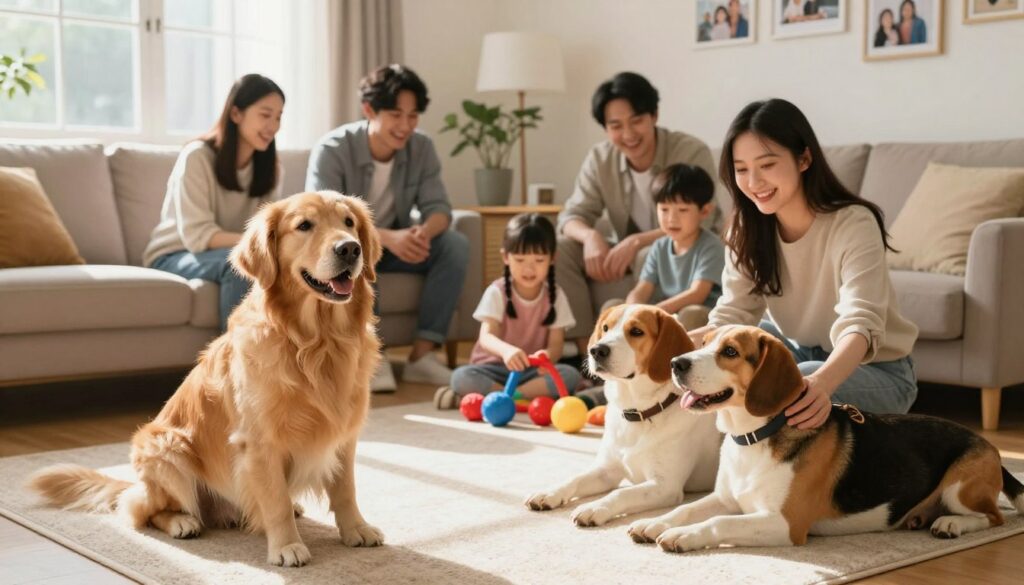
Many families look for “hypoallergenic” dogs to avoid allergies. But, remember, no dog is truly allergy-free. They all produce dander, saliva, and urine proteins that can cause allergies. Yet, some breeds shed less, which can help keep your home cleaner.
Breeds like the Poodle or Havanese are good for those with allergies. They have low-shedding coats. But, they still need regular grooming to avoid matting. Always check how your family reacts to a breed before getting one.
Coat Maintenance for Long-Haired Family Dogs
Long-haired dogs need more care to stay healthy. Regular brushing is crucial to prevent tangles and keep their coat clean. You might need to brush them several times a week.
Bathing should be done when needed, using good shampoos. Avoid over-bathing to prevent dry skin. Trimming their hair around the eyes, ears, and paws is also important for their health.
Managing Dander, Cleaning, and Household Allergies
Keeping your home clean is key if you have family members with allergies. Vacuuming often with a HEPA-filter vacuum helps remove dander. Wash your dog’s bedding weekly to reduce allergens.
Having a “dog-free” zone, like a bedroom, can help those with allergies. Using air purifiers in common areas also improves air quality. These steps make living with a dog easier for everyone.
Budgeting for Professional Grooming
Many family-friendly dog breeds need professional grooming. This can include haircuts, nail trims, and ear cleaning every few months. These costs should be part of your pet budget.
Professional groomers offer specialized care that’s hard to do at home. This care keeps your dog comfortable and healthy all year. Look for local groomers who know your breed’s needs.
Training and Socialization for a Well-Mannered Family Dog
Raising a balanced dog is more than just love. It needs structured teaching and socialization. Even the top family-friendly dogs need consistent guidance. This ensures a safe and happy home for everyone.
Starting Positive-Reinforcement Training Early
The best way to teach your dog is through positive reinforcement. This method rewards good behavior with treats, praise, or play. It teaches your dog what actions are approved.
Starting early builds trust. It makes learning fun, improving communication between you and your pet. Short, consistent training sessions work better than long, irregular ones.
Socializing Dogs With People, Children, and Other Pets
Socialization exposes your dog to new things in a controlled way. A well-socialized dog is confident and less likely to be scared or aggressive. Introduce your pet to different people, including children, to help them get used to various voices and movements.
It’s also key to introduce your dog to other pets calmly. Always watch these interactions to keep both animals safe. This early exposure helps prevent future anxiety and makes your dog a calm, ultimate family pet dogs companion.
Teaching Reliable Household Rules
Clear boundaries are crucial for a peaceful home. When your dog knows what’s expected, they feel secure and less stressed. Be consistent with these rules to avoid confusing your dog.
Polite Greetings, Recall, Leash Walking, and Settling
Teaching your dog to greet guests politely is important. Reward them only when all four paws are on the floor. A reliable recall—coming when called—is also essential for safety.
Leash walking should be enjoyable for both of you. If your dog pulls, stop until they return to your side. Teaching your dog to “settle” on a mat or in their crate helps them relax during busy times.
| Training Skill | Primary Goal | Success Indicator |
|---|---|---|
| Recall | Safety | Returns immediately when called |
| Leash Walking | Control | Walks without pulling on lead |
| Settling | Calmness | Stays on mat during dinner |
| Polite Greeting | Manners | Greets guests with four paws down |
Handling Jumping, Mouthing, Barking, and Guarding
Even the most gentle breeds may jump or mouth. These are signs of excitement or curiosity. Redirect their energy to toys or activities to manage these behaviors.
Excessive barking or guarding needs a patient, firm approach. If your dog guards food or toys, get help from a professional trainer. Remember, ongoing supervision is key to keeping your dog well-mannered.
Health, Lifespan, and Ongoing Costs to Plan For
Getting a new dog is exciting, but it’s a big responsibility. You need to plan for both regular and unexpected costs. Knowing these costs helps you give your dog the best life.
Common Health Concerns Among Popular Family Breeds
Every dog breed has its own health risks. Big dogs might get hip problems, while small dogs could have dental issues. It’s important to get regular health checks to catch problems early.
“The bond between a person and their dog is a sacred trust that begins with providing for their physical well-being throughout every stage of life.”
Veterinary Care, Preventive Treatments, and Insurance
Regular vet visits are key to a long, healthy life for your dog. You’ll need to budget for yearly check-ups, shots, and parasite prevention. Many people choose pet insurance to help cover unexpected vet bills.
| Expense Category | Frequency | Estimated Annual Cost |
|---|---|---|
| Routine Vet Exams | Annually | $100 – $300 |
| Vaccines & Parasite Control | Monthly/Yearly | $200 – $500 |
| Pet Insurance Premiums | Monthly | $300 – $800 |
| Emergency Fund Savings | Ongoing | $200+ |
Food, Supplies, Training, and Grooming Expenses
Good food is essential for your dog’s health and energy. You’ll also need to budget for grooming, training, and toys. These things keep your dog happy and healthy.
Training is important for your dog’s mental health. Getting professional help early can prevent bad behavior. Grooming needs vary, with some dogs needing salon visits every six weeks.
Why Responsible Breeders and Rescue Organizations Matter
Choosing the right dog is crucial for their health. Responsible breeders test for genetic diseases and provide information on their puppies. They help you understand your dog’s needs and personality.
Rescue organizations also play a big role. They check the health and behavior of dogs before adoption. Working with them means you have a partner in raising a healthy, happy dog.
How to Prepare Your Home for a New Dog
Getting your house ready is key for your new dog’s comfort and safety. Whether it’s a family-friendly dog breed or another pet, a well-organized home is essential. By taking the right steps, you make your home a safe space for your new pet.
Dog-Proofing Rooms, Yards, and Common Hazards
Before your dog arrives, check your home for dangers. Remove toxic plants and keep medicines out of reach. Also, hide electrical cords and pick up small items like toys or coins.
Make sure your yard is safe too. Check fences for gaps and ensure gates are locked. Keep your dog away from harmful chemicals and places like pools.
Gathering Essential Supplies Before Adoption
Having the right supplies makes the transition smoother for your ultimate family pet dogs. Get high-quality food, durable bowls, and a good collar or harness. Don’t forget an ID tag with your contact info.
Stock up on these essentials to keep your home clean and your dog happy:
- A sturdy leash for training and walks.
- Comfortable bedding placed in a quiet corner.
- Enrichment toys to keep their mind active.
- Pet-safe cleaning supplies for inevitable accidents.
- Basic grooming tools like brushes and nail clippers.
Establishing Feeding, Exercise, Sleep, and Potty Routines
Being consistent is crucial for a well-behaved pet. Set a routine for feeding and potty breaks right away. This helps your dog feel secure and reduces stress.
Choose a specific spot for your dog to sleep. Balance their day with exercise and quiet time. Following these steps will help you welcome your new pet with confidence.
| Preparation Category | Key Action Item | Priority Level |
|---|---|---|
| Safety | Secure cords and chemicals | High |
| Supplies | Collar, leash, and ID | High |
| Routine | Set feeding schedule | Medium |
| Comfort | Provide soft bedding | Medium |
Conclusion
Choosing the right pet means finding a match for your home and family. The best dogs for families have the right temperament, energy, and grooming needs. These should fit your daily life.
You’ve looked at 15 breeds that make great pets. But remember, the best dog for your family is more than just a breed. You need to think about your kids’ ages, your home, and how much time you have for training.
Don’t forget to budget for vet bills and pet supplies. Being a responsible pet owner means providing a loving home. This will help you and your pet form a strong bond.
Meet dogs in person before deciding. Ask breeders or shelters about the dog’s health and behavior. Choosing a dog that fits your lifestyle will make your relationship happy and lasting.