
Can Puppies Eat Cat Food? What Every Dog Owner Should Know
You know that feeling of panic when your curious little companion sneaks a bite of something they shouldn’t. It is a common scenario that leaves many pet parents wondering if a stolen snack poses a real danger. While a single nibble is rarely a crisis, understanding the nutritional divide is vital for your pet’s long-term health.
Young dogs need specific nutrients to support their rapid growth phases. In contrast, feline-focused meals are formulated with different protein and fat ratios that do not meet these unique developmental needs. Providing the right nourishment is the best way to ensure your furry friend thrives during their most important months.
This guide explores the risks of cross-species snacking and offers practical steps to keep your household routine safe. We will examine why specialized diets matter and how you might prevent future access to these tempting, yet inappropriate, treats.
Table of Contents
The Short Answer About Puppies Eating Cat Food
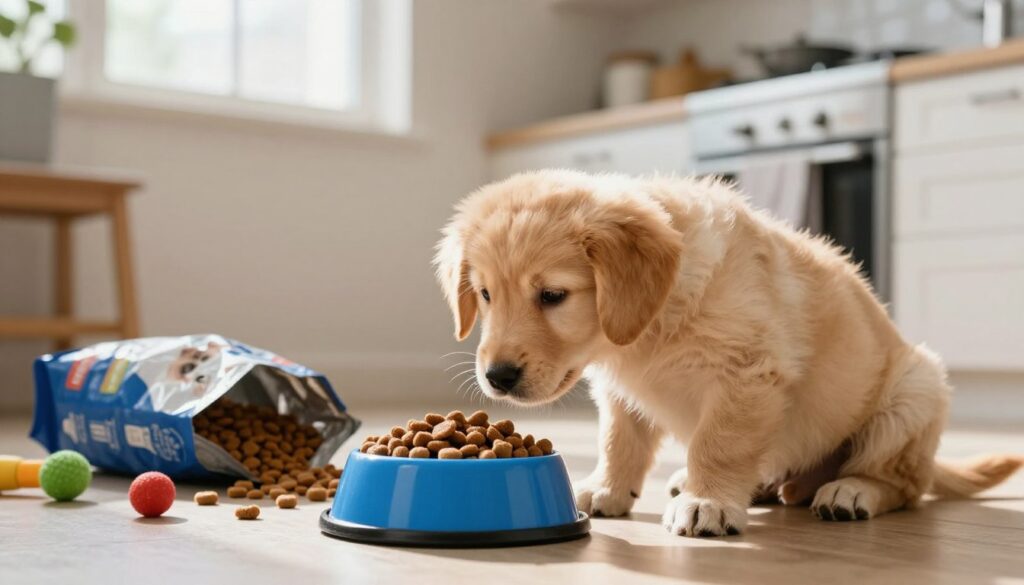
It’s common to find your puppy near the cat’s bowl. You might wonder if can puppies eat cat food without harm. Usually, a healthy puppy won’t get sick from eating a little cat food once.
Why a Small Amount Is Usually Not an Emergency
If your puppy eats a few bites of cat food, don’t worry too much. Dogs can usually handle a little bit of something different. Occasional snacking is not usually a big deal for a healthy dog.
But, watch your pet closely for any sudden changes. Even though one time is okay, it’s bad if they keep doing it.
Why Cat Food Should Not Replace Puppy Food
Cat food is made just for cats, not dogs. It doesn’t have the right mix of nutrients for a dog’s growth. Puppies eating cat food all the time will miss out on important vitamins and minerals.
Using cat food too much can cause big health problems later. It’s not good for a dog’s bones and muscles. Always choose food made just for puppies.
When Occasional Access Becomes a Feeding Problem
But, if your puppy keeps going back to the cat’s bowl, it’s a bigger issue. Persistent access can upset their stomach, causing vomiting or diarrhea.
Look for signs like sudden weight changes or too much interest in the cat’s food. If you’re still unsure, “can puppies eat cat food safely,” remember it’s okay in small amounts. But it should never be their main food. If your puppy seems sick or acts differently, it’s time to stop them from getting to the cat’s food.
Can Puppies Eat Cat Food? Understanding the Basic Risks
It’s important to know the nutritional differences between dogs and cats. Feeding your dog cat food might seem okay, but it’s not good for their health. Learning why cat food for puppies is bad is key to being a good pet owner.
How Cat Food Is Formulated for Feline Nutritional Needs
Cats need certain nutrients found in animal tissue. Cat food is made to be high in protein and fat. It also has taurine, an amino acid cats can’t make on their own.
Why Growing Puppies Require Different Nutrient Balance
Puppies need a balanced diet for growth. Puppy food has the right amounts of calcium and phosphorus for bones. But, cat food can upset this balance.
How Age, Breed Size, and Health Affect Tolerance
Your puppy’s reaction to new food depends on many things. Young puppies and large-breed puppies are more sensitive. Dogs with health issues can also be affected by cat food.
The Difference Between a Taste, a Meal, and a Regular Habit
It’s important to know how much cat food your puppy is getting. Here’s what you need to consider:
- A single taste: It might cause a little stomach upset.
- A full meal: It can cause vomiting or diarrhea.
- A regular habit: It can lead to serious health problems.
Keeping your puppy on a proper diet is crucial. Make sure they don’t eat cat food to keep them healthy.
How Puppy Food and Cat Food Differ Nutritionally
Choosing the right pet diet is key. Cats and dogs have different needs. Their bodies work in unique ways, needing different foods to stay healthy. Knowing about canine nutrition helps you pick the best food for your puppy.
Protein, Fat, and Calorie Density
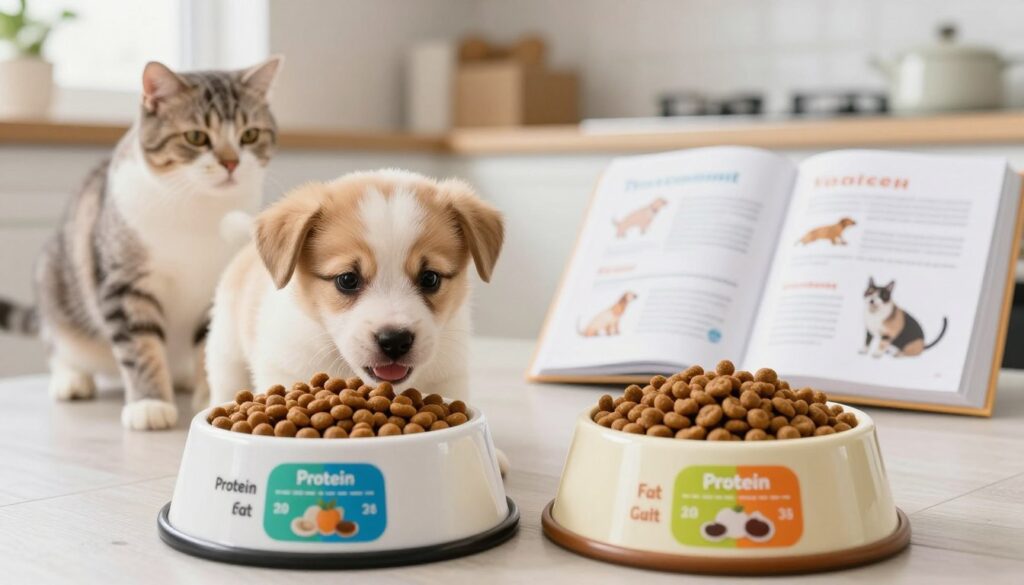
Cat food has more protein and fat than dog food. Cats need certain amino acids from animal sources. Puppies, on the other hand, need a balanced diet for steady growth.
Calcium, Phosphorus, and Skeletal Development
The right balance of calcium and phosphorus is vital for bones. The wrong mix can harm bone growth, especially in big puppies. Cat food often has too much for a puppy’s bones.
“Nutrition is the foundation of health, and providing the wrong balance during the growth phase can have lifelong consequences for a puppy’s skeletal structure.”
Essential Vitamins, Minerals, and Fatty Acids
Cats need more taurine and vitamin A than dogs. These are crucial for cats but not always right for puppies. A good pet diet gives your dog the right vitamins for their age.
| Nutrient | Puppy Needs | Cat Food Levels |
|---|---|---|
| Protein | Moderate/High | Very High |
| Calcium | Strictly Balanced | Often Excessive |
| Taurine | Synthesized by Dog | Required in Diet |
Why Complete-and-Balanced Labels Matter
Check for the AAFCO statement on food labels. It shows the food is complete and balanced. This is a crucial puppy food recommendation.
How Puppy Growth Formulas Support Development
Puppy growth formulas give the right amount of energy. They help with brain, immune, and muscle growth. The right formula supports your puppy’s development.
Potential Health Risks of Giving Cat Food to Puppies
Keeping your puppy health safe means watching what they eat, especially cat food. A single bite is usually not deadly. But, eating cat food often can harm them because of the wrong nutrients or too much food.
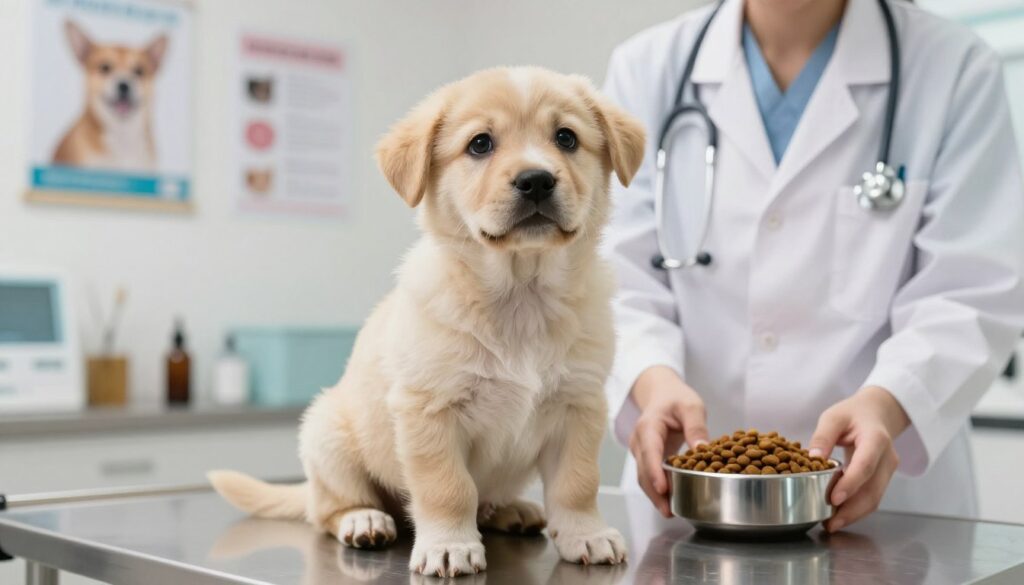
Digestive Upset, Vomiting, and Diarrhea
Puppies have sensitive stomachs that are still growing. Eating cat food for puppies can upset their stomachs. This can cause vomiting or diarrhea because cat food is different from what puppies need.
Excess Calories, Weight Gain, and Poor Growth
Cat food has more calories than puppy food. If puppies eat it a lot, they can gain weight too fast. This extra weight can hurt their growing bones and joints.
Pancreatitis and High-Fat Food Concerns
Many cat foods have a lot of fat. For puppies, this can cause pancreatitis, a serious problem. While one bite might not hurt, eating it often is risky.
Nutritional Imbalances During Rapid Development
Puppies need the right mix of calcium and phosphorus for strong bones. Cat food doesn’t have the right balance. This can cause bone problems or slow growth. The wrong food is a big risk for puppies.
Choking, Food Allergies, and Ingredient Sensitivities
Cat kibble can be too big for some dogs and cause choking. Also, some ingredients in cat food can make dogs allergic. Watch for signs like itching or swelling if your dog eats cat food by mistake.
| Risk Factor | Potential Consequence | Severity Level |
|---|---|---|
| High Fat Content | Pancreatitis | High |
| Caloric Density | Obesity | Moderate |
| Nutrient Imbalance | Skeletal Issues | High |
| Ingredient Sensitivity | Allergic Reaction | Low to Moderate |
To keep your puppy health in top shape, keep cat food away. Knowing why cat food for puppies is bad helps your dog stay healthy and strong.
What to Do If Your Puppy Ate Cat Food
If you catch your puppy eating cat food, stay calm. It’s not usually a big deal, but knowing how to handle it is key to keeping your dog healthy. Observation is your best friend in the hours after.
Assess How Much Cat Food Your Puppy Consumed
First, figure out how much cat food your puppy ate. A little bit is unlikely to hurt, but a lot can upset their stomach. Remember, smaller dogs are more sensitive to cat food’s high protein and fat.
Check for Vomiting, Diarrhea, Abdominal Pain, or Lethargy
Watch your puppy closely for 24 hours. Look for signs like vomiting, diarrhea, or a bloated belly. If they seem really tired or weak, it’s a bad sign.
Return to an Appropriate Puppy Feeding Schedule
After checking things out, go back to your regular feeding schedule. Don’t skip meals unless a vet tells you to. Give them their next meal of puppy food to help their stomach.
What You Should Not Do at Home
Don’t try to fix things with home remedies or make them vomit without a vet’s say-so. Many things we think will help can actually hurt or cause breathing problems. Trust your instincts, but always get vet advice over the internet.
When to Contact Your Veterinarian or an Emergency Clinic
If your puppy keeps showing symptoms or has a sensitive stomach, call your vet. If they ate a lot or seem really in pain, go to the emergency clinic right away. Being ready helps you make the best choice for your pet.
| Symptom Level | Observation Period | Recommended Action |
|---|---|---|
| Mild (Minor snacking) | 24 Hours | Monitor at home |
| Moderate (Vomiting/Diarrhea) | 12 Hours | Call your veterinarian |
| Severe (Lethargy/Bloating) | Immediate | Visit emergency clinic |
Safer Feeding Choices for Your Growing Puppy
Proper canine nutrition is key for your puppy’s health and energy. High-quality ingredients ensure your dog gets the right nutrients for growth.
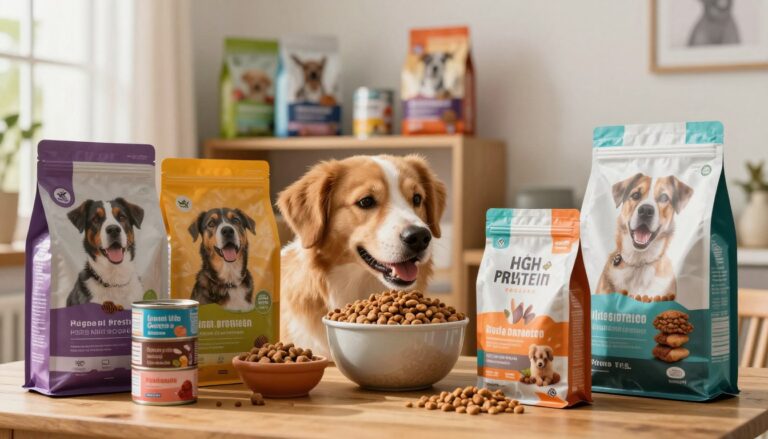
Choose a Complete-and-Balanced Puppy Formula
Look for “complete and balanced” labels for your dog’s life stage. These formulas meet AAFCO standards. They prevent nutritional gaps in adult or cat diets.
Select Food Based on Expected Adult Size
Different breeds need different nutrients as they grow. Large-breed puppies need controlled calcium for bone growth. Choosing the right pet diet prevents bone problems.
Measure Portions and Follow a Consistent Schedule
Consistency keeps your puppy healthy. Use a measuring cup to avoid overfeeding. A set meal schedule helps with digestion and training.
Use Puppy-Safe Treats Instead of Cat Food
Choose treats made for dogs, not cat food. Cat food is too rich for puppies. Healthy rewards follow puppy food recommendations.
How to Evaluate Treat Calories and Ingredients
Treats should be less than 10% of your dog’s calories. Check for allergens and avoid fillers. High-quality treats should fit into your dog’s pet diet.
How Fresh Water Supports Healthy Digestion
Keep fresh water available always. It’s crucial for nutrient absorption and digestion. If your puppy drinks a lot, their food might be too salty or dry.
How to Stop Your Puppy From Eating Cat Food
To stop your puppy from eating cat food, you need to manage your home well. Just telling them not to eat it won’t work. The smell of cat food is too tempting for curious dogs. By controlling the environment, you can keep your pets healthy and avoid digestive problems.
Feed Your Pets in Separate Areas
Feeding your pets in different rooms is the simplest solution. This way, your puppy can’t sneak a bite from the cat’s bowl. Each pet can enjoy their meal without distractions.
Pick Up the Cat’s Bowl After Mealtimes
Free-feeding is risky with a puppy around. Switch your cat to scheduled meals and remove the bowl after they eat. This stops your puppy from getting into the food.
“An ounce of prevention is worth a pound of cure, especially when it comes to the dietary habits of your growing pets.”
Use Gates, Elevated Feeding Stations, or Closed Rooms
If you can’t separate them completely, use baby gates. Cats can jump over or squeeze through, but puppies can’t. You can also put the cat’s food on a high counter or cat tree, out of your dog’s reach.
Teach a Reliable “Leave It” Cue
Training is key to stopping your puppy from eating things they shouldn’t. Teach them to leave things alone with a “leave it” command. Rewarding them for ignoring the cat’s bowl helps them learn and control their impulses.
Keep Cat Food and Pet Supplies Securely Stored
Even with bowls managed, a bag of cat food on the floor is a temptation. Store pet food in airtight, chew-proof containers in a pantry or cabinet. This keeps your puppy from eating the wrong food and ensures they get what they need.
When Cat Food Exposure Requires Veterinary Advice
Knowing when to seek veterinary help is crucial for your puppy health. A single kibble might not be a big deal, but certain symptoms mean your pet needs help right away.
Warning Signs That Need Prompt Attention
If your dog eats cat food and shows signs like repeated vomiting or severe diarrhea, call your vet. These are signs that your dog’s digestive system is in trouble.
Look out for extreme tiredness, belly pain, or trouble breathing. If your puppy seems to collapse or is confused, get emergency care fast. This is to avoid the dangers of giving cat food to puppies.
Why Puppies With Existing Conditions Need Extra Caution
Young puppies have sensitive systems that can’t handle high-fat, high-protein foods. If your dog has pancreatitis, kidney issues, or liver sensitivities, even a little cat food can cause problems.
These conditions need special care from your vet. Always be careful if your pet is on a special diet or recovering from an illness.
Information to Share With Your Veterinarian
When you call the clinic, give them all the details. Share the following:
- The specific brand and type of cat food consumed.
- The amount eaten by your puppy.
- When it happened.
- The current symptoms and your puppy’s weight.
How Your Veterinarian Can Assess Nutrition and Growth
Your vet will use this info to check if the cat food will affect your puppy’s growth. They might look for signs of nutritional imbalance or weight gain that could harm skeletal growth.
| Symptom Severity | Recommended Action | Urgency Level |
|---|---|---|
| Mild (Single incident) | Monitor at home | Low |
| Moderate (Diarrhea) | Call for advice | Medium |
| Severe (Collapse/Vomiting) | Emergency visit | High |
By keeping your vet informed, you help your puppy grow healthy. Talking to your vet early is the best way to avoid the dangers of giving cat food to puppies and keep your pet’s puppy health on track.
Conclusion
You now know that a little bit of cat food won’t hurt a healthy dog. But, it’s important not to let cat food replace their regular food.
Dogs need special nutrients for their bones and muscles to grow. Your vet can help pick the best food for your puppy. This ensures they get all the vitamins and minerals they need.
So, can puppies eat cat food? No, it’s not good for them to eat it every day. It’s crucial to keep their food and eating areas safe.
Watch your dog for any signs of upset stomach or odd behavior. If they keep showing symptoms after eating cat food, call your vet.
By being careful with your dog’s food now, you can avoid problems later. Good nutrition is key to a happy, healthy life with your pet.