Best Family Dogs: 15 Friendly Breeds Every Household Will Love
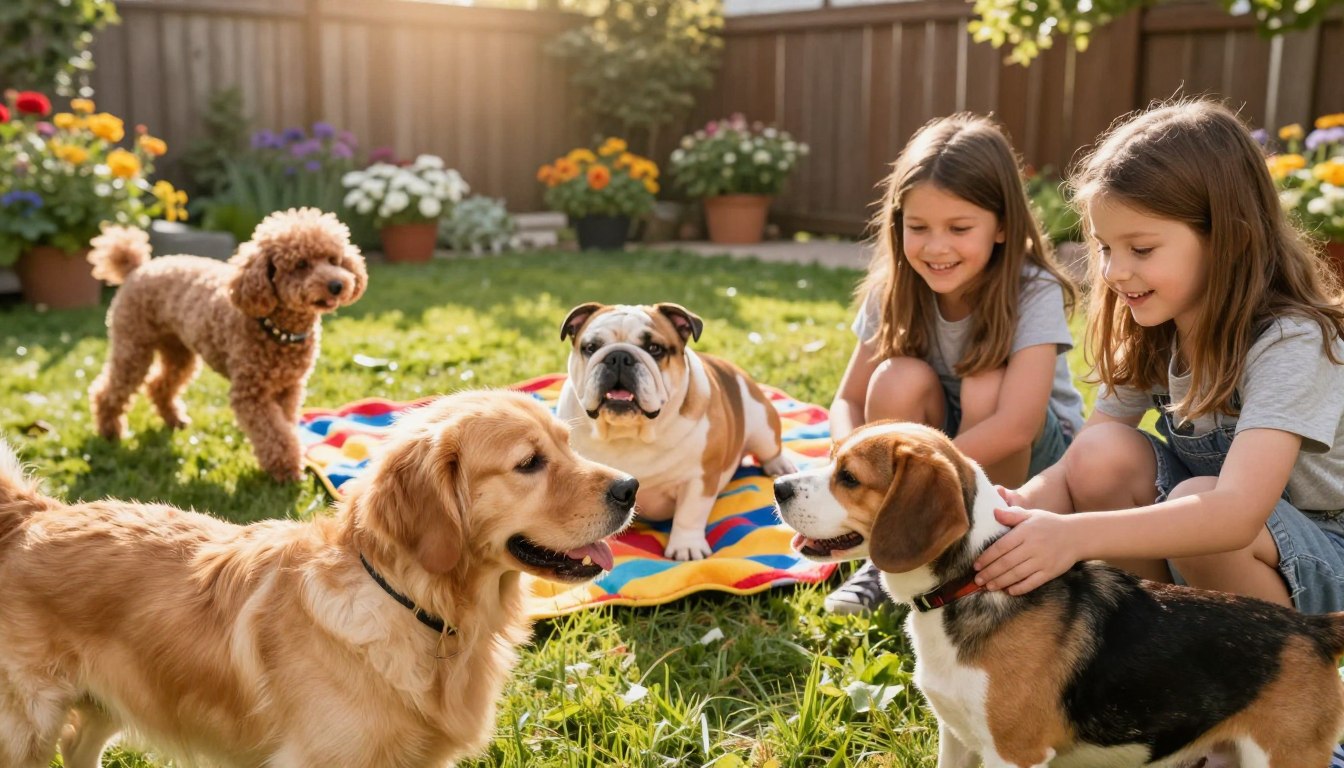
Bringing a new pet into your home is a life-changing experience. It fills your space with joy and love. You dream of quiet afternoons or fun play sessions with a loyal friend.
But finding the right pet is more than just looking at cute faces. The best family dogs fit your lifestyle, activity level, and home perfectly.
Choosing a dog means looking at their temperament, training needs, and grooming. Whether you live in a city or a big house, knowing these traits is key for a happy bond.
We’ve picked 15 friendly breeds to guide you. Remember, socialization and adoption history are crucial for a smooth transition into your life.
Table of Contents
How to Choose the Best Family Dogs for Your Household
Choosing the best family dogs is more than just picking a cute face. It’s about finding a breed that fits your lifestyle. Many people choose a dog based on a future lifestyle, not their current one. Being honest about your time and resources ensures a happy life for your family and pet.
Match temperament with your children’s ages and personalities
Every child interacts with animals in their own way. You need to think about their maturity level. A high-energy puppy might be too much for a toddler, while a small dog could be fragile around active kids. Look for breeds known for patience and a steady nature.
Consider exercise needs, grooming, size, and training time
Your daily schedule affects how much time you can give a dog. High-energy breeds need lots of outdoor time, while others are happy with short walks. Remember, grooming requirements and training sessions also need a weekly time commitment.
Account for your home, yard, schedule, and budget
Before choosing a family pet recommendations, think about your living space. A big, active dog might not fit in a small apartment without a yard. On the other hand, a smaller breed might do well in a small space. Also, consider the costs of vet care, food, and training over a dog’s lifetime.
Prioritize responsible breeding, adoption, and early socialization
Whether you get a dog from a breeder or a shelter, focus on the animal’s health and history. Responsible breeders do genetic tests to avoid health problems. Shelters can give insights into a dog’s personality. Early socialization is key to making your new pet feel confident and secure at home.
Best Family Dogs for Friendly, Outgoing Households
Choosing the top family-friendly dog breeds is key for families who love to be active and social. These dogs become the heart of the home, bringing joy and companionship. By picking a breed that’s friendly, you create a happy home for everyone.
Labrador Retriever
Temperament and family fit
The Labrador Retriever is known for being gentle and eager to please. They are patient, making them great playmates for kids of all ages. Their friendly nature means they love meeting new people, fitting well into lively homes.
Exercise, training, and care considerations
Labradors need daily exercise to stay healthy and happy. They’re smart and learn well with positive training. But, they shed a lot, so regular brushing is needed to keep their coats clean.
Golden Retriever
Temperament and family fit
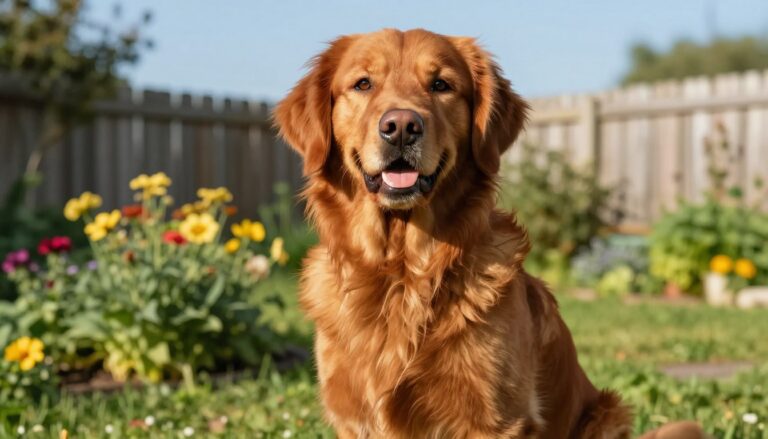
Golden Retrievers are known for their loyalty and love. They have a calm yet playful spirit, fitting into many family activities. Their love for people makes them a top choice for families looking for a loyal friend.
Exercise, training, and care considerations
Golden Retrievers need a job or lots of space to run. They need daily walks and play to stay happy. Their long coats need regular brushing to prevent matting.
Cavalier King Charles Spaniel
Temperament and family fit
The Cavalier King Charles Spaniel is perfect for those who want a smaller dog. They are sweet and adaptable, loving to be close to their family. Their size is great for families who want a friendly dog without the need for a big yard.
Exercise, training, and care considerations
Cavaliers enjoy walks but don’t need as much exercise as bigger dogs. They are highly trainable but can be sensitive. Their silky coats need regular grooming, and they do best in homes where they’re not left alone for too long.
Top Family-Friendly Dog Breeds for Active Families
If your family loves outdoor adventures and staying active, picking the right dog is key. These ideal family dogs have the energy and spirit to match your busy lifestyle. Whether you’re hiking or playing in the backyard, they’ll keep up with you.
Standard Poodle
Temperament and family fit
Standard Poodles are very smart and quick to learn. They form strong bonds with their families. They are also playful and gentle, making them great with kids.
Exercise, training, grooming, and care considerations
These dogs need lots of mental and physical activity to be happy. They can get bloat, so feed them small meals often. Their curly coats need regular grooming to avoid mats.
Beagle
Temperament and family fit
Beagles are curious and love being around people. As ideal family dogs, they are patient and enjoy family activities.
Exercise, training, and care considerations
Beagles have a strong prey drive and follow their noses. They need leash training and secure fencing. Positive reinforcement helps manage their stubbornness.
Irish Setter
Temperament and family fit
The Irish Setter is full of energy and friendly. They stay playful well into adulthood, making them great for active families.
Exercise, training, and care considerations
These dogs need lots of space and daily exercise. They can get joint issues, so watch their growth and activity. Early socialization and training help them stay positive.
The table below shows key traits to help you choose the best ideal family dog for you.
| Breed | Energy Level | Grooming Needs | Training Ease |
|---|---|---|---|
| Standard Poodle | High | High | Excellent |
| Beagle | Moderate-High | Low | Moderate |
| Irish Setter | Very High | Moderate | Good |
Ideal Family Dogs for Patient and Gentle Companionship
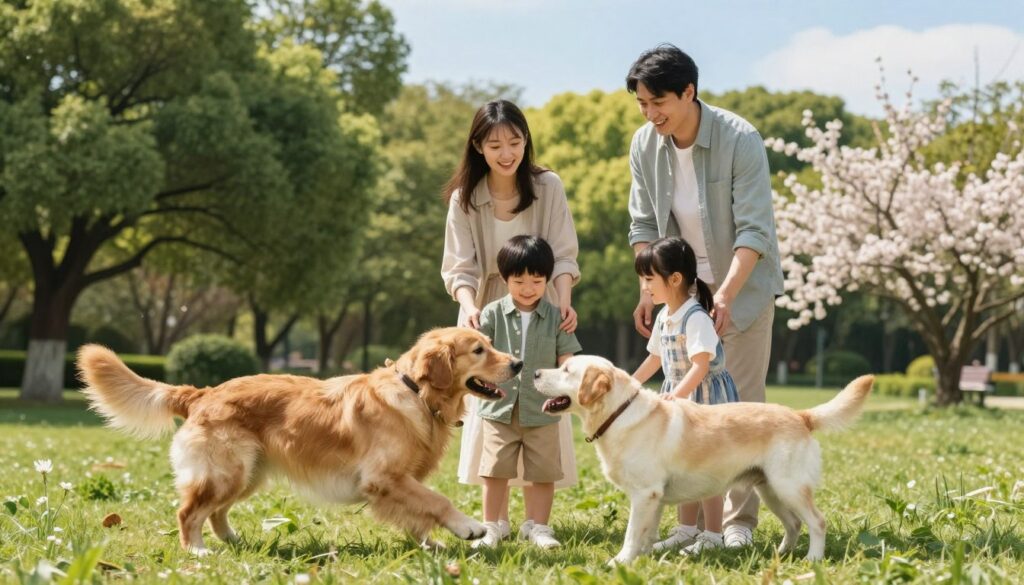
For families who love a calm and loving atmosphere, some large breeds are perfect. These dogs are known for being gentle and loyal. They bring peace to busy homes and bond deeply with their families.
Newfoundland
Temperament and family fit
The Newfoundland is called a gentle giant. They are sweet and patient, making great friends for kids of all ages. They are protective but friendly to strangers.
Size, grooming, exercise, and care considerations
These dogs are huge, so they need lots of space. Their thick coats need regular brushing to avoid mats and manage shedding. They love walks but also enjoy just relaxing at home.
Bernese Mountain Dog
Temperament and family fit
Bernese Mountain Dogs love their families a lot. They enjoy being part of daily life. Their affectionate nature makes them great family pets.
Training, health, grooming, and care considerations
They need early socialization and positive training. They have a shorter life span, so health checks are important. Their long coats need regular grooming to stay clean.
Rough Collie
Temperament and family fit
The Rough Collie is smart and responds well. They are known for loving children and understanding their owners’ feelings. They are perfect for families wanting a gentle and eager-to-please dog.
Exercise, training, grooming, and care considerations
They are calm indoors but need daily walks. Their coats need brushing to prevent hair loss and tangles. Their intelligence makes them easy to train with positive methods.
| Breed | Energy Level | Grooming Needs | Best For |
|---|---|---|---|
| Newfoundland | Low to Moderate | High | Patient Households |
| Bernese Mountain Dog | Moderate | Moderate | Active Families |
| Rough Collie | Moderate | High | Training Enthusiasts |
Family-Friendly Canine Companions for Energetic Homes
Energetic homes need family-friendly canine companions that are full of life and loyal. These pets match your family’s busy lifestyle. The right breed fits perfectly into your active life.
Vizsla
Temperament and family fit
The Vizsla is known as a “velcro dog” because it loves to be close to its family. They are exceptionally affectionate and love to join in on all family activities. Their gentle nature makes them great for kids who love to play.
Exercise, training, and care considerations
Vizslas have lots of energy and need a lot of exercise to be happy. They do well in activities like running, hiking, or solving puzzles. Positive training helps them use their intelligence and energy well.
Boxer
Temperament and family fit
Boxers are known for their playful and protective nature. They are incredibly patient with kids and make great playmates. Their loyalty to their family is unmatched, making them a great choice for many homes.
Exercise, training, and care considerations
Boxers need lots of space to play and regular exercise to stay healthy. They can get too hot in extreme weather because of their short muzzles. Always provide shade and fresh water when playing outside.
Havanese
Temperament and family fit
If you want a small but energetic dog, the Havanese is a great choice. These family-friendly canine companions love people and enjoy being active. They’re big enough for play but small enough for cuddles.
Exercise, grooming, and care considerations
Havanese dogs need daily walks and playtime to stay happy. Their beautiful coats need regular grooming to stay healthy. Plan for regular brushing to keep them looking and feeling their best.
| Breed | Energy Level | Grooming Needs | Best For |
|---|---|---|---|
| Vizsla | Very High | Low | Long-distance runners |
| Boxer | High | Low | Active backyard play |
| Havanese | Moderate | High | Social, active families |
Best Dogs for Families Seeking Smaller or More Adaptable Companions
Looking for top dogs for family life can be surprising. You’ll find that size isn’t everything. It’s about how a dog fits into your life and home.
Cardigan Welsh Corgi
Temperament and family fit
The Cardigan Welsh Corgi is a sturdy and intelligent herding breed. They bring lots of love and loyalty to a home. They’re great for families who love to stay active together.
Exercise, training, shedding, and care considerations
These dogs need lots of mental and physical activity. They also need regular grooming because of their double coat. Early training helps them use their herding instincts well.
Greyhound
Temperament and family fit
Many are surprised to find that Greyhounds are great for families. They’re gentle, quiet, and loving indoors. They’re perfect for those with smaller living spaces.
Exercise, home setup, and care considerations
Greyhounds love to run but are happy to relax on the couch. They need a safe area to run but do well in calm homes. Their short coat is easy to care for, making them ideal for busy families.
| Feature | Cardigan Welsh Corgi | Greyhound |
|---|---|---|
| Energy Level | Moderate to High | Low (Indoor) / High (Burst) |
| Grooming Needs | Regular Brushing | Minimal |
| Best Environment | Active Households | Quiet, Relaxed Homes |
| Training Needs | High Engagement | Moderate |
A Smaller Breed for Apartment-Friendly Family Life
Choosing a pet for a small home means looking at more than just size. Many seek family pet recommendations for small spaces. But, each breed has its own needs. A small dog can be great, if you’re ready for their special care.
French Bulldog
Temperament and family fit
The French Bulldog is loved for its affectionate and playful nature. They are quiet, making them good neighbors. They love people and are very loyal to their families.
Heat sensitivity, exercise, health, and care considerations
French Bulldogs are sensitive to heat because of their face. Keep them cool in warm weather and avoid direct sunlight. Daily short walks are enough to keep them healthy.
It’s important to watch their weight. They don’t run long distances, so monitor their food. Regular vet visits help with breathing and joint problems.
“The smallest of friends can leave the biggest paw prints on your heart.”
When a small dog may be a better fit than a large breed
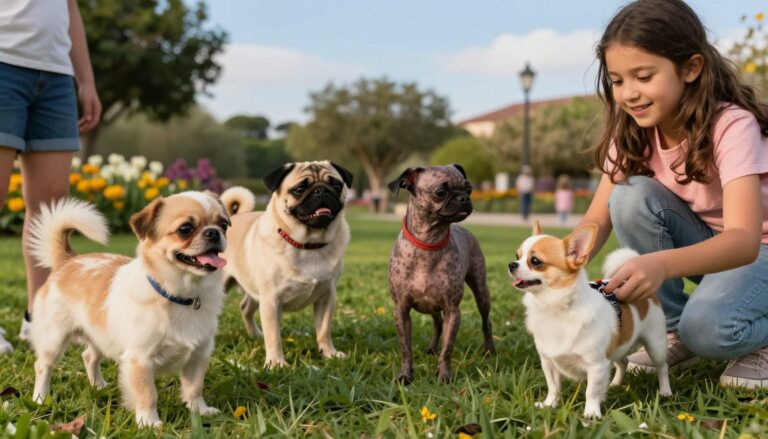
Small breeds are practical for small homes. They are easier to move, eat less, and are better for kids to train. If you travel a lot or have stairs, a small dog is more convenient.
How to protect smaller dogs around young children
Even the gentlest small dog can be fragile. Teach kids to be gentle and calm around the dog. Always watch play to avoid accidents.
- Make areas where the dog can have quiet time.
- Teach kids to sit when playing to avoid falls.
- Encourage gentle petting, not pulling ears or tails.
Setting these rules makes a safe space for everyone. These family pet recommendations help ensure a happy life with your new pet.
How the 15 Best Family Dogs Compare
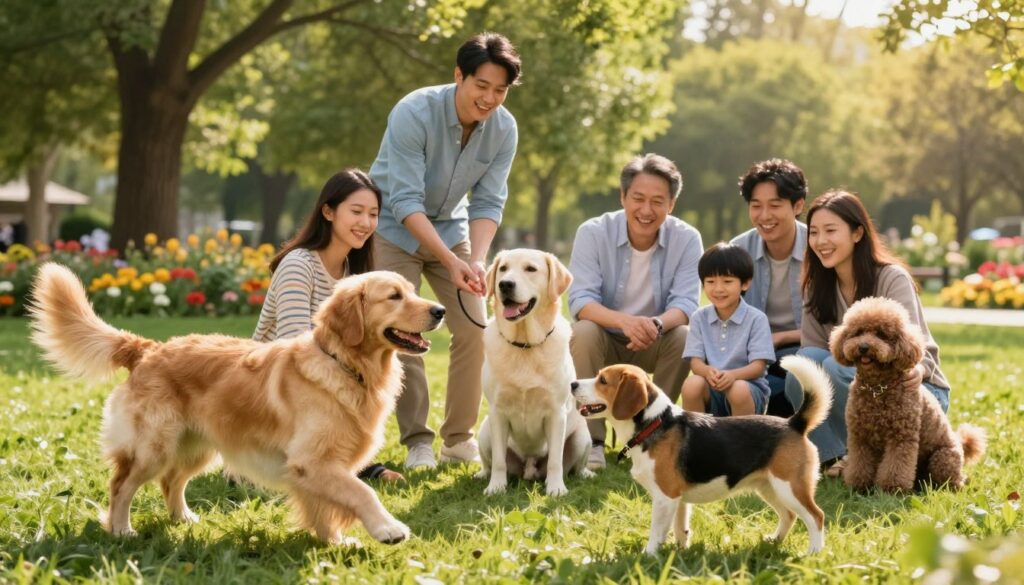
When looking at the best family dogs, it’s good to compare them. No breed fits every home perfectly. Each dog has its own energy and mood.
Best breeds for families with young children
For families with little ones, look for patience and gentleness. The Newfoundland and Golden Retriever are great. They stay calm even when it’s busy.
Best breeds for active families and outdoor activities
Active families need dogs that can keep up. The Vizsla, Irish Setter, and Boxer are perfect. They have lots of energy and love to explore.
Best breeds for apartments and smaller homes
You can still have a dog in a small place. The French Bulldog, Greyhound, and Cavalier King Charles Spaniel are good choices. They are quieter and more adaptable to small spaces.
Best breeds for first-time dog owners
New pet owners should look for easy-to-train dogs. The Labrador Retriever and Standard Poodle are smart and social. They learn quickly with positive training.
Breeds requiring the least grooming and daily maintenance
Many families value a low-maintenance pet. The Boxer, Greyhound, or Vizsla are good. They have short coats that need little grooming.
| Breed Type | Best For | Energy Level | Grooming Needs |
|---|---|---|---|
| Labrador | First-time owners | High | Moderate |
| French Bulldog | Apartments | Low | Low |
| Vizsla | Active families | Very High | Low |
| Newfoundland | Young children | Moderate | High |
The best dogs for families depend on your lifestyle. By considering these factors, you can find the perfect dog for your home.
Match a Family Dog to Your Lifestyle and Living Space
Finding the right dog is more than just about looks. It’s about finding a friend that fits your life. When looking at family pet recommendations, think about how a dog’s personality will match your daily life. A good match means both you and your dog will do well together.
Choosing a dog for a busy household
If your days are full of work, school, and activities, you need a dog that’s adaptable. Look for breeds that are easy-going and don’t need a lot of training. A dog that can relax while you’re busy is a better choice.
Choose breeds that are okay with not too much exercise and don’t get too upset when left alone. Make a plan for when you’re away to keep your pet happy. Keeping a regular routine helps your dog feel secure.
Choosing a dog for a work-from-home household
Working from home is great for bonding, but you need to set boundaries. Without rules, dogs might become too clingy, getting stressed when you leave. Give your dog things to do on their own, like puzzle toys or a quiet spot.
Let your dog have their own space during your work hours. This teaches them to relax on their own and not disturb you. A good balance keeps your dog calm and independent, even when you’re close by.
Choosing a dog for a fenced yard and outdoor lifestyle
Families who love being outdoors should get a dog that loves to explore. A fenced yard is great for exercise, but remember to take your dog for walks and playtime. Choose a breed that fits your outdoor activities, like hiking or playing fetch.
Make sure your fence is strong enough for your dog’s size and jumping ability. Even with a big yard, dogs need friends and activities to be happy. Use your yard to bond with your dog through fun activities.
Choosing a dog when you have cats or other pets
Bringing a new dog home with pets needs careful thought. Some dogs chase small animals, while others are gentle. Look for breeds that get along with cats or small dogs.
Early socialization is key, but it’s not enough. Always watch when pets first meet, and give your current pets safe places to hide if needed. A slow introduction is the best way to keep peace in your home.
Prepare Your Family for a Safe and Successful Adoption
Getting ready for a new pet is key before they arrive. Set clear rules and a routine to make your family-friendly canine companions feel at home right away.
Teach children respectful handling and personal-space boundaries
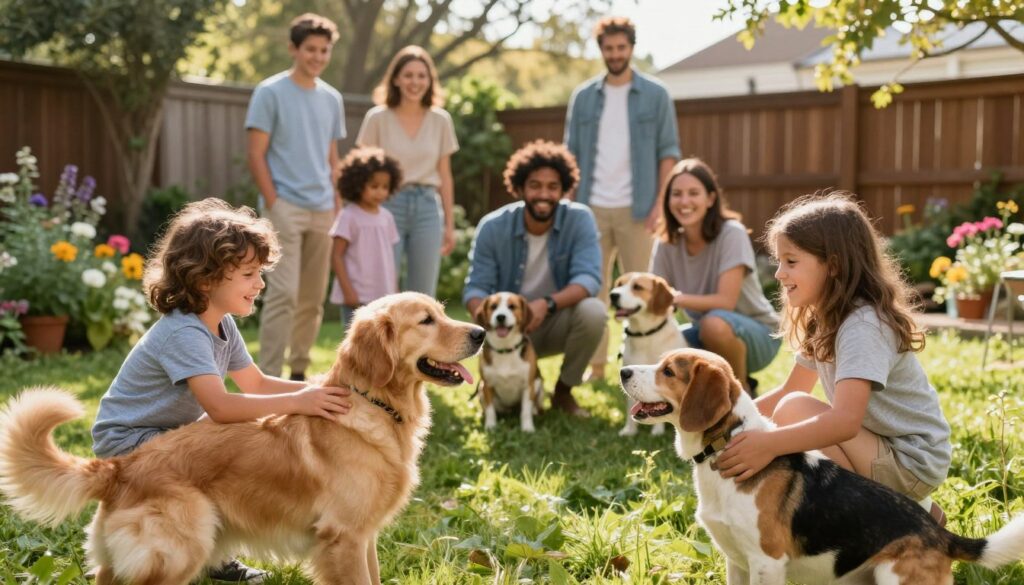
Teach kids that dogs are living beings with their own space. Tell them not to hug dogs around the neck or pull their ears and tails. Always remind them to respect a dog’s space if it moves away.
Create a quiet retreat, feeding area, and daily routine
Make a special spot in your home for your dog to relax. A consistent schedule for meals, walks, and sleep helps your pet adjust. It makes your home feel like a home to them.
“The bond between a child and a dog is a beautiful thing, but it must be built on a foundation of mutual respect and understanding.”
Schedule veterinary care, vaccinations, parasite prevention, and grooming
Find a vet before your pet arrives. Make sure they get vaccinations and parasite prevention to stay healthy. Grooming is also a great way to bond and keep your home clean.
Use positive-reinforcement training from the first day
Training should reward good behavior, not punish bad. Use treats and praise to teach your family-friendly canine companions quickly. Start with simple commands like “sit” and “stay” to build trust and clear communication.
Make Your Final Family Pet Decision
Your search for the perfect dog ends here. While research is key, picking ideal family dogs means looking at your home’s needs. It’s not just about the breed.
Compare energy level, sociability, trainability, and care demands
Every dog is unique and affects your daily life. Think about your family’s energy level and grooming time.
Some dogs love to move, while others prefer peace. Choosing the right fit keeps your home happy.
Meet individual dogs instead of relying only on breed reputation
Breed standards are helpful but not everything. Spend time with a dog to see how it fits with your family.
Watch how the dog reacts to new things and people. Direct interaction shows if the dog is right for you.
Ask breeders, shelters, and rescues about behavior and health history
Get all the info you can. Talk to those who’ve cared for the dog to learn about its personality and health.
Ask about the dog’s behavior with strangers and alone time. Knowing the dog’s background helps you prepare for its life with you.
Choose the dog your household can support for its entire life
Adopting a pet is a big commitment. Pick a dog your family can care for at all ages, even when it’s older.
Think about the money, effort, and love needed for a happy life. By picking ideal family dogs that fit your life, you’ll have a strong bond for years.
Conclusion
Choosing a pet is a big step that changes your home for years. The best dogs for families match your energy, space, and schedule.
Labradors, Newfoundlands, and Greyhounds are great choices. Success comes from picking the right breed for your life. Early socialization and training are key to a happy home.
Adopting or getting from a good breeder is crucial. Make sure your pet is healthy. Regular vet visits and meeting their needs are important.
Take your time to find the right dog. Your effort will create a strong bond. Welcome a loyal friend into your family.