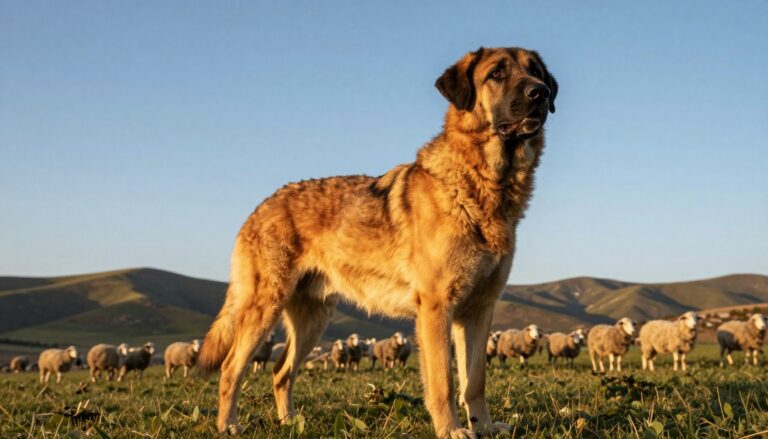

Types of Police Dogs and the Jobs They Perform
Have you ever watched a K9 unit work and felt a deep sense of awe? These incredible animals are more than just partners; they are dedicated protectors. They risk everything to keep our neighborhoods safe. Every day, they use their sharp senses to help officers in dangerous situations.
It’s important to understand the different roles these animals fill. They track suspects or sniff out hidden contraband. Their success depends on their training, breed, temperament, and natural aptitude.
This guide explores how these specialized teams work in the field. You’ll learn about their daily duties and the rigorous safety standards they follow. Join us as we discover the crucial role these four-legged heroes play in keeping us safe.
Table of Contents
How Police Dogs Support Law Enforcement and Your Community
K9 units add a special layer of protection to your community. They help officers do their job better in many ways. These animals use their training and natural skills to keep everyone safe.
Why K9 Units Remain Valuable in the Field
Police work today needs tools that can change fast. Law enforcement canines are perfect for this. They can find things that humans can’t, especially when time is short.
These teams are key for many police tasks:
- They can search big or tricky areas quickly.
- They track people who run away.
- They help in dangerous situations.
- They find drugs or dangerous stuff fast.
How Canines Extend an Officer’s Senses
Dogs see and smell the world in ways humans can’t. Their noses are much better than ours. They can find things hidden in hard places. They also hear better, spotting movement from far away.
With these skills, officers can do more. They can find dangers before they get worse. Dogs help in dark places or thick woods, acting as extra eyes and ears.
What Police Dog Handlers Contribute to Each Operation
Handlers are crucial to the team. They understand what the dog is doing and guide the search. They make quick decisions to keep everyone safe.
Handlers do more than just watch the dog. They also:
- Look for dangers around them.
- Tell people to stay back or warn suspects.
- Keep the dog under control at all times.
This teamwork makes k9 units a big help to police. They work together to keep your community safe.
Types of Police Dogs and Their Primary Duties
Police dogs do many jobs every day. People often think all K9s do the same thing. But, the truth is, police dog roles are very specific. Agencies pick and train dogs for certain jobs, making sure each one fits its mission perfectly.
Patrol and apprehension dogs
These dogs are the main helpers for officers on patrol. Their job is to protect officers and catch suspects. They stay calm and act fast when needed.
Detection dogs
Detection dogs are experts at finding smells. They look for things like drugs or illegal stuff. Their noses are so good, they can find things humans miss.
Tracking and trailing dogs
Tracking and trailing dogs help find people. Tracking dogs follow a scent from a known spot. Trailing dogs find people in changing places. These types of police dogs are key in finding suspects who run away.
Search-and-rescue dogs
Search-and-rescue dogs are trained differently than tracking dogs. They work in tough places like the wilderness or after disasters. Their skills are crucial in finding missing people.
Specialized police dogs for evidence and public safety
Today, dogs do special jobs like finding electronic devices or guns. Some dogs even work in busy places like airports. They help keep everyone safe.
“The bond between a handler and a working dog is built on trust, training, and a shared commitment to public service that goes beyond simple commands.”
| Dog Type | Primary Duty | Key Skill |
|---|---|---|
| Patrol | Protection & Apprehension | Obedience & Defense |
| Detection | Scent Identification | Odor Discrimination |
| Tracking | Locating Suspects | Scent Persistence |
| Search-and-Rescue | Finding Missing Persons | Wilderness Navigation |
Knowing about these police dog roles helps us see how important K9 units are. Each type of police dog is crucial in keeping the U.S. safe.
Patrol Dogs That Protect Officers and Apprehend Suspects
Patrol dogs are key to keeping everyone safe in police work. They act as a powerful deterrent, stopping trouble before it starts. Their presence can make a suspect give up without a fight, keeping everyone safe.
How patrol dogs deter threats and respond to danger
When danger arises, a patrol dog offers a safe way for officers to act. These dogs can spot aggression signs that humans might miss. They stand between officers and threats, making suspects think twice.
“The dog is not just a tool; he is a partner who provides a level of security that allows us to do our jobs with greater confidence.”
When police dogs use pursuit and apprehension skills
Apprehending a suspect is a precise skill for dogs. They chase after a fleeing person, not to attack, but to secure the scene. This stops the suspect from getting away or reaching a weapon.
Once caught, the dog holds the suspect until the officer arrives. This is done carefully to keep everyone safe. The dog waits for the next command from their handler.
How handlers manage control, release, and public safety
Managing a K9 unit needs constant communication between dog and handler. Police dog handlers must always control the dog, even in a chase. They use several methods to keep things under control:
- Immediate Recall: The ability to stop the dog instantly, even when they are in full pursuit.
- Controlled Release: Ensuring the dog disengages from a suspect the moment the command is given.
- Environmental Awareness: Scanning the area for bystanders to prevent accidental contact.
Why obedience matters during high-pressure encounters
Good obedience is crucial for K9 teams. In tense situations, distractions can confuse a dog. Police dog handlers work hard to keep their dogs calm and responsive. This training lets them work safely in public.
Detection Dogs That Locate Drugs, Explosives, and Other Threats
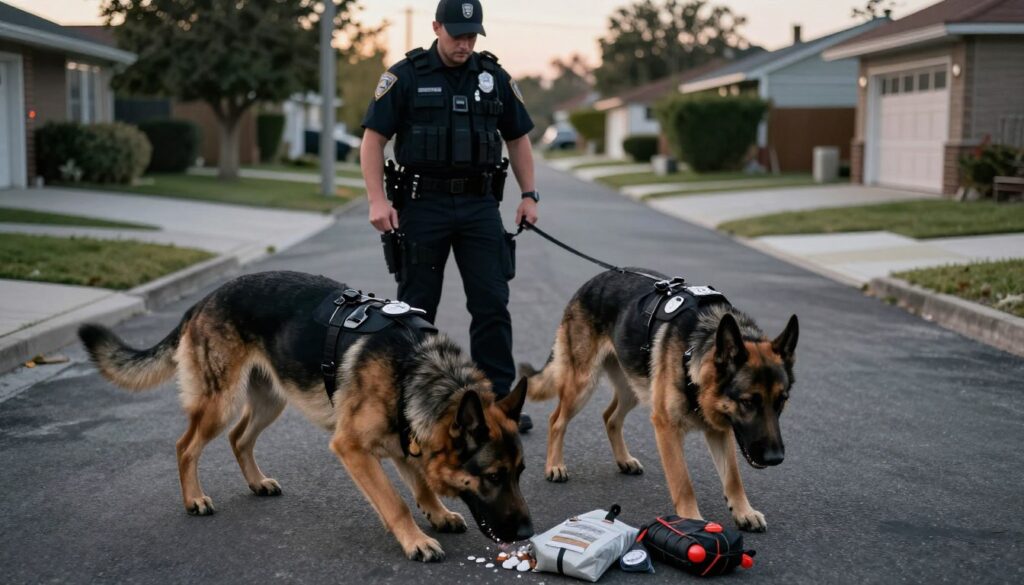
It’s amazing how well specialized police dogs can find dangerous stuff in tricky places. They use their super-smelling skills to sniff out chemicals that people can’t see. Working with their handlers, they help keep our communities safe.
Narcotics detection dogs and controlled-substance searches
Narcotics dogs are trained to find illegal drugs by their smell. They search places like cars, bags, or buildings carefully. When they find what they’re looking for, they alert their handler, who then takes action.
Explosive detection dogs and bomb-threat response
When there’s a bomb threat, time is of the essence. These dogs ignore everyday smells and focus on explosive chemicals. They help keep us safe while the police handle the situation.
Arson and accelerant detection dogs
After a fire, dogs trained to find accelerants like gasoline are crucial. They can sniff out tiny amounts of chemicals, even after a fire is out. Their work helps figure out if a fire was an accident or a crime.
Cadaver dogs and human-remains detection
Cadaver dogs are key in finding missing people and solving crimes. They can smell human remains, even in tough places or underwater. These highly skilled dogs help families find peace and aid police in solving cases.
How odor training helps dogs distinguish target scents
Odor training is tough but builds a dog’s skill to pick out smells. Handlers use rewards to teach the dog to ignore other smells. This specialized training makes sure the dog only alerts to the right substance, keeping investigations accurate.
Tracking, Trailing, and Search-and-Rescue Dogs
When you look at the various types of police dogs, those specialized in scent work stand out. They have incredible olfactory abilities. Tracking and trailing are often confused, but they’re different. Tracking means following a suspect’s scent from a known point.
Trailing, on the other hand, is about following a person’s scent as they move. These dogs are highly sensitive to human scent. They can follow complex paths that others can’t.
Tracking a suspect from a known starting point
Tracking dogs are used right after a crime. They follow physical evidence like crushed grass and the suspect’s scent. This works best when the trail is fresh.
Trailing a person across complex environments
Trailing dogs are great for urban or changing landscapes. They can follow a scent trail through crowds or long distances. These types of police dogs stay focused, even with many smells around.
Finding missing children, vulnerable adults, and lost hikers
Finding missing people is urgent. K9 teams help find children, elderly, or lost hikers. They are a lifesaving advantage in bad weather or darkness.
- Rapid response: Canines can cover vast areas much faster than human search parties.
- Environmental adaptability: Dogs can work effectively in rain, wind, or dense vegetation.
- Precision: They help narrow down search zones, allowing human teams to focus their efforts efficiently.
Searching buildings, wilderness, water, and disaster areas
Search-and-rescue operations need handlers to adjust based on terrain. Dogs must stay calm in buildings or disaster sites. Handlers must watch for wind and humidity, which affect scent.
Water and wilderness searches are tough. Heavy crowds or contamination can hide scents. The K9 team works together to search every area in high-stakes operations.
Specialized Police Dogs for Evidence, Security, and Public Events
Specialized police dogs are key in securing high-risk areas and collecting forensic data. They help in complex investigations, using their sharp senses. This gives law enforcement a big edge in fighting crime.
Electronic-storage detection dogs
In today’s tech world, these dogs find hidden digital media. They sniff out the specific chemical components in memory chips and storage devices. This skill helps find tiny items like micro-SD cards and hard drives that humans might miss.
Firearms and ammunition detection dogs
These dogs are crucial for keeping weapons off the streets. They can smell gun oil, cleaning solvents, and gunpowder residue. Their skill in finding these items in cars or buildings helps officers gather evidence safely and fast.
Human-remains and forensic evidence searches
At large or complex crime scenes, these dogs are a big help. They can smell human remains or biological evidence. Their work often uncovers key clues needed for a strong case.
Dogs assigned to airports, schools, courthouses, and major events
Specialized police dogs also keep public areas safe. You’ll see them in busy places to stop threats early. Their presence adds a visible layer of protection for everyone.
- Search Procedures: Every operation follows a strict, documented protocol to ensure the integrity of the scene.
- Trained Alerts: Handlers rely on specific, non-intrusive signals from the dog to identify a point of interest.
- Evidence Preservation: Teams are trained to maintain the chain of custody, ensuring that found items remain admissible in court.
These dogs are always learning and working closely with their handlers. Their hard work helps keep our world safe and orderly.
Police Dog Breeds Commonly Used in K9 Units
Choosing the right breed for a K9 team is key. It’s not just about picking a popular dog. Agencies look for specific traits for public safety and law enforcement.
German Shepherds for versatile patrol and detection work
German Shepherds are top picks for police work. They have a natural protective instinct and high intelligence. This makes them great for patrol and detection tasks.
Belgian Malinois for speed, drive, and agility
The Belgian Malinois is known for its intense work drive and agility. They are faster and more athletic than other breeds. This is a big plus for high-speed pursuits.
Bloodhounds for long-distance tracking
Bloodhounds are unmatched for tracking over long distances. Their incredible sense of smell lets them follow cold trails. They are valued for their persistence and focus.
Labrador Retrievers for detection and search tasks
Labrador Retrievers excel in detection, especially for narcotics or explosives. They are friendly, making them less intimidating in public. Yet, they are highly focused and skilled in scent detection.
Other working dog breeds selected for specialized abilities
Other breeds are chosen for their unique abilities. Some use Dutch Shepherds or mixed-breed dogs. The goal is to match the dog’s talents to the mission’s needs.
Why temperament, health, and aptitude matter more than breed alone
A breed label doesn’t guarantee success. A dog needs the right temperament, health, and confidence for police work. It’s their individual aptitude that shows if they’ll excel as a law enforcement partner.
How Police Dog Training Prepares Canines for Real Assignments
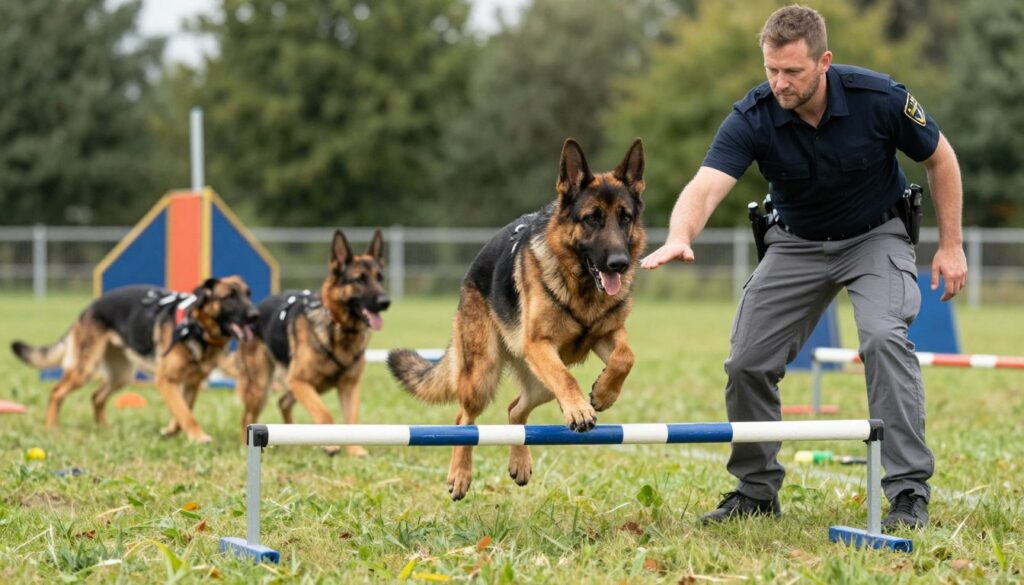
Effective police dog training is a mix of discipline and skill. It turns a high-energy animal into a trusted partner. They learn to handle tough situations well.
Building obedience, focus, and environmental confidence
Everything starts with basic obedience. Dogs must follow commands fast, even with distractions. This focus helps the handler control the dog in important moments.
- Creating a strong bond between handler and dog.
- Learning directional commands for movement.
- Getting confident on slippery or unstable surfaces.
Teaching scent detection and reliable alert behavior
Detection work uses the dog’s natural hunting drive. Trainers teach them to find illegal substances or hidden threats. Reliability is key, as the dog must alert the handler clearly.
Developing tracking, apprehension, and search techniques
Tracking means following a scent trail over different terrains. Apprehension training teaches the dog to only engage a suspect when told. These skills are practiced in various settings to prepare for real-world scenarios.
| Skill Area | Primary Goal | Frequency |
|---|---|---|
| Obedience | Total Control | Daily |
| Detection | Accuracy | Weekly |
| Tracking | Endurance | Bi-weekly |
Maintaining skills through regular practice and evaluation
Skills can fade without regular use. Regular training keeps the dog sharp. Evaluations help find areas needing more work.
How positive reinforcement and controlled exposure shape performance
Positive reinforcement is key in police dog training. It rewards good behavior, making the dog want to do it again. Exposure to loud noises and crowds helps the dog stay calm in any setting.
This method keeps the dog a dependable asset for the department. With careful training and practice, the team stays at the top of their game.
How Handlers, Policies, and Welfare Shape Police Dog Work
Every police dog has a handler who takes care of them. The bond between a handler and their dog is key to their success. This bond is built on respect and clear communication.
The working partnership between a dog and its handler
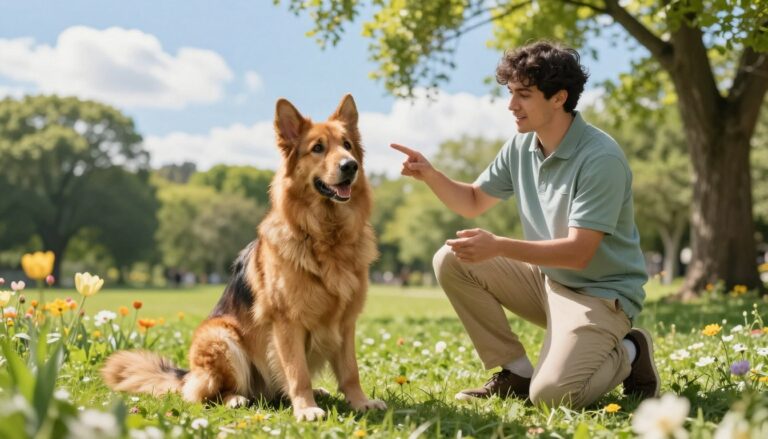
Handlers and dogs spend a lot of time together. They learn a special language of commands and non-verbal cues. This connection helps the dog stay focused and obedient, even in stressful situations.
By following consistent routines, the team works well together. This harmony is crucial for keeping people safe.
Use-of-force policies and accountability for police dogs
Many think police dogs work without rules. But, they actually follow strict policies and laws. Handlers document every use of a dog to ensure it’s necessary and fair.
Supervisors check these reports to keep things transparent and fair. This way, the use of law enforcement canines stays legal. Every action is reviewed like any other police action.
Veterinary care, rest, equipment, and retirement
Animal welfare is a big deal for any agency. Handlers watch their dogs for signs of tiredness, especially in hot weather. They also make sure their dogs get regular vet visits and the right gear, like vests.
When a dog retires, agencies help them find a good home. Many handlers adopt their dogs. This shows how much they care for their partners.
What you should know about safety around an active K9 team
If you see a K9 team, stay safe and keep your distance. Don’t make sudden moves or loud noises. Never try to pet or distract a working dog.
Always listen to the handler’s instructions. They keep everyone safe, including their dog. By staying calm and following their lead, you help them do their job well.
Conclusion
Modern law enforcement depends on the skills of canine partners for public safety. These animals have many roles, from patrol to specialized detection. Knowing about the different types of police dogs shows how complex their work is.
Success in their jobs needs more than instinct. It requires the right temperament, tough training, and handler support. A dog and its handler work together as one team on every mission.
You see these teams in action when they track suspects or find missing people. They help keep officers and citizens safe. By finding evidence and spotting threats, they are key to justice.
Supporting K9 programs makes your community safer. Whether they’re finding explosives or patrolling streets, these dogs show great service and loyalty. You can be proud of the dedication of these handlers and their dogs as they protect your neighborhood.