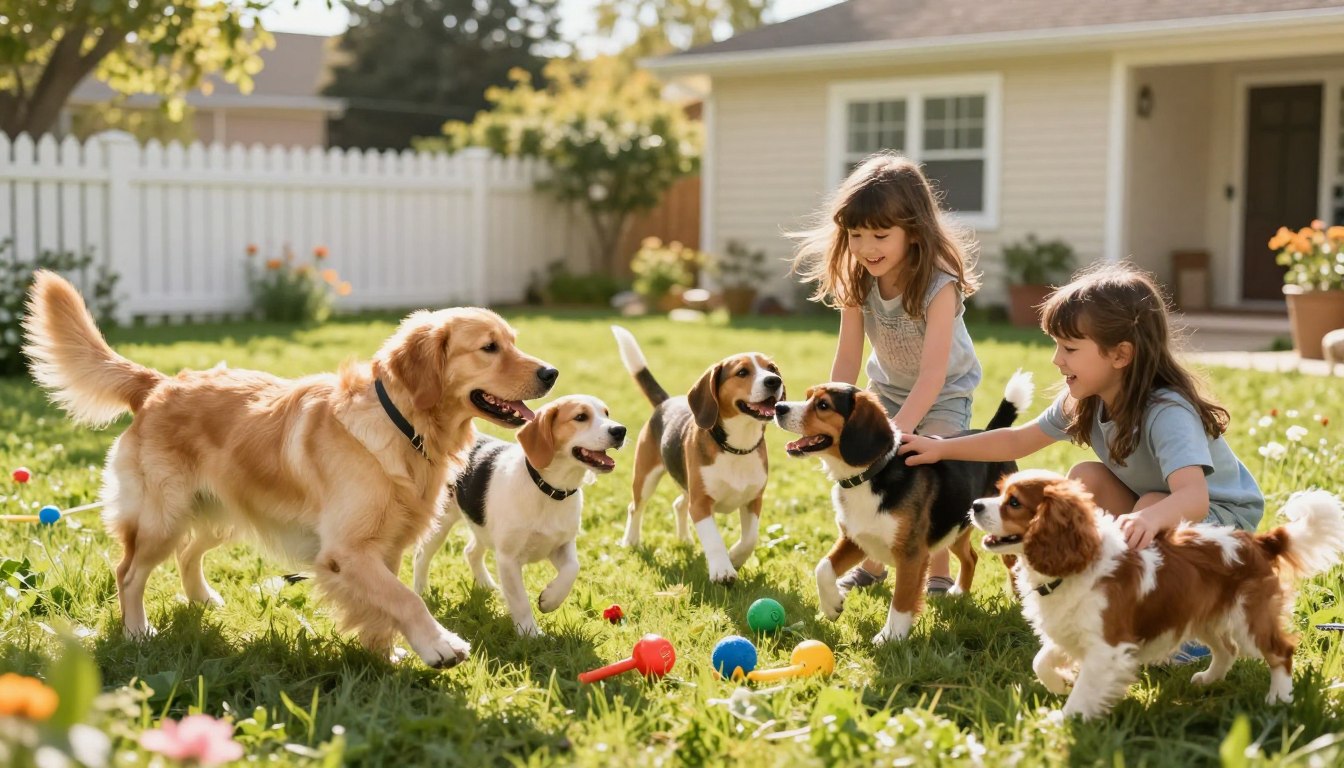
Friendliest Dog Breeds That Make Perfect Family Companions
There’s a special warm feeling when a loyal friend greets you at the door. Getting a pet is more than a choice; it’s a promise of years of love and memories. It’s crucial to pick the right temperament for a happy home.
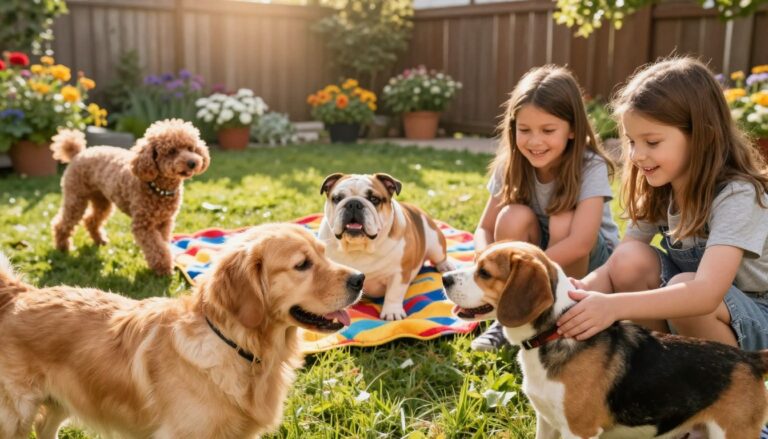
Choosing the friendliest dog breeds means a lifetime of happiness. These dogs connect well with everyone in your home. By looking into friendly dog breeds for families, you find a loving partner. Let’s explore how to make your home a place of joy.
Table of Contents
Understanding the Traits of Family-Friendly Dogs
Choosing the right pet for your home starts with knowing what makes a dog family-friendly. Every dog is unique, but some traits show if they’ll fit well in your home. By spotting these signs, you can pick the best pet for you.
What Makes a Dog Good-Natured
The best good-natured canines have key traits for busy homes. They are patient and tolerant of family chaos. They also handle loud noises and sudden movements well, important for homes with kids or pets.
A calm dog is easier to live with. Look for a steady temperament. This means the dog can handle your home’s energy without getting stressed.
| Trait | High-Suitability Indicator | Low-Suitability Indicator |
|---|---|---|
| Patience | Remains calm during play | Easily startled or snappy |
| Energy Level | Matches family activity | Hyperactive or lethargic |
| Socialization | Friendly with strangers | Fearful or overly protective |
The Importance of Early Socialization
Even the most good-natured canines need early training. Early socialization is key for a confident pet. It involves introducing your dog to new sights, sounds, and people early on.
Good socialization makes your dog less stressed and more curious. It’s crucial for your family-friendly dogs to stay happy and secure all their lives.
The Friendliest Dog Breeds for Active Households
If your family loves outdoor adventures, picking the right dog is key. You need a dog that can keep up with your activities. Luckily, some of the friendliest dog breeds are also super active and love to join in.
Golden Retrievers: The Gold Standard of Friendliness
Golden Retrievers are known for their amazing temperament. They are very devoted and gentle, making them great for active families. These dogs love to please, which makes training fun.
Having a Golden Retriever means you’ll always have a friend for adventures. They are among the lovable pet breeds because they love being part of family moments. They bring joy to every outing, whether at the park or on a trail.
Labrador Retrievers: Energetic and Loyal Partners
Labrador Retrievers are full of energy and very loyal. They love to join in on your outdoor activities. Their strong build and stamina make them great for many sports.
Labradors need regular exercise to stay happy and healthy. Here are some benefits of having them in your active lifestyle:
- Consistent Exercise: Daily walks or runs keep them physically and mentally fit.
- Social Bonding: Outdoor play strengthens your bond with your pet.
- Adaptability: These lovable pet breeds can easily switch from a high-energy hike to a calm evening.
Choosing one of these friendliest dog breeds means your active household will have a loyal partner. Their energy and loyalty make them perfect for families that love to stay active.
Gentle Giants That Are Perfect for Kids
Some big dogs might look scary at first, but they’re really great with kids. They’re calm and like to watch over the little ones. They make great friends and keep everyone safe and happy.
Newfoundlands: The Patient Nanny Dogs
Newfoundlands are known for being very patient and loving. They’re huge and fluffy, and they love being around people. They’re perfect for families with kids because they’re so gentle.
They need lots of room because of their big size and thick fur. But they’re always happy to listen and be a friend to kids who need someone to talk to.
Bernese Mountain Dogs: Calm and Affectionate Protectors
Bernese Mountain Dogs are strong but have a soft heart. They’re great with families and love to protect their loved ones. They’re very smart and easy to train, which is a big plus for busy parents.
They need lots of love and some exercise to stay happy. With the right care, they’ll be a wonderful part of your family.
| Breed | Temperament | Energy Level | Best For |
|---|---|---|---|
| Newfoundland | Patient & Gentle | Low to Moderate | Large Families |
| Bernese Mountain Dog | Calm & Loyal | Moderate | Active Households |
| Great Pyrenees | Protective & Steady | Low | Rural Living |
Small and Sociable Dog Breeds for Apartment Living
Living in a cozy apartment doesn’t mean you have to miss out on the joy of owning a dog. Many sociable dog breeds thrive in smaller spaces, provided they receive enough love and daily interaction. You can easily find a perfect match that fits your lifestyle without needing a large backyard.
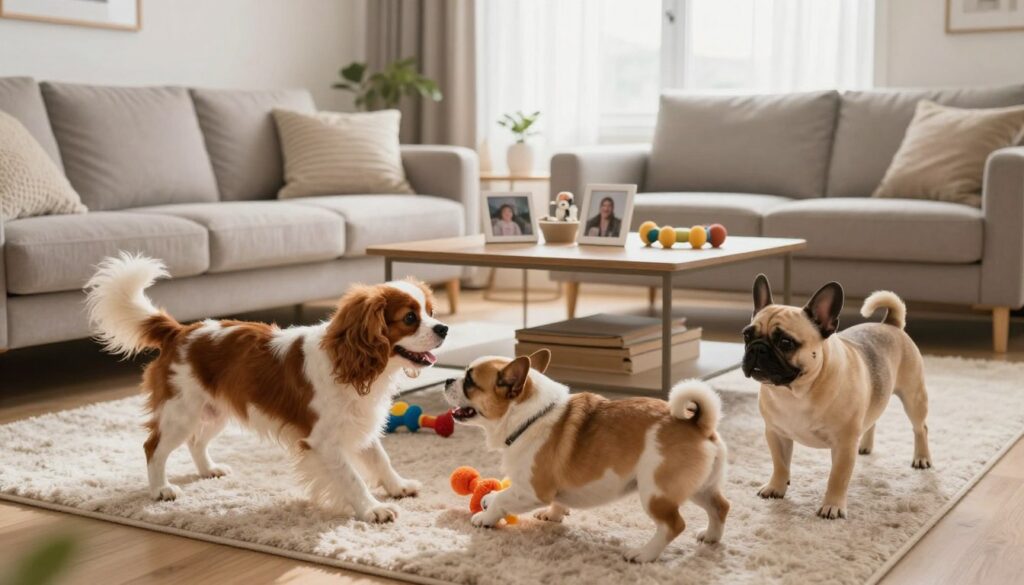
When selecting a pet for a compact home, consider their energy levels and temperament. The top friendly dog breeds for apartments are often those that prioritize human connection over high-intensity exercise. These dogs are content to relax by your side after a short walk around the block.
Cavalier King Charles Spaniels: The Ultimate Lap Dogs
The Cavalier King Charles Spaniel is widely regarded as one of the most affectionate companions you can choose. These dogs are famous for their gentle nature and desire to be near their owners at all times. They are truly the ultimate lap dogs, making them ideal for quiet evenings at home.
“A dog is the only thing on earth that loves you more than he loves himself.”
Because of their small size and calm demeanor, they adapt well to various living situations. You will find that they are incredibly patient, which is a hallmark of many top friendly dog breeds. Their ability to remain calm makes them excellent neighbors in apartment buildings.
Bichon Frise: Cheerful and Adaptable Companions
If you are looking for a pet that brings constant joy, the Bichon Frise is a fantastic choice. These sociable dog breeds are known for their playful spirit and resilient, happy-go-lucky attitude. They are highly adaptable, meaning they can adjust to your schedule with ease.
- Hypoallergenic coat: Great for those with mild allergies.
- High intelligence: They learn tricks and routines very quickly.
- Social nature: They love meeting new people and other pets.
The Bichon Frise provides a cheerful presence that can brighten even the smallest living space. Their compact size allows them to navigate tight corners, while their friendly personality ensures they remain a beloved member of your household. You will appreciate how easily they integrate into your daily routine.
Intelligent and Eager-to-Please Companions
Looking for a new pet? Some of the best are smart and loving. Dogs with sharp minds quickly get used to your home. They make great best dogs for kids who need a fun and reliable friend.
These smart breeds love to play and interact. They are among the top friendly dog breeds for families. They learn commands and understand our feelings, forming a lifelong bond.
Poodles: Smart and Gentle Family Members
Poodles are known for their smarts and adaptability. They come in various sizes, all eager to learn and please. Their calm nature makes them great for any home.
Poodles are incredibly intuitive. They sense our moods, offering comfort or excitement. Their key traits include:
- High trainability for tricks and obedience.
- A gentle temperament that is perfect for children.
- Adaptability to various living situations.
Collies: Devoted and Protective Guardians
Collies are loyal companions. They have a deep connection to their human family. They watch over their loved ones with patience and care.
Collies are great for kids because they naturally protect them. Their protective nature is not aggressive but devoted to keeping families safe. They are among the top friendly dog breeds, offering intelligence and love.
Low-Maintenance Breeds with Big Personalities
Many families find that the best pets have big personalities but don’t need a lot of activity. You don’t need a high-energy dog to have a loyal friend. These good-natured canines are affectionate and don’t need constant, intense activity.
Beagles: Curious and Happy-Go-Lucky
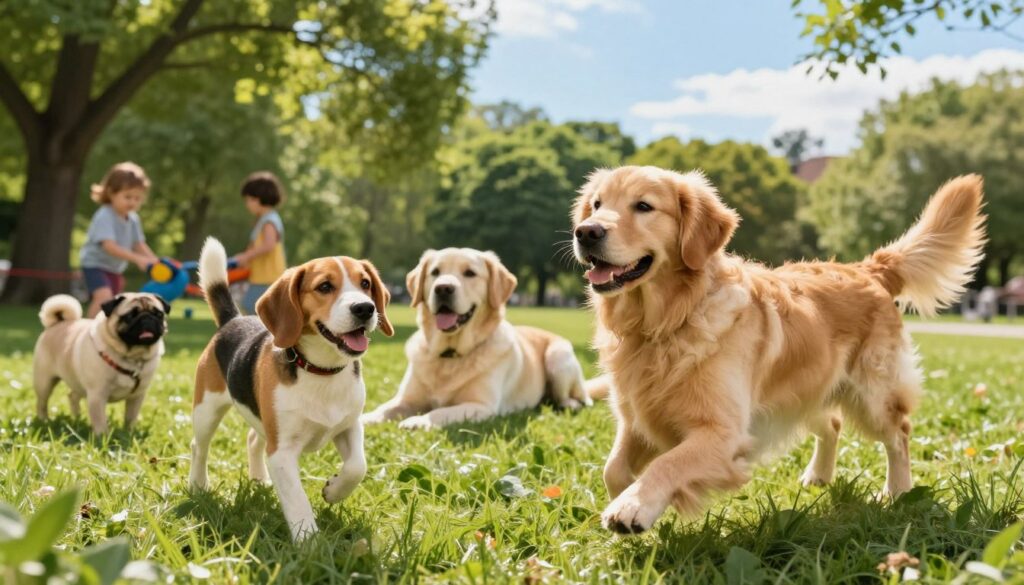
Beagles are great for families who love exploring outdoors. They are happy-go-lucky and always up for an adventure. These easy-going dogs are perfect for families who enjoy light outdoor activities.
Beagles love being around people and enjoy being part of your daily life. They are easy to care for because of their small size and short coats. Their playful nature makes your home feel lively and welcoming.
Pugs: Charming and Easy-Going Pets
Pugs are ideal for those who love to relax on the couch. These good-natured canines have charming faces and a calm nature. They prefer short walks and love to lounge by your side.
Pugs are very affectionate and fit well in small homes. Their easy-going nature makes them great pets for those who want a funny and laid-back companion. Their unique personality and loyalty to their family are hard to resist.
| Breed | Primary Trait | Activity Level |
|---|---|---|
| Beagle | Curious Explorer | Moderate |
| Pug | Charming Lounger | Low |
| Summary | Easy-going dogs | Family Friendly |
Evaluating Temperament and Energy Levels
Choosing a new pet is a big decision. You need to think about your family’s lifestyle and energy. The right pet will fit right in with your family.
Matching Dog Energy to Your Family Lifestyle
Think about how much time you spend outside versus at home. High-energy dogs need lots of exercise to be happy. If you love outdoor activities, choose a dog that’s active too.
If you prefer relaxing at home, a low-energy dog might be better. Consistency is key in choosing a pet. A dog that doesn’t match your lifestyle can cause problems for both of you.
Assessing Temperament During the Adoption Process
When you visit a shelter or breeder, watch how the dog acts. A good temperament shows in how it meets new people and handles loud noises. Look for confidence and curiosity, not shyness or aggression.
Ask the staff about the dog’s background and personality. Shelters often do tests to find the best family-friendly dogs. This helps you find a dog that’s good with kids and other pets.
Trust your gut when meeting dogs. If a dog seems calm and interested, it’s likely a good fit. Taking your time will make your relationship with your pet much better.
Preparing Your Home for a New Family Dog
Getting a new dog is exciting and needs careful planning. You want to make sure your home is safe and comfy for your new pet. By getting your home ready, your dog will feel safe and secure right away.
This way, you can focus on bonding with your new friend instead of rushing to get things.
Creating a Safe Space for Your Pet
Every dog needs a special place to go when they feel scared or overwhelmed. This spot should be quiet and away from busy areas. It should also have things that remind them of home.
Having a “home base” helps your dog feel less anxious. It could be a cozy corner or a crate.
A smooth transition means giving your dog a predictable and safe place to rest and recharge.
Essential Supplies for a Smooth Transition
Before your dog arrives, get all the things they need. You’ll want good bedding, tough chew toys, and the right food bowls. Having these ready makes your dog feel loved and cared for right away.
Here’s a list of things you’ll need, based on your dog’s size:
| Supply Item | Small Breeds | Large Breeds |
|---|---|---|
| Bedding Type | Plush, enclosed bed | Orthopedic, flat mat |
| Toy Durability | Soft, squeaky toys | Heavy-duty rubber |
| Feeding Bowls | Elevated ceramic | Stainless steel, non-slip |
| Crate Size | Compact/Portable | Extra-large/Heavy-duty |
Remember, being consistent is important when introducing new things to your dog. Put their bed in the safe zone and let them explore at their own pace. With the right supplies and a calm home, you’re ready for a happy life together.
Socialization Tips for Your New Canine Friend
Proper socialization is key to raising a happy and well-adjusted dog. Even the top friendly dog breeds need guidance to feel confident. By introducing them to new things slowly, they become calm and reliable family members.
Introducing Your Dog to New People
Always think about your dog’s comfort when meeting new people. Let them approach strangers at their own pace. This is crucial for sociable dog breeds that might feel overwhelmed.
“The bond between a human and a dog is built on trust, patience, and the shared language of kindness.”
Keep first meetings short and positive to avoid overstimulation. Watch for signs of stress like tucked tails or panting. If your dog seems stressed, give them space and try again later.
Positive Reinforcement Techniques for Success
Positive reinforcement is the best way to teach good behavior. Reward your dog with treats, praise, or play to show them it’s rewarding. This strengthens your bond and makes training fun.
- Consistency is key: Use the same cues and rewards every time to avoid confusion.
- Timing matters: Give the reward right after the good behavior to make the connection clear.
- Keep sessions short: Focus on quality over quantity to keep your dog interested and enthusiastic.
Every dog learns at their own pace. Stay patient and celebrate small wins as your pet becomes well-mannered. With consistent effort, you’ll have a lifetime of happy social times with your furry friend.
Common Myths About Friendly Dog Breeds
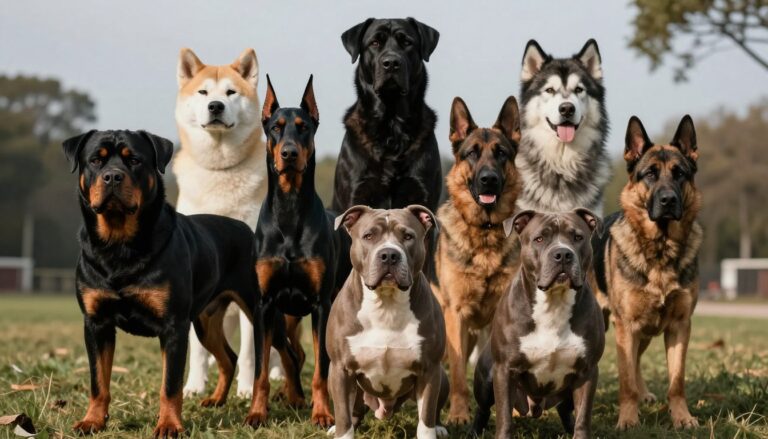
Many people think certain dog breeds are always friendly. But, these stereotypes don’t always match real-life experiences. Looking for the friendliest dog breeds based on lists might miss out on a great pet.
Debunking Breed-Specific Stereotypes
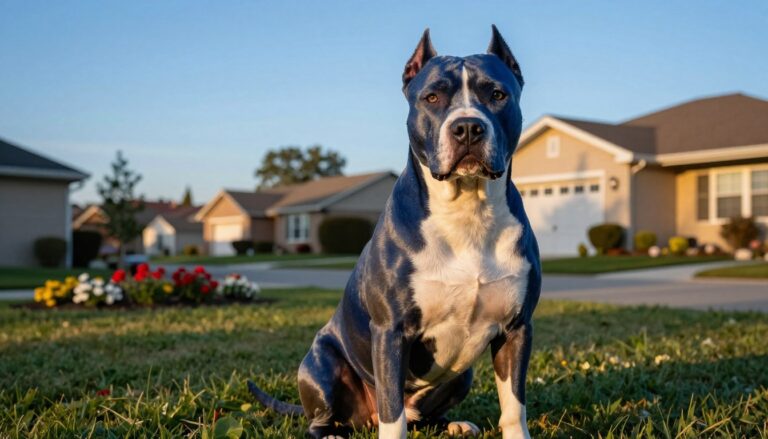
Some say certain dogs are always aggressive or unfriendly. But these claims are often unfair and not supported by science. Dogs labeled as “difficult” might just need better training or understanding.
Looking beyond these myths, you’ll find many dogs are easy-going dogs in the right home. Breed traits are just a starting point. Always judge a dog as an individual, not just by its breed.
Why Individual Personality Matters More Than Breed
The most crucial thing is a dog’s unique personality. A dog’s past, socialization, and daily life affect their behavior more than their breed. Every dog is an individual with their own traits and likes.
Even in the most friendliest dog breeds, dogs can vary in energy and social needs. You might find easy-going dogs in breeds known for being energetic or independent. By focusing on a dog’s personality, you can build a stronger bond with your family.
Conclusion
Bringing a new pet home is the start of a rewarding journey. It’s filled with loyalty and joy. Choosing the right animal means thinking about your daily life and space.
You have the tools to find family-friendly dogs that fit your lifestyle. Think about your household’s needs to build a strong bond with your pet.
Many wonderful dogs wait in shelters and rescue groups for a loving home. These dogs bring happiness through simple acts of love.
Take your time to see how different breeds fit into your home. Understanding their temperament helps create a happy life together.
Start your search today by contacting local breeders or adoption centers. You can change a life and gain a loyal friend for years.