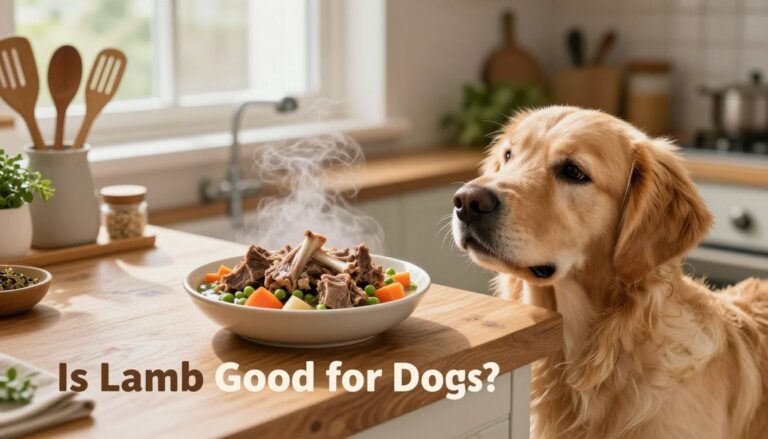
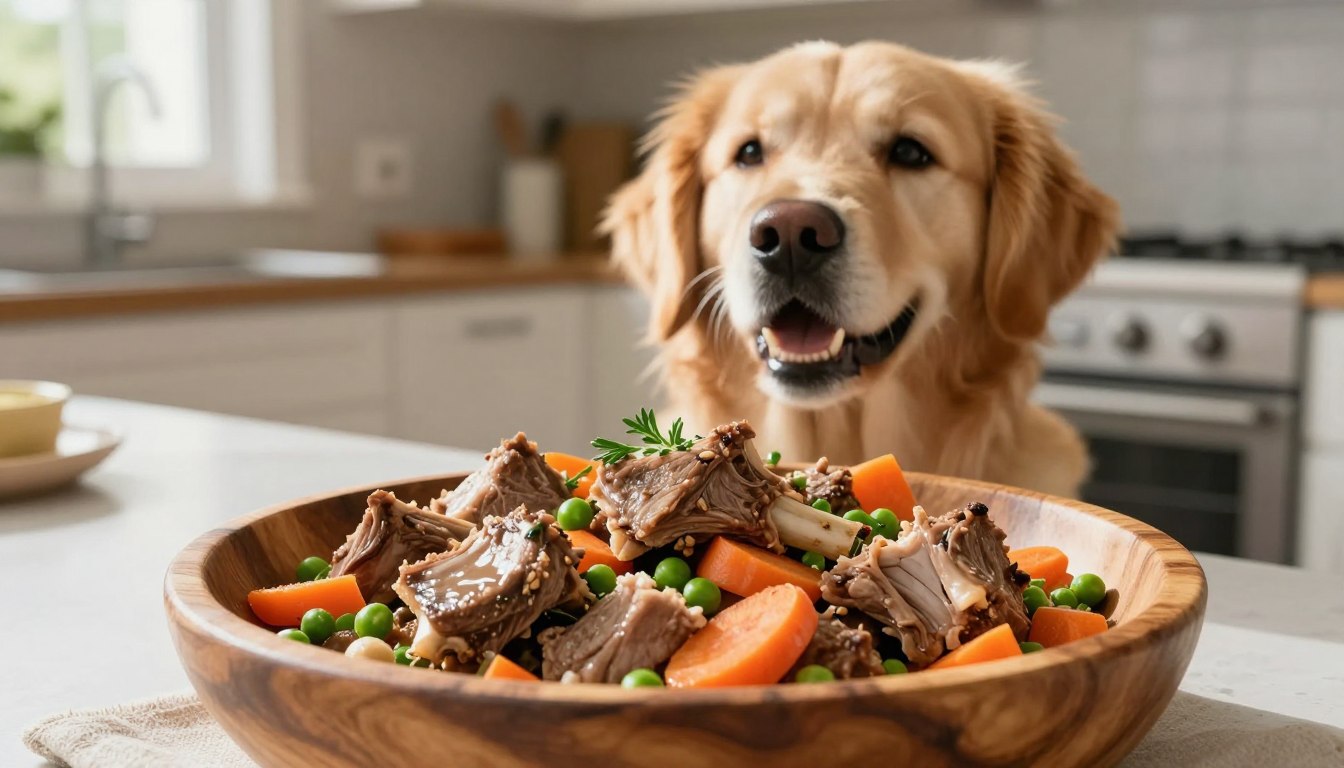
Lamb for Dogs: A Healthy Protein or Potential Problem?
You see more than a pet in those eyes; you see a family member. Giving them the best food is your way of saying I love you every day. When you’re at the pet food store, you might see lamb for dogs more often.
Lamb is known for its good nutrients. It has high-quality amino acids and minerals that keep dogs active and healthy. But, is it the best choice for your dog?
Choosing the right food is more than following trends. You need to think about your dog’s breed, age, and health. Knowing about lamb for dogs helps you make a choice that keeps them well for a long time.
Table of Contents
Understanding the Nutritional Profile of Lamb for Dogs
Lamb is a top choice for your dog’s health. It’s packed with nutrients that support your pet from puppyhood to old age. Choosing lamb-based dog nutrition means your dog gets the best for a happy life.
“Quality nutrition is the foundation of a long, vibrant life for our canine companions, and selecting the right protein is where it all begins.”
Essential Amino Acids and Muscle Development
Lamb is a complete protein, offering all the amino acids your dog needs. These amino acids are vital for fixing tissues and keeping muscles strong. Feeding lamb helps your dog stay active and strong.
The Role of Healthy Fats in Canine Energy
Lamb also has healthy fats that are a key energy source. These fats help your dog keep going during long walks or playtime. Unlike carbs, the fats in lamb for dogs give energy all day long.
| Nutrient Component | Primary Benefit | Canine Health Impact |
|---|---|---|
| Amino Acids | Muscle Repair | Maintains Strength |
| Healthy Fats | Energy Density | Supports Stamina |
| Zinc | Immune Support | Promotes Healing |
Key Vitamins and Minerals Found in Lamb
Lamb is also rich in B vitamins and minerals. Vitamin B12 is key for the nervous system and metabolism. Zinc boosts the immune system, keeping your dog healthy.
Adding lamb-based dog nutrition to your dog’s meals is a smart choice. It ensures your dog gets the best nutrition for a healthy life.
The Benefits of Lamb for Canine Diet
Learning about the benefits of lamb for canine diet helps you choose better for your pet. Many owners see big improvements in their dog’s health and happiness when they switch to lamb.
Why Lamb is Often Recommended for Sensitive Stomachs
Vets often recommend lamb for dogs with upset stomachs. It’s a novel protein that’s less likely to cause problems. This is because it’s different from common meats like chicken or beef.
This makes lamb great for dogs with food sensitivities. It helps keep their gut healthy and stable. This is good for your dog’s overall well-being.
Palatability and Appeal for Picky Eaters
If your dog is picky, lamb might be the answer. Dogs love the rich, savory taste of lamb. This makes them more excited to eat.
This is a big plus for owners of picky eaters. When dogs enjoy their food, they eat better and stay healthy.
Supporting Skin and Coat Health with Omega Fatty Acids
Lamb does more than just taste good. It’s full of omega fatty acids. These are key for a shiny coat and healthy skin.
These fatty acids also have anti-inflammatory properties. They can help soothe itchy or irritated skin. Adding lamb to your dog’s diet helps their skin and coat from the inside out.
Potential Risks and Considerations When Feeding Lamb
Knowing about lamb-based dog nutrition helps you steer clear of common health issues. Lamb is great for dogs, but it’s not right for every one. Keeping an eye out for sensitivities helps you keep your pet healthy.
Identifying Potential Allergic Reactions in Dogs
Even the best proteins can cause problems for some dogs. If your dog starts a new diet, watch for signs of trouble. Look out for:
- Persistent scratching or paw licking.
- Chronic ear infections or redness.
- Frequent digestive upset, such as vomiting or diarrhea.
If you see these signs, talk to your vet right away. They can figure out if the protein is the problem or if something else is causing it.
The Importance of Sourcing and Meat Quality
The quality of your lamb-based dog nutrition depends on the meat’s origin. Bad sources might have harmful additives or contaminants. Look for brands that are open about their sources and how they process the meat.
Transparency is key when picking a product for your pet. Good brands test their ingredients to make sure they’re safe. Choosing high-quality, human-grade lamb reduces the chance of your dog getting sick from bad fillers.
Managing Fat Content for Dogs with Pancreatitis
Lamb has a lot of fat, which is good for active dogs. But, it’s bad for dogs with pancreatitis. If your dog has a sensitive stomach, watch their fat intake closely.
Check the packaging for the fat percentage. If your vet says your dog needs less fat, look for leaner cuts or other proteins. This way, your dog gets the good from lamb without hurting their health.
How to Evaluate High Quality Lamb Dog Snacks and Treats
Your dog deserves the best, but finding high quality lamb dog snacks is not easy. Many products look healthy but have hidden ingredients. Learning to read labels helps ensure your pet gets real nutrition.
Reading Ingredient Labels for Transparency
The ingredient list is key to checking product quality. Ingredients are listed by weight, so the first items are the main ones. Look for named protein sources at the top.
“The quality of the ingredients you choose for your pet directly influences their long-term vitality and happiness.”
If grains or starches are first, the snack may lack protein. Choose brands that clearly state where their ingredients come from.
Distinguishing Between Whole Meat and Meat Meals
Knowing the difference between whole meat and meat meal is crucial. Whole lamb is fresh or frozen muscle tissue, keeping its natural moisture. Lamb meal, on the other hand, is a concentrated powder after removing moisture and fat.
While both can be good, high quality lamb dog snacks often use whole meat. Here’s a table to compare these protein sources:
| Feature | Whole Lamb | Lamb Meal |
|---|---|---|
| Moisture Content | High | Low |
| Protein Density | Moderate | Very High |
| Processing Level | Minimal | Extensive |
Avoiding Harmful Additives and Fillers
Many treats use cheap fillers like corn, wheat, or soy. These offer little nutrition and can upset sensitive dogs’ stomachs. Watch out for artificial preservatives like BHA, BHT, or ethoxyquin.
Look for snacks with natural preservatives like mixed tocopherols or rosemary extract. Opting for simple, few-ingredient snacks is best for your dog’s health.
Best Lamb Dog Food Options for Different Life Stages
Finding the best lamb dog food changes as your puppy grows. Your dog’s metabolism and activity levels change over time. So, their diet must also change to provide the right nutrients.
Formulations for Growing Puppies
Puppies need a diet rich in nutrients for fast growth and lots of energy. Look for the best lamb dog food labeled for “growth” or “all life stages.” These formulas have more protein and fats for bone and muscle growth.
- Higher calcium-to-phosphorus ratios for skeletal health.
- Increased caloric density to support high metabolic rates.
- Added DHA for cognitive development and brain health.
Balanced Nutrition for Adult Maintenance
Adult dogs have stable nutritional needs. They need to maintain a healthy weight and support daily activities. A high-quality lamb-based diet provides consistent energy without too many calories.
“Nutrition is the foundation of longevity; feeding your dog a balanced diet tailored to their specific life stage is the greatest gift you can provide.”
Adult maintenance formulas focus on high-quality protein to keep muscle mass. Choosing the best lamb dog food for an adult ensures your dog gets the right fiber and omega fatty acids for a shiny coat.
Senior Dog Considerations and Caloric Density
Senior dogs need less food to prevent weight gain. Look for recipes with lower caloric density but still high-quality protein to keep muscles toned.
Many senior lamb diets include glucosamine and chondroitin for joint health. It’s important to monitor your dog’s body condition score. Adjusting food portions or switching to a senior formula can help your dog stay comfortable and active.
Natural Lamb Treats for Dogs and Safe Chewing Habits
Want to reward your furry friend? Natural lamb treats for dogs are a great choice. They’re healthy and tasty. Choosing the right snacks keeps your pet happy and healthy.

Benefits of Single-Ingredient Lamb Chews
Single-ingredient treats are a smart pick for your dog. They have no bad stuff like artificial preservatives or fillers. They’re made from pure protein, which is easy for dogs to digest.
Many top lamb dog chews are dried or dehydrated. This keeps their natural flavor and nutrients. It also makes them chewy and satisfying for dogs.
Safety Precautions for Hard Chews and Dental Health
Chewing helps keep your dog’s teeth clean. But, watch them to avoid choking hazards. Choose the right size for your dog’s breed and chewing strength.
If a chew gets too small or breaks, take it away. This keeps your dog safe and helps their teeth stay clean.
Moderation and Calorie Counting for Treats
Even healthy snacks should be given in small amounts. Treats should not make up more than 10% of your dog’s daily calories. Too many treats can make your dog overweight.
Watch the calories in top lamb dog chews you give. Adjust their main meals to keep them at a healthy weight. This way, they can still enjoy their treats.
| Treat Type | Primary Benefit | Best For |
|---|---|---|
| Lamb Ears | Dental Cleaning | Light Chewers |
| Lamb Jerky | High Protein | Training Rewards |
| Lamb Shanks | Long-Lasting | Aggressive Chewers |
Organic Lamb Dog Products and Sustainable Sourcing
The rise of organic lamb dog products shows a growing care for animal and environmental health. As a pet owner, you can shape the market by picking brands that value openness and sustainability. These choices ensure your dog gets top-notch nutrition and supports a greener planet.
Why Organic Standards Matter for Pet Food
Organic certification means no synthetic pesticides, herbicides, or chemical fertilizers in feed. Choosing organic lamb dog products cuts down your pet’s chemical exposure. It also means no routine antibiotics, which is key for long-term health.
“The health of our pets is inextricably linked to the quality of the food they consume and the integrity of the systems that produce it.”
Environmental Impact of Lamb Production
Livestock farming can harm the environment, but sustainable methods try to lessen this. Regenerative grazing can even help soil absorb carbon, making sheep farming a way to restore land. Supporting rotational grazing helps keep biodiversity and soil health alive.
Supporting Ethical Farming Practices
Ethical farming is more than just avoiding chemicals; it’s about treating animals well. Buying organic lamb dog products from trusted sources helps smaller, family farms that care about animal welfare. These farms let sheep graze freely, leading to a better life for them.
Your choices help shape the world we want. By choosing sustainable brands, you push the industry toward more open and kind practices. This benefits your dog, the planet, and the farming communities.
Common Myths About Lamb in Dog Nutrition
When you look into the best diet for your pet, you’ll find many myths about lamb for dogs. Misinformation spreads fast online, making it hard to know what’s true. By debunking these myths, you can make better choices for your pet’s health.
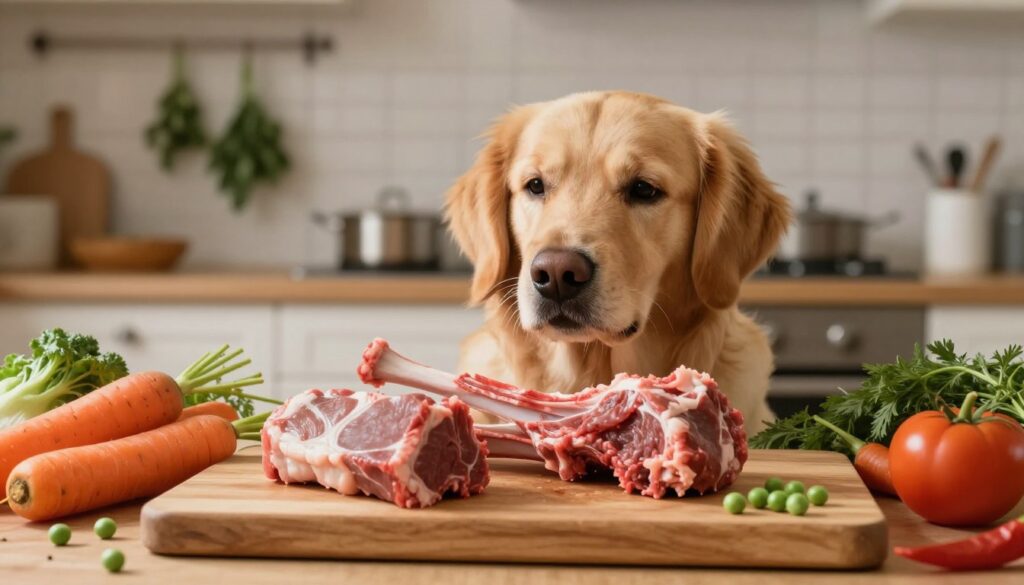
Debunking the Grain-Free and Lamb Connection
Many think that lamb for dogs means no grains. But lamb works well with grains like brown rice, oats, or barley. These grains give dogs the fiber and energy they need.
Don’t skip grains just because you want lamb. Unless your vet says your dog can’t have grains, there’s no need to avoid them. Balanced nutrition comes from a mix of foods, not just one type.
Addressing Concerns About Heavy Metals and Contaminants
Some worry that red meats, like lamb, might have heavy metals. But the pet food industry in the U.S. is closely watched. Good brands test their ingredients to make sure lamb for dogs is safe.
If you’re worried, pick brands that are open about their ingredients and testing. Using high-quality, human-grade ingredients lowers the risk of bad stuff. Safety and quality control are key for pet food makers.
Clarifying the Difference Between Lamb and Mutton
Lamb and mutton are not the same. Lamb is from a young sheep, while mutton is from an older one. This affects the meat’s taste and texture.
When you see lamb for dogs on a label, it’s a tender, young protein. Mutton is tougher and tastes stronger, which some dogs might not like. Knowing this helps you choose better food for your pet.
Conclusion
Choosing the right food for your pet is key. Lamb is a great protein source that helps with muscle and skin health. Look for brands like Orijen or Acana for the best quality.
By checking ingredient labels, you can boost your dog’s health. Choose foods with whole meats and avoid fillers. This ensures your dog gets the nutrients they need.
Your vet is a great resource for a diet plan that fits your dog. They can help avoid problems like allergies. This keeps your dog healthy for many years.
Watch how your dog reacts to new foods. Pay attention to their energy and coat. Good food now means a happy, active life for your dog.