Which Is the Most Dangerous Dog in the World? A Breed Comparison
Ever felt scared when a big animal comes near you at the park? It’s a common feeling, but it’s often based on misconceptions. Many look for the most dangerous dog in the world, hoping for a simple answer.
But saying a certain breed is always aggressive is not true. Your dog’s behavior is more about where it lives, how it’s trained, and the love it gets. These things shape your pet’s personality more than its breed.
Knowing the history of these animals helps us overcome fear. By looking at the facts, you can be a better responsible owner and support your pet. Let’s learn how to make our communities safer through education and understanding.
Table of Contents
Defining Dangerous Dog Behavior and Aggression
Why do some dogs act dangerous while others stay calm? It’s not just about looks. An aggressive dog temperament is complex. True aggression means wanting to harm, not just reacting or getting excited.
The Role of Genetics in Canine Temperament
Genetics shape how dogs see the world. Traits like high prey drive or territorial instincts come from breeding. These traits don’t make a dog dangerous by themselves, but they affect how they react to things.
Good breeders care about a dog’s temperament as much as its looks. Dogs without the right genes might be more scared or reactive. Knowing these genetic traits helps us understand aggressive dog breeds.
Environmental Factors and Socialization
Genetics set the stage, but your environment shapes the outcome. Early socialization is key to stopping dangerous dog behavior. Dogs that meet many people and experiences as puppies are usually more calm and less reactive.
“A dog’s behavior is a mirror of its environment, training, and the consistency of its human leadership.”
Bad training, neglect, or abuse can change a dog’s natural ways. Even breeds known for being calm can become aggressive if raised badly. Positive training is the best way to teach a dog good behavior.
Understanding the Difference Between Aggression and Protection
Many people mix up a dog’s protective instinct with aggression. A protective dog is alert but cautious. An aggressive dog is scared, trying to dominate, or lacks control. Knowing the difference is key for safety.
| Behavioral Trait | Protective Instinct | True Aggression |
|---|---|---|
| Primary Motivation | Guard family/territory | Fear, dominance, or pain |
| Body Language | Alert, stiff, focused | Snarling, lunging, snapping |
| Response to Command | Usually obedient/controllable | Often unresponsive/unpredictable |
| Context | Specific threats only | Generalized or unprovoked |
By noticing these small differences, you can handle your pet better. Spotting these signs early helps prevent problems. Training and clear communication are the best ways to manage aggressive dog breeds.
The Statistical Reality of Fatal Dog Bites in the United States
Looking at fatal dog bites shows a more complex story than what media often shares. The truth behind dog-related deaths involves many factors, not just physical traits. It’s important to see beyond breed labels and understand the context of each case.
How Data Collection Influences Breed Perception
In the United States, collecting data on dog bites is not straightforward. There’s no single database that tracks every incident accurately. Researchers use a mix of media reports, insurance claims, and hospital records.
This method has its challenges in identifying aggressive dog breeds:
- Inconsistent reporting: Different places have different ways of documenting dog attacks.
- Media influence: Some breeds get more attention than others due to high-profile incidents.
- Lack of verification: Many times, people who don’t know dogs well try to identify breeds.
The Impact of Reporting Bias on Breed Statistics
How we see dog breeds is greatly influenced by reporting bias. When a dog bites, the breed is often guessed by someone who’s not an expert. This can lead to wrong guesses about mixed-breed dogs.
Also, the danger of certain breeds is often overemphasized. Important factors like the dog’s environment and training are often ignored. These elements are crucial in preventing fatal dog bites.
Pit Bull Terriers and the Debate Over Breed-Specific Legislation
The Pit Bull Terrier is often at the heart of discussions about deadly canine breeds. Many places in the United States have laws targeting this breed. It’s important to look at the facts behind these laws to see how they affect dog owners.
Historical Context of the Pit Bull Breed
The term “Pit Bull” actually refers to a group of breeds, not just one. These include the American Pit Bull Terrier and the American Staffordshire Terrier. They were once valued for their versatility on farms and as loving family pets. They were known for their smarts, agility, and loyalty.
But, over time, their reputation changed. They became linked to illegal activities. This shift has greatly influenced how people view them today. Many say the breed’s true nature is far from the aggressive image often shown in media.
Physical Capabilities and Bite Force Myths
One common myth is that Pit Bulls have a “locking jaw” or an extremely high bite force. But, science shows this isn’t true. They don’t have a special jaw mechanism that lets them lock their jaws during a bite.
While they are strong, they are not the most deadly canine breeds just because of their strength. The table below clears up some common misconceptions about their physical traits compared to other large breeds.
| Myth | Scientific Reality | Impact on Perception |
|---|---|---|
| Locking Jaw Mechanism | Non-existent in all dogs | High fear factor |
| Extreme Bite Force | Comparable to other large breeds | Exaggerated danger |
| Inherently Vicious | Behavior is shaped by training | Legislative bias |
It’s key to understand these myths for any dog owner. By focusing on individual behavior rather than breed stereotypes, you can better handle the challenges of owning a powerful dog. Laws often miss the real reasons for aggression, which usually come from human mistakes, not the breed itself.
Rottweilers and the Balance of Guarding Instincts
Rottweilers are known for their loyalty and protective nature. Originally bred for hard work, they have a strong sense of duty. This rich working history shapes their behavior today.
Understanding the Rottweiler Protective Drive
Rottweilers protect their family out of deep devotion, not malice. They watch over their home with quiet focus. If they see a threat, they act quickly and firmly.
“The loyalty of a dog is a gift that carries the weight of responsibility; to own a guardian is to commit to their guidance.”
Without clear leadership, a Rottweiler’s protective instincts can go wrong. They need structure to channel their energy positively. This ensures their guarding is a good thing.
Training Requirements for High-Drive Working Breeds
Training a Rottweiler needs consistent, positive reinforcement from the start. They are smart and need tasks to do. Socialization is key to teach them what’s normal and what’s not.
Getting help from a professional trainer is wise for new owners. A trainer sets the right boundaries. This turns their guarding into a reliable behavior.
| Trait | Level | Management Need |
|---|---|---|
| Protective Drive | High | Requires firm leadership |
| Trainability | High | Needs consistent mental stimulation |
| Socialization | Essential | Requires early exposure to strangers |
| Energy Level | Moderate | Needs daily physical activity |
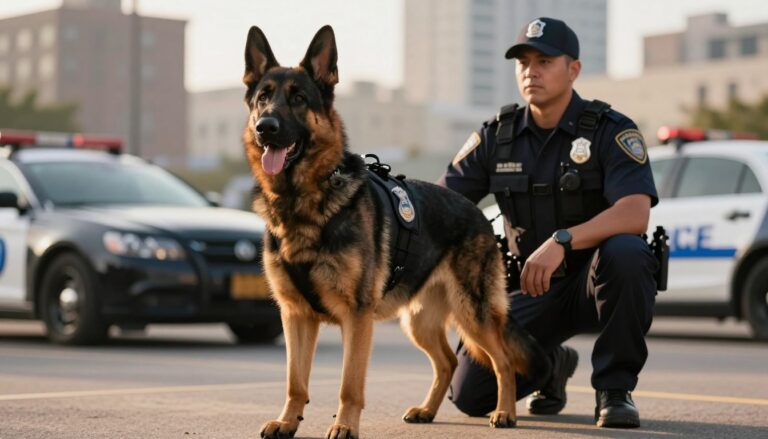
German Shepherds and the Risks of Improper Training
German Shepherds are very smart and work hard. But, without the right training, they can get into trouble. They need something to do to stay happy and calm.
The Versatility of the German Shepherd
German Shepherds are great at many things, like finding people and helping others. They are very loyal and can solve problems. But, they need a job to do every day.
They are also very sensitive to their surroundings. Without something to do, they might get destructive or protective. Giving them meaningful tasks keeps their minds sharp.
Why Professional Handling is Essential for This Breed
New owners often need help with German Shepherds. A trainer can teach them to behave well. This way, your dog knows its place in your family.
If your dog starts acting out, get help from a behaviorist. They can teach your dog to be calm and well-adjusted. With professional help, your German Shepherd will be happy and well-behaved for a long time.
Doberman Pinschers and the Perception of Lethal Canine Breeds
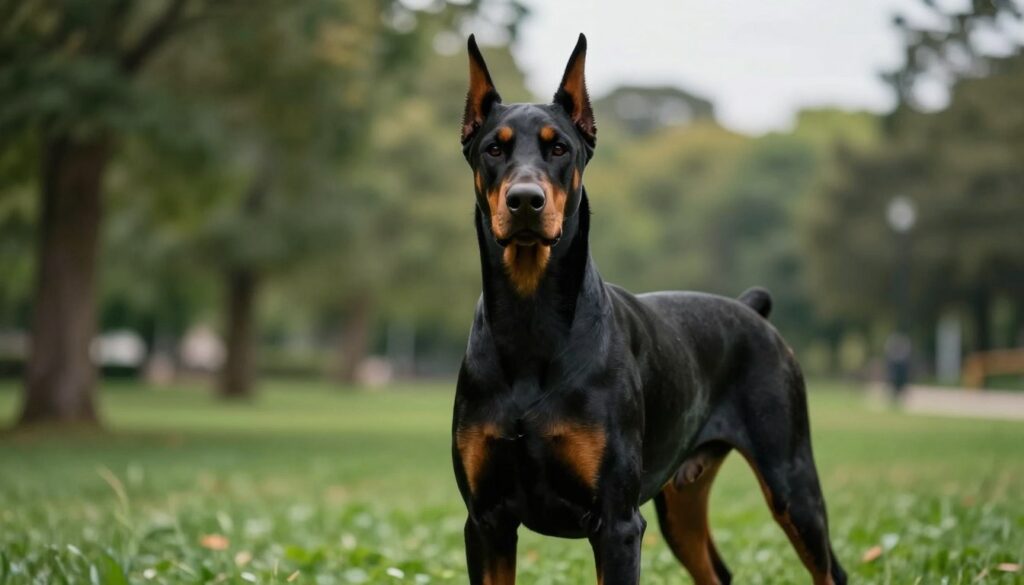
Doberman Pinschers often get a bad rap as lethal dog breeds. Their history as guard dogs is real, but today’s Doberman is more than that. Their reputation comes from movies and TV, not their real-life behavior in homes.
The Evolution of the Doberman Temperament
First bred in Germany for protection, the Doberman has changed a lot in a century. Breeders have made them less aggressive but kept their natural intelligence and loyalty. Now, they’re often service animals and search-and-rescue dogs.
Even with these changes, Dobermans still have a strong protective instinct. This is a good thing, not a bad one. With proper training, they become loving family pets who listen well to their owners.
Managing High-Energy Working Dogs in Domestic Settings
Having a Doberman means you need to keep them busy and mentally stimulated. They can get destructive if they don’t have something to do. Positive training helps them use their energy for good.
It’s important to be a strong leader with a Doberman. They need clear guidance to know who’s in charge. The table below shows how good management can change how people see these dogs.
| Trait | Misconception | Reality |
|---|---|---|
| Energy Level | Aggressive | High-Drive/Active |
| Protective Nature | Lethal | Alert/Watchful |
| Training Needs | Uncontrollable | Highly Trainable |
| Social Interaction | Dangerous | Loyal/Devoted |
Presa Canarios and the Dangers of Powerful Molosser Breeds
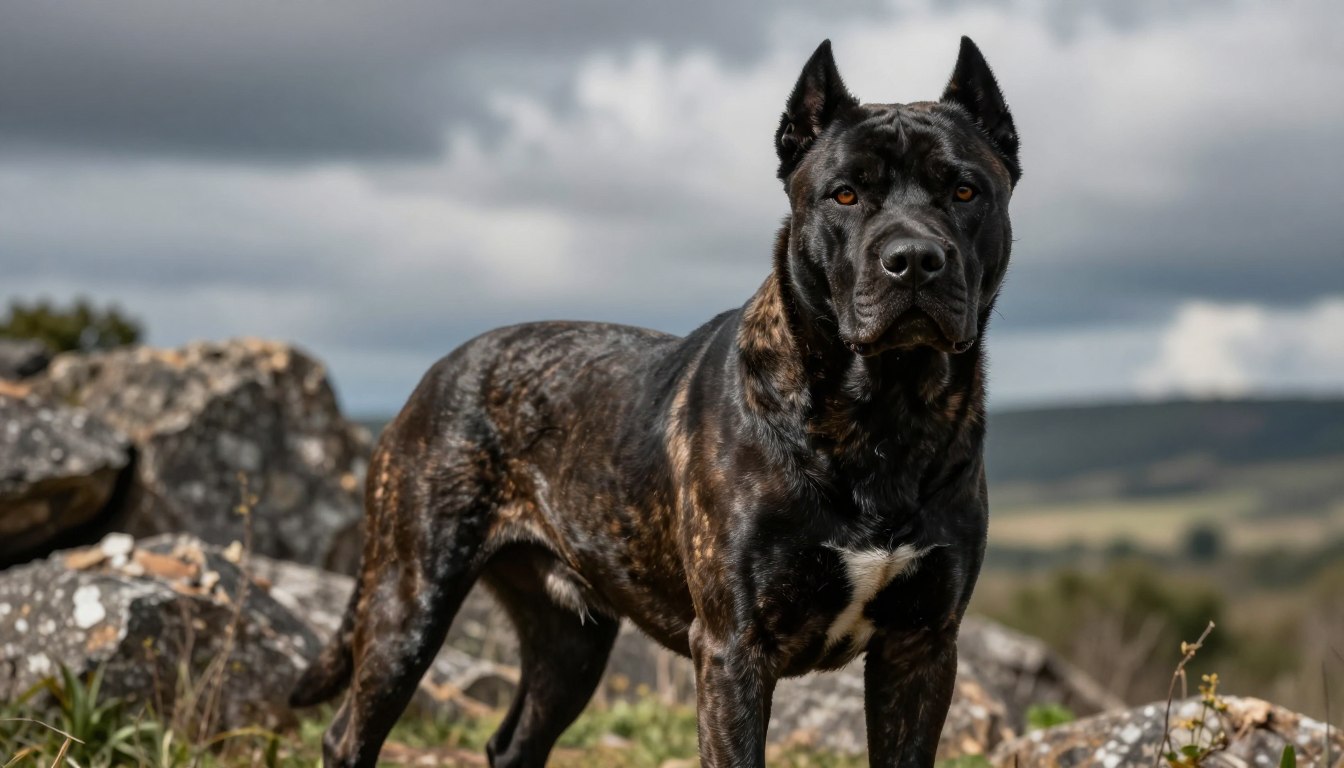
The Presa Canario is known for its size and strength. It comes from the Canary Islands and was bred for guarding and working with animals. Because of their intense energy and size, they are considered among the deadly canine breeds if not handled carefully.
Physical Traits and Potential for Damage
The Presa Canario is a big, muscular dog with a wide head and strong jaw. Their body is built for power, which can be dangerous if they get aggressive. This is why they are seen as one of the deadly canine breeds in the wrong setting.
Because of their size and weight, even a playful interaction can lead to injury. When they react defensively, the risk of serious harm is high. Their strength is not for the average pet owner.
The Importance of Experienced Ownership
Having a Presa Canario requires a lot of knowledge. They are not for beginners or those new to high-energy breeds. Consistent, firm, and positive training is key to keeping them well-adjusted.
Early and thorough socialization is crucial for this breed. Without it, their guarding instincts can become aggressive. If you own one of these deadly canine breeds, be ready to invest time in their education and behavior management.
Chow Chows and the Risks of Territorial Aggression
Many people think a Chow Chow’s independence means they are aggressive. This ancient breed has a dignified and reserved temperament. Their quiet nature can be seen as hostility by those who don’t know them.
Why Independence Can Be Misinterpreted as Aggression
The Chow Chow has a cat-like personality. They are naturally aloof and choose who they want to interact with. Unlike many breeds, they don’t need constant attention.
This doesn’t mean they are dangerous. But, if someone approaches them without respect, they might show defensive posturing. They see their home and family as things to protect, leading to behaviors seen as aggression.
Socialization Strategies for Aloof Breeds
Early and consistent socialization is key. Introduce your puppy to many people, places, and sounds. This helps them see the world in a balanced way and lessens the chance of seeing every new person as a threat.
Positive reinforcement works best with this breed. Reward them for staying calm when meeting strangers. Being a calm and consistent leader helps your Chow Chow handle social situations better.
The Most Dangerous Dog in the World: Is There a Single Answer?
Looking for the most dangerous dog in the world often misses the point. It’s not just about the dog’s breed. Human actions play a big role too. No single breed is more aggressive or unpredictable than others.
Studies show that a dog’s past, how it’s raised, and its environment matter more than its breed. Using breed labels to judge a dog’s risk is not enough. It can lead to unfair judgments or false safety feelings.

Why Breed Alone Does Not Determine Danger
Experts say focusing on lethal dog breeds misses the real reasons for aggression. A dog’s behavior comes from its genes, early life, and training. Even in the same litter, puppies can be very different.
A dog’s potential for harm changes based on how it’s raised and trained. Responsible ownership is key to preventing problems.
The Intersection of Human Negligence and Canine Behavior
Most serious incidents happen when humans and dogs don’t get along. If owners don’t train or socialize their dogs, even calm ones can become aggressive. Human error often plays a big part in incidents with lethal dog breeds.
To understand canine risks, look at these factors:
| Risk Factor | Impact on Behavior | Owner Responsibility |
|---|---|---|
| Early Socialization | High | Essential for development |
| Consistent Training | High | Required for obedience |
| Physical Containment | Moderate | Prevents public incidents |
| Breed Genetics | Low to Moderate | Managed through guidance |
The most dangerous dog in the world isn’t about its breed. It’s about the care and supervision it gets. By focusing on individual dog management, we can make our communities safer for everyone.
Recognizing Warning Signs of Impending Aggression
When you meet a dog, knowing its body language is key to staying safe. Many think dogs always bark or lunge before biting. But, most animals give subtle warnings before they act.
Spotting these early signs helps you stay safe. By paying attention, you can avoid danger in public.
Body Language Cues You Must Never Ignore
An aggressive dog temperament shows in certain physical ways. Look for a dog that stands still, showing it’s alert and possibly defensive.
Also, watch for the “whale eye,” where you see the white of the dog’s eye. Raised hackles along the spine mean the dog is scared or upset. Never ignore a low, rumbling growl, as it means you should back off.
“The most important thing to remember is that a dog’s body language is a conversation. If you ignore what they are saying, you are inviting a conflict that could have been avoided.”
De-escalation Techniques for Encountering an Aggressive Dog
If you face a dog showing aggressive dog temperament, how you react matters. Avoid eye contact, as dogs see it as a challenge. Keep your body turned slightly to the side.
Stay calm and avoid sudden moves or loud noises. If the dog comes towards you, stand still like a tree. Slowly back away once the dog loses interest. But never turn your back and run, as this may trigger a chase.
| Signal | Meaning | Recommended Action |
|---|---|---|
| Stiff Body | High Alert/Tension | Stop and back away slowly |
| Whale Eye | Anxiety/Fear | Give the dog more space |
| Growling | Warning/Threat | Retreat immediately |
| Tail Tucked | Extreme Fear | Do not approach or corner |
Learning these de-escalation skills is crucial for outdoor time. By understanding dangerous dog behavior, you can make safer choices. Always keep your distance and respect the dog’s space to avoid trouble.
Promoting Responsible Ownership to Prevent Vicious Dog Attacks
Stopping vicious dog attacks begins with your daily choices as a pet owner. It’s not just about the dog’s breed. Your dedication to training and management is key to keeping everyone safe. By being proactive, you can greatly reduce the chance of fatal dog bites in your area.
The Necessity of Consistent Obedience Training
Obedience training is more than just basic commands. It’s about building a strong communication bond with your dog. When your dog listens well, you can manage them in stressful situations. This is especially important for owners of big or strong dogs.
Being consistent is crucial. Practice these commands in different places to make sure your dog listens, even with distractions. A well-trained dog is less likely to act on impulse, which helps keep everyone safe.
Securing Your Property and Managing Public Interactions
Keeping your dog contained is a big part of being a responsible owner. Make sure your fence is high and strong to keep your dog in. Check your gates and latches often to make sure they’re closed tight. Even a small gap can be dangerous.
When you’re out with your dog, always keep them on a leash and use a good harness. Watch your surroundings and try to avoid situations that might upset your dog. This way, you protect others and help avoid fatal dog bites.
| Safety Practice | Primary Benefit | Frequency |
|---|---|---|
| Obedience Drills | Improved Control | Daily |
| Fence Inspection | Prevents Escapes | Weekly |
| Leash Training | Public Safety | Every Walk |
| Socialization | Reduced Anxiety | Ongoing |
Conclusion
Understanding your dog’s needs is key to managing their behavior. You are crucial in stopping vicious dog attacks by training and socializing them early. This builds trust in your home.
Instead of focusing on breed stereotypes, look at your dog’s temperament. Every dog needs a clear, structured home. Your efforts make your community safer.
Education is your best friend in having a good relationship with your dog. Stick to obedience training to avoid risks and encourage good behavior. Your actions create a safe space for everyone.
Join local training groups or organizations like the American Kennel Club to keep learning. Your active approach ensures your dog is well-adjusted. Committing to safety now means a lifetime of joy with your pet.