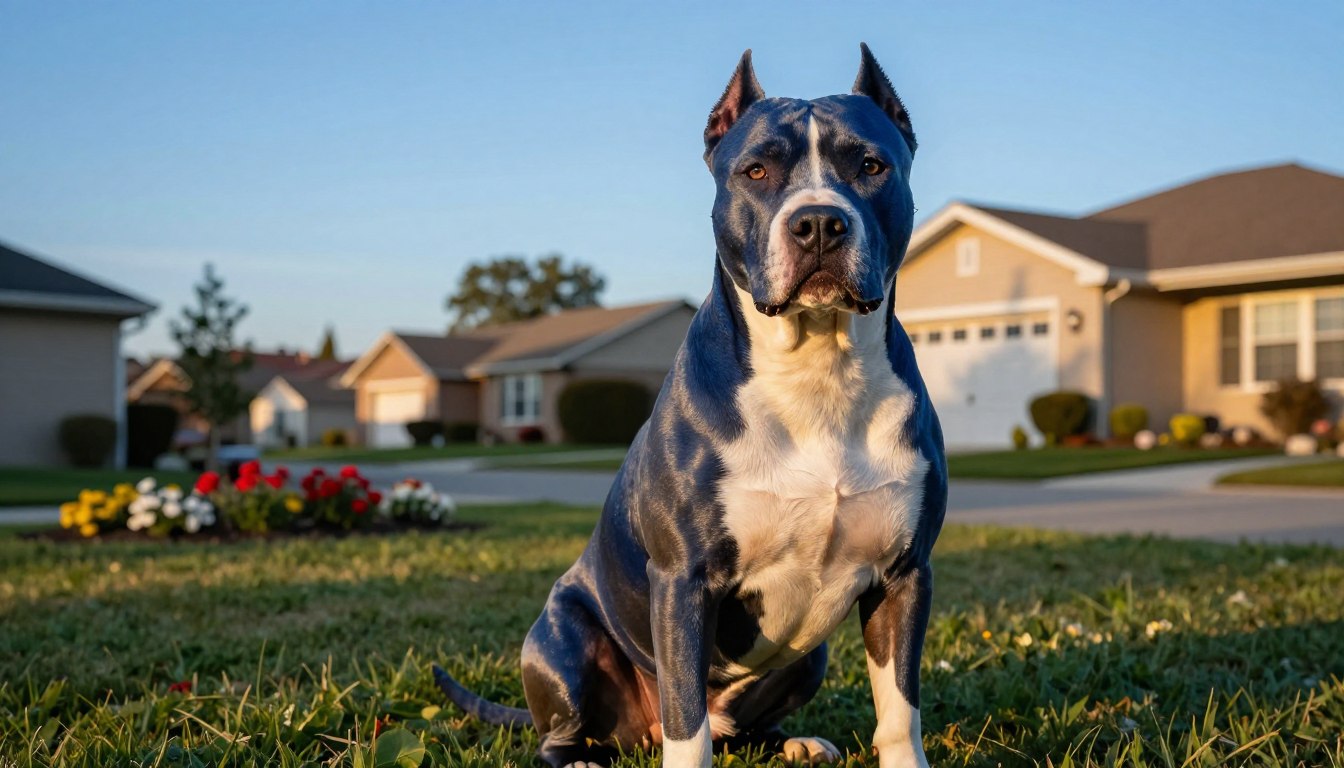
Most Dangerous Dog Breeds in the United States Today
You see your dog as a beloved family member. The bond between humans and pets is profoundly special. It brings comfort and loyalty that’s unmatched. But, it’s important to remember that not all animals react the same way to stress.
Every year, about 4 million Americans get bitten. This makes public safety a big concern for everyone. Knowing what makes dogs aggressive is key to preventing accidents in your area. Knowing which most dangerous dog breeds have certain traits helps you make better choices about training and socializing them.
By staying informed, you can keep your family and pets safe from harm. This guide will help you understand how environment, genetics, and human interaction affect animal behavior. Let’s work together to make our community safer for everyone.
Table of Contents
Understanding the Reality of Dog Attack Statistics
Looking into dog attacks statistics needs careful thought and context. Numbers are a good start for talking about safety, but they don’t tell the whole story. Think of them as a guide, not the only truth.
Interpreting Data from Animal Control and Hospitals
Records on dog-related deaths come from hospitals and animal control. These groups track incidents to spot trends and make areas safer. From 2005 to 2019, 522 Americans died from dog attacks.
Here’s a breakdown of those sad events over fifteen years:
- Pit Bulls and Rottweilers were in about 76% of all fatal cases.
- Hospital data often looks at how bad the injury was, not the dog’s past.
- Animal control often depends on what witnesses say, which can be not always right.
Why Breed Identification Can Be Subjective
One big problem with dog attacks statistics is trusting breed identification. Many reports are based on quick looks by people right after an attack. Since many dogs are mixed, guessing a breed by looks is very hard.
Reports might wrongly say a dog is a certain breed because of how it looks. This mistake makes the data not really show what the dog’s genetics are. When you see these stats, remember that guessing a breed is not always right.
Factors That Contribute to Aggressive Behavior in Canines
Some think certain breeds are naturally aggressive. But the truth is more complex. Genetics play a role, but so do a dog’s life experiences. A balanced temperament comes from both.
The Role of Socialization and Early Training
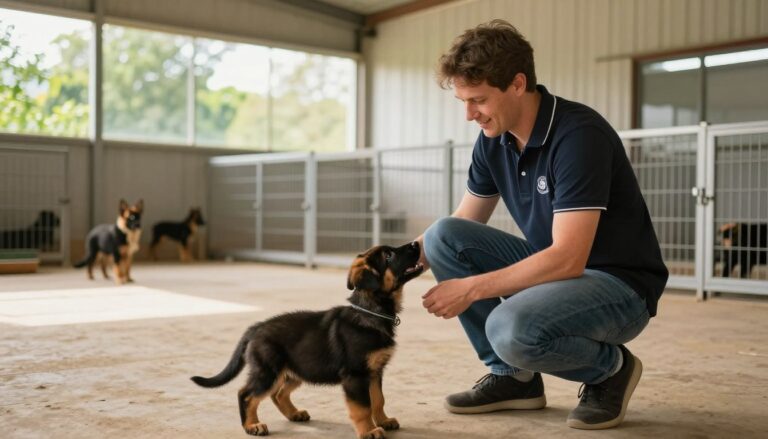
Early life shapes a dog’s view of the world. Puppies learn from people, sounds, and places during a key time. Consistent, positive reinforcement is key to avoiding future problems.
Training is more than just teaching tricks. It’s about clear communication and setting boundaries. Without it, even non-aggressive breeds can pick up bad habits. Stay patient and firm to help your dog feel secure and know what’s expected.
Environmental Triggers and Owner Responsibility
As an owner, you play a huge role in your dog’s life. Dogs are very sensitive to their surroundings and your emotions. Neglect, abuse, or inconsistent discipline can make them defensive.
Stressors like a chaotic home or isolation can lead to aggression. It’s your job to create a stable, loving space. By managing your dog’s environment, you can reduce aggression risks. Responsible ownership keeps your dog safe and happy.
The Most Dangerous Dog Breeds Often Cited in Reports
Why do certain dog breeds always make the news when it comes to dog attacks statistics? It’s not just about finding the most dangerous dog. The truth is more complex. We need to look beyond simple labels to understand dog behavior fully.
Analyzing Historical Trends in Bite Incidents
Looking at data from 2005 to 2019, we see a concerning trend. Pit bulls were involved in about 66% of all fatal dog bites in the U.S. This is surprising, given they make up a small part of all dogs.
But, these numbers aren’t the whole story. Reporting bias can skew the data. Dogs known for their strength are more likely to be correctly identified in reports. This can hide the real reasons behind these tragic events.
Distinguishing Between Breed Tendencies and Individual Behavior
It’s important to separate breed tendencies from an individual dog’s actions. A dog’s behavior is shaped by more than just genetics. It’s also influenced by its environment, socialization, and the care it receives from its owner. Saying a breed is the most dangerous dog overlooks the role of human responsibility in preventing aggression.
When looking at dog attacks statistics, remember these factors that can lead to incidents in your area:
| Factor | Impact on Behavior | Owner Responsibility |
|---|---|---|
| Early Socialization | High | Essential for temperament |
| Training Consistency | High | Prevents unwanted reactions |
| Environmental Stress | Moderate | Requires safe surroundings |
| Physical Containment | High | Prevents roaming incidents |
Pit Bulls and the Controversy Surrounding Breed-Specific Legislation
In America, the debate over pit bulls is intense. These dogs face strict laws in many places. The goal is to keep everyone safe while also protecting pet owners’ rights.

The Debate Over Genetic Predisposition
Some say pit bulls are naturally aggressive. They point to the breed’s history in fighting. This history might affect how they act today.
But others disagree. They say a dog’s behavior is shaped by how it’s raised, not just its breed. They think laws should focus on the dog, not the breed.
Impact of Local Ordinances on Ownership
Many cities have laws about pit bulls. Over 900 U.S. cities have such rules. These laws can be strict, affecting how you care for your pet.
These rules might include needing special insurance or a certain type of fence. They aim to keep everyone safe. But they can be hard to follow.
| Regulation Type | Primary Focus | Common Requirement |
|---|---|---|
| Breed Bans | Total Prohibition | Relocation of pets |
| Mandatory Insurance | Financial Liability | High-limit coverage |
| Containment Standards | Physical Security | Reinforced fencing |
| Leash Ordinances | Public Safety | Short-leash mandates |
The success of these laws is still debated. To follow the rules, it’s important to know what your local laws are. This helps keep your community safe.
Rottweilers and the Importance of Responsible Ownership
Thinking about getting a Rottweiler? It’s a big responsibility. These dogs are known for their strength and guarding instincts. They can be great friends but need an owner who knows how to care for them.
Understanding the Protective Instincts of the Breed
Rottweilers are naturally protective of their family and territory. This protective nature can make them wary of strangers. Without proper socialization, this can lead to aggression.
These dogs are involved in about 10% of fatal attacks. So, safety is key. Consistent socialization from a young age is crucial. It helps them know who to trust.
Training Requirements for Large Working Dogs
Training is a must for such powerful and smart dogs. You need to be a calm, firm leader. Rigorous obedience training should start early to set rules.
Many owners seek professional help with aggressive dog breeds. Use positive training methods to encourage good behavior. Daily training keeps your Rottweiler safe and happy at home.
German Shepherds and Their Role in Protection and Aggression
The German Shepherd is a versatile companion that can become a liability if its natural instincts are not properly channeled. These dogs are celebrated for their intelligence and loyalty. However, they are often seen as aggressive dog breeds when their protective nature is misunderstood. In the United States, they are linked to about 20 fatalities each year. Owners must ensure their dogs receive structured guidance to stay safe.
Balancing Working Drive with Domestic Life
German Shepherds have a high working drive from their military and police backgrounds. If you have one at home, you must provide consistent mental and physical stimulation to prevent boredom. Without a job, they may develop destructive habits or show unwanted territorial behavior.
Training is a lifelong commitment, not just a one-time event. Activities like agility, obedience, or scent work satisfy their need for purpose. By directing their energy into productive tasks, you lower the risk of them becoming aggressive dog breeds in your area.
Recognizing Signs of Over-Protectiveness
It’s crucial to tell the difference between a dog that’s alert and one that’s dangerously over-protective. A well-trained German Shepherd should be confident and calm, not reactive to every stranger or neighbor. Watch for subtle warning signs like stiff body posture, low growling, or intense staring when guests arrive.
If your dog shows signs of excessive guarding, get professional help from a certified trainer right away. Early intervention is key to managing these tendencies and keeping your family safe. Remember, responsible ownership is crucial to prevent your pet from becoming part of the aggressive dog breeds statistics.
Doberman Pinschers and the Misconceptions of Temperament
The Doberman Pinscher is often misunderstood because of its history as a guard dog. Despite being labeled as aggressive dog breeds, this overlooks their true nature. To understand them, we must look at their past and their role in today’s homes.
Historical Context of the Breed
In Germany, in the late 19th century, the Doberman was bred for protection. Karl Friedrich Louis Dobermann, a tax collector, wanted a dog that could protect him. This intentional breeding made them alert and protective.
Because of this, they became known for security work. This led to a belief that they are always dangerous. But, their history is just part of their story.
Modern Temperament and Family Suitability
Today, Dobermans are not just guard dogs. With the right training and socialization, they become devoted family companions. They are smart and form strong bonds with their owners.
Some reports say they bite, but these are usually due to bad training or handling. With proper care, you can avoid the risks of aggressive dog breeds.
Whether a Doberman is right for you depends on your commitment to them. They need mental and physical challenges. With responsible ownership, you can enjoy their loyalty and protection.
Other Riskiest Dog Breeds to Be Aware Of
There are dog breeds that need a lot of knowledge from their owners. These pets have special traits that require a lot of training and experience. This is why some animals are considered riskiest dog breeds.
Some dogs are known for being riskiest dog breeds because of their history and physical abilities. Knowing these traits helps owners decide if a dog is right for them.
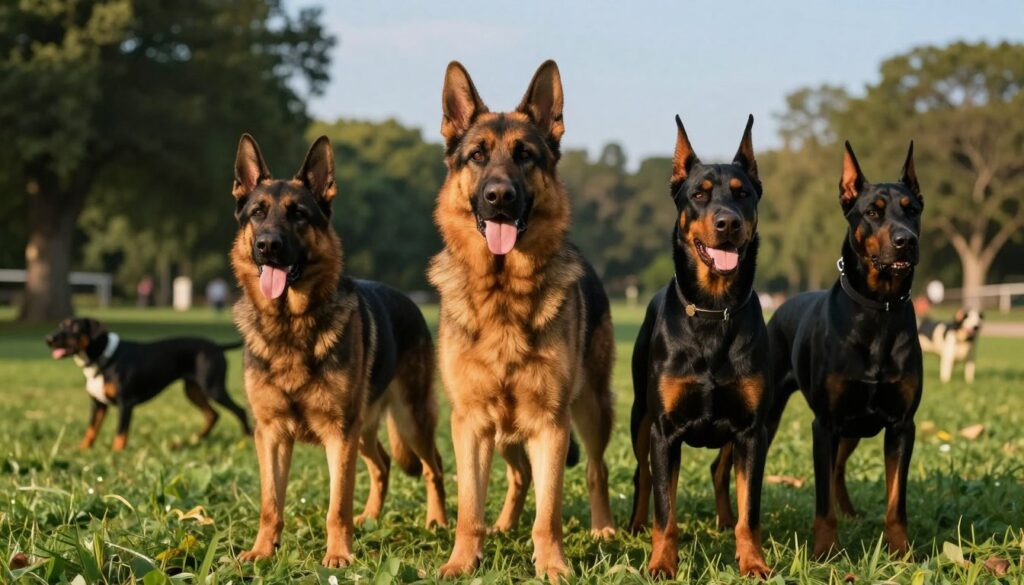
Presa Canarios and Their Physical Power
The Presa Canario is a big, strong dog breed. They were made for working with animals and guarding places. Their size and strength can be hard to handle if they’re not socialized early.
Because of their size and protective nature, they can be dangerous if not handled by an experienced person. They need consistent, positive training to be safe in a home.
Akitas and Their Independent Nature
Akitas are very loyal to their families but also very independent. They can be cautious around strangers and may not get along with other dogs. This makes them a dangerous dog to avoid for new owners.
They don’t always listen to commands because of their independent nature. Owners need to provide clear guidance and socialize them early to keep them safe.
Chow Chows and Territorial Behavior
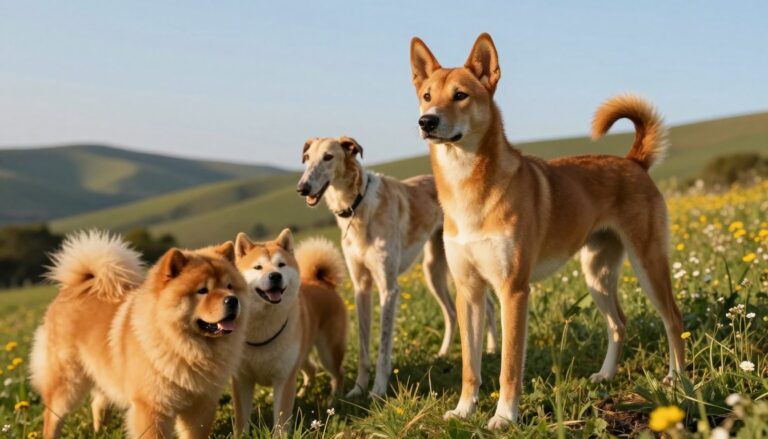
Chow Chows are known for their unique look and strong territorial instincts. They see their home and family as things to protect, which can make them aggressive to visitors.
It’s also important to note that wolf-dog hybrids are considered high-risk pets. Their wild nature and unpredictable behavior make them not suitable for most homes. They often lack the domestic behavior needed for safe interaction.
How to Prevent Dog Bites and Protect Your Family
Keeping your family safe around dogs starts with being proactive. Understanding animal behavior helps you prevent dog bites. Being aware is key to a safe environment for everyone.
Reading Canine Body Language
Dogs mainly communicate through their posture and facial expressions. A relaxed dog has a soft gaze and a loose wagging tail. But, watch for signs of tension, like a stiff body, pinned ears, or a rigid tail.
If a dog shows the whites of its eyes or growls, it’s feeling threatened. Always give the animal space if you see these warning signs. Respecting these boundaries is crucial for protecting yourself from dog attacks.
Teaching Children Safe Interactions with Dogs
Children are often at risk of dog bites because they may not notice warning signs. Teach them to always ask an owner for permission before petting a dog. Tell them to let the dog sniff their closed hand first, not to reach over the animal’s head.
It’s also important to teach children not to disturb a dog that is eating, sleeping, or caring for puppies. Supervision is essential when children and dogs are together. Encourage calm behavior to keep interactions safe for both the child and the pet.
What to Do During a Potential Attack
If you face an aggressive dog, your reaction is crucial. Do not run, as this can trigger the animal’s chase instinct. Instead, stand tall and keep your hands at your sides to avoid appearing as a threat.
Try to place a solid object, like a backpack or jacket, between you and the dog. If you are knocked down, curl into a ball and protect your head and neck with your arms. Staying calm and avoiding direct eye contact can help de-escalate the situation until you can safely retreat.
Navigating Dangerous Dog Laws in the United States
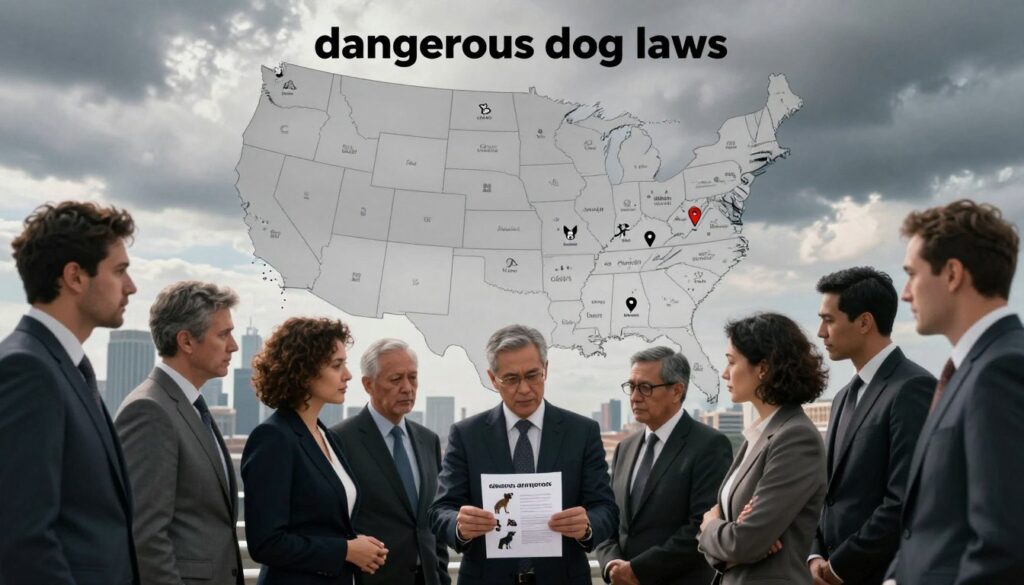
Keeping your community safe means knowing the dangerous dog laws in your area. These laws change a lot from state to state. It’s important to know the rules where you live to avoid trouble and be a good pet owner.
State-Level Regulations and Liability
Dog bite laws vary across the country. Some places follow the “one-bite rule,” while others have strict liability laws. For example, Indiana is a strict liability state. This means owners are always responsible for damages, even if their dog has never been aggressive before.
This could mean you have to pay for medical bills and other losses if your dog hurts someone. Always check your local laws, as cities can have their own rules that are stricter than state laws.
| Liability Type | Definition | Owner Responsibility |
|---|---|---|
| Strict Liability | Owner is liable regardless of history | Full financial accountability |
| One-Bite Rule | Liability requires prior knowledge | Conditional based on history |
| Negligence | Liability based on lack of care | Proved through failure to control |
The Role of Insurance and Homeowner Requirements
Your homeowner or renter insurance is key in managing dog ownership risks. Many insurers ask if you have a high-risk breed. Not telling them could mean no coverage if your dog hurts someone.
Insurance companies use dangerous dog laws to set premiums or decide what’s covered. Having enough liability coverage is crucial to protect your money in case of a lawsuit. Always check your policy to make sure you’re covered.
Reporting Dangerous Dogs in Your Community
If you see a dog that’s aggressive or a threat, act fast. Tell local animal control or police. Reporting helps keep everyone safe by tracking dangerous dogs.
Give as much detail as you can when you report, like where and when you saw the dog. Helping authorities keeps your neighborhood safer. Remember, talking to them early can prevent big problems later.
Conclusion
Owning a dog brings joy and companionship to your home. You play a key role in shaping your pet’s personality through care and guidance.
Early socialization helps your dog feel confident in the world. Proper training makes sure your dog fits well in your family and community.
Large or powerful breeds need extra care for their physical and mental health. Make sure to use secure fencing and reliable leashes to keep them safe in public.
Knowing your dog’s traits helps you manage risks. This knowledge keeps everyone safe by following local laws and insurance rules.
Your dedication to being a responsible dog owner makes the world safer. Teach your neighbors about safety to build a community that respects and cares for each other. Always be watchful to prevent accidents and ensure dogs and people get along well.