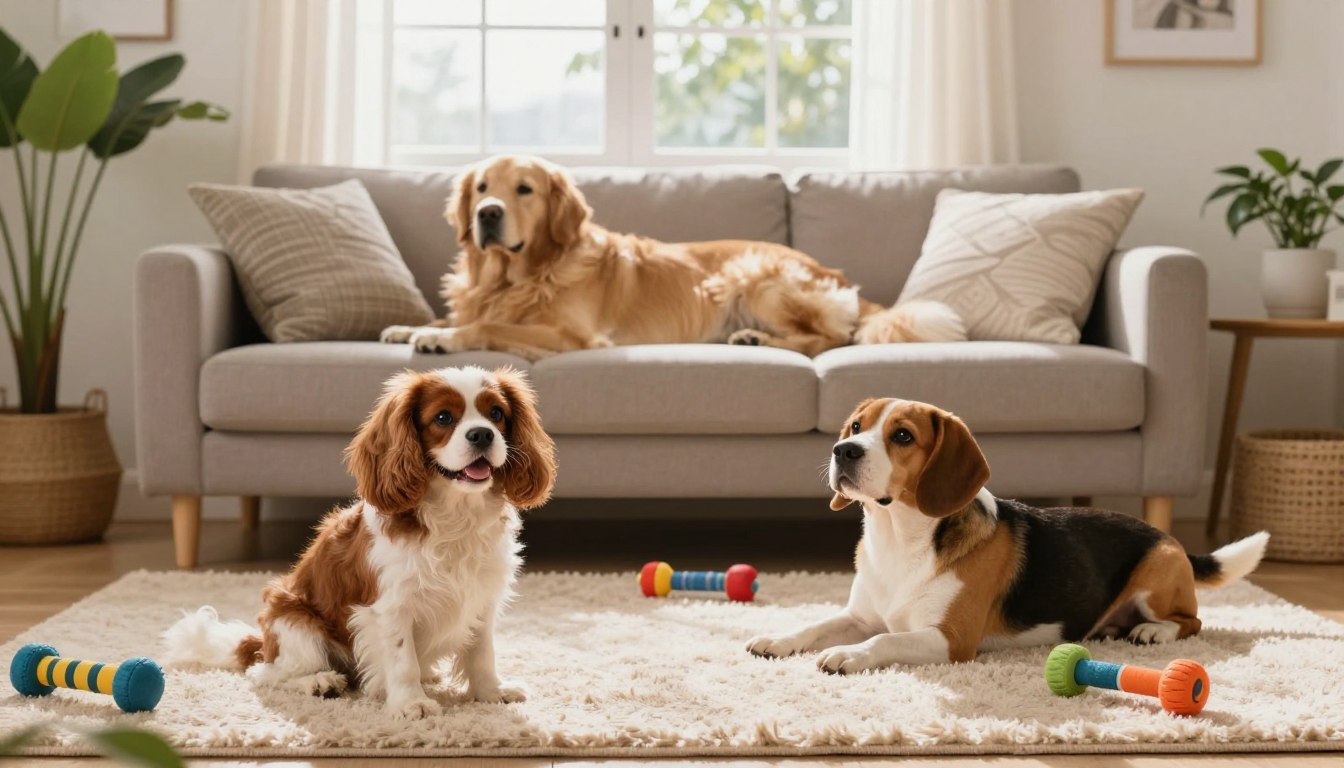
Good Dogs for Inside: Top Indoor Breeds for Apartment Life
Do you ever look at your quiet apartment and wish for a loyal companion to greet you at the door? Many people think city living means giving up on pets. But, you don’t need a big backyard to have a happy pet.
Finding good dogs for inside homes is about matching their energy to your life. Many breeds love small spaces and give lots of love without needing to go outside all the time. By picking the right breed, you can easily add a pet to your city life.
Start by understanding your own lifestyle. Do you like long walks or cozy nights on the couch? There’s a breed that fits your needs perfectly. Let’s look at how to pick and care for your new best friend in a small home.
Table of Contents
Understanding the Needs of Apartment Dogs
Finding the right dog for your home means looking at their personality and daily needs. Many people think a small dog is best for a small space. But, when searching for the best indoor dog breeds, size isn’t everything. You need to find a dog that fits your lifestyle.
Evaluating Temperament and Energy Levels
A dog’s temperament is key to knowing if they’ll be happy in an apartment. Look for breeds that are calm and happy to relax when you’re away. Dogs with lots of energy can get destructive if they’re stuck in a small space.
Dogs with moderate energy are usually the best for city living. They enjoy a quick walk or playtime but also love to chill on the couch. Finding a dog with a balanced personality is crucial for a happy home.
The Importance of Size and Noise Sensitivity
Size is important for moving around in small spaces, but noise sensitivity is just as crucial. Too much barking can upset neighbors. Choosing a quiet breed is a smart move.
Think about how your dog will handle the sounds of an apartment. A dog that’s easily scared might not do well. But a calm, confident dog will likely be happy. Here’s a table to help you decide.
| Trait | High Suitability | Low Suitability |
|---|---|---|
| Energy Level | Low to Moderate | Very High |
| Barking Tendency | Quiet/Reserved | Alert/Vocal |
| Adaptability | High | Low |
| Independence | Moderate | High Separation Anxiety |
By considering these traits, you can find the best indoor dog breeds for you. A happy dog comes from matching their needs with your home.
Top Small Breeds That Are Good Dogs for Inside
Finding the right pet for your apartment means looking for certain traits. You need a pet that is calm and fits your space well. These breeds are great for small homes because they don’t need big yards.
French Bulldogs: The Ultimate Urban Companion
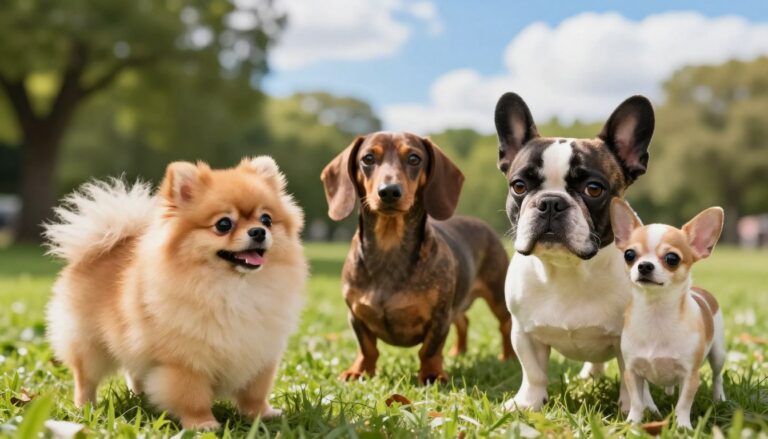
French Bulldogs are perfect for city living. They are small and calm. They don’t bark much, which is great for neighbors.
They need little exercise, making them ideal for indoor living. They love short walks and relaxing at home.
Cavalier King Charles Spaniels: Affectionate and Adaptable
These dogs love spending time with you. They are very adaptable and can go from walks to naps easily. Their calm nature makes them perfect for small spaces.
Pugs: Charming Personalities for Small Spaces
Pugs have lively and charming personalities. They don’t need a lot of space to be happy. They love to follow you around the house.
They are sturdy but small, making them great for indoor living. They are affectionate and easy to care for.
Medium-Sized Companions for Urban Living
Looking for the best indoor dog breeds often means missing out on medium-sized dogs. These dogs fit well in city homes, even without a big backyard. They are sturdy and reliable, making great roommates for apartments.
Bichon Frise: Playful and Hypoallergenic
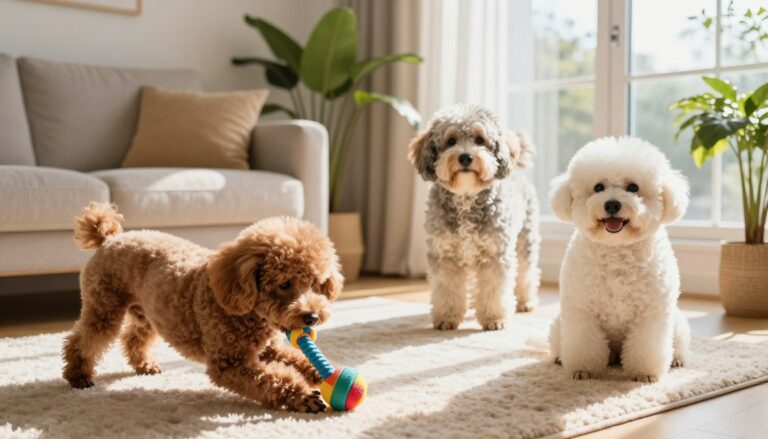
The Bichon Frise is great for those with allergies or who want a clean home. They are highly trainable and always cheerful. This makes them one of the best indoor dog breeds for small spaces.
Basenji: The Quiet Hunter for Apartment Dwellers
The Basenji is perfect if you worry about noise from your dog. They are known as the “barkless dog” and are very quiet. They are independent thinkers who prefer a calm place, ideal for busy city folks.
Whippets: The Perfect Couch Potatoes
Whippets are basically professional couch potatoes. They look athletic but love to relax indoors. They are gentle and quiet, proving you don’t need a big house to keep a medium-sized dog happy.
Low-Energy Breeds Perfect for Relaxed Indoor Environments
Many people think all dogs need to be active all the time. But some breeds are happy to just relax all day. If you want a calm home, picking one of the best indoor dog breeds can make a big difference. These dogs are okay with small spaces and don’t need lots of exercise to be happy.
Greyhounds: Gentle Giants of the Apartment World
Greyhounds might seem like they should be always on the move. But they are actually very calm. They love to rest, making them great for a quiet home.
Shih Tzus: Bred for Companionship
Shih Tzus are perfect if you want a dog that loves to be with you. They were made to be companions, so they love being close. Their affectionate nature means they’re always there to comfort you.
Japanese Chin: The Cat-Like Indoor Dog
The Japanese Chin is special because of its unique personality. They like to sit high up and groom themselves a lot. Their quiet nature makes them perfect for apartment living.
Essential Training Tips for Well-Behaved Indoor Dogs
Raising well-behaved indoor dogs begins with clear rules from the start. Living in a small space means your pet needs to know the house rules. This makes them feel safe and happy. Being consistent is key to a good training program in any apartment.
Establishing Consistent House Rules
Having clear rules helps your dog understand what’s expected. Decide which areas are off-limits and where they should sleep or eat. Consistency helps your dog learn faster and feel more at ease.
“The secret to a well-trained dog is not just the commands they know, but the consistency of the rules they live by every single day.”
Socialization Techniques for Shared Hallways
Socialization is crucial for dogs in shared spaces and busy cities. Introduce your pet to building sights and sounds slowly. Reward calm behavior when meeting neighbors or other pets to build positive associations.
- Practice walking calmly on a leash in quiet corridors first.
- Use high-value treats to reward focus on you rather than distractions.
- Keep interactions with strangers brief and controlled to build confidence.
Addressing Barking and Separation Anxiety
Managing noise and solitude is key in training indoor dogs. Use white noise machines to block out hallway sounds. Puzzle toys can keep them busy when you’re away.
For separation anxiety, start with short absences and gradually increase time. Patience is crucial as your pet learns you always come back. Stay calm and provide mental stimulation for a peaceful home.
Creating a Comfortable Indoor Environment for Your Pet
Turning your apartment into a pet-friendly space needs careful planning. It helps your well-behaved indoor dogs feel safe and happy. A well-organized home reduces stress and makes a peaceful place for all.
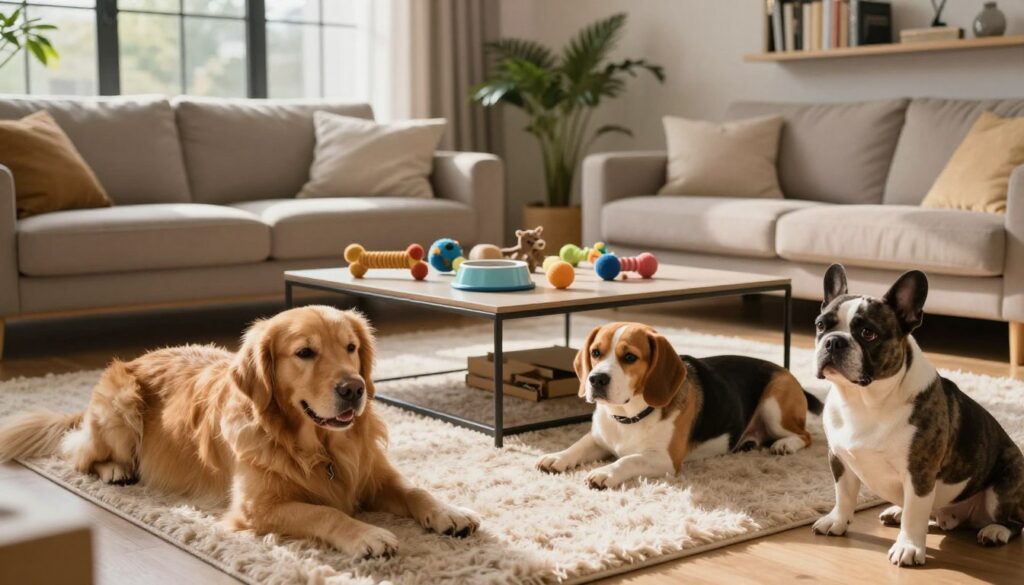
Designating a Dedicated Resting Zone
Dogs need a quiet spot to relax. Choose a cozy bed or crate for them in a quiet area. Providing a consistent sanctuary helps them know where to rest and recharge.
Choosing the Right Indoor Enrichment Toys
Mental and physical play are key in small spaces. Get puzzle feeders or interactive toys to keep your dog’s mind active. These are great indoor dog care tips to stop boredom and chewing.
Managing Air Quality and Pet Odors
Keeping your home smelling fresh is important. Use air-purifying plants like spider plants or Boston ferns. Regular cleaning routines, like vacuuming and washing bedding, also help keep your home clean.
By following these indoor dog care tips, your apartment will stay healthy. A clean, organized home helps strengthen your bond with your pet. A well-planned home is essential for raising well-behaved indoor dogs in the city.
Managing Exercise Needs in Limited Spaces
Turning your home into a place for active play is key to raising well-behaved indoor dogs. You don’t need a yard to keep your pet active and happy. Focus on quality, not quantity, to meet their needs.
Maximizing Indoor Playtime Activities
Mental and physical exercise are both crucial for apartment dogs. Puzzle toys are great for keeping your dog busy and preventing boredom. They challenge your pet, burning energy and keeping their mind sharp.
Here are some simple indoor activities to keep your pet active:
- Hide-and-seek: Hide treats or toys around the living room to encourage scent work.
- Tug-of-war: A classic game that provides great resistance training in a small area.
- Indoor fetch: Use soft toys to play fetch down a hallway without damaging your furniture.
Effective Leash Training for City Walks
Teaching your dog to walk on a leash is vital for city walks. Proper training makes outings stress-free for both you and your pet. Start training inside your apartment before going out.
Teach your dog to walk by your side without pulling. Use treats or praise when they walk nicely. Consistency is key in busy urban areas.
Utilizing Local Parks and Pet-Friendly Spaces
Your neighborhood might have more resources than you think. Local dog parks are safe for off-leash play and socializing. Always check the park rules to follow community guidelines.
Look for pet-friendly cafes or trails in your city too. These outings help your dog burn energy. Using public spaces keeps your pet healthy and happy.
Health and Grooming Considerations for Indoor Breeds
Living in a small space means your pet’s health and grooming are key. Keeping your home clean is easier with a regular pet hygiene routine. This ensures your home stays fresh and your dog is comfortable.
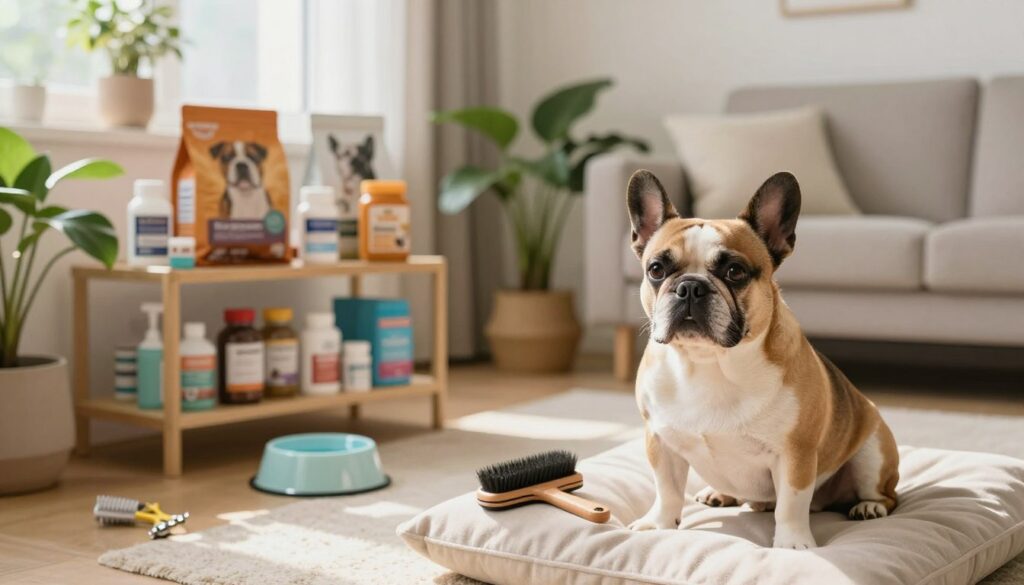
Maintaining Hygiene in Small Living Quarters
Regular grooming helps reduce dander and fur in your apartment. Choosing breeds that shed less can cut down on cleaning. Consistent brushing keeps your home clean and strengthens your bond with your pet.
Teach your dog to enjoy grooming by starting with short, positive sessions. Use treats to keep them calm. When grooming is stress-free, your dog will look forward to it.
Preventing Obesity Through Controlled Diet
Indoor dogs may not get enough exercise, leading to weight gain. It’s crucial to measure every meal to keep them at a healthy weight. Portion control helps prevent obesity and related health issues.
Don’t over-feed your dog with table scraps or too many treats. Use high-quality, measured portions as recommended by your vet. Regularly check your dog’s body condition to catch any weight changes early.
Routine Veterinary Care for Indoor Pets
Indoor dogs still need regular vet visits to stay healthy. Annual checkups help catch issues like dental disease or joint stiffness. Preventative care is more effective and cheaper than treating serious problems.
Keep a detailed record of your pet’s vaccinations and wellness exams. Following these indoor dog care tips ensures your pet has the best life. Your proactive care is the greatest gift for your furry friend.
Conclusion
Choosing the right pet can make your home lively. You have the power to make your pet feel safe and happy. It’s all about finding the right match for your lifestyle.
Many dogs do well indoors if you give them structure and love. Your hard work will create a strong bond with your pet. Understanding your dog’s personality is key to a great match.
Training your dog indoors needs patience and clear communication. Setting boundaries and rewarding good behavior builds trust. These steps lead to a happy home in the city.
Being a pet owner means always learning and adjusting. Try new things to make your dog’s life exciting. Share your experiences to learn more about happy dogs in small spaces.
Start by checking your schedule and space. Contact local shelters or breeders to find the perfect pet. Your new friend is ready to bring joy to your apartment.