Best Hunting Dogs Breeds for Every Type of Game and Terrain
There is a profound silence that falls over the woods just before dawn. In those quiet moments, your loyal companion stands by your side, ears perked and senses sharp. This ancient partnership has thrived for thousands of years, turning simple outings into unforgettable adventures.
Choosing the right partner is essential for success in the field. Whether you are navigating dense forests or open plains, finding the best hunting dogs breeds requires understanding their unique instincts. These animals have been refined over generations to excel at locating, flushing, and retrieving game with unmatched precision.
Our guide explores the top hunting dogs breeds to help you match a canine’s natural talent with your specific needs. By selecting the right teammate, you ensure a rewarding experience that honors this timeless bond. Discover the perfect hunting dogs breeds to elevate your time outdoors and create lasting memories with your faithful friend.
Table of Contents
Understanding the Categories of Hunting Dogs
To find your ideal hunting companion, you must first grasp the distinct roles that different breeds play in the field. When you browse a popular hunting dogs breeds list, you will notice that each animal has been refined over generations to master specific tasks. Recognizing these differences is the first step toward building a successful partnership.
The Role of Pointers and Setters
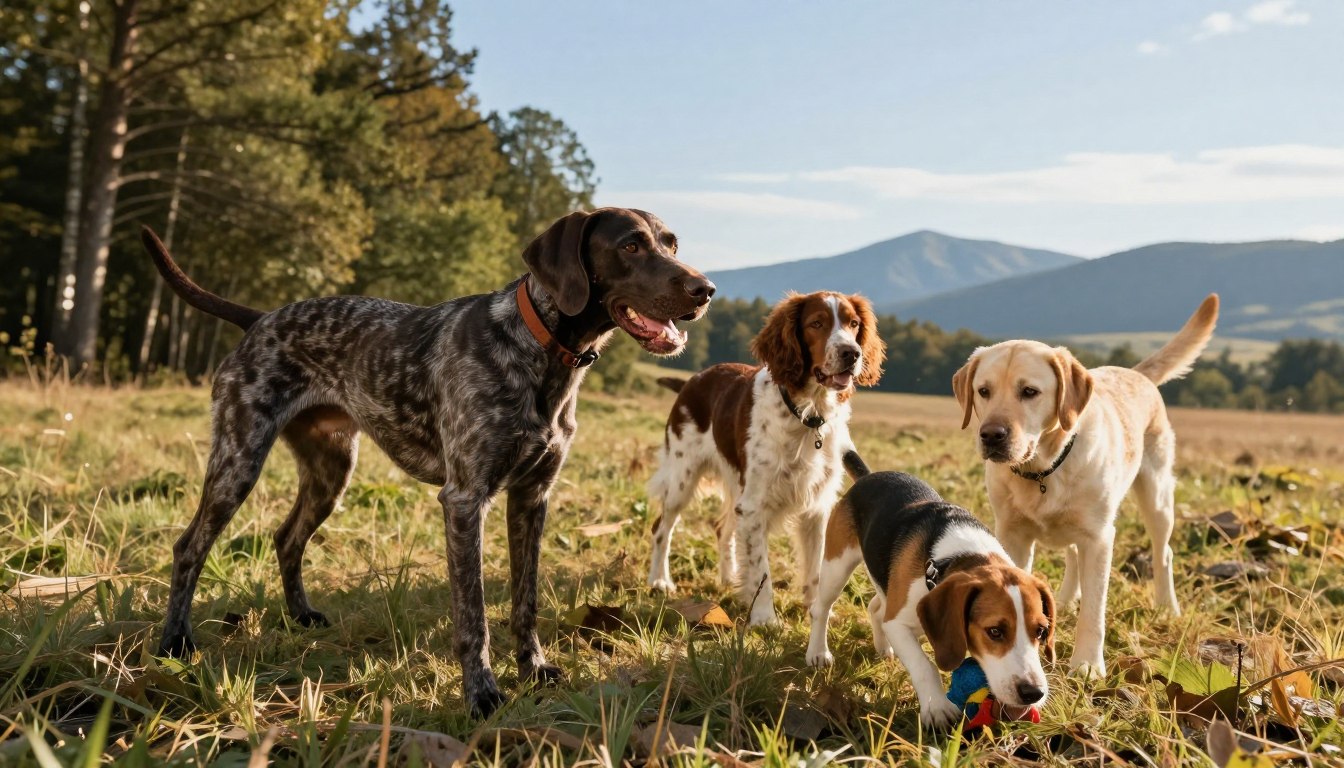
Pointers and setters are the quintessential bird dogs, bred specifically to locate game in open fields. These dogs use their keen sense of smell to detect birds, then freeze in a distinctive stance to alert you to the location. By studying a hunting dogs breeds list, you can identify which of these elegant animals best suits your local terrain.
The Versatility of Retrievers
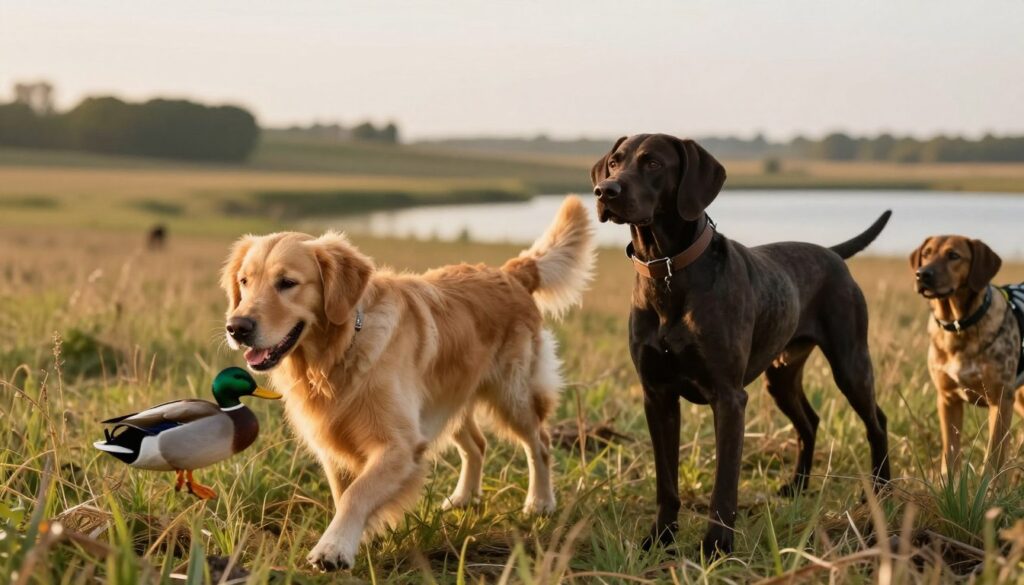
Retrievers are prized for their calm temperament and their ability to work in both land and water environments. These dogs are not just excellent swimmers; they are also highly trainable companions that excel at marking fallen game. Their versatility makes them a top choice for hunters who value a dog that can transition seamlessly from the field to the home.
“The true hunter knows that a dog is not merely a tool, but a partner whose instincts are the heartbeat of the hunt.”
The Tenacity of Hounds and Terriers
Hounds and terriers bring a different set of skills to the table, relying on raw endurance and grit. When evaluating hunting dogs breeds characteristics, you will find that these dogs are often independent thinkers designed to track or flush game from dense cover. Their natural drive ensures they stay on the trail until the job is finished.
| Category | Primary Skill | Best Environment |
|---|---|---|
| Pointers | Locating/Pointing | Open Fields |
| Retrievers | Soft-mouth Retrieval | Water/Marsh |
| Hounds | Scent Tracking | Forest/Brush |
| Terriers | Flushing/Denning | Dense Undergrowth |
Understanding these categories allows you to make an informed decision based on your specific hunting needs. Whether you require the precision of a pointer or the unmatched tenacity of a hound, matching the breed to the task is essential. Your commitment to learning these traits will pay off in every successful outing.
Top Hunting Dogs Breeds for Upland Game Birds
When you step into the open field, the right dog breed changes your hunting experience. They bring precision and instinct to the hunt. Upland bird hunting needs a dog that stays focused and works well with you over large areas.
These dogs must have the energy to cover a lot of ground. They also need to be smart enough to wait for you to arrive.
English Pointer: The Precision Specialist
The English Pointer is known for its speed and range. They were developed in England around 1650. These dogs show strong hunting instincts from as young as two months old.
Their natural ability to lock onto game makes them a top choice for those who need accuracy in the field.
German Shorthaired Pointer: The All-Around Performer
The German Shorthaired Pointer is great for those who need a dog for many tasks. They excel at pointing, retrieving, and tracking in different weather. Their flexibility lets them move easily from upland fields to marshy areas without losing focus.
English Setter: The Classic Upland Companion
The English Setter is known for its elegant style and gentle nature. They work at a steady pace, making them perfect for hunters who like a more relaxed hunt. Their deep bond with the handler means they stay responsive even in thick cover.
When choosing a breed, consider the following hunting dogs breeds comparison:
| Breed | Primary Strength | Terrain Suitability |
|---|---|---|
| English Pointer | High-speed searching | Open fields |
| German Shorthaired Pointer | Versatile performance | Mixed terrain |
| English Setter | Methodical tracking | Wooded and brushy areas |
- Stamina: All three breeds need regular exercise to stay in top shape.
- Training: Early exposure to birds helps develop their natural pointing instincts.
- Bonding: Spending consistent time in the field strengthens your bond with your dog.
Best Hunting Dogs Breeds for Waterfowl Retrieval
Retrieving waterfowl from icy waters needs a dog with special traits and a strong work ethic. You should look for intelligence and endurance in the best hunting dogs breeds. These dogs face cold, wet, and tough environments that need special protection.
Top retrievers have a dense, water-resistant coat that keeps them warm in the water. This coat helps them stay in the water for a long time without getting cold. They are also known for being eager to please and good at finding and bringing back game.
Labrador Retriever: The Gold Standard for Water
The Labrador Retriever is a top choice in the United States for hunting. Their short, waterproof coats protect them from cold and icy water. Their smart nature makes them easy to train for complex tasks.
Chesapeake Bay Retriever: Built for Harsh Conditions
The Chesapeake Bay Retriever is great for hunting in extreme conditions. They have thick, wavy coats that keep water out. Their toughness lets them move through thick vegetation and rough waves easily.
Golden Retriever: The Reliable Field Worker
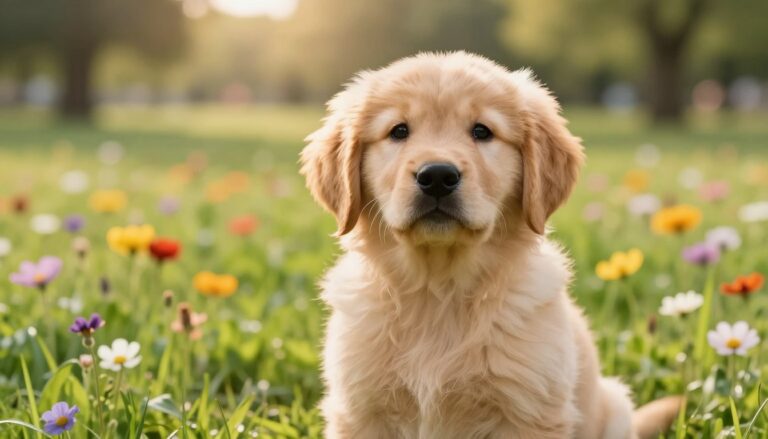
Golden Retrievers are a good mix of gentle and field-ready. They are very observant and have a soft mouth, which is crucial for delivering birds safely. Their thick coat keeps them warm in the field.
| Breed | Coat Type | Best Environment |
|---|---|---|
| Labrador Retriever | Short/Dense | General Waterfowl |
| Chesapeake Bay | Wavy/Oily | Harsh/Cold Water |
| Golden Retriever | Long/Water-repellent | Field & Marsh |
When comparing hunting dogs breeds, think about your hunting area’s climate. Each retriever has its own strengths for blind hunting, making them great partners.
Reliable Breeds for Big Game Tracking and Hunting
When hunting big game like bear, moose, or boar, choosing the right dog is key. These best hunting dogs breeds need courage, endurance, and a strong nose. For example, Norwegian Elkhounds have hunted with Vikings for centuries, keeping dangerous game at bay.
Choosing from a hunting dogs breeds list means you get a dog ready for long hunts. These dogs are for serious hunters who need a reliable partner. Knowing what each breed offers helps match a dog to your hunting style.
Black and Tan Coonhound: The Master of the Night
The Black and Tan Coonhound excels in tracking at night. They have a deep, resonant bay that helps you follow them. Their endurance is unmatched, making them great for hunting after dark.
Bloodhound: The Unrivaled Tracker
The Bloodhound is unmatched in scenting power. Their extraordinary olfactory senses find cold trails others miss. While calm at home, they’re determined on a track, offering precision for big game recovery.
Plott Hound: The Courageous Big Game Hunter
The Plott Hound is bold and aggressive, perfect for facing large animals. They’re known for their fearless nature and can stand up to bears or wild boars. If you need a dog with intelligence and grit, this breed is ideal for tough hunts.
| Breed | Primary Strength | Best For |
|---|---|---|
| Black and Tan Coonhound | Night Tracking | Raccoon and Bear |
| Bloodhound | Scent Precision | Tracking Wounded Game |
| Plott Hound | Courage | Boar and Bear |
Small Game Specialists for Forest and Field
Exploring dense forests and complex areas needs a dog with special skills for small game. You need a partner with agility and a great nose for rabbits or other small game. Knowing the hunting dogs breeds characteristics is key for success in these tough places.
Beagle: The Iconic Rabbit Hunter
The Beagle is a top choice for hunters because of its amazing scenting skills and endurance. These dogs are known for their loud baying, which helps you find them in thick brush. They work hard to chase out rabbits, making them a top pick for small game hunters.
Jack Russell Terrier: The Fearless Den Hunter
If you hunt by flushing prey from underground dens, the Jack Russell Terrier is perfect. These dogs are bold and full of energy, making them great at getting into tight spots. Their determination means no prey stays hidden for long in the field.
Dachshund: The Compact Ground Specialist
The Dachshund is made for precise work on the ground. Their small size lets them get into burrows and track small game that bigger dogs can’t. While scent hounds are common, breeds like the Pharaoh Hound also excel by using sight and speed to catch rabbits in open fields.
When picking a hunting partner, consider this hunting dogs breeds comparison based on their main field strengths.
| Breed | Primary Strength | Hunting Style |
|---|---|---|
| Beagle | Scent Tracking | Persistence |
| Jack Russell | Den Work | Fearless Agility |
| Dachshund | Ground Tracking | Compact Precision |
| Pharaoh Hound | Sight and Speed | Rapid Pursuit |
Matching Your Hunting Style to Dog Temperament
Many popular hunting dogs breeds are incredibly talented. But, their temperament must match your lifestyle. It’s not just about their skills; it’s about finding a companion that fits your environment.
A happy, well-adjusted dog comes from a balanced life. This balance is key both in and out of the field.
Assessing Your Activity Level and Hunting Frequency
Be honest about how much exercise you can handle. Some high-energy breeds need constant movement to stay calm. For example, Irish Setters need about two hours of exercise daily to stay healthy.
If you hunt only occasionally, a high-energy dog might not be the best fit. Make sure the breed’s drive matches your schedule. This prevents energy-related behavioral issues.
Considering Your Living Environment and Family Life
Your home setting is crucial when choosing a popular hunting dogs breeds. High-stamina dogs need a large, fenced yard. Also, think about whether you have small children or other pets, as some breeds have strong prey drives.
A dog that’s calm indoors is easier to live with. Look for breeds with an off-switch for relaxation. Your family’s needs should always guide your choice of a hunting companion.
Evaluating Your Experience Level with Canine Training
Training needs vary among different dogs. Some breeds are eager to please and learn quickly. Others are independent and need a firm, experienced hand. If you’re new to dog ownership, choose a breed known for its trainability and patience.
Consistent training builds a strong bond. Your commitment to daily practice is key, regardless of the breed. Use the table below to compare how different temperaments align with various lifestyles.
| Breed Category | Energy Level | Training Needs | Best Environment |
|---|---|---|---|
| Retrievers | High | Moderate | Active Family Home |
| Pointers | Very High | Advanced | Rural/Large Property |
| Hounds | Moderate | High | Active/Outdoor Focused |
| Terriers | High | Moderate | Engaged/Active Household |
Training Requirements for Different Hunting Dogs Breeds
Training a hunting dog is a rewarding journey. It turns raw instinct into a disciplined partnership. No matter the breed, the key is consistency and patience. You must establish clear communication before heading into the wild.
Foundational Obedience for Every Hunting Dog
Every successful field dog starts with rock-solid basic obedience. You should focus on commands like “sit,” “stay,” “heel,” and a reliable “recall” or “come” command. These skills keep your dog safe and under control in distracting environments.
Training sessions should be short, frequent, and positive. Use treats or praise to reinforce good behavior. This builds a strong bond between you and your dog. A dog that listens at home will listen in the field.
“The secret to a great hunting dog is not just in their breeding, but in the hours of quiet, consistent work you put in before the season ever begins.”
Specialized Field Training for Pointers
Once your dog masters basic commands, you can introduce breed-specific tasks. For pointers, this means teaching them to hold a “point” when they detect game. Use a wing on a string to encourage this natural behavior while keeping the dog steady.
It’s important to let the dog use its nose to explore the environment. Steadying drills are crucial to prevent the dog from flushing birds too early. This patience pays off when you finally reach the field together.
Water Introduction and Retrieval Drills
Water work requires a gentle approach to ensure your dog develops a love for the sport. Start by introducing your dog to shallow water on a warm day, allowing them to wade at their own pace. Never force a dog into the water, as this can create long-term anxiety.
Once they are comfortable, begin throwing bumpers or training dummies into the water. Gradually increase the distance to build their confidence and stamina. This progression is a hallmark of training hunting dogs breeds for beginners who want to ensure a positive experience.
| Training Phase | Primary Goal | Key Skill |
|---|---|---|
| Foundation | Obedience | Recall |
| Field Prep | Scent Work | Pointing |
| Water Work | Retrieval | Swimming |
By following these structured steps, you prepare your dog for the challenges of the season. Remember that every dog learns at a different speed. Staying consistent with these methods makes training hunting dogs breeds for beginners a manageable and enjoyable process for everyone involved.
Essential Health and Maintenance Considerations
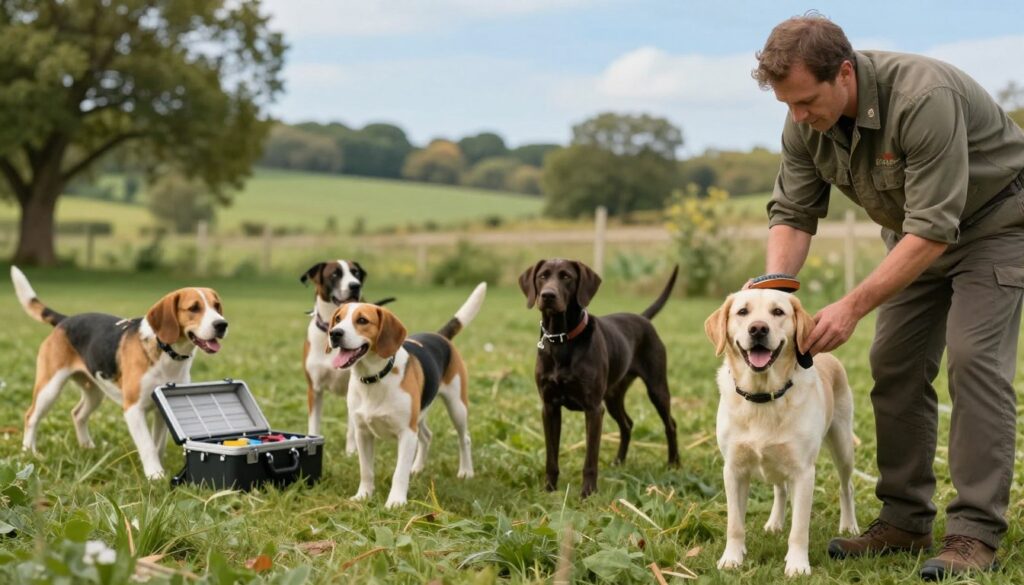
Whether you’re looking at hunting dogs breeds for beginners or for seasoned hunters, your dog’s health is key. A healthy dog will perform better, recover faster, and live longer. Keeping up with maintenance is crucial for a good partnership with your dog.
Nutritional Needs for High-Energy Working Dogs
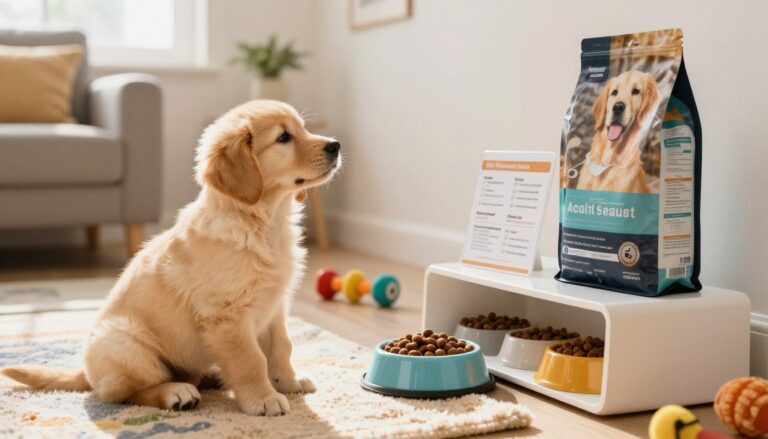
Working dogs need a special diet that’s different from pets. They need high-quality proteins and healthy fats to keep up with their intense energy output. Look for formulas that help with muscle recovery and joint health.
It’s also important to keep them hydrated during hunting days. Always have fresh water ready and offer it often to prevent exhaustion. Good nutrition means giving your dog the essential nutrients they need to stay sharp and alert.
Preventative Care for Field-Related Injuries
The wilderness can be dangerous for dogs. Check their paws for cuts, thorns, or cracked pads after every outing. Early detection of minor injuries can prevent serious infections that could end a season early.
It’s also important to watch the temperature. Avoid hunting in extreme heat to prevent heatstroke. Always carry a first-aid kit with antiseptic wipes, bandages, and tweezers for tick removal.
“The true measure of a hunter is not just the game they bring home, but the care they provide to the loyal companion at their side.”
Managing Breed-Specific Genetic Health Concerns
When choosing hunting dogs breeds for experienced hunters, knowing the breed’s genetic health is smart. Many breeds are prone to conditions like hip dysplasia, bloat, or eye disorders. Working with a reputable breeder who does health screenings can help reduce these risks.
Regular vet visits are crucial for monitoring these issues. Early treatment can greatly improve your dog’s quality of life. Use the table below to understand common health priorities for different hunting dog types.
| Dog Category | Primary Health Focus | Maintenance Tip |
|---|---|---|
| Pointers/Setters | Joint & Hip Health | Maintain lean body weight |
| Retrievers | Ear & Skin Care | Dry ears after water work |
| Hounds | Ear & Joint Care | Check for ticks in ears |
| Terriers | Dental & Skin Health | Regular grooming checks |
Conclusion
Choosing a dog is a big step that changes your time outdoors. You get a loyal friend who makes every trip better. It’s important to pick a breed that fits your hunting goals.
Think about what you need in a dog. Knowing the traits of different breeds helps you choose the right one. This choice is key to a strong bond with your dog.
How well you train and care for your dog matters a lot. Learning about different breeds helps you create the best home for your dog. Start looking for the perfect hunting dog for your next adventure.