Red Golden Retriever Guide Training Care and Traits
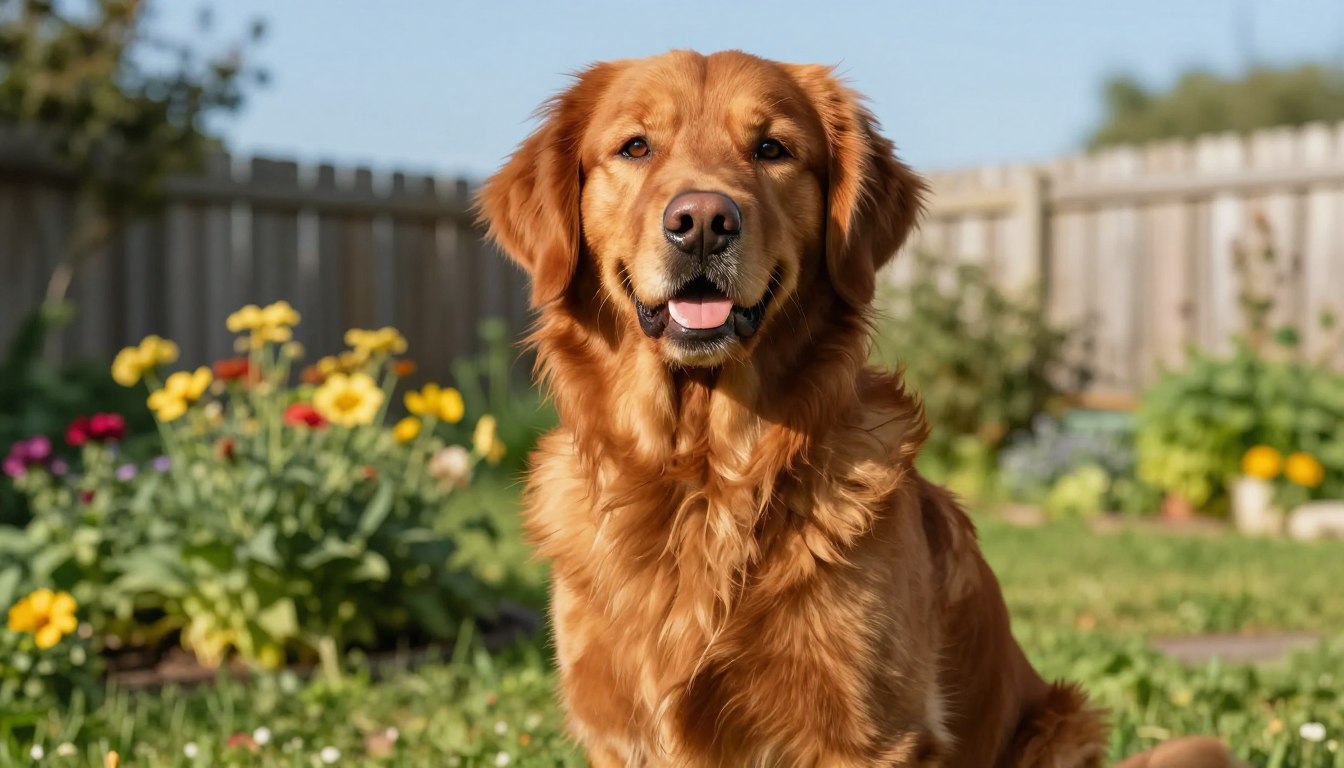
Welcoming a loyal companion can bring unique warmth to your home. You may notice a striking, deep-hued dog with a vibrant coat and soulful eyes. This red golden retriever is not a separate breed but a beautiful color variation of the classic family favorite.
Knowing the specific red golden retriever characteristics helps prospective owners prepare. These dogs share the gentle spirit of lighter cousins, but personalities and energy levels can vary widely. Responsible ownership means meeting their physical and mental needs with steady care.
This guide covers what you need to give your pet a happy life. It explains puppy selection, effective training techniques, and daily grooming habits. You will learn to manage exercise needs and support long-term health through proper care
Table of Contents
Understanding the Red Golden Retriever
Many people know the classic cream-colored dog, but the red golden retriever brings a vivid look within its breed standard. These dogs are not a separate breed. They are a variation with deeper, richer fur pigment.
What Makes a Golden Retriever Red
Inherited coat-color genes control the intensity of the golden pigment. The standard permits many shades, but a “red” or “mahogany” coat appears with more natural pigment.
This color is purely cosmetic. A red golden retriever has the same genetic makeup, intelligence, and friendly disposition as other dogs in the breed.
Red Golden Retriever Characteristics and Breed Standards
The red golden retriever characteristics match the official breed standards of lighter goldens. They have a balanced, athletic frame and a gentle, trustworthy expression, making them excellent companions.
Key physical traits include:
- A dense, water-resistant double coat that protects them in various climates.
- A broad, well-proportioned head with intelligent, dark eyes.
- Strong, muscular limbs designed for endurance and agility.
- Beautiful feathering on the tail, legs, and underbelly.
Common Coat Shades, Sizes, and Physical Features
The coat of a red golden retriever can range from deep, rusty copper to rich, dark mahogany. Its texture stays consistent, with a straight or wavy coat that withstands the elements.
When choosing red golden retriever puppies, focus on overall structure, not color depth. A healthy puppy should have a sturdy build and a confident, curious personality. This fits the breed’s reputation for eagerness to please.
Working-Line and Show-Line Differences
You may notice differences in build and energy between working and show lines. Working-line dogs are often leaner and have a stronger drive to retrieve and stay active.
Show-line dogs are usually bred for a more robust, classic appearance. No matter their lineage, all red golden retriever puppies should be judged by health, temperament, and sound structure. This helps them thrive in your home.
Red Golden Retriever Temperament and Family Compatibility
When you bring a red golden retriever home, you welcome a loyal companion with social grace. These dogs are warm, affectionate, and eager to join every family activity. Knowing these traits helps you create a harmonious home where your pet can thrive.
Typical Personality and Social Behavior
The red golden retriever characteristics include responsiveness and an eager-to-please attitude. They are social and enjoy human interaction, but dislike long periods alone. Because they are intelligent, they adapt well to household routines with enough mental and physical stimulation.
How the Breed Bonds With Adults and Children
This breed has a gentle nature and suits families well. Still, children need supervision and lessons in respectful handling. Teach the dog and child clear boundaries, so play stays safe and enjoyable.
“The bond between a dog and a family is built on mutual respect, clear communication, and the shared joy of daily companionship.”
Compatibility With Dogs, Cats, and Other Pets
These dogs generally have a friendly attitude toward other animals. Introduce your pet to cats or dogs gradually for the best results. Controlled first meetings help your dog feel secure and prevent needless territorial behavior.
| Interaction Type | Compatibility Level | Key Requirement |
|---|---|---|
| Young Children | High | Adult Supervision |
| Other Dogs | High | Early Socialization |
| Cats/Small Pets | Moderate | Gradual Introduction |
Signs of Fear, Stress, or Excessive Excitement
Even the most balanced red golden retriever may show discomfort in new or overwhelming situations. Watch for cues such as lip licking, avoidance, or a tucked tail; these often signal stress. Frantic jumping or excessive barking may show overexcitement, requiring calm redirection.
Building Confidence Through Positive Interaction
You can build your dog’s confidence with calm, predictable daily routines. Use reward-based training to support good behavior, rather than forcing uncomfortable social situations. With patience and gentle guidance, you foster the deep trust that defines the unique red golden retriever characteristics you love.
Red Golden Retriever vs Golden Retriever: Key Differences
You may wonder whether a red golden retriever has a different personality or needs than cream or gold varieties. Coat color often grabs attention, but it rarely matters most when choosing a family dog. Learning about the red golden retriever vs golden retriever helps you choose what suits a happy home.
Coat Color, Appearance, and Genetic Variation
These dogs have a deep, mahogany coat, which is a variation of the breed’s standard pigment. They share the same foundational traits as lighter-colored golden retrievers. Specific genetic markers control how much pigment appears in their fur.
Energy Levels and Working Instincts
Some people wrongly think a darker coat means higher energy or better hunting skills. In fact, red golden retriever characteristics come from lineage, not coat color. Field ability or sofa preference depends on breeding background and individual personality.
Temperament, Trainability, and Lifestyle Needs
When choosing a pet, focus on temperament and your lifestyle. Coat shade does not decide how well a dog learns or bonds with your family. Consistent training and early socialization remain the most effective ways to help your companion become well-adjusted and obedient.
Why Red Color Does Not Create a Separate Breed
Remember, the red golden retriever is not a distinct breed or separate category recognized by kennel clubs. They are golden retrievers with coats on the darker end of the color spectrum. Choosing a dog by individual behavior and health history is more reliable than choosing by color assumptions.
Choosing Red Golden Retriever Puppies Responsibly
Finding the right companion starts with learning how to evaluate red golden retriever puppies. When visiting a litter, look for vibrant health and curiosity. Healthy puppies should seem alert, have clear eyes, and show clean coats without irritation.

What to Look for in Healthy Red Golden Retriever Puppies
Watch how the puppies move and interact with their littermates. They should move well and seem playful and confident. Avoid puppies that appear very tired or fearful, which may signal health or temperament problems.
Appropriate Age for Bringing a Puppy Home
Puppies need time with their mother and siblings to learn important social cues. Most experts agree that eight to ten weeks is the ideal transition age. This time helps puppies learn bite control and emotional stability before joining your family.
Early Socialization, Vaccinations, and Veterinary Records
Responsible red golden retriever breeders socialize puppies early with different sounds and places. Make sure you receive records for vaccines, deworming schedules, and microchip information. A veterinarian should examine the puppy before it leaves the facility.
Questions to Ask Before Reserving a Puppy
Ask about the parents’ health history, including hip, elbow, and heart clearances. Ask where the puppies grow up and how much human contact they receive each day. Clear answers show that a breeder takes this work seriously.
Warning Signs of Poor Breeding or Unsafe Sales
Be careful with a red golden retriever for sale listing that seems too good to be true. Walk away if a seller demands an immediate deposit or refuses an in-person visit. A very low red golden retriever price may signal poor health testing or care.
| Evaluation Criteria | Signs of Quality | Warning Signs |
|---|---|---|
| Health Records | Complete vet history provided | Missing or incomplete documents |
| Environment | Clean, home-based setting | Overcrowded or hidden facilities |
| Communication | Open and transparent answers | Pressure for quick payment |
| Parental Health | Verified genetic testing | No health clearances available |
Finding Ethical Red Golden Retriever Breeders
A healthy companion starts with reputable red golden retriever breeders who put animal welfare before profit. Look for breeders who treat dogs as family, not inventory. A dedicated breeder will discuss the program and show the history of its lines.
Health Testing for Golden Retriever Parents
Do not rely on verbal promises about your future pet’s health. Ethical breeders provide written proof of health screenings for both parents. Ask for certifications covering hips, elbows, eyes, and heart health from groups like the OFA.
These tests are essential for reducing hereditary health risks in the breed. Without these records, consider choosing another breeder.
Breeder Practices That Support Stable Temperament
A great breeder values more than physical appearance. They choose pairings that help red golden retriever puppies develop calm, friendly temperaments. Early socialization prepares puppies for life in a busy home.
Ask how the breeder introduces puppies to new sounds, surfaces, and people. A breeder who supports early development helps prepare your dog for long-term success.
Evaluating the Home Environment and Puppy Care
When visiting, look for a clean, safe, and well-kept environment. You should see puppies interacting with their mother in a comfortable space. Gentle handling shows that the breeder provides proper care and human contact.
Contracts, Return Policies, and Lifetime Support
A professional breeder provides a written contract describing each party’s responsibilities. It should include a clear return policy, so the dog always has a safe home if your situation changes. The breeder should also offer lifetime support and answer questions as your dog grows.
How to Assess Online Listings and Red Golden Retriever for Sale Ads
When searching for a red golden retriever for sale, avoid ads that create false urgency. Quality breeders do not pressure buyers to send deposits before careful screening. Verify the breeder’s identity and look for realistic photos of the parents and litter.
| Feature | Ethical Breeder | Unethical Breeder |
|---|---|---|
| Health Records | Provided for parents | None or verbal only |
| Environment | Clean and accessible | Hidden or unsanitary |
| Contract | Detailed and binding | Non-existent |
| Support | Lifetime guidance | None after sale |
These guidelines protect you and support ethical breeding practices. Taking time to find the right source for red golden retriever puppies can create a happier family experience.
Red Golden Retriever Price and Ownership Costs
Owning a dog is a long-term investment beyond the first purchase. A clear budget helps provide a good life for your companion for many years.
Typical Red Golden Retriever Price in the United States
In the United States, the red golden retriever price usually ranges from $2,000 to $4,500. Price changes with kennel reputation and the litter’s pedigree. Quality red golden retriever breeders spend time and money on their dogs, which raises the final cost.
Factors That Affect Puppy Pricing
Several factors affect a puppy’s cost. Reputable breeders focus on breed health and long life, which increases their operating costs.
- Health Testing: Parents receive careful genetic and orthopedic screenings.
- Lineage: Puppies from champion bloodlines often cost more.
- Location: Local demand and living costs affect the price.
- Care Standards: Early neurological stimulation and socialization programs need significant resources.
Initial Costs for Supplies, Veterinary Care, and Training
After finding a red golden retriever for sale, plan for “start-up” costs. These supplies and services help your puppy settle into your home.
| Item | Estimated Cost | Importance |
|---|---|---|
| Crate and Bedding | $150 – $300 | High |
| Initial Vet Visit | $100 – $250 | High |
| Training Classes | $200 – $500 | Medium |
Recurring Food, Grooming, Insurance, and Medical Expenses
After the first purchase, plan for monthly and yearly care. High-quality nutrition is essential for a healthy coat and strong joints. Also budget for professional grooming, yearly wellness exams, and monthly parasite prevention.
Pet insurance can help cover unexpected medical emergencies. A separate savings fund can ease stress when your dog develops health problems.
Why Extremely Low Prices Can Signal Risk
Be careful with a red golden retriever for sale priced far below normal. Very low prices may mean the breeder skipped health tests or gave poor care.
These choices can cause costly health problems later in your dog’s life. Check the credentials of red golden retriever breeders before supporting ethical practices instead of puppy mills or fake online listings.
Training Your Red Golden Retriever
Training your new companion takes patience and a clear, steady plan. Because of the specific red golden retriever characteristics, these dogs learn quickly and want to please you. Positive reinforcement builds a respectful bond that can last a lifetime.
Establishing House Training and Crate Training Routines
Consistency matters most when house training your puppy. Take your dog outside after waking, eating, or playing to prevent accidents. A crate offers a safe, den-like space and encourages your dog to hold their bladder.
Keep crate time positive by feeding meals inside or offering special treats. Never use the crate for punishment, because this can create anxiety. Help your red golden retriever see it as a comfortable place to rest.
Teaching Basic Cues With Reward-Based Methods
Short, frequent sessions work better than long, tiring ones. This breed is highly food-motivated, so high-value treats can reinforce desired behaviors quickly. Reward your dog when they perform correctly, so they connect the cue with the reward.
Start with simple commands like “sit,” “stay,” and “come” in a quiet place. After your dog masters them without distractions, add new environments to test their focus. This approach builds confidence and keeps your dog engaged while learning.
Preventing Jumping, Mouthing, Pulling, and Counter Surfing
Prevent unwanted behaviors through supervision and redirection. If your dog jumps on guests, teach them to “sit” for attention. For mouthing, keep a chew toy nearby and redirect their energy to it.
Manage leash pulling with a front-clip harness, or stop moving when the leash becomes tight. Prevent counter surfing by clearing food from surfaces and rewarding your dog for staying on their mat while you cook. Clear, steady boundaries help maintain a peaceful home.
Developing Reliable Recall and Safe Off-Leash Skills
Recall is a life-saving skill that needs regular practice in safe, enclosed areas. Call your dog’s name in a happy, high-pitched voice and reward them generously when they arrive. Never punish your dog for returning, even after a long delay.
Begin off-leash training only after your dog responds reliably in a fenced space. Carry a long training lead when you doubt their focus in new places. Safety must remain your top priority outdoors.
Using Exercise and Mental Stimulation to Improve Focus
A tired dog often behaves well, but exercise is only half the solution. Use food puzzles, scent games, and trick training to challenge your red golden retriever. These activities burn energy that could otherwise cause destructive habits.
Balance active games like fetch with quiet rest to prevent overstimulation. Physical activity and mental tasks can greatly improve your dog’s response to cues. The following table lists key training milestones for your pet.
| Training Skill | Primary Goal | Frequency |
|---|---|---|
| House Training | Elimination Control | Every 2-3 Hours |
| Basic Cues | Obedience | 3 Sessions Daily |
| Leash Manners | Loose-Leash Walking | Every Walk |
| Recall | Safety/Return | Daily Practice |
Exercise and Enrichment for Every Life Stage
Match daily activity to your dog’s physical growth to help them stay fit and avoid injuries. Every red golden retriever needs movement that changes from puppyhood through the senior years.
Daily Activity Needs for Puppies
Young puppies have growing joints and bones that need protection from hard impacts. Avoid repeated jumping and long runs on hard surfaces during their first year.
Choose short, frequent play sessions with plenty of rest. Consistent, gentle movement builds coordination without overworking growing bodies.
Exercise Plans for Adult Red Golden Retrievers
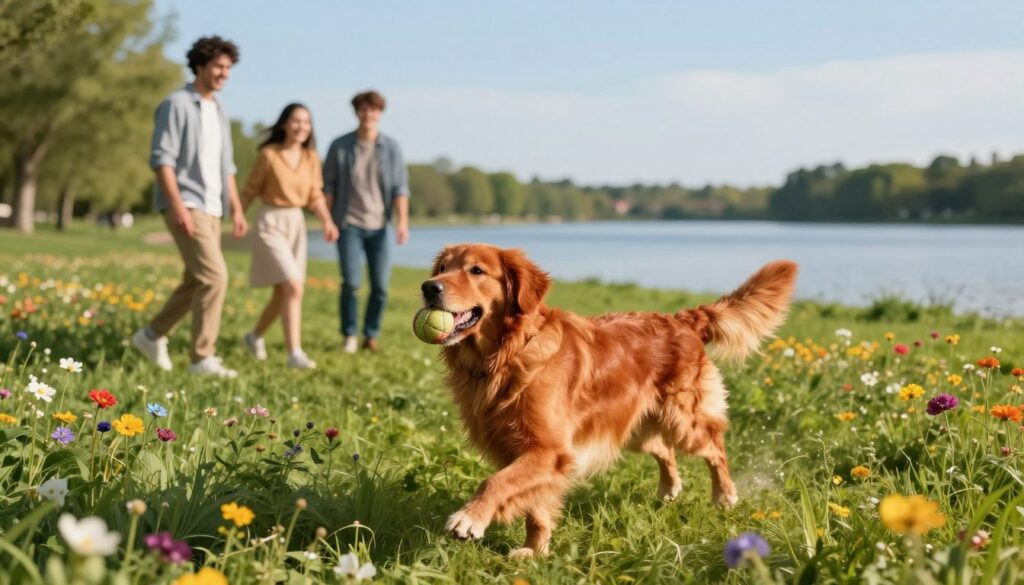
Adult dogs often have strong stamina and a desire to work. Adult red golden retriever characteristics often include a strong drive to fetch and explore outdoors.
Give your dog at least sixty minutes of activity each day. Structured walks and safe off-leash play support muscle tone and heart health.
Adjusting Activity for Seniors and Dogs With Health Limitations
As your companion ages, choose low-impact activities that support joint health. Short, frequent walks often work better than one long, difficult hike.
Consult your veterinarian if you notice stiffness or reluctance to move. Gentle exercise, such as slow sniffing walks, keeps senior dogs engaged without causing pain.
Retrieving, Swimming, Hiking, and Other Breed-Suitable Activities
This breed naturally enjoys retrieving and swimming, which help burn energy. Swimming offers a full-body workout without stressing the joints.
Hiking on soft trails provides mental enrichment through new scents. Scent games at home can challenge your dog’s mind during poor outdoor weather.
Preventing Overexertion and Joint Strain
Watch your dog for fatigue during every activity. Heavy panting, limping, or sudden disinterest in play means your dog needs a break.
Never push your dog when they show distress or recover slowly. Respecting physical limits helps your red golden retriever stay healthy and active for many years.
Grooming and Everyday Care
Caring for your dog’s vibrant coat requires a steady grooming routine. Its red golden retriever characteristics include a dense double coat that naturally insulates the body. Regular care helps your red golden retriever stay comfortable as seasons change.
Brushing the Dense Double Coat
Brush your dog at least three times each week to prevent tangles. Use a slicker brush for the soft undercoat and a metal comb for stubborn mats. Brushing spreads natural oils, which keeps the fur shiny and healthy.
Bathing, Drying, and Managing Shedding
Bathe your dog only when it gets very dirty or develops a strong odor. Use a high-quality canine shampoo to prevent dry skin. After bathing, dry the coat fully with a high-velocity dryer so moisture does not stay against the skin.
Shedding seasons bring much more loose fur. Brush daily then to manage hair around your home. This habit keeps your red golden retriever looking its best and reduces cleanup.
Nail Trimming, Ear Cleaning, and Dental Care
Regular care also protects your dog’s overall health. Trim the nails every few weeks to prevent discomfort and possible joint issues. Check ears weekly for redness or debris, and brush teeth regularly for long-term oral hygiene.
Choosing Nutrition for Healthy Skin, Coat, and Weight
A balanced diet forms the foundation of your dog’s well-being. Choose high-quality proteins and essential fatty acids for a shiny coat and healthy skin. Monitor body condition to help your dog keep a lean, athletic weight.
Foods and Treats That Support Training Without Overfeeding
Training needs frequent rewards, but treats should not cause weight gain. Choose small, low-calorie treats, or reserve some daily kibble for training. This keeps your pet motivated without exceeding its calorie needs.
| Grooming Task | Frequency | Primary Benefit |
|---|---|---|
| Brushing | 3x Weekly | Prevents matting |
| Nail Trimming | Monthly | Joint comfort |
| Ear Cleaning | Weekly | Prevents infection |
| Dental Care | Daily | Oral health |
Health Concerns and Preventive Veterinary Care
You help manage your loyal companion’s health through regular veterinary care. Although the red golden retriever is active and strong, every breed has health risks to watch.

Common Health Risks in Golden Retrievers
Like many large breeds, these dogs may develop hip and elbow dysplasia, which can limit joint movement. Other risks include heart conditions, inherited eye problems, and painful skin allergies.
Obesity can worsen joint problems and lower your dog’s quality of life. A proper diet and regular exercise help protect your dog’s long-term health.
Hip, Elbow, Eye, and Heart Screening
Responsible breeders screen parent dogs for health problems before breeding them. Always ask breeders for records of orthopedic and heart clearances.
These tests can find problems early and help your red golden retriever characteristics support a healthy, active life. Professional testing gives your dog the best chance for future well-being.
Cancer Awareness and Routine Wellness Visits
Golden Retrievers have a higher rate of certain cancers than other breeds. Regular wellness visits let your veterinarian perform exams and blood work to find problems early.
Do not wait for visible symptoms before scheduling a checkup. Regular monitoring can help protect your dog from serious illness.
Parasite Prevention, Vaccinations, and Emergency Planning
Protect your dog from heartworm, fleas, and ticks as part of responsible care. Keep your pet current on core vaccinations to prevent common infections.
Create a clear emergency plan for your dog. Know the nearest 24-hour animal hospital and keep a stocked first-aid kit at home.
Symptoms That Require Prompt Veterinary Attention
Some signs mean your dog needs medical help right away. Contact your veterinarian or an emergency clinic if you notice any of these signs:
- Difficulty breathing or persistent coughing
- Sudden collapse or extreme weakness
- Repeated vomiting or inability to keep water down
- Signs of severe pain or distress
- A swollen, hard abdomen, which may indicate bloat
- Uncontrolled bleeding or suspected poisoning
Creating a Safe and Enriching Home
Prepare your home before bringing home red golden retriever puppies or an adult dog. A dog-friendly space lowers stress and helps prevent accidents. Good planning creates a safe start for a long, happy life together.
Puppy-Proofing Indoor and Outdoor Spaces
Scan your home at your dog’s eye level to find possible dangers. Secure electrical cords, move toxic houseplants, and lock chemicals in cabinets. It is essential to keep medicines and small objects off the floor.
Make sure your yard fence keeps your dog from escaping. Remove poisonous plants and check for gaps under gates or fences. Keep garages and balconies off-limits unless fully enclosed and free of car fluids and sharp tools.
Setting Up a Comfortable Resting Area
Every red golden retriever needs a private place to rest when tired or overwhelmed. Choose a quiet corner away from busy foot traffic. Add a quality bed, fresh water, and safe chew toys.
Introduce a crate or playpen with positive reinforcement. Use treats and praise to make it a safe haven, not a punishment. This personal den supports house training and emotional stability.
Managing Heat, Cold, Water, and Outdoor Hazards
Safety matters greatly for active breeds. In summer, provide shade and fresh water to help prevent heatstroke. In cold weather, give your dog a warm, dry sleeping place away from drafts.
Always supervise your pet near pools or open water because some dogs cannot swim well. Watch for wildlife and traffic during walks, and use a leash in unfenced areas. The table lists key safety steps for your home.
| Hazard Category | Primary Risk | Safety Action |
|---|---|---|
| Indoor Chemicals | Poisoning | Lock in high cabinets |
| Electrical Cords | Shock/Burns | Use cord protectors |
| Outdoor Water | Drowning | Install pool fencing |
| Toxic Plants | Ingestion | Remove or relocate |
Maintaining a Predictable Daily Routine
Consistency helps create a well-behaved red golden retriever. Set regular times for meals, bathroom breaks, and exercise. Predictable days can reduce anxiety and destructive behavior.
Add daily training and enrichment activities to keep your dog’s mind sharp. Balance rest with structured play to support health and happiness. A steady routine helps your dog adjust to your household.
Conclusion
Choosing a canine partner means looking beyond appearance and finding a dog that fits your lifestyle. A red golden retriever is a breed variation with a deeper coat, not a distinct type. Knowing the difference in a red golden retriever vs golden retriever comparison helps you value temperament and health over looks.
When looking for a red golden retriever for sale, choose breeders with complete health clearances and clear records. A fair red golden retriever price covers genetic testing, proper nutrition, and early socialization. Low prices often mean breeders cut corners, which can cause major medical costs later.
Your success depends on positive training, steady grooming, and regular veterinary visits. Give your pet a safe home with exercise and mental stimulation.
The bond you build depends on lifelong support and affection. Choose your new family member based on its personality and your ability to meet its needs for years.
FAQ
Is the red golden retriever a separate breed from the standard Golden Retriever?
What are the main differences when comparing a red golden retriever vs golden retriever in terms of appearance?
Why is the red golden retriever price often different from other color variations?
FAQ
Is the red golden retriever a separate breed from the standard Golden Retriever?
No, a red golden retriever is simply a color variation within the standard Golden Retriever breed. Its deep mahogany coat differs, but it shares the same genes as light golden or cream-colored dogs. These dogs meet official breed standards set by organizations like the American Kennel Club (AKC).
What are the main differences when comparing a red golden retriever vs golden retriever in terms of appearance?
The main difference in the red golden retriever vs golden retriever comparison is coat shade and body composition. These dogs often come from “field lines” or working lines and are leaner, more athletic, with shorter coats and less feathering. This streamlined build differs from stockier, lighter-colored “show lines” and helps dogs excel in agility and retrieving tasks.
Why is the red golden retriever price often different from other color variations?
In the United States, the red golden retriever price typically ranges from
FAQ
Is the red golden retriever a separate breed from the standard Golden Retriever?
No, a red golden retriever is simply a color variation within the standard Golden Retriever breed. Its deep mahogany coat differs, but it shares the same genes as light golden or cream-colored dogs. These dogs meet official breed standards set by organizations like the American Kennel Club (AKC).
What are the main differences when comparing a red golden retriever vs golden retriever in terms of appearance?
The main difference in the red golden retriever vs golden retriever comparison is coat shade and body composition. These dogs often come from “field lines” or working lines and are leaner, more athletic, with shorter coats and less feathering. This streamlined build differs from stockier, lighter-colored “show lines” and helps dogs excel in agility and retrieving tasks.
Why is the red golden retriever price often different from other color variations?
In the United States, the red golden retriever price typically ranges from $1,500 to $3,500. The cost reflects the red golden retriever breeders‘ investment in health testing, the puppy’s pedigree, and high demand for this coat color. Beware extremely low prices; they may signal poor veterinary care or missing parent health screenings.
Are red golden retriever puppies more energetic than other golden retrievers?
Generally, yes: working and hunting lines often give these puppies higher energy and stronger “prey drive,” or desire to fetch. They need daily exercise and mental stimulation to stay happy and well-behaved. They suit active families who enjoy hiking, running, or dog sports.
What should I look for when browsing red golden retriever for sale advertisements?
When you see a red golden retriever for sale, value breeder transparency over coat color. Reputable red golden retriever breeders will provide documented health clearances for the parents’ hips, elbows, eyes, and hearts. See where the puppies grow, and ask for detailed vaccination and early socialization histories.
How much grooming does a red golden retriever require?
Like all breed members, a red golden retriever has a dense, water-resistant double coat that sheds year-round. Brush your dog at least two to three times weekly to control shedding and prevent mats. Regular nail trimming, ear cleaning, and dental care are also essential throughout life.
Is a red golden retriever a good choice for a family with children?
Absolutely. One of the most cherished red golden retriever characteristics is their friendly and patient temperament. They bond deeply with families and are gentle with children. However, their high energy and athletic build require supervision around small children, keeping play safe for both dog and child.
,500 to ,500. The cost reflects the red golden retriever breeders‘ investment in health testing, the puppy’s pedigree, and high demand for this coat color. Beware extremely low prices; they may signal poor veterinary care or missing parent health screenings.
Are red golden retriever puppies more energetic than other golden retrievers?
Generally, yes: working and hunting lines often give these puppies higher energy and stronger “prey drive,” or desire to fetch. They need daily exercise and mental stimulation to stay happy and well-behaved. They suit active families who enjoy hiking, running, or dog sports.
What should I look for when browsing red golden retriever for sale advertisements?
When you see a red golden retriever for sale, value breeder transparency over coat color. Reputable red golden retriever breeders will provide documented health clearances for the parents’ hips, elbows, eyes, and hearts. See where the puppies grow, and ask for detailed vaccination and early socialization histories.
How much grooming does a red golden retriever require?
Like all breed members, a red golden retriever has a dense, water-resistant double coat that sheds year-round. Brush your dog at least two to three times weekly to control shedding and prevent mats. Regular nail trimming, ear cleaning, and dental care are also essential throughout life.
Is a red golden retriever a good choice for a family with children?
Absolutely. One of the most cherished red golden retriever characteristics is their friendly and patient temperament. They bond deeply with families and are gentle with children. However, their high energy and athletic build require supervision around small children, keeping play safe for both dog and child.