Can Dogs Have Turkey What You Need to Know Before Feeding
As you prepare a holiday feast, you wonder if your furry friend should get a special plate. It’s a common question for pet owners who want to share the joy of a big meal. Sharing is an act of love, but your pet’s health comes first.
The short answer is that plain, fully cooked poultry is usually safe for most healthy pets. But how you prepare it is key to safety. Ingredients like garlic, onions, and too much salt can be very harmful.
Whether can dogs have turkey depends on how much you give and how you prepare it. Fatty leftovers can upset their stomach or cause bigger health problems. This guide will help you know safe amounts, what to avoid, and when to seek vet help.
Table of Contents
Can Dogs Have Turkey?
Turkey is a favorite protein for many, but is it safe for dogs? Owners often wonder if can dogs have turkey without upsetting their stomachs. The answer is yes, but only if you follow certain rules about how it’s prepared and how much they eat.
When Plain Turkey Is Safe for Most Dogs
Most healthy dogs can have plain, cooked, and boneless turkey. Make sure the meat is completely unseasoned before giving it to your pet. Simple, white meat, roasted or boiled without oils, is safe for dogs as an occasional treat.
How Turkey Fits Into a Balanced Dog Diet
Turkey is a good protein, but it shouldn’t replace your dog’s main meals. Remember, turkey is a treat, not a full diet. It lacks important vitamins and minerals, so it should only be a small part of their daily food.
Why Preparation Matters More Than the Meat Itself
The biggest dangers with turkey come from how it’s cooked, not the meat itself. Ingredients like garlic, onions, and chives are toxic to pets and must be avoided. Also, never give your dog turkey skin, drippings, or bones, as they can cause serious health problems. Always choose simple preparation to keep turkey a safe and healthy treat for dogs.
What Turkey Can Offer Your Dog
Adding turkey to your dog’s diet can be a healthy choice. It’s a good way to mix up their protein sources. When cooked right, turkey is a key part of keeping your dog healthy.
Turkey Meat as a Source of Protein
Turkey meat is a top-notch protein source for dogs. It has the amino acids they need to fix tissues and keep muscles strong.
Key Nutrients in Cooked Turkey
Cooked turkey also has important nutrients. It’s packed with B vitamins, which boost energy and help with metabolism.
It also has minerals like selenium and zinc. These help keep your dog’s immune system strong and their skin healthy. But, the exact nutrients can vary based on the turkey cut.
Potential Benefits of Turkey for Dogs
Knowing the benefits of turkey for dogs helps you use it wisely. It makes mealtime more exciting for your pet.
Supporting Muscle Maintenance
The protein in turkey is great for supporting muscle maintenance. It helps active dogs stay strong and healthy all their lives.
Providing a Leaner Alternative to Some Meats
Choosing skinless turkey gives your dog a leaner option. It’s a good choice for dogs that need to watch their calories but still want a tasty treat.
Why Turkey Should Remain an Occasional Addition
Even though turkey is nutritious, it shouldn’t be the main part of your dog’s diet. Adding turkey in dog diet plans should be in moderation. This ensures your dog gets all the nutrients they need from their main food.
Which Types of Turkey Are Safe for Dogs?
When thinking about giving dogs turkey, safety and preparation are key. The main rule is to keep the turkey simple to avoid digestive problems or poisoning.
Plain, Fully Cooked Turkey Meat
The safest choice for your pet is plain, fully cooked turkey meat. It should not have salt, butter, oils, or spices. Always ensure the meat is cooked thoroughly to avoid harmful bacteria.
Skinless White Meat and Dark Meat
You can give your pet both white and dark meat. But, dark meat has more fat. So, give dark meat in smaller portions to avoid stomach upset.
Small Amounts of Unseasoned Ground Turkey
Unseasoned ground turkey is okay if cooked right. Cook it until it’s browned and drain off any excess fat. Make sure it doesn’t have hidden additives or flavorings.
Turkey Prepared Specifically for Your Dog
It’s best to prepare turkey for your dog separately from your meal. This keeps them away from dangerous ingredients.
Removing Bones, Skin, and Visible Fat
Before serving, remove all bones to prevent splintering and internal damage. Also, remove the skin and any visible fat. Excess fat is a major trigger for serious health conditions like pancreatitis in dogs.
Checking the Meat for Seasonings and Additives
Never give turkey seasoned with garlic, onion, or chives, as it’s toxic to dogs. Always check the ingredient label if buying pre-packaged ground turkey to make sure it’s 100% meat. Taking these extra steps ensures your pet gets a healthy and safe treat.
Turkey Ingredients and Products to Avoid
If you’re wondering if turkey is safe for dogs, it’s important to know what to avoid. While lean meat is okay, many common ingredients can harm your pet. Always check labels and how the food is prepared before sharing it.
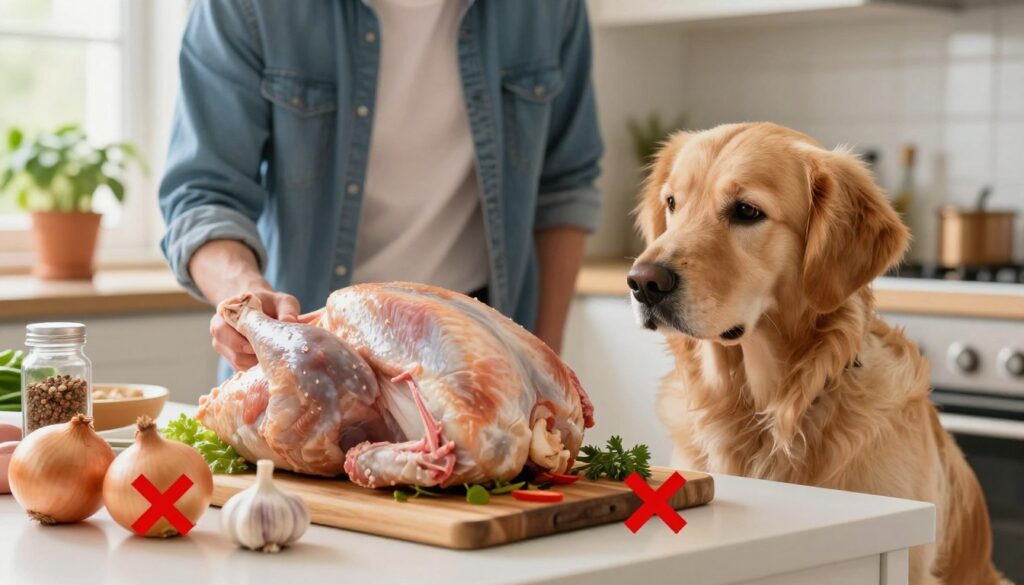
Turkey Seasoned With Garlic, Onion, or Chives
Never give your dog turkey cooked with garlic, onions, leeks, or chives. These are highly toxic to dogs. They can damage red blood cells and cause dangerous anemia.
Turkey Gravy, Stuffing, and Rich Sauces
Gravy and stuffing often have butter, salt, and spices dogs can’t digest. They may also have onion or garlic powder. Even a little can cause severe stomach problems.
Turkey Skin, Drippings, and Excess Fat
The skin and drippings from a roasted turkey are very fatty. Eating them can cause pancreatitis, a painful and serious condition. Always remove the skin and drain the fat before giving any meat.
Processed Turkey, Deli Meat, and Turkey Bacon
Stay away from deli slices or turkey bacon for your dog. They’re full of salt, nitrates, and artificial flavorings. When wondering if turkey is safe for dogs, remember processed versions are not good.
Raw Turkey and Undercooked Turkey
Never give raw or undercooked poultry to your dog. It’s a big risk for both your dog and your family.
Bacterial Contamination Risks
Raw meat can have harmful bacteria like Salmonella or Campylobacter. These can make dogs very sick and may spread to humans. Always cook poultry to 165°F to kill these bacteria.
Hidden Sodium, Preservatives, and Flavorings
Many turkey products have a lot of sodium and chemical preservatives. These can cause dehydration, kidney problems, or long-term health issues. Always choose fresh, plain, and well-cooked meat.
| Ingredient/Product | Primary Risk | Severity |
|---|---|---|
| Onion/Garlic | Red blood cell damage | High |
| Turkey Skin | Pancreatitis | High |
| Deli Meat | Excessive Sodium | Moderate |
| Raw Turkey | Bacterial Infection | High |
How to Prepare Turkey for Your Dog
You can safely give turkey meat for dogs by preparing it carefully. This ensures your pet gets a healthy snack without risks.
Cook the Turkey Thoroughly
Make sure the meat is cooked to 165°F. Thorough cooking kills harmful bacteria like Salmonella, which can make pets very sick.
Remove Bones, Skin, Fat, and Seasoning
Take off all skin and fat to avoid digestive problems or pancreatitis. Also, remove bones because they can splinter and hurt your dog. Make sure there’s no salt, garlic, onion, or spices on the meat.
Cut the Meat Into Safe, Bite-Sized Pieces
For safety, cut the meat into small cubes. These should fit your dog’s breed and mouth size. Small, bite-sized portions help control how much your dog eats.
Serve Turkey Plain or With Dog-Safe Food
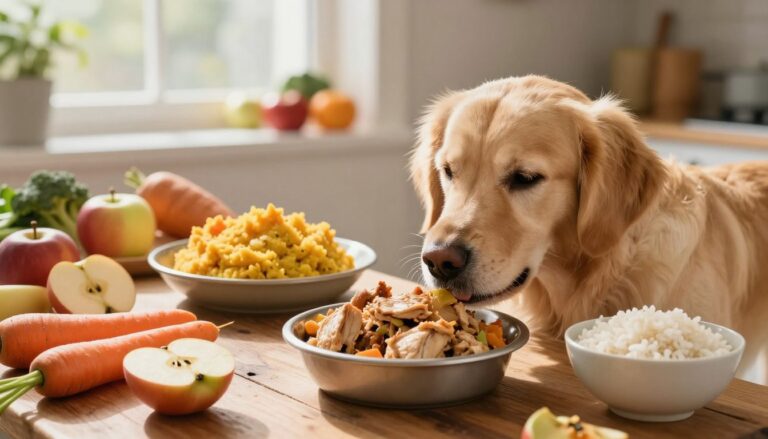
The best way to serve turkey is plain. You can mix it with their kibble or give it as a snack.
Using Turkey as a Meal Topper
Plain turkey can be a great meal topper for picky eaters. Just sprinkle a few pieces on their food to make them finish.
Adding Turkey to a Treat or Training Routine
Use small turkey bits as rewards during training. Many dogs love the taste of feeding dogs turkey, making it a great motivator.
Store and Refrigerate Leftover Turkey Safely
Store leftovers in an airtight container in the fridge right away. Proper storage keeps the meat safe for up to three days. Always check for spoilage before giving it to your dog again.
How Much Turkey Can You Feed Your Dog?
Adding turkey in dog diet plans needs careful attention to portion control. Many dogs love the taste of lean meat. But, treats should never replace a complete meal.
Use the Ten-Percent Treat Rule
Vets often suggest the ten-percent rule for your pet’s health. This rule means treats, like plain turkey, should be no more than 10% of your dog’s daily calories.
Following this rule helps ensure your dog gets most of their nutrients from regular food. Eating too much can cause nutritional imbalances.
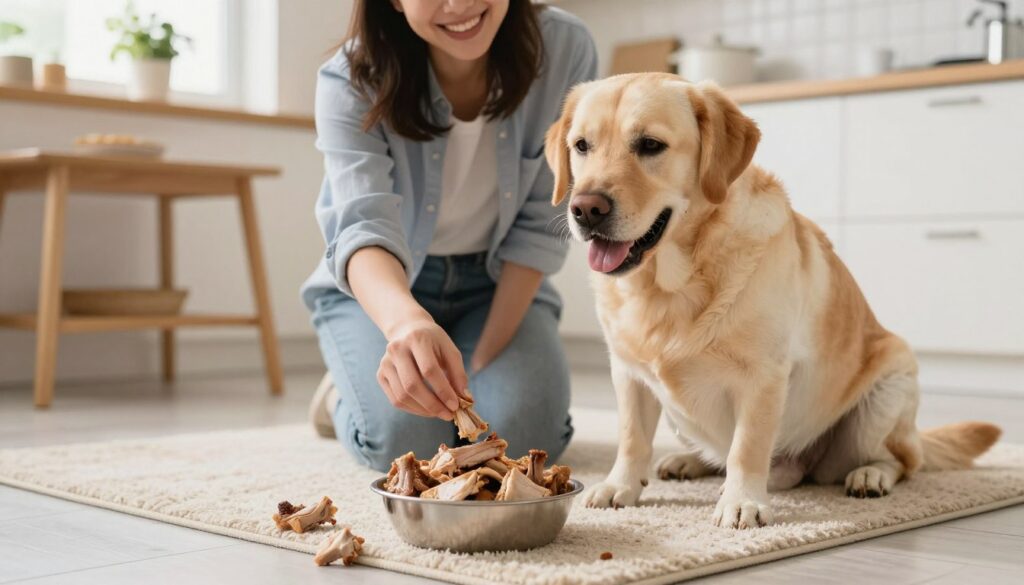
Adjust Portions to Your Dog’s Size and Calorie Needs
The right amount of turkey depends on your dog’s needs. Things like body size, activity level, age, and health status affect how many calories they need.
Start with a small amount to see how your dog reacts. If your dog is less active or prone to weight gain, be even more careful with extra portions.
Sample Turkey Portions for Small, Medium, and Large Dogs
The table below gives a general idea of serving sizes. Always check with your vet to adjust these amounts for your pet.
| Dog Size | Weight Range | Suggested Turkey Portion |
|---|---|---|
| Small | 10–20 lbs | 1/2 ounce |
| Medium | 30–50 lbs | 1 ounce |
| Large | 60+ lbs | 2 ounces |
Reduce Other Treats When Serving Turkey
If you give your dog turkey, you should reduce other treats that day. Keeping the total calorie count balanced helps maintain your dog’s ideal weight.
Accounting for Turkey Added to Regular Meals
When adding turkey in dog diet routines, subtract an equal amount of kibble. Not adjusting the main meal can lead to overfeeding and digestive issues.
Preventing Unintended Weight Gain
Watching your dog’s body condition is better than counting bites. If your dog is gaining weight, cut the portion size right away. Consistency and moderation are key to keeping your dog healthy and happy.
Possible Effects of Turkey on Dogs
Many pet owners wonder about the effects of turkey on dogs after sharing a small bite. It’s important to know how your pet handles new proteins. This knowledge helps keep them healthy and happy.
Normal Effects of a Small Portion
Most dogs do fine with a small, plain piece of cooked turkey. You might see them get more excited about their food. Or they might just enjoy it as a special treat. As long as it’s unseasoned and without bones, it’s usually okay for healthy dogs.
Digestive Upset From Too Much Turkey
Too much turkey can upset your dog’s stomach. This can cause gas, bloating, or loose stools. Their stomach might not handle the sudden protein well, leading to discomfort.
Signs of a Food Sensitivity or Allergy
Some dogs might react to poultry in ways that aren’t obvious at first. Watch for itching, red ears, or skin changes. If these happen often after turkey, talk to your vet about a possible allergy.
Pancreatitis Risks From Fatty Turkey Foods
The effects of turkey on dogs can be serious if it’s very fatty. Foods high in fat, like skin or drippings, can cause pancreatitis. This is a painful and dangerous condition.
Vomiting, Diarrhea, and Abdominal Discomfort
If your dog gets pancreatitis, they might vomit a lot, have diarrhea, and show belly pain. They might seem tired, not want to eat, or lie down with their front legs stretched out. This is their way of trying to ease their stomach pain.
When Digestive Symptoms Require Veterinary Care
If your dog’s symptoms don’t go away, or if they seem really tired and dehydrated, get vet help right away. Don’t wait for things to get worse. Early treatment is key to fixing digestive problems.
When Turkey May Not Be Appropriate for Your Dog
It’s important to know about turkey and dog health if your pet has health issues. While many dogs like lean meat, some health conditions make turkey a bad choice.
Dogs With Pancreatitis or a History of Fat Intolerance
Pancreatitis is a serious issue where the pancreas gets inflamed, often from high-fat foods. Even a little turkey skin or dark meat can be too fatty for sensitive dogs.
Dogs With Food Allergies or Known Turkey Sensitivity
Some pets react badly to certain proteins. If your dog gets skin issues or stomach problems after eating poultry, it’s best to avoid turkey. This can help prevent allergic reactions.
Dogs on Prescription or Restricted Diets
Many dogs need special diets to manage health issues. Adding turkey can upset the balance of nutrients your vet has set for your pet’s recovery.
Dogs With Health Conditions Affected by Sodium or Protein
Dogs with kidney or heart problems need to watch their sodium and protein intake. Turkey might have too much salt or protein, which can make these conditions worse.
Why You Should Follow Your Veterinarian’s Diet Instructions
Your vet knows your dog’s health history and needs. Following their advice helps keep your dog healthy and avoids problems.
How to Introduce Turkey More Carefully
If your vet says it’s okay, start with a tiny piece of plain white meat. Watch your dog closely for any signs of trouble or changes in their stool for a day.
| Health Condition | Risk Level | Recommendation |
|---|---|---|
| Pancreatitis | High | Avoid completely |
| Food Allergies | Moderate | Consult your vet |
| Kidney Disease | High | Strictly restricted |
| Healthy Adult | Low | Occasional treat |
What to Do if Your Dog Eats Unsafe Turkey
Dealing with effects of turkey on dogs means being ready for unexpected food issues. If your pet eats something they shouldn’t, staying calm is key to their safety.
Identify What Your Dog Ate and How Much
First, gather all the details you can. Find out what seasonings were on the turkey, like garlic or onion powder. Also, guess how much they ate.
Remember when they ate it. Knowing this helps your vet figure out the risk of poisoning or blockage.
Watch for Immediate Warning Signs
Watch your dog closely for any sudden changes. Some effects of turkey on dogs might be mild, but others can get worse fast.
Look for signs like being very tired, drooling, or wanting to drink a lot of water. Catching these symptoms early can help a lot.
Contact Your Veterinarian After Bone, Onion, or Garlic Exposure
Some foods are very bad for dogs. If your pet ate cooked bones, onions, garlic, or a lot of fatty skin, call your vet right away.
Don’t wait for symptoms to show up. These foods can cause serious problems later on. Your vet needs to help prevent serious harm.
Know When Emergency Veterinary Care Is Necessary
Some situations need an emergency vet visit. Knowing when can save your dog’s life.
Choking or Intestinal Blockage Concerns
If your dog is acting like they can’t breathe, or is really hurting in their belly, get help fast. These signs mean they might be choking or have a blockage from eating bones.
Severe Vomiting, Weakness, or Breathing Problems
Watch for constant vomiting, being very weak, or acting like they can’t stand. If your dog is having trouble breathing or can’t stand up, these are emergencies that need quick help.
Conclusion
Sharing a small piece of turkey with your dog can be very rewarding. The key is to choose high-quality, plain, and fully cooked turkey. This makes a safe treat for most pets.
It’s important to watch what your dog eats closely. Avoid giving them seasonings, onions, garlic, and rich sauces. These can upset their stomach. Also, stay away from processed meats, turkey skin, and fatty drippings as they are harmful.
Think about your dog’s health before giving them new foods. If they have pancreatitis or special diet needs, talk to your vet first. Your vet can help make sure you’re giving your dog the best care.
If your dog shows signs of illness after eating something bad, call your local animal clinic. Being careful about what your dog eats helps them stay happy and healthy for a long time.