

Can Dogs Eat Shellfish Safely? A Complete Guide
You look into those soulful eyes while preparing dinner, wondering if your furry companion deserves a taste of your seafood feast. It is a common dilemma for pet parents who want to share their favorite meals with their loyal friends. Sharing a snack is an act of love, but you must prioritize your pet’s health above all else.
Many owners often ask if can dogs eat shellfish without facing digestive distress or allergic reactions. While some marine life offers excellent protein and essential minerals, others pose significant risks to your pet’s well-being. Understanding the nuances of these aquatic treats is vital for maintaining a balanced diet.
This guide explores the safety precautions you need to take before introducing new items to your pet’s bowl. We will help you navigate the complexities of feline and canine nutrition to ensure your companion stays happy and healthy.
Table of Contents
Understanding the Nutritional Profile of Shellfish
Shellfish are full of nutrients that help keep dogs healthy. They are not just tasty; they also have many compounds that support your dog’s health. Knowing what’s in them can help decide if they’re good for your pet’s meals.
Essential vitamins and minerals found in crustaceans
Crustaceans are rich in important nutrients for dogs. They have a lot of Vitamin B12, which is key for a healthy nervous system and brain. They also have copper, which helps your dog absorb iron and keeps tissues healthy.
Shellfish also have zinc and selenium, which are antioxidants. These protect your dog’s cells from harm. Adding these to your dog’s diet can keep their immune system strong.
The role of protein in your dog’s diet
Protein is crucial for your dog’s body, and shellfish are a great source. They help maintain muscles and repair tissues. Shellfish are lean, so they add protein without extra fats.
This high-quality protein boosts energy and supports vitality. It gives your dog the amino acids they need. Quality protein is key for a healthy, active dog.
Can dogs eat shellfish safely: A breakdown of common varieties
Thinking about adding seafood to your dog’s diet? It’s important to know which types are safe. The answer to can dogs eat shellfish varies by type and preparation. Knowing the differences helps ensure a safe and tasty treat for your pet.
Shrimp and prawns: Are they safe for canine consumption?
Shrimp and prawns are usually safe for dogs if they’re cooked and cleaned right. They’re a lean protein source that dogs love. Just make sure to remove the shell, tail, and digestive tract before giving them to your dog.
Crab meat: Nutritional value and serving considerations
Crab meat is a great choice, packed with vitamin B12 and zinc. Make sure it’s cooked well and given in small, plain portions. Never give your dog crab seasoned with garlic, onion, or too much salt, as these are toxic.
Lobster: Is it a healthy treat for your pet?
Lobster can be a healthy treat for dogs, but only in small amounts. It’s full of protein and minerals. However, it’s pricey and can be high in sodium if not chosen carefully. Always opt for plain, steamed lobster meat and avoid any sauces that might upset your dog’s stomach.
Clams, mussels, and oysters: The risks of bivalves
Bivalves like clams, mussels, and oysters are risky because they filter feed. They can pick up toxins or bacteria, leading to serious illness. If you’re wondering if can dogs eat shellfish like these, talk to your vet first.
- Shrimp: Must be deveined and fully cooked.
- Crab: Serve only plain, cooked meat without shells.
- Lobster: Offer in small amounts; avoid butter and salt.
- Bivalves: High risk of contamination; serve only if sourced from clean waters and cooked thoroughly.
Potential health benefits of shellfish for dogs
Shellfish for dogs are not just tasty. They also offer many health benefits. Adding them in small amounts can give your pet important vitamins and minerals. These are often missing from regular dog food.
Omega-3 fatty acids and joint health
Feeding shellfish for dogs is great for their joints. They are full of omega-3 fatty acids. These fats help fight inflammation, which is good for older dogs with stiff joints.
These nutrients help keep your dog’s joints moving smoothly. You might see them walking better on their walks.
Supporting immune function with zinc and selenium
Shellfish also have important minerals like zinc and selenium. These are key for a strong immune system. They help your dog fight off sicknesses.
Zinc is good for the skin and healing wounds. Selenium is an antioxidant. Together, they keep your dog healthy and full of energy. Giving shellfish for dogs as treats can really help their health.
| Nutrient | Primary Benefit | Impact on Health |
|---|---|---|
| Omega-3 | Joint Mobility | Reduces Inflammation |
| Zinc | Immune Support | Promotes Skin Health |
| Selenium | Antioxidant | Protects Cell Integrity |
| Protein | Muscle Repair | Supports Lean Mass |
Identifying the risks of feeding shellfish to dogs
Before you share your seafood with your pet, know the dangers. Marine proteins are good, but feeding shellfish to dogs has risks. Knowing these dangers helps keep your pet safe and healthy.
The danger of raw or undercooked shellfish
Never give raw or undercooked seafood to your pet. Raw shellfish has harmful bacteria like Vibrio. These can cause vomiting, diarrhea, and serious infections in dogs.
Choking hazards: Shells and sharp edges
Crustaceans are a big risk for your dog. Their shells are hard and can break into sharp, jagged edges. These can hurt your dog’s mouth, throat, or stomach, and even block their digestive tract.
High sodium content and its impact on canine health
Shellfish often have a lot of sodium, which is bad for dogs. Too much salt can hurt their kidneys and heart. Choose low-sodium options and watch how much you give to avoid these problems.
Recognizing signs of shellfish allergies in dogs
Even if your dog has enjoyed seafood before, shellfish allergies in dogs can develop suddenly. Their immune system might see certain proteins in crustaceans as threats. This can lead to an immediate reaction. Being proactive and observant is key to keeping your dog safe and comfortable during meals.
Common symptoms of an allergic reaction
Adverse reactions can show up quickly, within minutes or hours after eating. Skin irritation is often the first sign, showing as intense itching, redness, or hives. Your dog might also lick their paws a lot or rub their face on furniture to ease the discomfort.
Gastrointestinal issues are another common sign. If your dog vomits, has diarrhea, or seems unusually tired, it could be a sign of shellfish allergies in dogs. Always watch your pet closely for at least 24 hours after introducing new shellfish.
| Symptom Category | Mild Signs | Severe Signs |
|---|---|---|
| Dermatological | Itchy skin, mild redness | Hives, facial swelling |
| Gastrointestinal | Occasional gas, soft stool | Persistent vomiting, diarrhea |
| Behavioral | Restlessness | Lethargy, collapse |
When to seek emergency veterinary care
While some reactions are mild, others can be life-threatening. If your dog has trouble breathing, extreme facial swelling, or suddenly collapses, call your vet right away. These signs mean your dog is experiencing a severe shock that needs immediate medical help.
If your dog is in severe distress, don’t wait for symptoms to go away. Time is of the essence when dealing with severe allergic reactions. Keep your local emergency clinic’s number saved in your phone to act fast if needed.
Safe preparation methods for dog-friendly shellfish
When you want to give your dog dog-friendly shellfish, proper kitchen techniques are key. Preparing these items right ensures your dog gets the good stuff without getting sick.

Cleaning and deveining techniques
First, clean the seafood well to get rid of dirt or sand. For shrimp and prawns, take out the dark digestive tract along the back. This deveining process keeps your dog’s stomach happy.
Make sure to remove all hard shells before serving. Sharp shell pieces can hurt your dog’s mouth and throat. Paying attention to these details makes your pet’s meal safer.
Cooking methods: Steaming versus boiling
Choosing the right cooking method is important for dog-friendly shellfish. Steaming is best because it kills bad bacteria and keeps nutrients. Boiling is okay if you don’t add anything extra to the water.
“The secret to a healthy pet diet is simplicity; keep the ingredients pure and the preparation methods gentle.”
Whichever method you pick, make sure the seafood is fully cooked. Raw or undercooked shellfish can make your dog very sick. Check that the meat is white and firm before cooling it down for your pet.
Why seasoning and butter should be avoided
It’s tempting to add flavor to your seafood, but don’t. Garlic, onions, and chives are toxic to dogs and can cause serious health problems. Even a little bit can lead to anemia or other issues.
Also, don’t add butter, salt, or heavy oils. High fat can cause pancreatitis, and too much salt can lead to dehydration and electrolyte imbalances. Always serve the shellfish plain to keep your dog healthy and happy.
Shellfish toxicity in dogs: What you need to know
Knowing about shellfish toxicity in dogs is key for pet owners. Many sea foods are good for health, but pollution can make them harmful. Always check the source and quality of seafood before giving it to your dog.
Understanding paralytic shellfish poisoning
Paralytic shellfish poisoning, or PSP, happens when bivalves like clams and mussels eat toxic algae. These toxins can make your dog very sick, even if the shellfish looks and smells fine.
Signs of poisoning can show up fast. Your dog might have trouble moving, drool a lot, or have breathing problems. Cooking won’t make these toxins go away, so it’s best to avoid them.
Environmental contaminants and heavy metals
Environmental pollution is another big risk for your pet. Shellfish can pick up heavy metals like mercury, lead, and cadmium from the water. These can harm your dog’s health over time.
Long-term exposure can hurt your dog’s nervous system and organs. Make sure to get seafood from trusted places that test for these metals. This helps keep your dog safe from shellfish toxicity.
| Hazard Type | Source | Primary Risk | Prevention |
|---|---|---|---|
| Neurotoxins | Algal Blooms | Paralysis/Neurological | Avoid wild-caught bivalves |
| Heavy Metals | Industrial Pollution | Organ Damage | Source from clean waters |
| Bacteria | Contaminated Water | Gastrointestinal Distress | Thorough cooking |
Best shellfish for dogs and how to serve them
Adding variety to your dog’s diet can be fun, but choose the best shellfish for dogs carefully. Many sea foods are nutritious, but quality and freshness are key. Make sure to buy from trusted sources to get safe shellfish for dogs without harmful stuff.
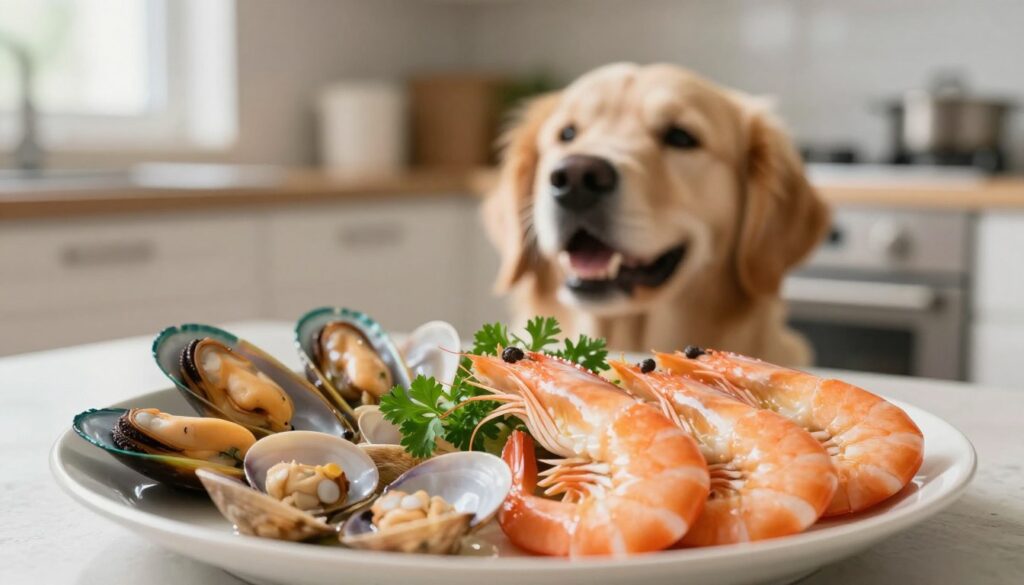
Portion control and frequency of feeding
Even healthy foods need to be given in small amounts to avoid upset stomachs. Treat shellfish as a special treat, not a main food. Start with tiny amounts to see how your dog does, especially if they’re sensitive.
It’s important to watch your dog’s calorie intake to keep them at a healthy weight. Shellfish are high in calories, so adjust their regular meals. Consistency in portioning helps avoid overfeeding and keeps your pet happy.
Incorporating shellfish as an occasional treat
Shellfish should be given only now and then. Think of them as a special treat, not something they get every day. Giving them out once or twice a week keeps their diet balanced and avoids over-reliance on one food.
Having a regular treat plan helps you bond with your pet while keeping their health in mind. Use these guidelines to figure out the right serving sizes for your dog’s size.
| Dog Size | Serving Frequency | Recommended Portion |
|---|---|---|
| Small (10-20 lbs) | Once Weekly | 1/2 Ounce |
| Medium (21-50 lbs) | Once Weekly | 1 Ounce |
| Large (51+ lbs) | Twice Weekly | 2 Ounces |
Foods to avoid when serving shellfish
Many human seafood dishes have hidden dangers for dogs. While they might taste good to you, they can be harmful to your pet. It’s important to know that dogs can’t digest these additives like humans do.
Garlic, onions, and toxic additives
Never give your dog shellfish cooked with garlic, onions, chives, or leeks. These are toxic to dogs, even in small amounts. They can damage your dog’s red blood cells, causing severe hemolytic anemia.
Many seafood dishes use these ingredients for flavor. Even a little bit can be dangerous. Always check seafood labels for hidden onion or garlic powders.
The dangers of breaded or fried shellfish
Fried shrimp might look good, but it’s not safe for your pet. Breaded and fried foods have excessive fats and oils that can cause pancreatitis. This is a serious condition that needs quick vet care.
Fried seafood also has lots of salt and spices that upset a dog’s stomach. Too much salt can lead to dehydration and even salt poisoning. To keep your pet safe, choose plain, steamed, or boiled shellfish without breading or added fats.
Consulting your veterinarian before changing your dog’s diet
Before you start feeding shellfish to dogs, talk to your vet. Every dog is different and needs the right food. Getting professional medical advice is the best way to make sure your dog stays healthy.
Discussing pre-existing health conditions
Your vet knows your dog’s health history best. If your dog has kidney disease, heart issues, or food allergies, some foods might not be good. Always tell your vet about any food problems your dog has had before.
Some dogs can’t handle foods high in sodium or iodine. Your vet will check if shellfish is safe for your dog based on their health. This helps avoid health problems and keeps your dog happy and healthy.
Creating a balanced meal plan for your dog
Adding new foods needs a plan to keep your dog’s diet balanced. Your vet can help figure out the right amount of new foods. Consistency and moderation are key for a healthy diet.
Here’s a table to help you talk to your vet about introducing new foods:
| Health Factor | Why It Matters | Action Required |
|---|---|---|
| Kidney Function | High mineral levels can stress kidneys. | Blood work review. |
| Allergy History | Prevents skin or gut reactions. | Allergy testing. |
| Weight Management | Shellfish adds caloric density. | Calorie adjustment. |
| Sodium Sensitivity | Affects blood pressure levels. | Dietary monitoring. |
Conclusion
Feeding your dog high-quality snacks is important. You need to pay close attention to detail and focus on safety. Choosing the right ingredients and preparation methods can greatly improve your pet’s diet.
Shellfish can be a nutritious part of your dog’s diet if done right. It’s crucial to cook it properly and control the portions. This helps avoid health risks for your dog.
Always watch your pet closely when introducing new foods. Your vet is the best person to help choose the right diet for your dog. They consider your dog’s specific needs and health history.
Small, occasional servings of plain, cooked seafood can add variety and nutrients. Focus on quality and moderation. This ensures your dog enjoys these treats without harm.
Your dedication to safe feeding habits keeps your pet safe. Share your experiences with healthy snacks or talk to your local vet. They can help find the best options for your dog’s lifestyle.