What Fruit Can Dogs Eat? Healthy Choices for Your Dog
You look into those soulful eyes and want to share every joy, including your favorite snacks. It’s natural to wonder if your furry best friend might enjoy a sweet treat from your bowl. Sharing a moment of connection over a healthy snack feels like a wonderful way to bond with your loyal companion.
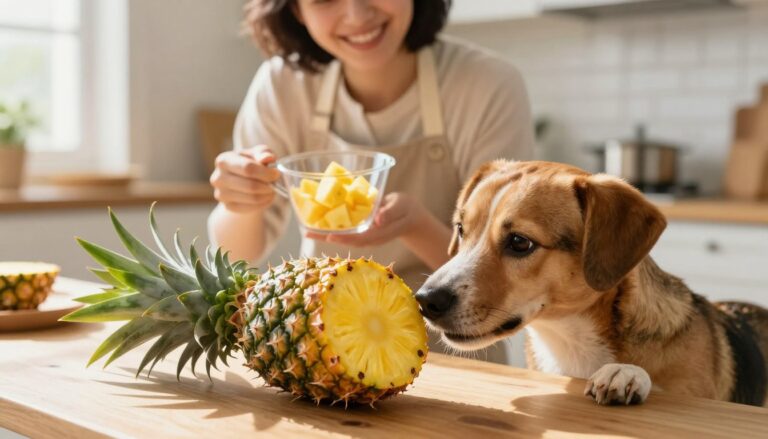
While your pet is an omnivore, they don’t strictly need produce to thrive. However, many owners find that specific plant-based items offer a refreshing crunch and added vitamins. Knowing what fruit can dogs eat is the first step toward responsible and informed pet ownership.
This guide helps you navigate the nutritional benefits and potential risks of introducing human foods into their diet. By following these simple guidelines, you ensure your pet enjoys tasty snacks without compromising their long-term well-being.
Table of Contents
Understanding Canine Nutrition and Fruit Consumption
Your dog’s digestive system is different from yours. This means they can’t eat the same snacks you do. Knowing this helps you pick the right fruits dogs can consume to keep them healthy.
The Role of Natural Sugars and Fiber
Fruits have natural sugars like fructose, which give dogs quick energy. But dogs don’t handle these sugars like humans do. Too much sugar can make them gain weight or hurt their teeth.
Fiber in fruits helps with digestion and keeps your pet’s bowels regular. When choosing fruits okay for dogs to eat, pick ones with good fiber and not too much sugar.
Distinguishing Between Human and Canine Digestive Needs
Humans can eat many different foods, but dogs are more sensitive. Some foods safe for you can harm dogs or upset their stomachs. It’s very important to research any new food before giving it to them.
Dogs have shorter, more acidic digestive tracts than humans. This makes it hard for them to digest complex plants. By knowing which fruits okay for dogs to eat, you can give them healthy treats. Remember, always give them in moderation to keep their diet balanced.
The Benefits of Adding Fruit to Your Dog’s Diet
Adding certain fruits to your dog’s diet can be very beneficial. These fruits are not just tasty treats but also low in calories. They are full of vitamins and minerals that support your dog’s health.
Boosting Antioxidant Intake
Antioxidants help protect your dog’s cells from damage. By giving them fruits rich in vitamins C and E, you boost their immune system. This is crucial for keeping your pet healthy as they get older.
“Feeding your dog a diverse range of whole foods can bridge nutritional gaps often found in standard commercial diets, provided you choose safe and appropriate options.”
Hydration Support Through Water-Rich Fruits
In hot weather, it’s important to keep your pet hydrated. Many fruits are high in water, making them great for a cool snack. They are a healthy choice instead of processed treats that have extra fillers.
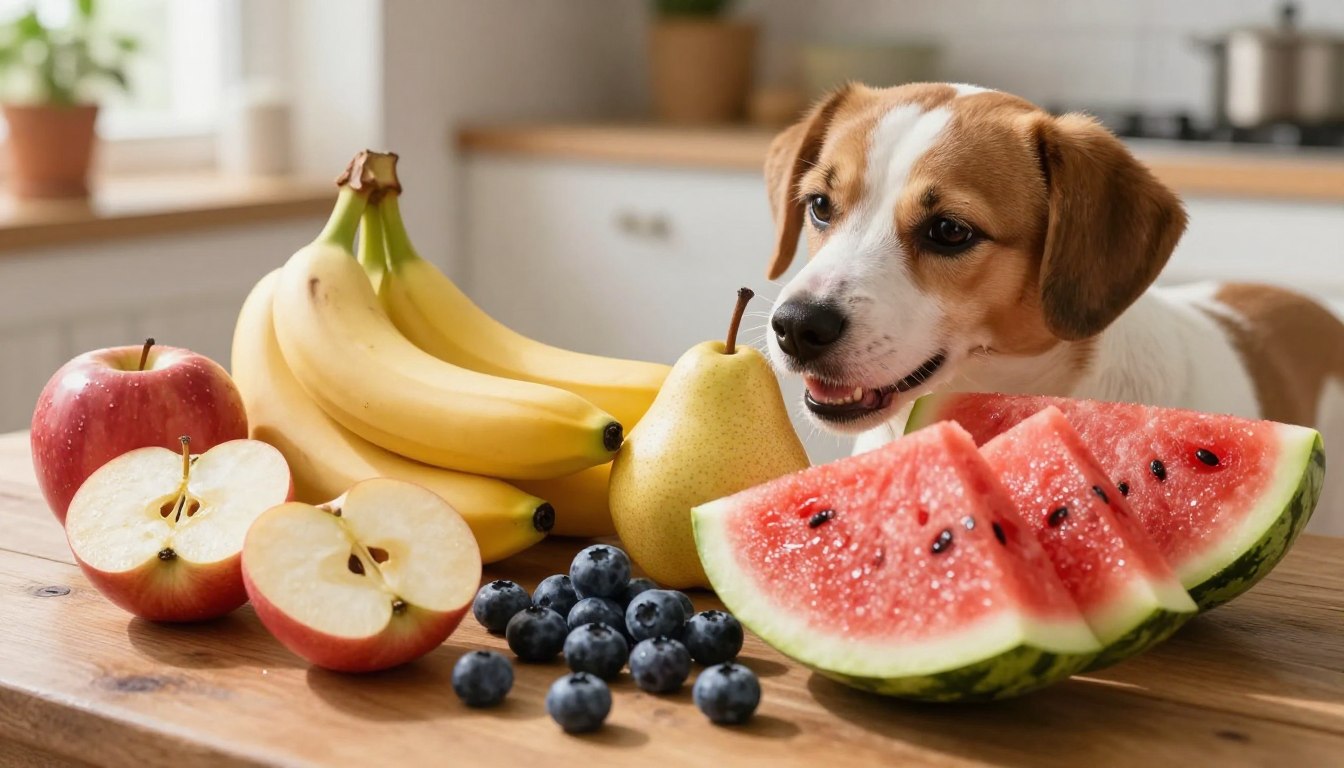
When picking snacks, look at their nutritional value. Here’s a table showing the benefits of some dog-friendly fruits:
| Fruit Type | Primary Benefit | Key Nutrient |
|---|---|---|
| Blueberries | Immune Support | Antioxidants |
| Watermelon | Hydration | Water Content |
| Apples | Digestive Health | Fiber |
| Bananas | Energy Boost | Potassium |
Remember, it’s important to give fruits in moderation. Quality and preparation are key to making these snacks safe and healthy for your dog.
What Fruit Can Dogs Eat Safely
Many dog-friendly fruits are in your kitchen. While dogs need meat, some fruits are great snacks. Knowing what fruit can dogs eat helps you choose better treats.
Introduce new fruits slowly to check if your dog likes them. Choosing dog-safe fruits keeps your pet healthy and happy.
Apples and Their Nutritional Value
Apples are great for dogs. They have vitamins A and C for a strong immune system. Apples also have fiber for better digestion.
Always take out the core and seeds first. They can be dangerous. Thin slices are perfect for training.
Blueberries as Superfood Treats
Blueberries are a superfood for dogs. They are full of antioxidants. These protect your dog’s cells and help them live longer.
Blueberries are small and easy to give as rewards. They are simple to serve without any prep.
Bananas for Potassium and Energy
Bananas give dogs a quick energy boost. They have potassium for a healthy heart and kidneys. Bananas are also soft and easy to digest.
But, bananas have a lot of sugar. So, give them in small amounts. Bananas are a tasty and healthy treat for most dogs.
Fruits That Are Toxic and Must Be Avoided
Keeping your pet safe means knowing about dangers in common fruits. Not all fruits dogs can consume are safe. Some can cause serious health problems that need quick vet help.
The Dangers of Grapes and Raisins
Grapes and raisins are very dangerous. Even a little can cause acute, sudden kidney failure in dogs. Since we don’t know what makes them toxic, it’s best to keep them away.
Why Cherries Pose a Risk
Cherries are also off-limits for pets. Their pits, stems, and leaves have cyanide, which is highly toxic. If your dog eats these parts, they could get cyanide poisoning, which stops their blood from carrying oxygen.
Citrus Fruits and Potential Stomach Irritation
Citrus fruits like lemons, limes, and grapefruits are not usually fatal but not recommended. They have oils and psoralens that can upset your dog’s stomach. Eating too much can cause vomiting, diarrhea, or even make them feel very tired.
To keep your dog safe, avoid giving them these:
- Grapes and Raisins: High risk of kidney failure.
- Cherry Pits: Contain dangerous cyanide.
- Citrus Peels and Rinds: Cause digestive distress.
Always check the list of fruits dogs can consume before giving them a new treat. Your careful watch is the best way to keep your dog happy and healthy.
Best Fruits for Dogs to Enjoy in Moderation
Adding the best fruits for dogs to their diet can be a nice change. These snacks are full of nutrients but should be given in small amounts. Choosing safe fruits for dogs lets you mix up their meals while keeping their health first.
Watermelon for Summer Hydration
Watermelon is great for hot days because it’s mostly water. It’s a top pick for keeping dogs hydrated. Make sure to remove the rind and seeds to keep your pet safe.
Strawberries and Their Vitamin Content
Strawberries are full of fiber and vitamin C, making them a healthy snack. These dog-safe fruits taste sweet and many pets love them. Always wash them well and cut them into small pieces to avoid choking.
Pears as a Crunchy Snack
Pears are a great choice for a crunchy snack. They’re rich in fiber and vitamins that help your dog stay healthy. But, remember to take out the core and seeds because they can harm your pet.
Choosing these fruits means you’re giving your dog something good to eat. But, remember to always eat in moderation. Also, introduce new foods slowly to see how your dog reacts.
How to Properly Prepare Fruit for Your Pet
Before giving fruit to your dog, make sure it’s ready. The right preparation stops choking hazards and helps your pet digest their treats. Follow a few easy steps to make fresh fruit a safe and healthy snack.

Removing Seeds, Pits, and Cores
Many fruits have parts that are bad for dogs. Always take out the seeds and core of apples, as they can be dangerous. Also, pits from fruits like peaches or plums can block your dog’s intestines.
Some seeds and pits have toxins that can harm animals. Cleaning the fruit well keeps your dog safe from these dangers. Always check the fruit before giving it to your pet.
Washing Produce to Remove Pesticides
Washing fruit is essential, even if you plan to peel it. Produce often has pesticide or wax residues. These can upset your pet’s stomach or cause health issues.
- Rinse all fruit under cool, running water to dislodge surface dirt.
- Use a soft vegetable brush for fruits with firm skins.
- Pat the fruit dry with a clean towel to remove any remaining debris.
Cutting Fruit into Bite-Sized Pieces
Size is key for dog treats. Big fruit pieces can get stuck in your dog’s throat. Cutting fruit into small, bite-sized pieces prevents this.
Smaller pieces are easier for your dog to chew and digest. This makes the treat more fun and lowers the risk of vet visits. Adjust the size of the pieces to fit your dog’s breed and mouth size for safety.
Recognizing Signs of Digestive Upset or Allergic Reactions
When you introduce new foods to your pet, watch for health issues. Even safe fruits can affect dogs differently. Watching your pet closely after trying new treats is key to their health.
Common Symptoms of Food Intolerance
Signs of a bad reaction to new fruits can show up fast. Look for sudden changes in behavior or health. Signs of an upset stomach include vomiting, diarrhea, or less energy.
Your dog might seem tired or not want to eat. Mild cases might get better fast. But, never ignore persistent discomfort, as it could be serious.
When to Contact Your Veterinarian
Knowing when to get help is crucial for pet care. If your dog shows severe distress, like repeated vomiting or extreme tiredness, call your vet right away. Prompt medical attention is key if symptoms don’t get better quickly.
Also, some foods are dangerous for dogs. Grapes or raisins can cause sudden kidney failure. Always prioritize your pet’s safety by having emergency contacts ready when introducing new foods.
Serving Sizes and Frequency Guidelines
Knowing how much fruit to give your pet is key to keeping them happy and healthy. Fruits are full of vitamins and minerals, but they shouldn’t replace a balanced meal. Moderation is crucial to ensure your dog enjoys these snacks safely.

The Ten Percent Rule for Treats
Vets often suggest the ten percent rule for managing snacks. This rule means treats, including fruits, should not make up more than ten percent of your dog’s daily calories. The rest should come from a complete and balanced dog food.
Going over this limit can upset your pet’s diet. Even though fruits are natural, they have sugars that can cause weight gain if given too much. Always check the fruit’s calorie content to keep within healthy limits.
Adjusting Portions Based on Dog Size and Activity Level
Every dog has different needs based on their size, age, and activity level. A small, less active dog needs fewer calories than a big, active working breed. Adjust the size and frequency of fruit treats to fit your dog’s lifestyle.
If your dog is less active or tends to gain weight, use smaller, less frequent fruit portions. On the other hand, a very active dog might handle a bit larger snack during training. Always watch your dog’s weight and talk to your vet if you see any unexpected changes.
| Dog Size | Daily Calorie Allowance (Treats) | Recommended Fruit Portion |
|---|---|---|
| Small (10-20 lbs) | 20-30 Calories | 1-2 small slices |
| Medium (21-50 lbs) | 40-60 Calories | 3-4 small slices |
| Large (51+ lbs) | 70-100 Calories | 5-6 small slices |
Creative Ways to Incorporate Fruit into Treats
Make your pet’s day by getting creative with fresh produce. Introducing dog-friendly fruits in new ways keeps your dog excited. These simple ideas turn everyday ingredients into special treats your dog will adore.
Making Frozen Fruit Popsicles
On a hot day, a cool snack is perfect. Freeze watermelon chunks for a refreshing treat. Just put the fruit in an ice cube tray with a bit of water or plain yogurt for a tasty frozen snack.
Mixing Fruit into Homemade Dog Biscuits
Baking treats lets you control what your pet eats. Add best fruits for dogs like mashed bananas or chopped apples to your biscuit dough. This adds sweetness and nutrients to each bite.
- Use whole wheat or oat flour as a healthy base.
- Ensure all dog-safe fruits are washed and pitted before mixing.
- Store your homemade biscuits in an airtight container to keep them fresh.
Using Fruit as a High-Value Training Reward
Training needs a little extra motivation. Small fruit pieces make great high-value rewards. They’re healthy and tasty, perfect for teaching tricks or reinforcing good behavior.
Remember to keep portions small for training. Choosing the best fruits for dogs gives a nutritious snack. This way, your dog-friendly fruits make your pet’s life richer while keeping their diet balanced.
Consulting Your Veterinarian Before Dietary Changes
Changing your dog’s diet needs careful thought and expert advice. While many fruits are good for dogs, each dog is different. Always talk to your vet before making big changes to your pet’s diet.

Discussing Pre-existing Health Conditions
Your vet knows your dog’s full medical history. They know about any health issues that might not be obvious. Personalized advice helps avoid ingredients that could cause problems.
When you go to the vet, tell them about the new foods you want to add. Your vet can check if these foods are okay for your dog. This helps keep your pet healthy while trying new, healthy treats.
Managing Diabetes and Weight Concerns
If your dog has diabetes or weight issues, be extra careful. Fruits have natural sugars that can affect blood sugar levels. Watching your dog’s blood sugar is key to avoid big problems.
Your vet can tell you how much to feed your dog safely. They might also suggest fruits that are better for dogs with diabetes or weight issues. Following their advice lets you give your dog variety without harming their health.
Conclusion
Choosing the right snacks for your dog is easy. It’s all about picking healthy, natural options. This way, you can make your pet’s diet better.
Many owners prefer fruits as a healthy snack for their dogs. They offer a tasty change from store-bought treats. Try different fruits to see what your dog likes best. Make sure to choose fresh and high-quality fruits for the best nutrition.
Learning about what your dog needs to eat is very important. It helps keep them healthy for a long time. Share your favorite fruit snacks with other dog owners. If you have questions, always ask your vet. Enjoy giving your dog healthy, natural snacks.